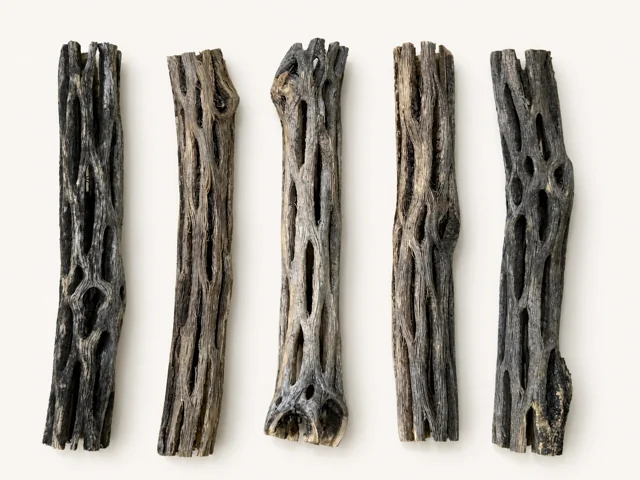
Catalogue photograph - material example, not the illustrated piece
Cholla Wood / Cactus SkeletonView product and options →BBA Worlds / Shrimp
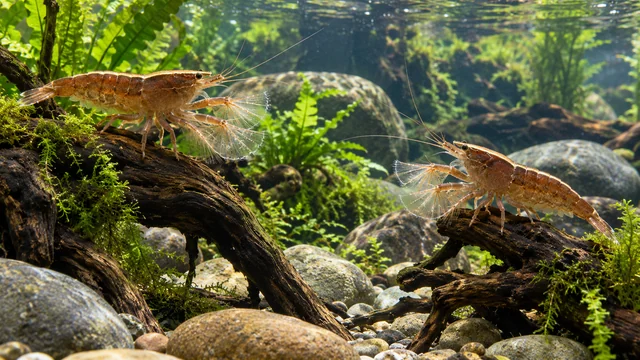
Look closer: a cherry shrimp works across moss, another explores a leaf, and the wood becomes a landscape of grazing surfaces and quiet retreats. Start with one coherent Neocaridina colony, then explore the very different habitats other freshwater shrimp need.
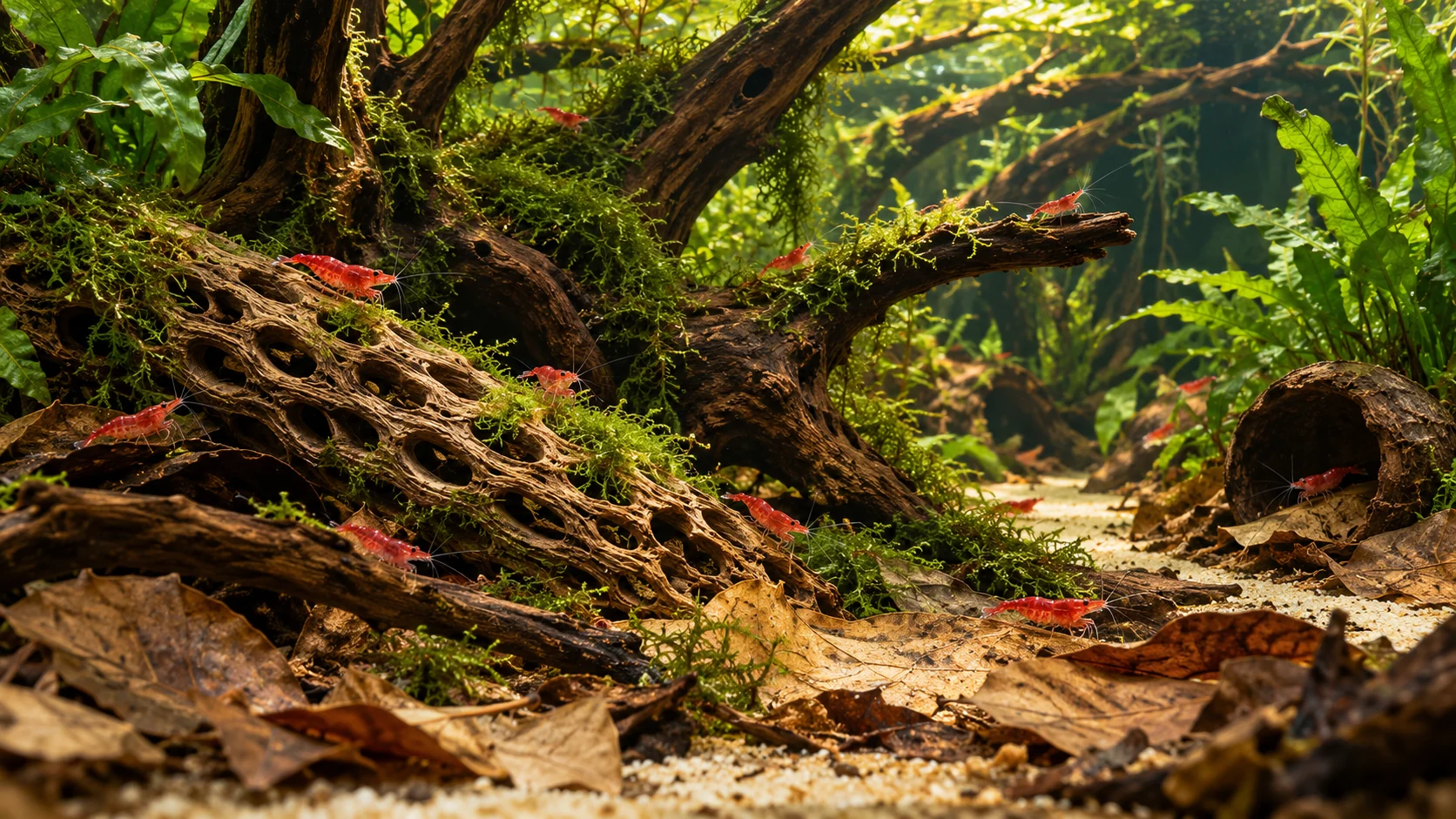
Follow the surfaces through the scene. Each material has a role; a mature habitat also needs stable water, oxygen and measured feeding.
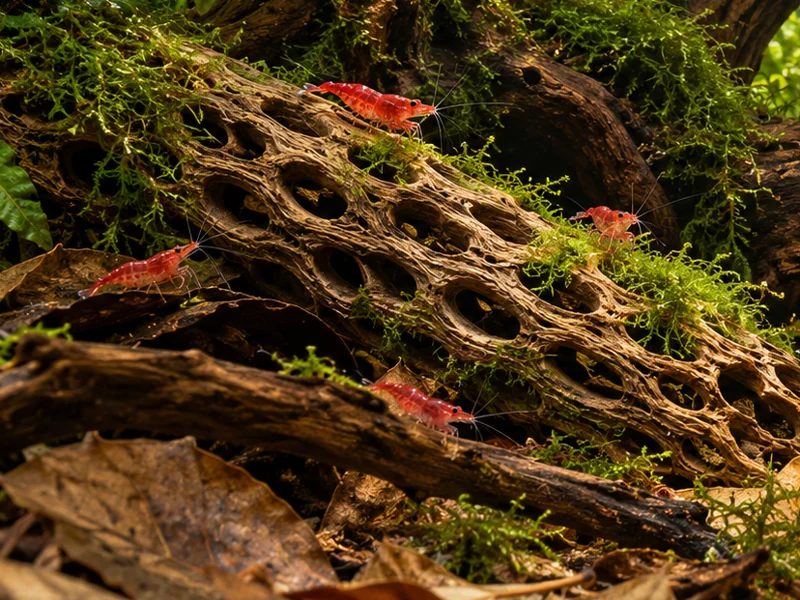
The lattice adds texture and accessible surfaces. Check openings, condition the wood and leave room to lift it for maintenance. Compare the actual product photographs and dimensions rather than expecting the illustrated piece.
Compare the real BBA material
Catalogue photograph - material example, not the illustrated piece
Cholla Wood / Cactus SkeletonView product and options →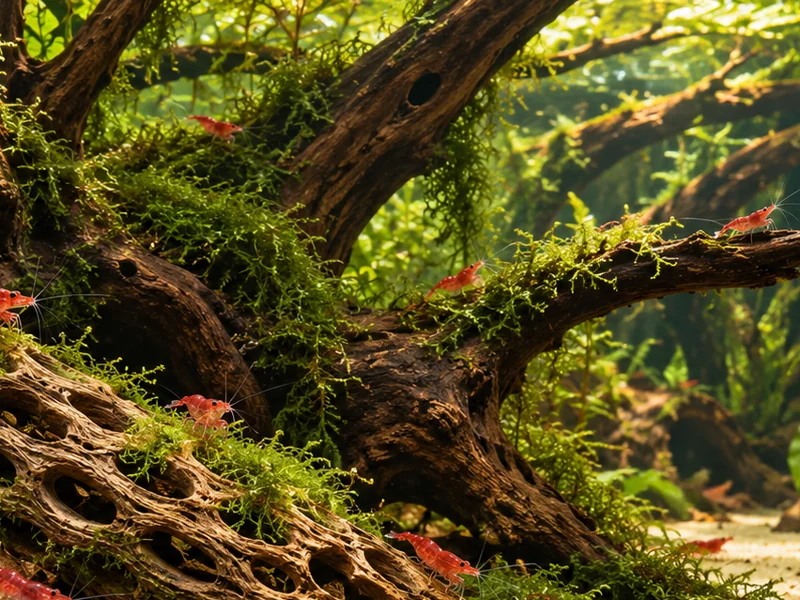
Secure the main structure first. Moss and other suitable plants can build cover around it while open routes let you see the colony and remove leftover food.
Compare the real BBA material
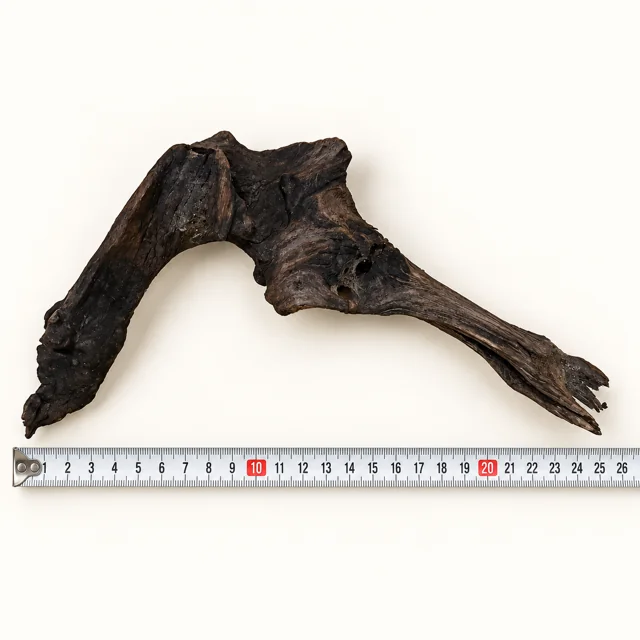
Catalogue photograph - material example, not the illustrated piece
Mangrove Root DriftwoodView product and options →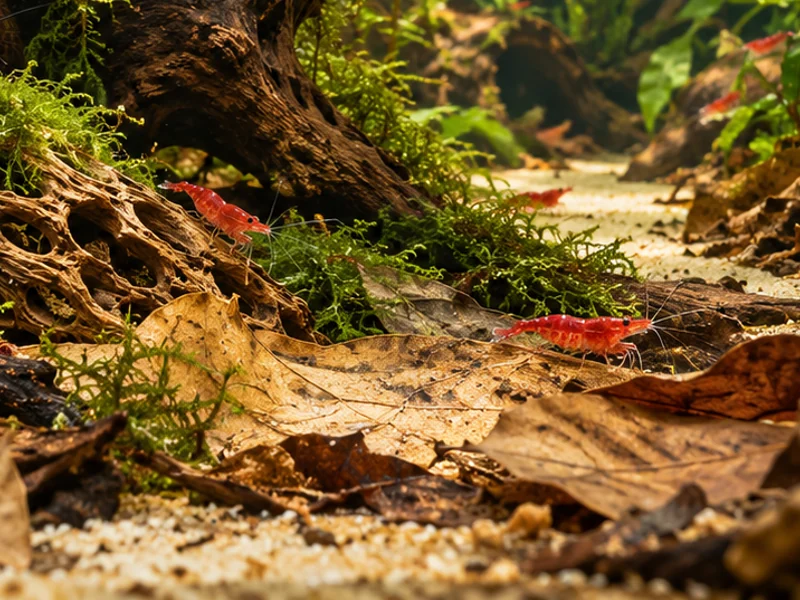
A modest mix of prepared leaves creates different surfaces without burying the whole floor. Mulberry is one option for supplementary grazing; it does not supply a complete diet. Add small amounts and observe the water and animals.
Compare the real BBA material
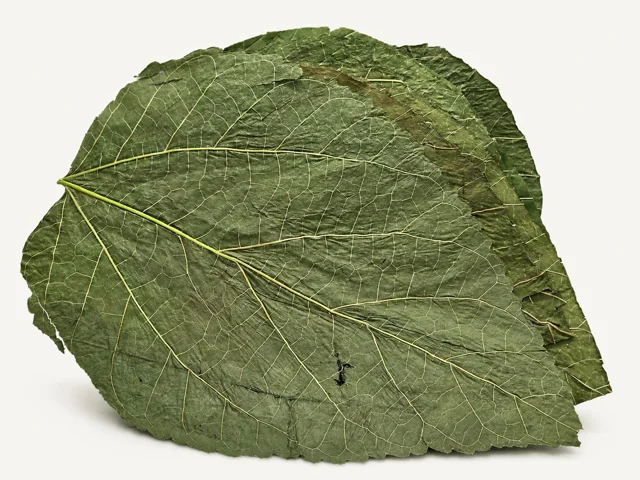
Catalogue photograph - material example, not the illustrated piece
Dried Mulberry Leaves – Aquarium Shrimp Food & Leaf LitterView product and options →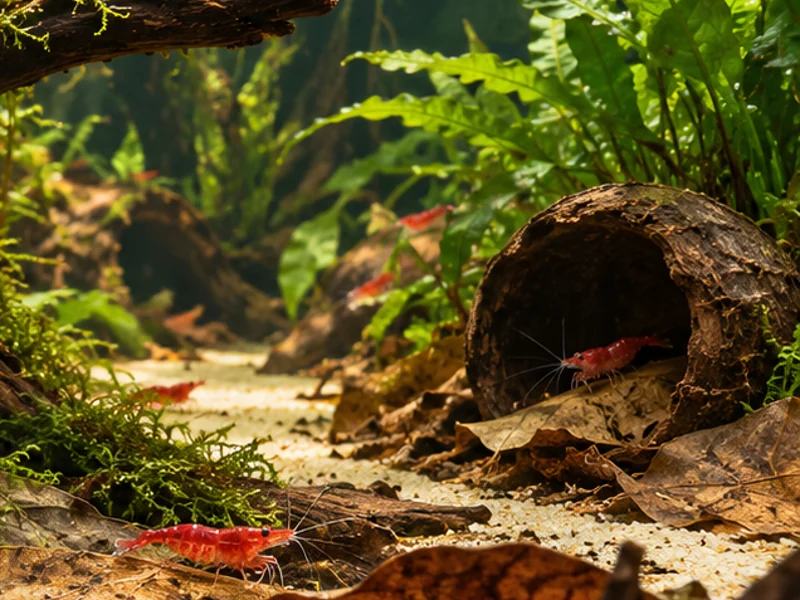
A sheltered edge gives the composition depth. Choose openings that suit the inhabitants, keep the structure secure and preserve access for inspection; the real coconut cup is an alternative form, not a promise of the illustrated shape.
Compare the real BBA material
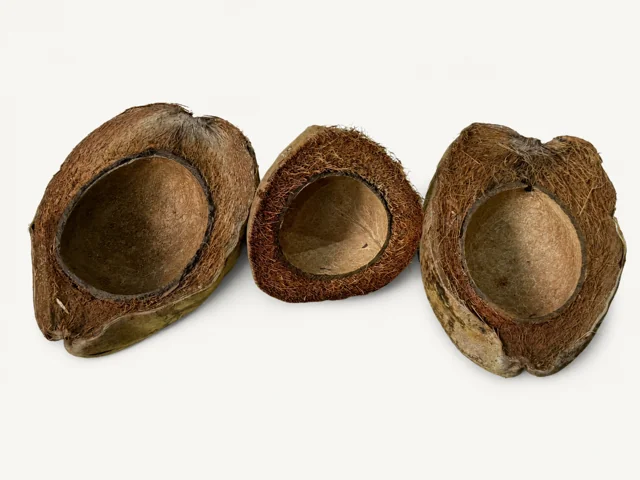
Catalogue photograph - material example, not the illustrated piece
Coconut Cup (Cocos nucifera) – Natural Botanical CaveView product and options →The main scene follows a Neocaridina colony. These alternatives need different water, feeding and layout plans; they are not a stocking list for one tank.
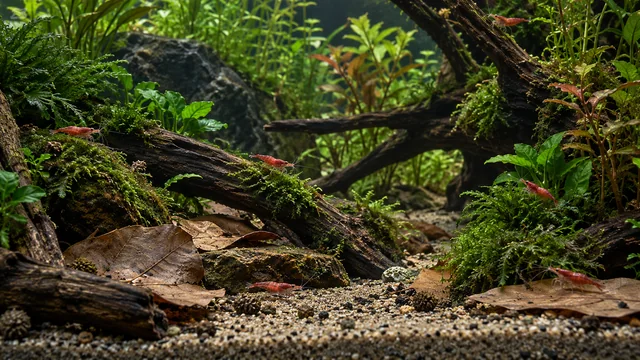
Neocaridina davidi
Mature planting, moss, protected filter intakes and accessible surfaces for a freshwater colony.
Match the established stock’s water and make gradual, temperature-matched changes. Use suitable leaf portions and conditioned wood as part of the structure. Surface growth is useful grazing, but deliberate balanced feeding and regular maintenance remain necessary. Do not copy Bee-shrimp mineral targets simply because both are small shrimp.
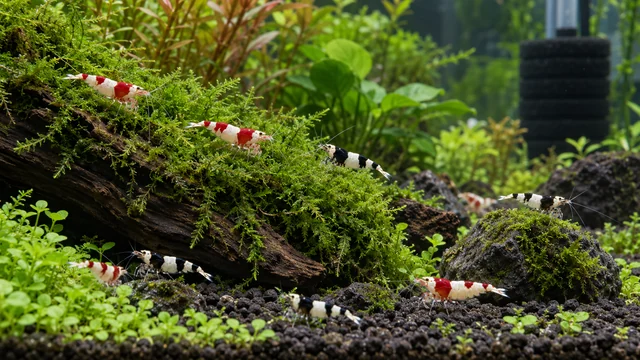
Caridina logemanni
A dedicated soft-water approach with deliberate mineral and carbonate management.
Use the established line’s requirements to plan water preparation, substrate and matched changes. Suitable botanicals are a gradual addition, not a way to manufacture the required GH, KH or stability. Keep different breeding lines separate where identity matters; Tiger shrimp have their own profile and are not automatically interchangeable.
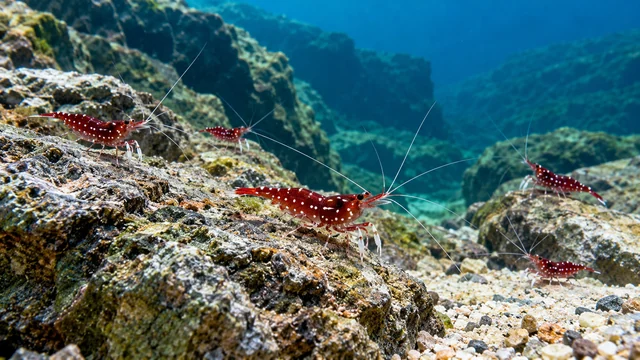
Caridina dennerli
Warm, alkaline, consistently mineralised water and mature rocky grazing surfaces.
This is a separate Lake Matano-inspired plan, not a blackwater variation. Follow the Cardinal guide for mineral preparation, temperature, filtration and measured feeding. Do not add acidic active soil, tannin products or a deep decomposing leaf layer by default. BBA does not list a specialist Sulawesi mineral recipe here; do not substitute a general botanical bundle for it.
Atyopsis moluccensis / Atya gabonensis
Current, oxygenation and secure elevated feeding positions, planned for the chosen species.
These fan feeders need suitably fine suspended balanced food delivered where their fans can collect it. Flow alone is not nutrition, and a bottom-feeding pellet or Lubao sachet is not a substitute. Vampire shrimp require a larger structural allowance than dwarf shrimp. Compare the two profiles before choosing space, companions and refuges; this route does not require keeping them together.
The products below belong to suitable planted colony plans. They are not a universal shopping list for every shrimp habitat.
Use secure wood and a well-sized shelter to define the layout. Add Cholla where its texture serves a purpose, leaving room for circulation and cleaning.
Compare the shape and portion size of Mulberry and Catappa. Add prepared material gradually to a suitable established aquarium; tannin colour does not prove safe conditions.
Plan a balanced ration for the actual shrimp, then use supplementary grazing foods in measured amounts. Remove excess and judge feeding access rather than treating a busy-looking aquarium as proof of adequate nutrition.
A kit can make it easier to compare several material roles. Check every component against the chosen aquarium; use Lubao and biofilm packs as directed, with observation, rather than adding the whole selection at once.
Current catalogue photographs, options and availability. Compare the contents with your species plan before buying; the illustrated aquarium is not sold as a complete kit.
Explore different foods and material sizes without repeating the same choice in every habitat.
Supplement grazing with a suitable balanced feeding plan. These are products to compare, not foods that every shrimp must receive together.
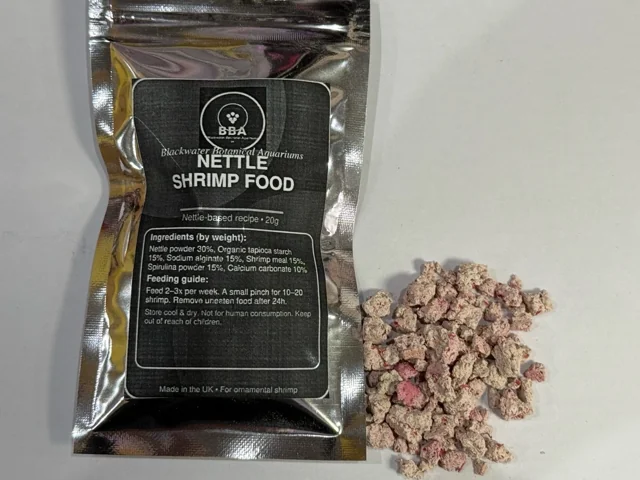
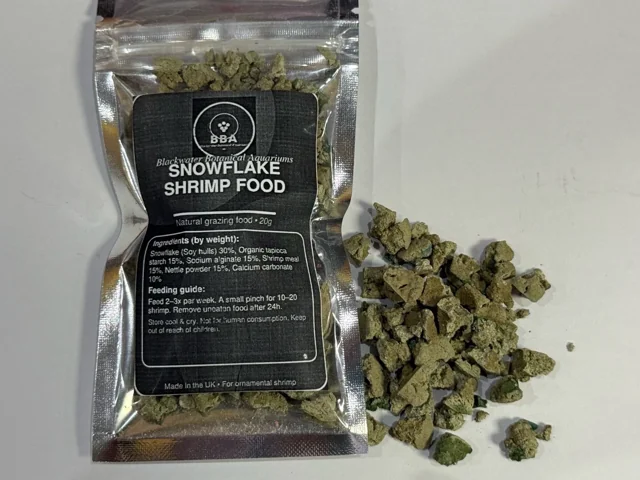
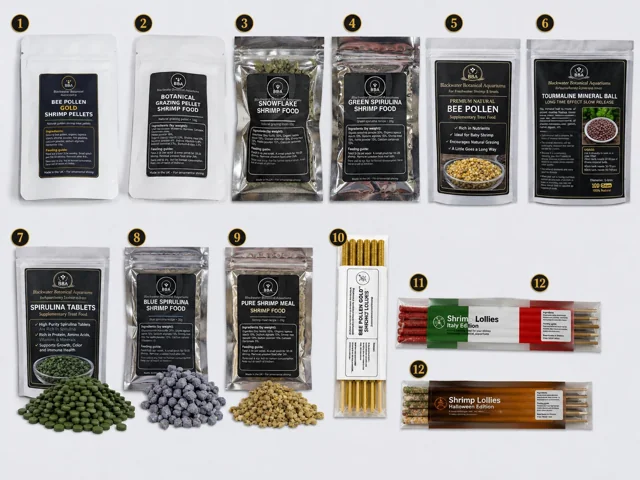
Read each included product and its role
Complete Shrimp Food & Mineral BundleView product and options →Select the structure and leaf portion for your actual aquarium. Keep cleaning access and observe breakdown rather than adding more for appearance alone.
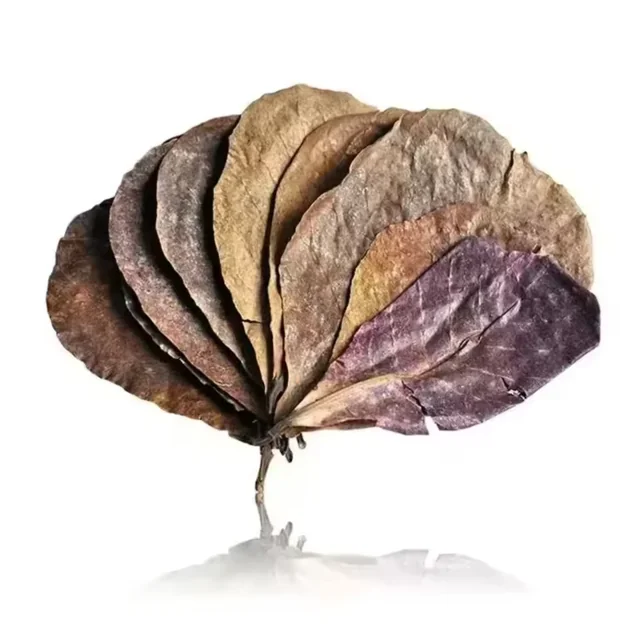
Choose an appropriate leaf size
Indian Almond / Catappa Leaves – Aquarium BotanicalsView product and options →A different form of sheltered space
Coconut Cup (Cocos nucifera) – Natural Botanical CaveView product and options →The picture is a composition idea. A successful shrimp aquarium develops through preparation, maturation and observation.
Read the care profile and decide on water, temperature, space and food before buying the hardscape. Keep the four routes distinct.
Rinse and prepare suitable materials. Protect filter intakes, maintain surface movement and leave access around wood and shelters.
Establish biological filtration and accessible grazing surfaces. Confirm stable conditions instead of using an attractive finished scene as a readiness test.
Introduce modest leaf portions and observe their breakdown, the water and the animals. Keep oxygenation and maintenance ahead of a darker colour.
Provide suitable balanced nutrition and watch access to food. Fan feeders need a suspended-food plan; aquarium surface growth is not a complete ration.
Remove leftover food, make appropriate matched changes and inspect shelters and filter guards. Leave quiet cover during moulting.
Practical reading from the BBA Knowledge Centre, chosen for this World.
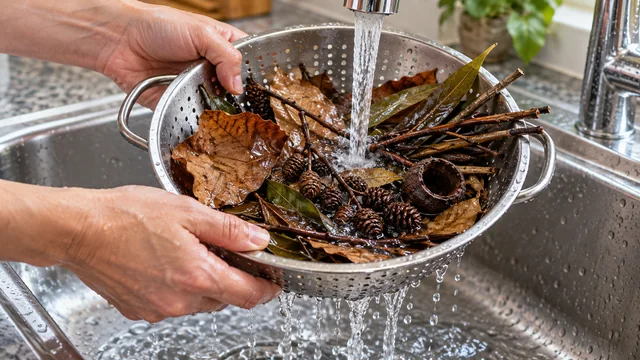
Prepare the materials and introduce them gradually.
Read the guide →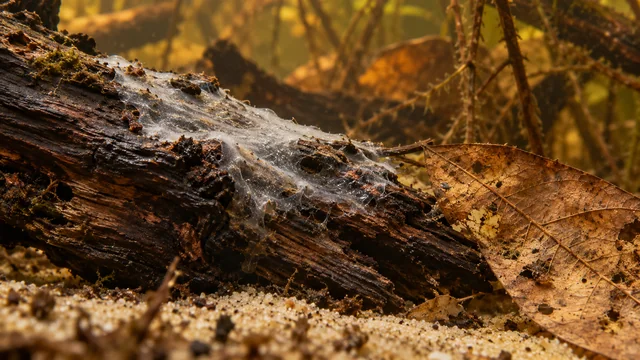
Recognise ordinary surface films and the signs that deserve closer attention.
Read the guide →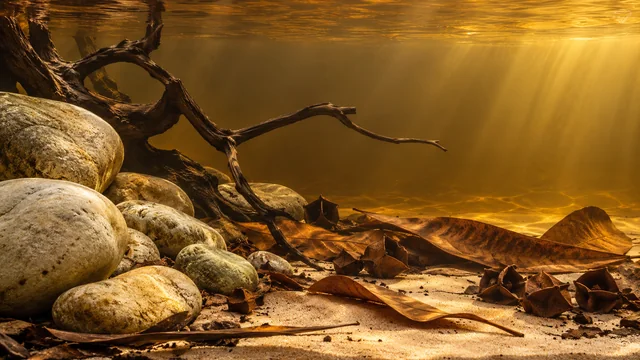
Separate water colour from the organic load of the aquarium.
Read the guide →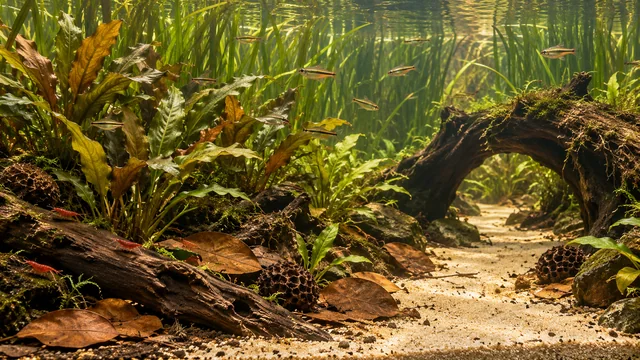
Keep light, leaves and usable growing space in balance.
Read the guide →Seven existing care profiles, each with its own water, feeding and development requirements. These are alternatives to research, not a mixed-species recommendation.
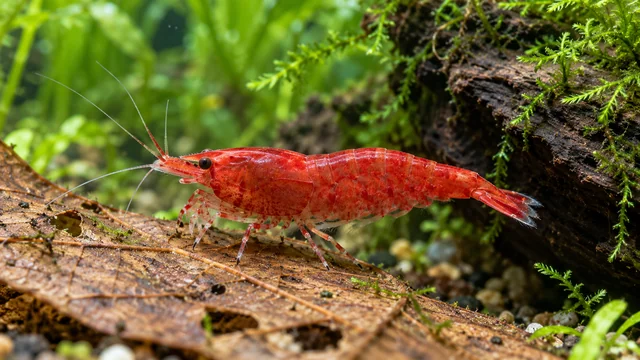 Cherry shrimpNeocaridina davidiRead the species guide →
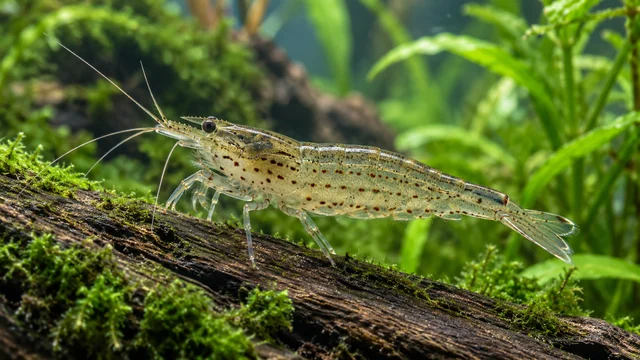 Amano shrimpCaridina multidentataRead the species guide →
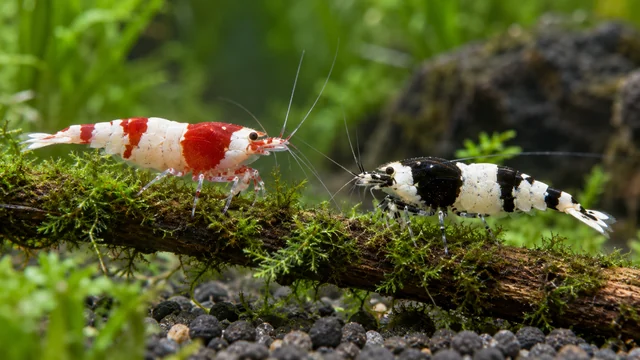 Crystal Red & Crystal Black Bee ShrimpCaridina logemanniRead the species guide →
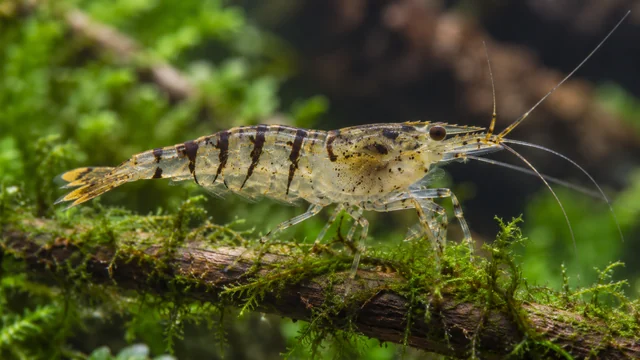 Tiger ShrimpCaridina mariaeRead the species guide →
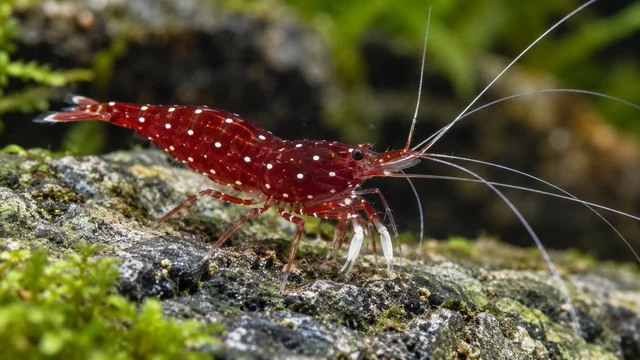 Sulawesi Cardinal ShrimpCaridina dennerliRead the species guide →
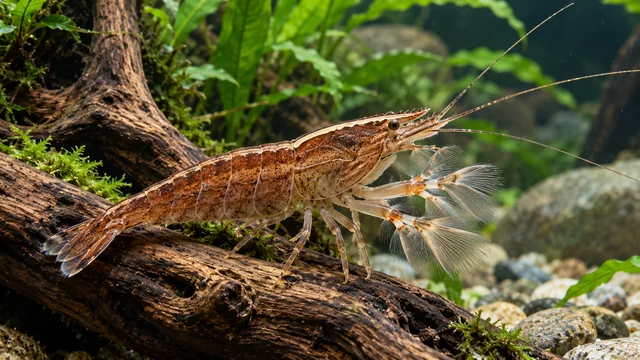 Bamboo ShrimpAtyopsis moluccensisRead the species guide →
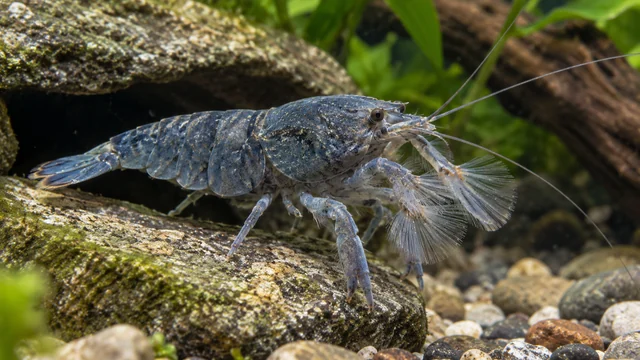 Vampire ShrimpAtya gabonensisRead the species guide →
Choose a species, build the right environment, then select the BBA materials that genuinely add a useful role. Keep learning and shopping connected.