Build the route

Build a mangrove-root structure route

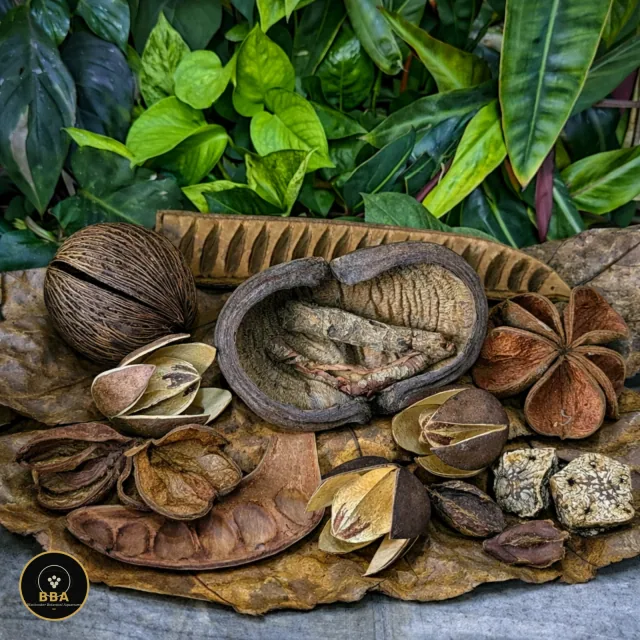
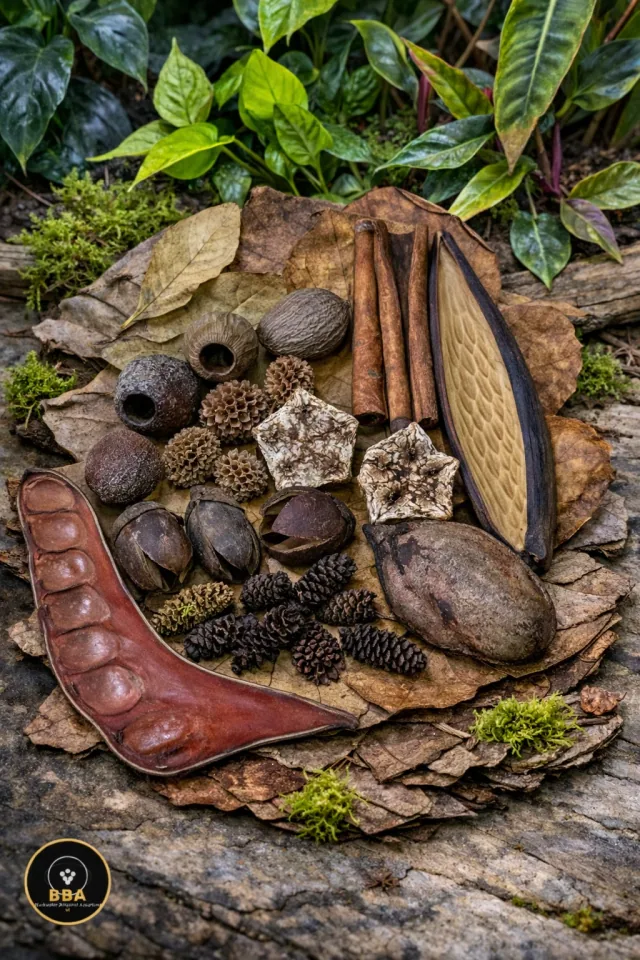
Use mangrove root as a hardscape anchor, then add botanicals gradually around the structure if the tank suits it.

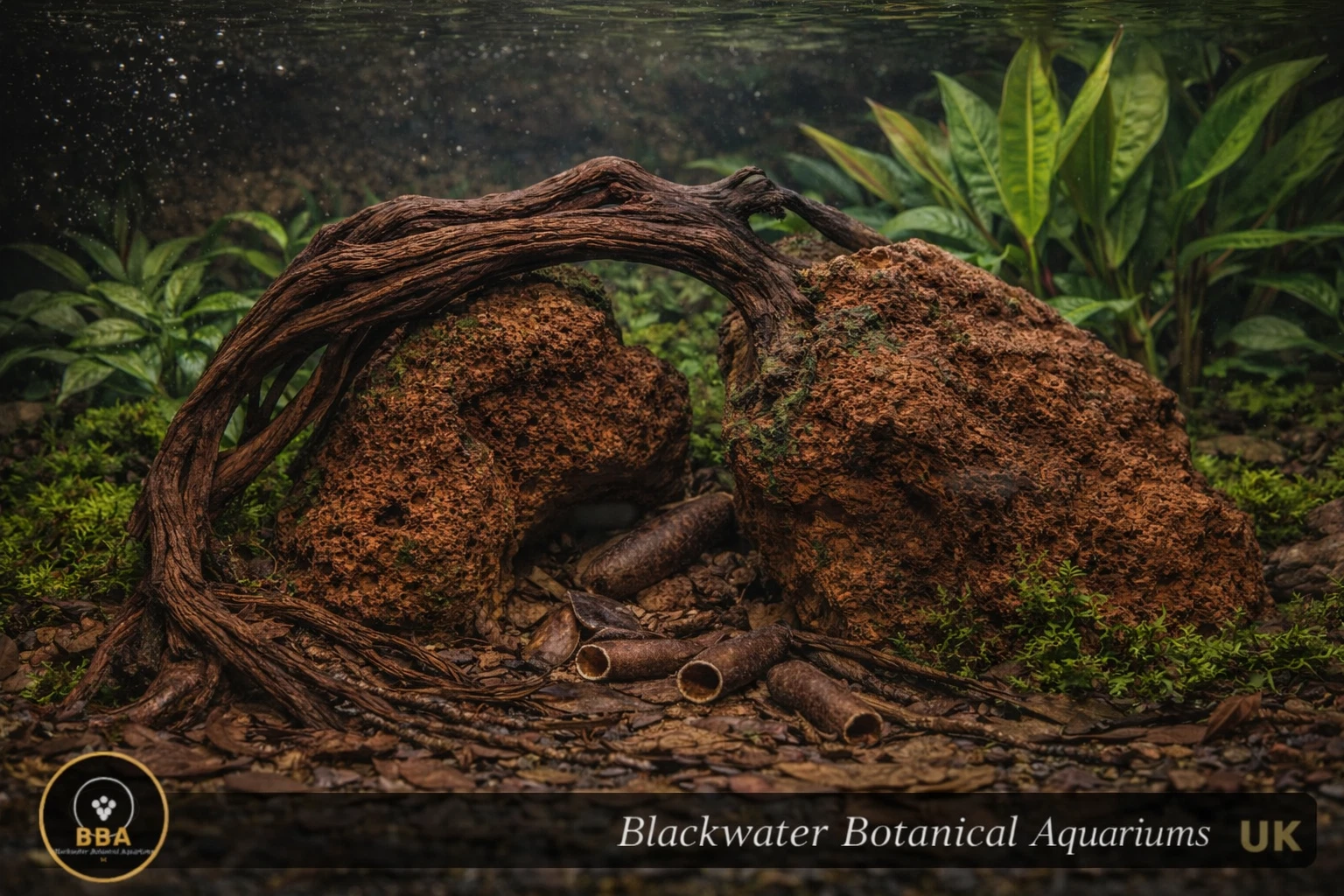
Mangrove Root Driftwood in aquarium use

Product story

Mangrove Root Driftwood in use

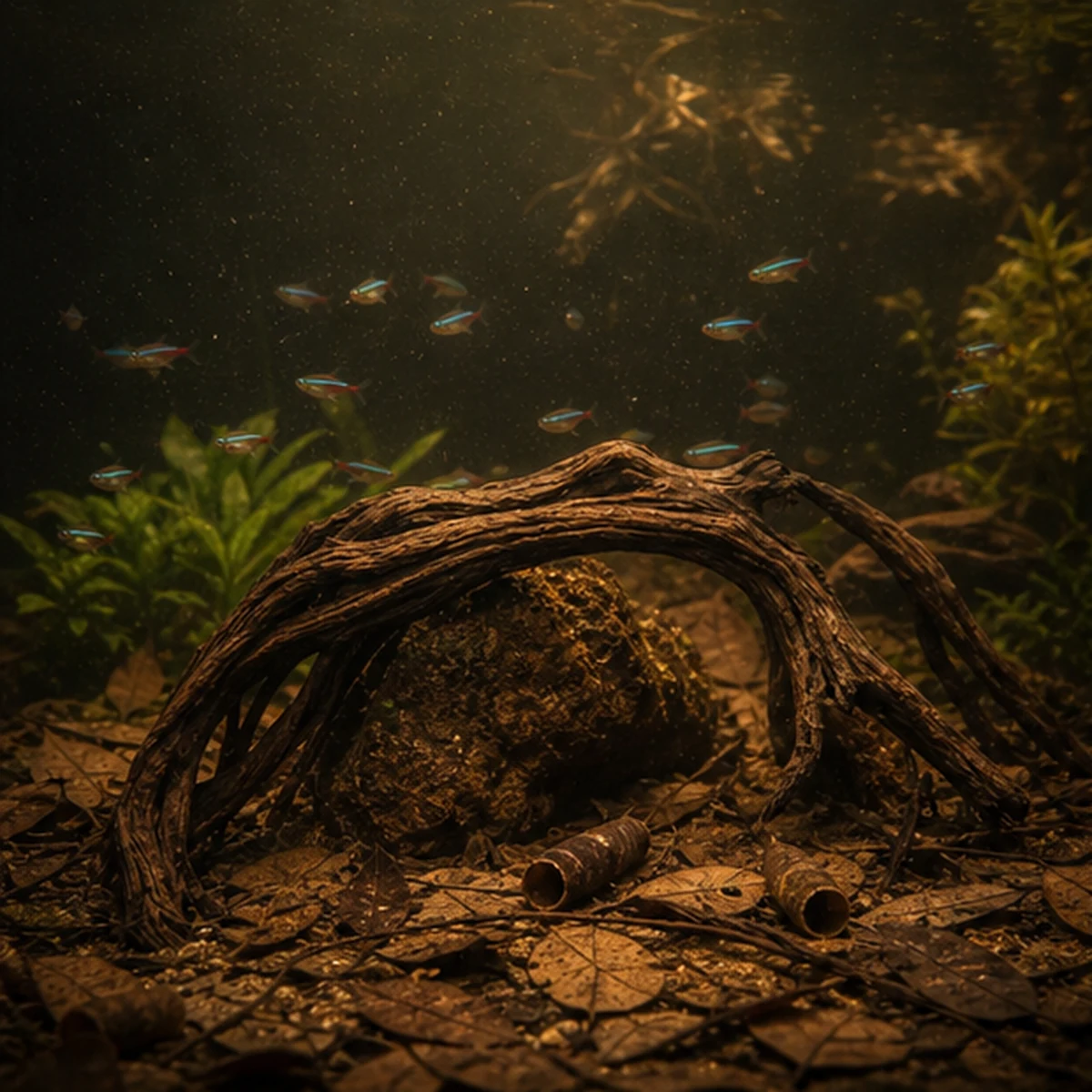
Natural mangrove root driftwood hardscape for aquariums, shrimp tanks and planted layouts, with instant structure, hiding places and biofilm grazing surface over time.

Why aquarists use it

Aquarium hardscape layouts, Shrimp, snails, bettas, plecos and shy fish

What it does

It supports a more natural, observed aquarium route when introduced gradually and used alongside stable husbandry.

What it does not do

It does not replace stable husbandry, diagnose livestock problems, cure disease or promise instant water-parameter changes.

Product role

Where this product fits

Use this section to understand where this product belongs in a safer aquarium route, without guessing or adding too much at once.

Best for

Aquarium hardscape layoutsShrimp, snails, bettas, plecos and shy fishCreating caves, tunnels, overhangs and shaded zonesBiofilm grazing surfaces over timeBlackwater, botanical-style and natural river layoutsAnchoring Anubias, Bucephalandra, Java fern or moss

Good route for

hardscape and shelter structuregradual introductionobserved setup building

Use with

Leaf litter, cholla-style structure, hardscape stones and planted support where appropriate. Hardscape is separate from botanical dosing decisions.

Before adding

Essential details and safety

Use slowly, observe livestock and avoid chasing instant changes. BBA product pages are guidance for careful aquarium use, not veterinary or medical advice.

Preparation notes

  • Rinse before use.
  • Soak in a bucket for 3–14 days if you want to help it sink and reduce initial tannins.
  • Change soaking water occasionally.
  • Boil only if the piece size allows and you are comfortable doing so.
  • Use hardscape weights or stone to hold it down until it waterlogs if needed.
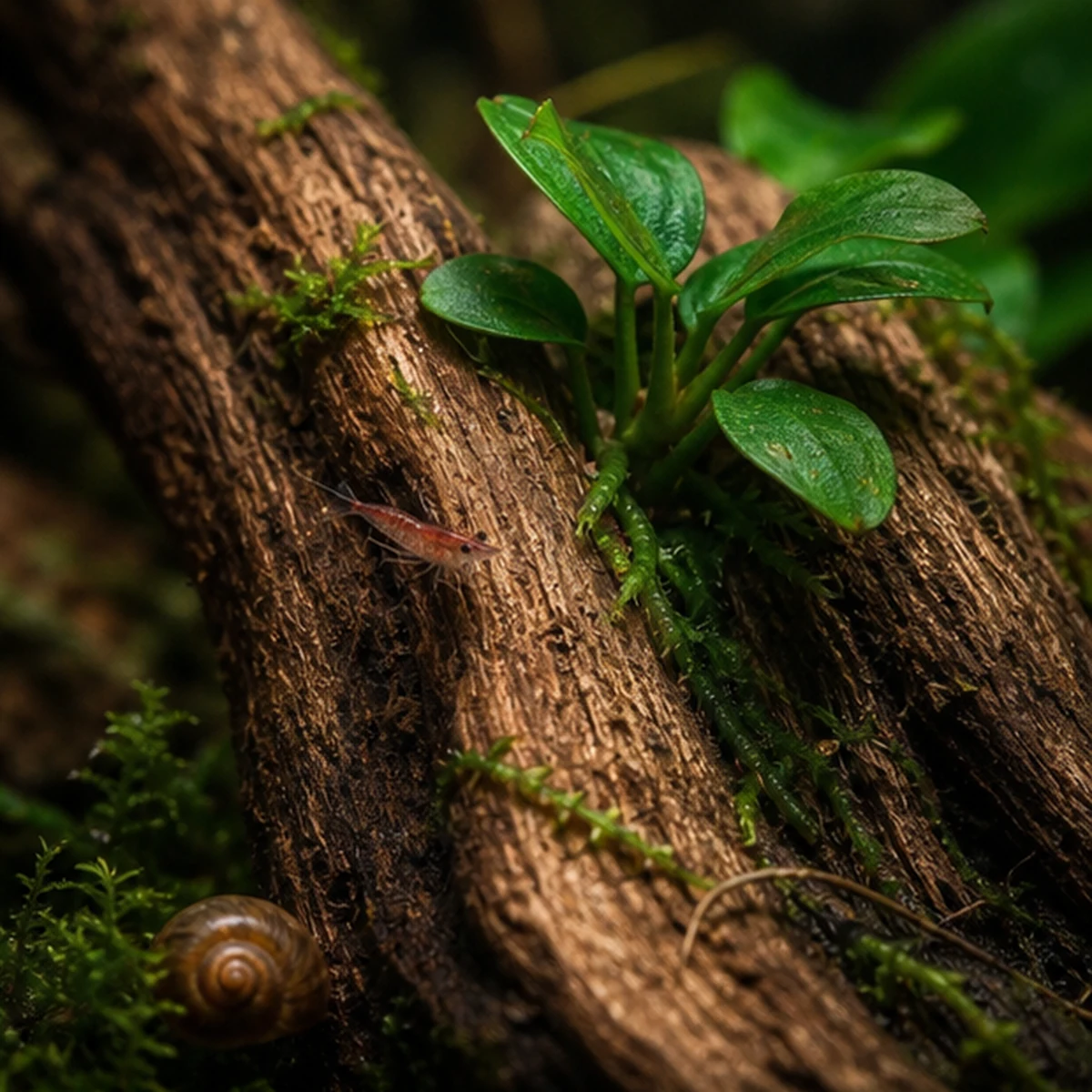
  • Tie or glue epiphyte plants and moss to the root once positioned.

Safety notes

  • This is a natural product — shape, colour, texture and surface marks vary naturally.
  • This listing is for the exact individual piece shown for the selected option.
  • Wood may release tannins and tint the water at first; this is normal.
  • A white or clear biofilm/fungus film may appear on new wood; this is normal and usually harmless.
  • Sinking time varies from piece to piece.
  • Position securely so the piece cannot float up or disturb the layout.
  • For aquarium/terrarium decorative use only.
  • No instant pH promise and no livestock treatment claim.
  • Remove if livestock show stress.

Habitat visual story

A botanical aquarium should feel lived-in, not empty

These visual cards explain the habitat world around this product. They are separated from the product gallery above, so customers can distinguish the item from its ecological role.

Mangrove Root Driftwood habitat habitat story
Habitat

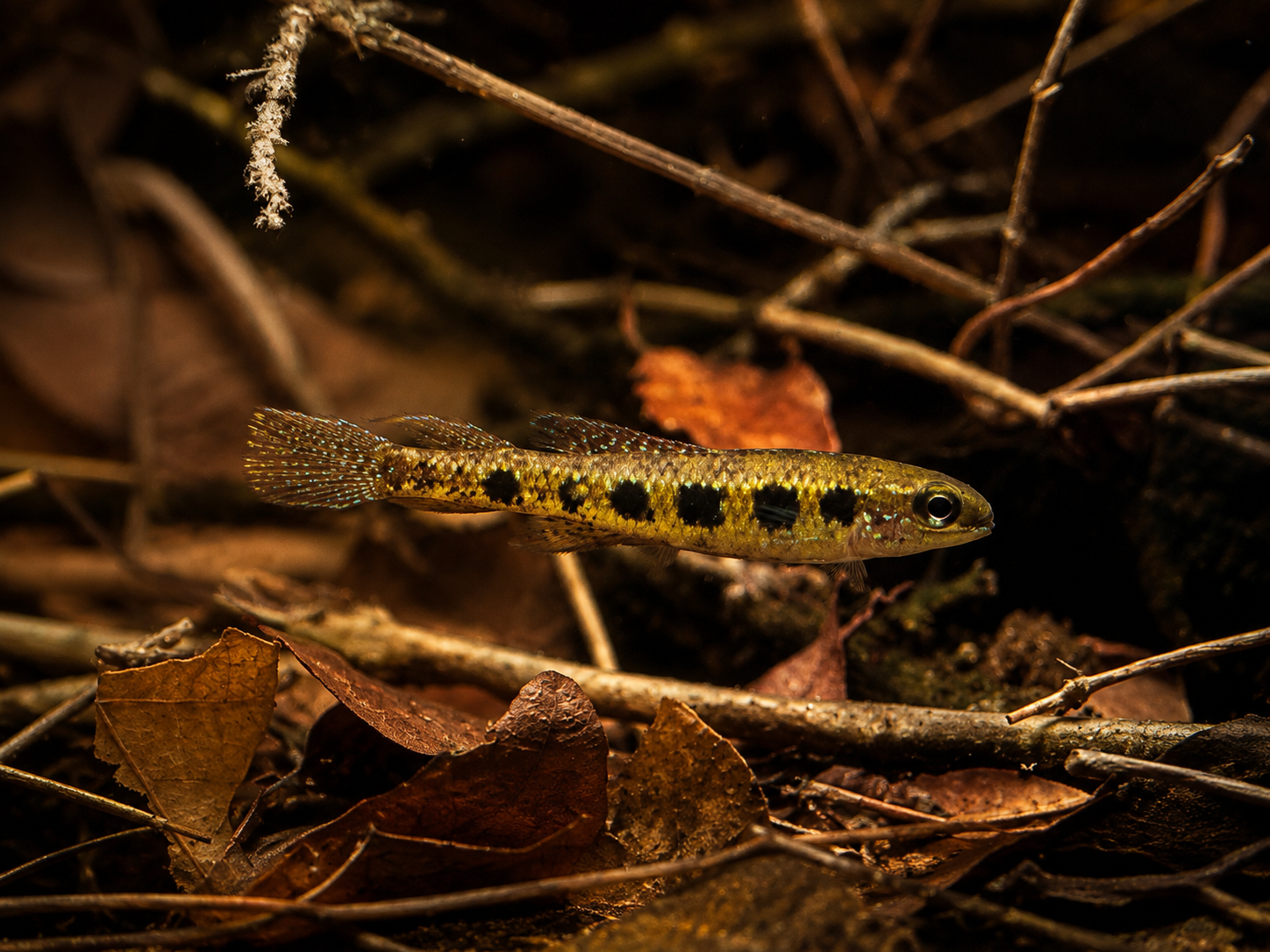
Pods break up the floor with natural structure.

Mangrove Root Driftwood cover habitat story
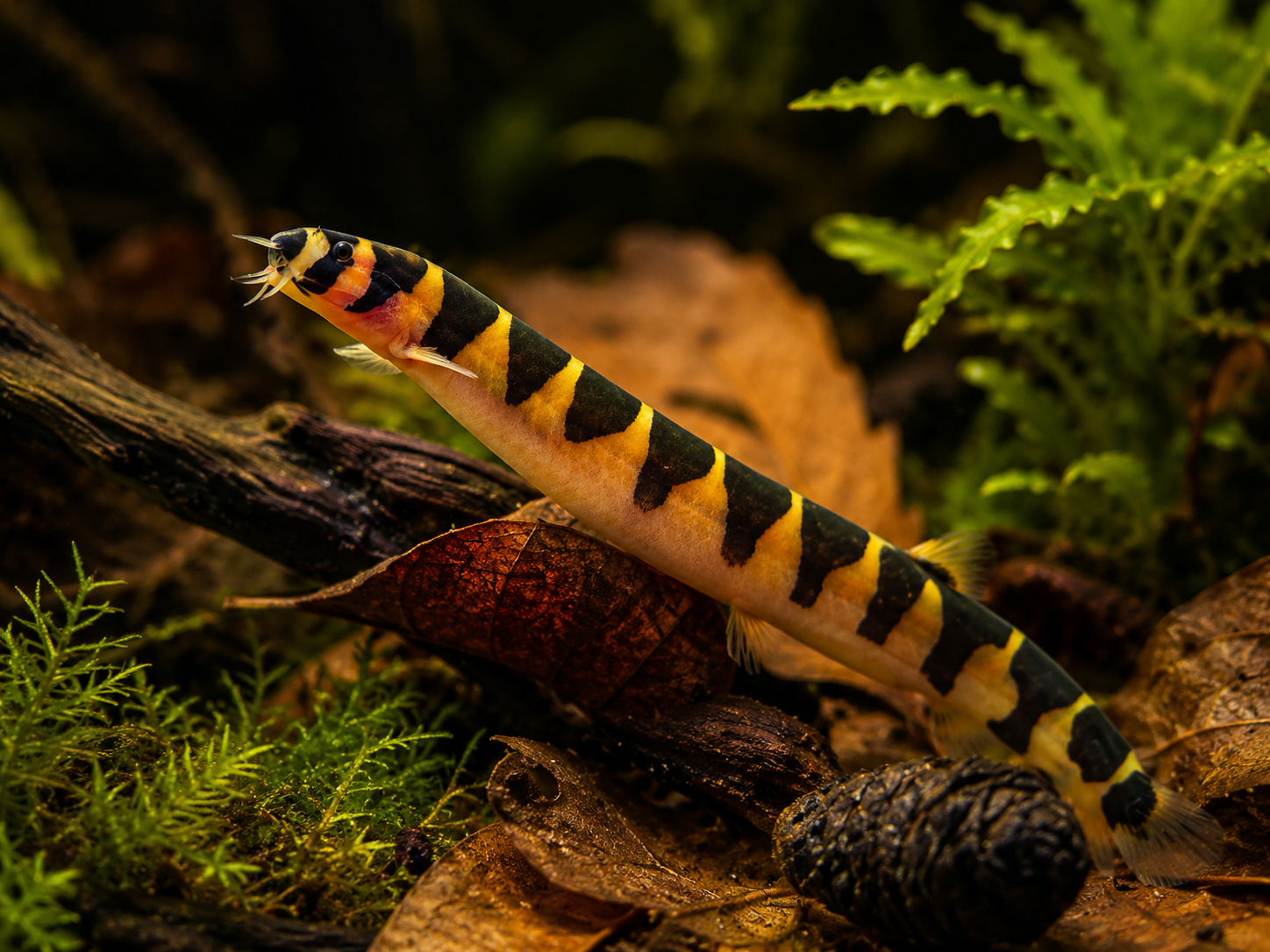
Cover

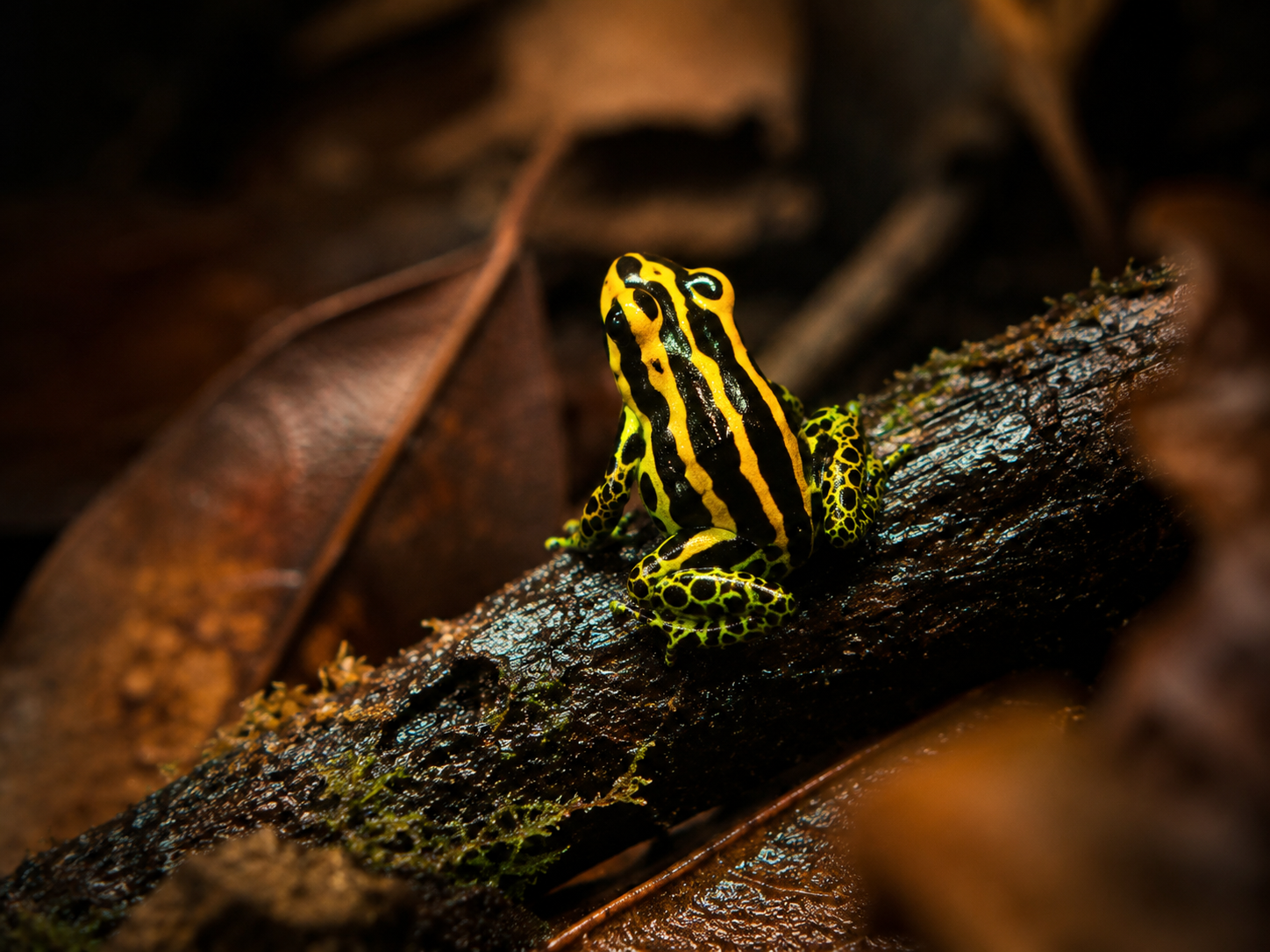
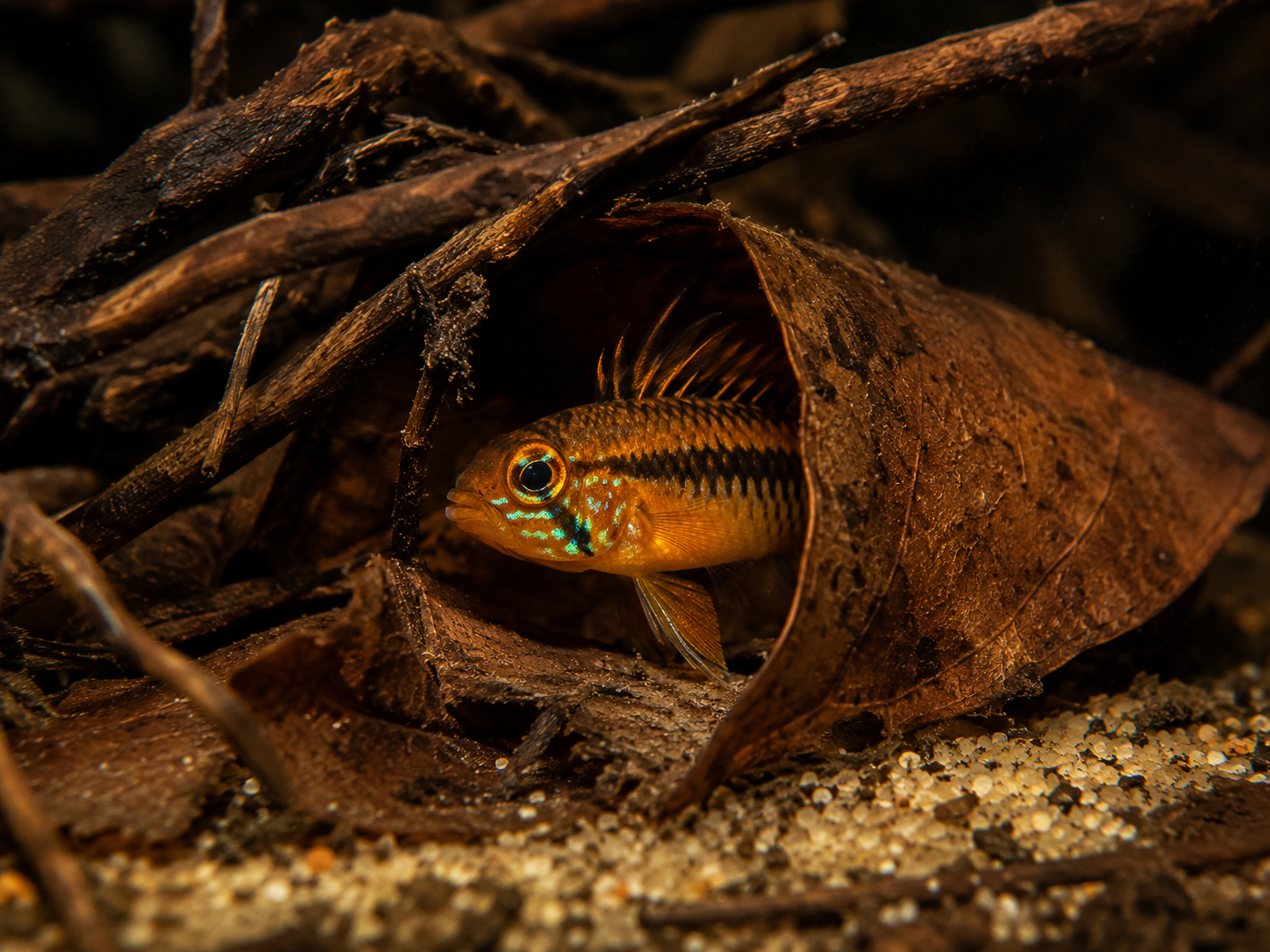
Edges and hollows create small shelter points.

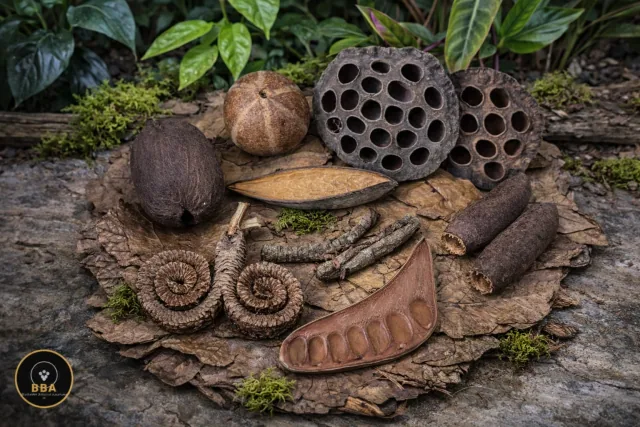
Mangrove Root Driftwood blend in habitat story
Blend In

Texture darkens into the botanical layout.

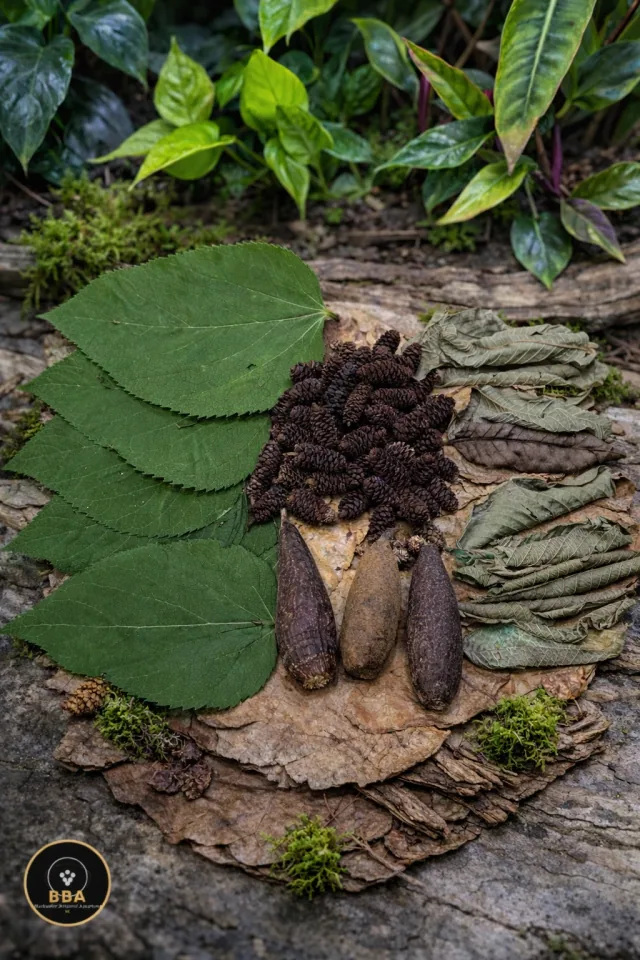
Mangrove Root Driftwood explore habitat story
Explore

Surfaces invite grazing and investigation.

Method reminders

Prepare, add gradually, observe

How should this be introduced?

Prepare as appropriate, add a small amount first and watch livestock and water clarity for 24-72 hours before adding more.

Is natural variation normal?

Yes. Botanical and prepared aquarium products can vary in size, colour, shape, texture, tint and breakdown speed.

Does this guarantee water parameter changes?

No. The BBA method is deliberately careful: products can support a route, but they do not promise instant pH, GH or KH results.

End route

Not sure how much to add?

Use the route guidance before building a heavy botanical layout, especially for shrimp, nano and soft-water tanks.

Use Box Finder Starter Routes