Best use
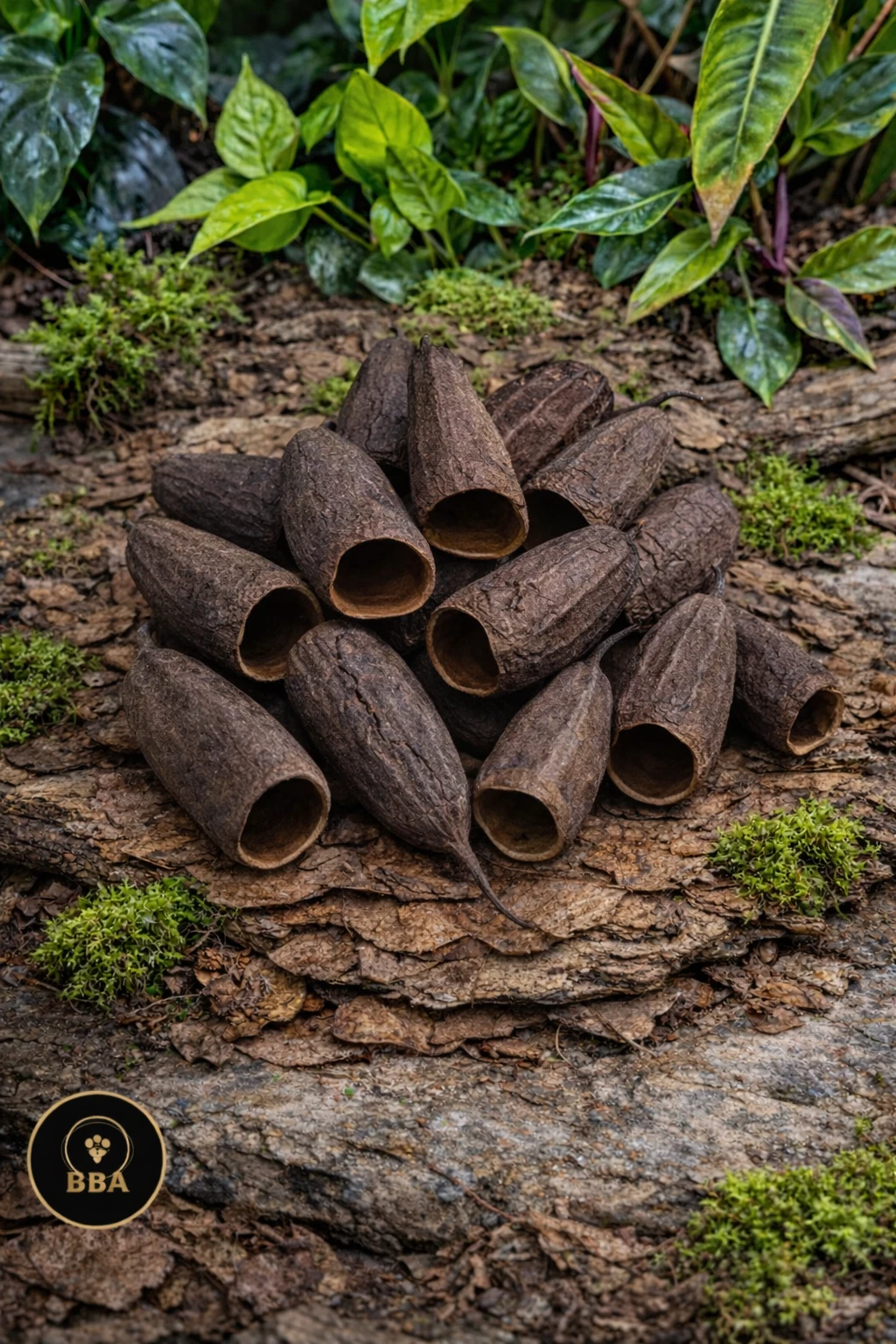
Use as a visible shelter tube rather than hiding it completely.
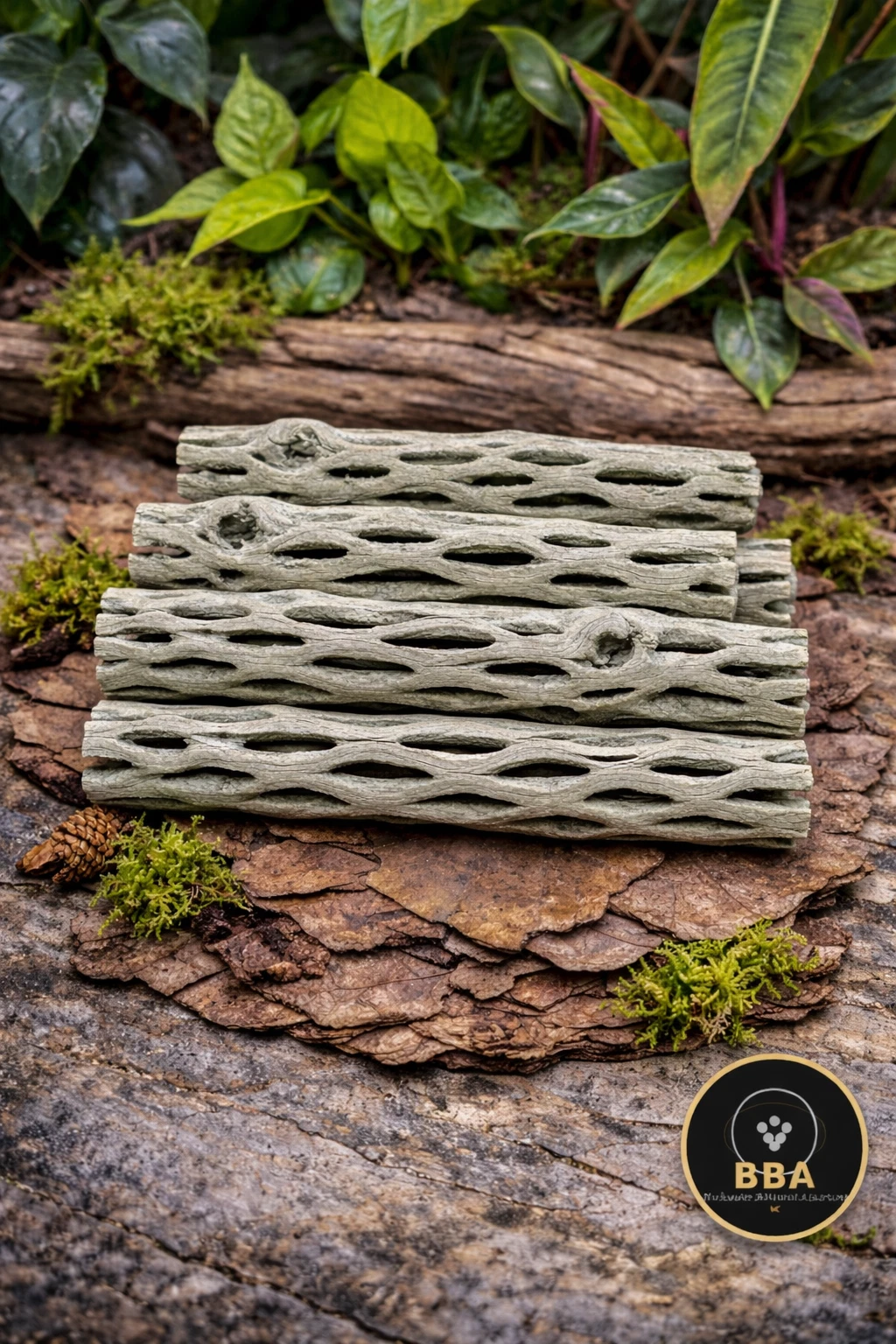
Best use
Use as a visible shelter tube rather than hiding it completely.
Habitat role
Openings create inspection points and surface area for grazing.
Overview
It is popular in shrimp tanks, fry tanks, nano aquariums, pleco setups and natural aquascapes because it provides shelter, grazing surfaces and a more mature botanical look.
Over time, the surface can develop biofilm and micro-life that shrimp, snails and small livestock may graze on. The hollow structure also creates natural hiding places and exploration zones.
Packed dry, small batch and labelled by Blackwater Botanical Aquariums.
Why aquarists use Cholla Wood
1) Natural shrimp shelter The hollow structure and side holes create excellent hiding and exploration spaces for shrimp, shrimplets, fry and small fish.
2) Biofilm grazing surface As the cholla matures in the aquarium, the surface can develop biofilm and micro-life that shrimp and snails naturally graze.
3) Great natural texture Cholla adds a strong botanical look with tunnels, holes and woody detail that works well in natural aquascapes.
4) Useful for fry and shy livestock The open structure creates small safe spaces and breaks up open areas in the aquarium.
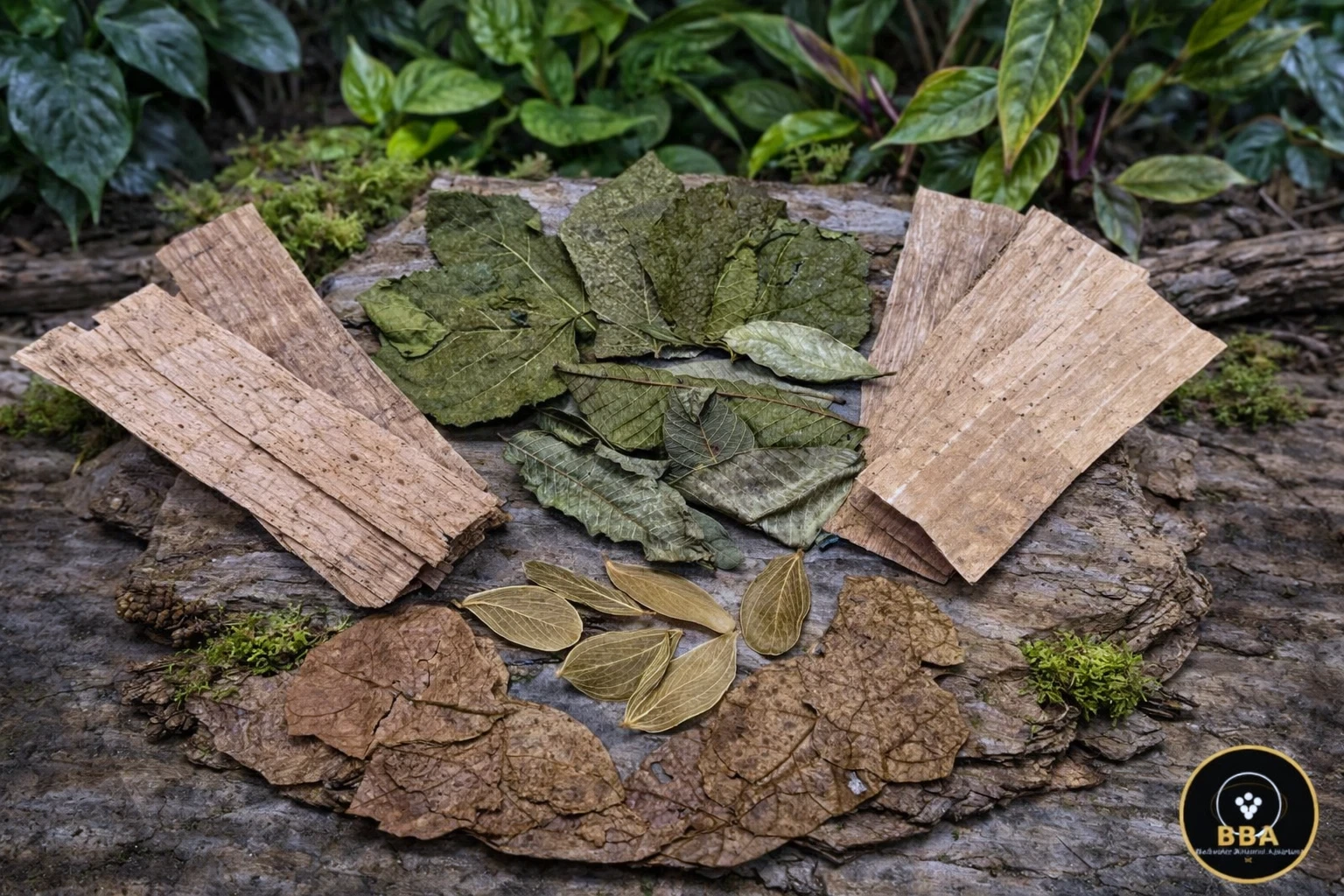
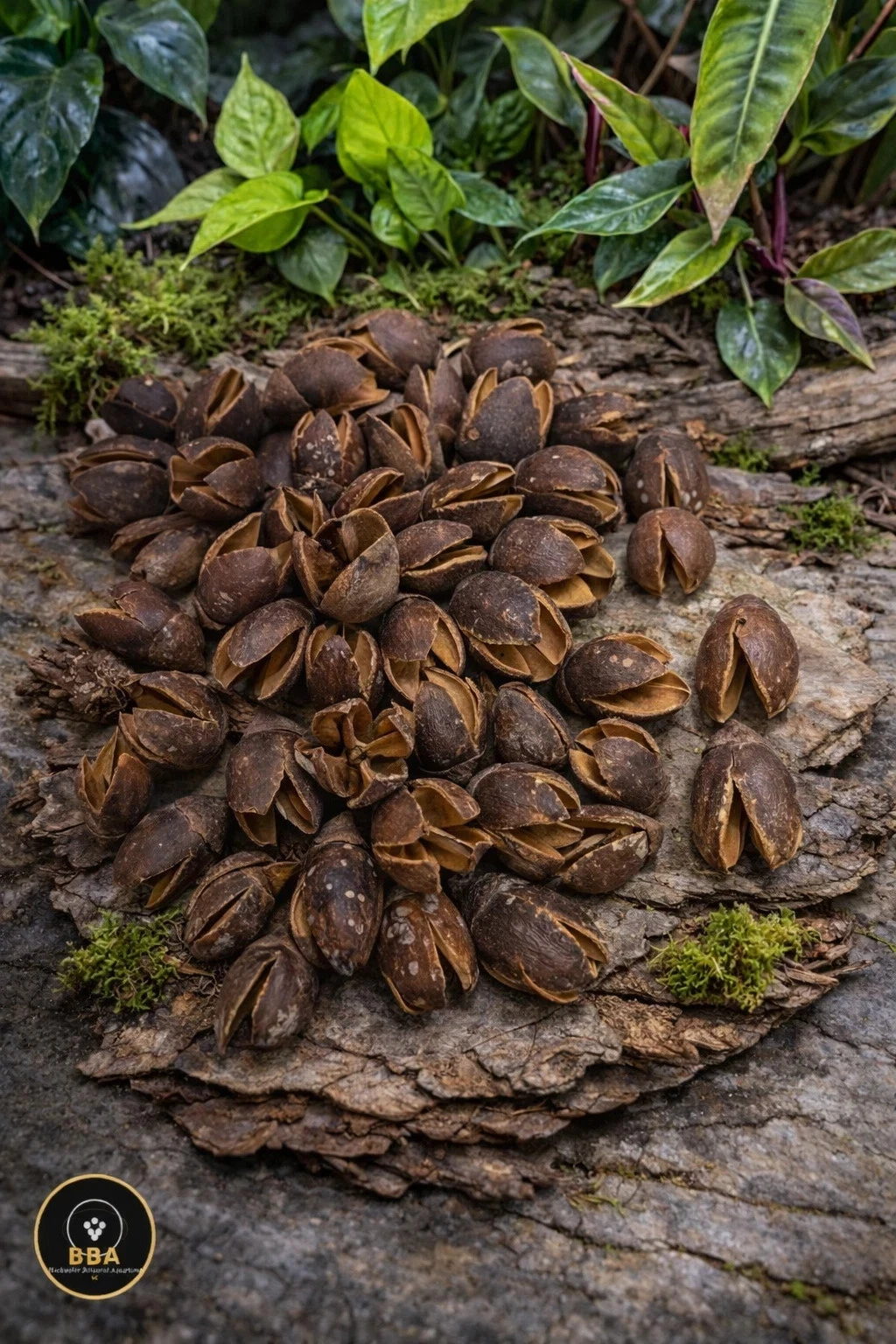
5) Works with blackwater layouts It combines beautifully with leaves, cones, pods, driftwood and other botanicals for a mature leaf-litter style setup.
Product story
Shrimp tanks / Caridina and Neocaridina, Shrimplets and fry areas
AQUARIUM PRODUCT STORY
These scenes offer ideas for using this botanical in a natural aquarium. Every aquarium is different, so follow the product guidance and adapt the layout to your own livestock and setup.
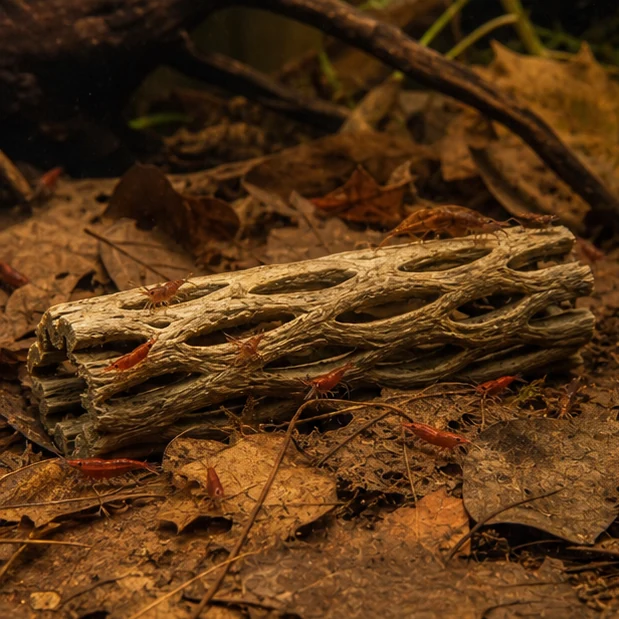
Shrimp grazing on lattice wood
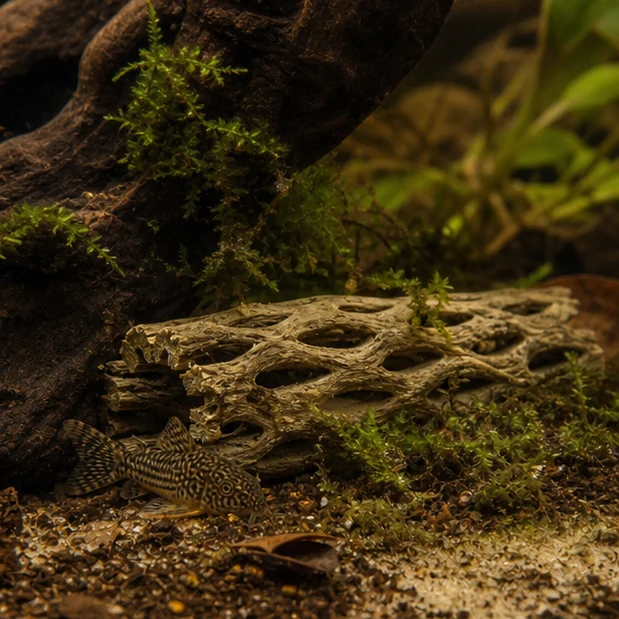
Root shelter with bottom fish
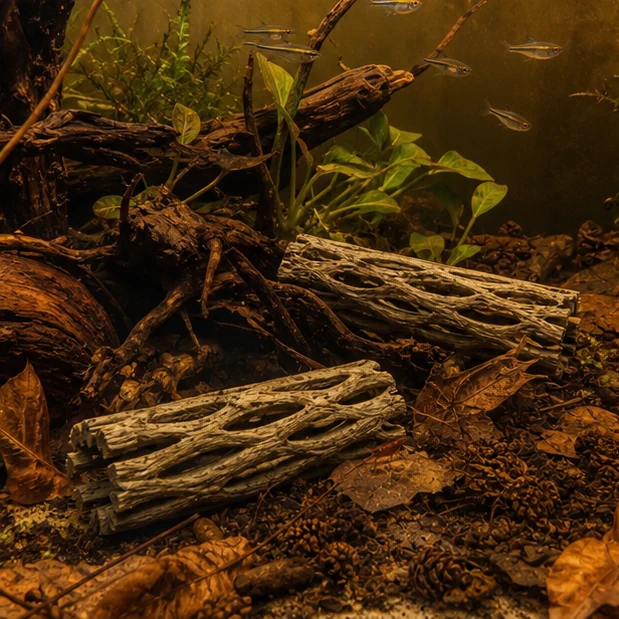
Wide cholla and driftwood scape
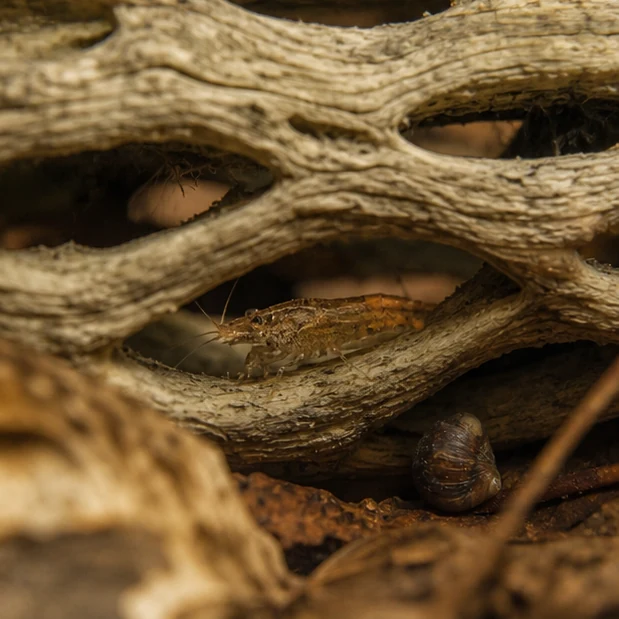
Macro lattice with shrimp and snail
OTHER CUSTOMER ROUTES
Beyond aquarium use, selected dry leaves, pods and woody pieces can also add natural structure, cover and surface complexity to suitable paludarium, vivarium and bioactive setups. Choose materials to suit the scale, moisture level and animals in the enclosure.
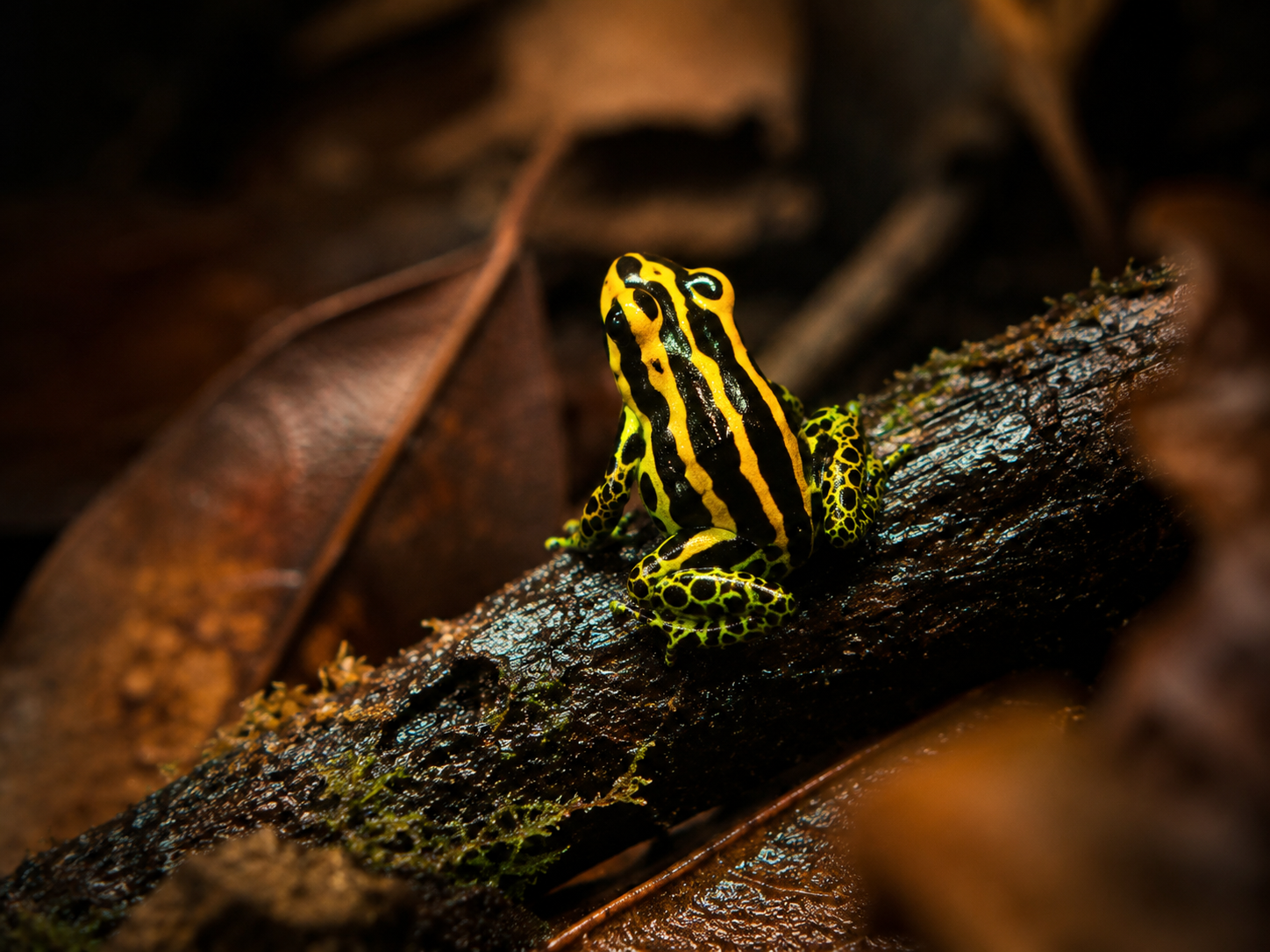
Use suitable leaves, pods and woody pieces through damp margins and transitional areas to connect the aquatic and terrestrial parts of a naturalistic layout.
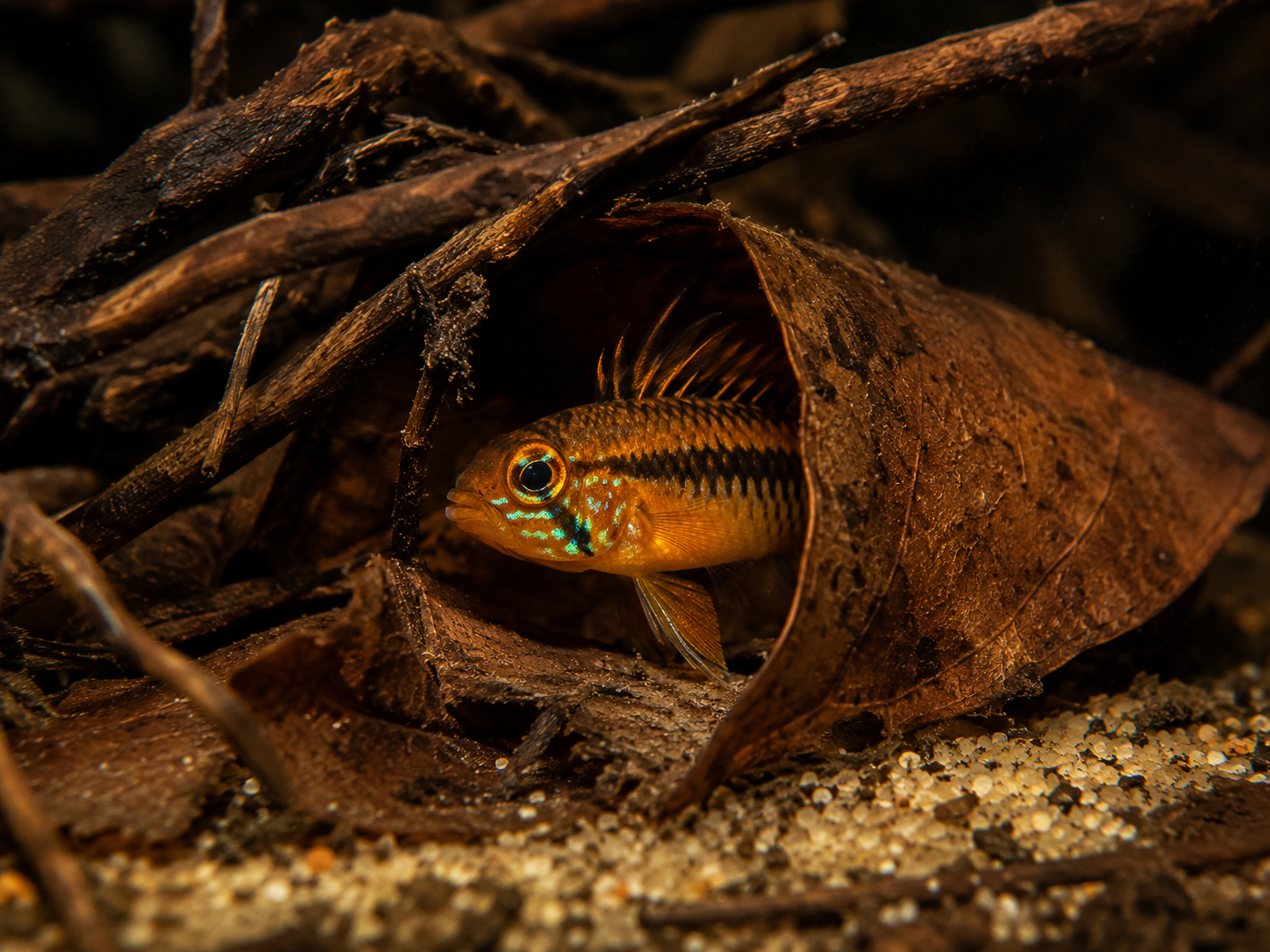
Leaves and suitable harder pieces can form part of the litter and structural layer used around an established bioactive substrate. They are not a complete substrate by themselves.
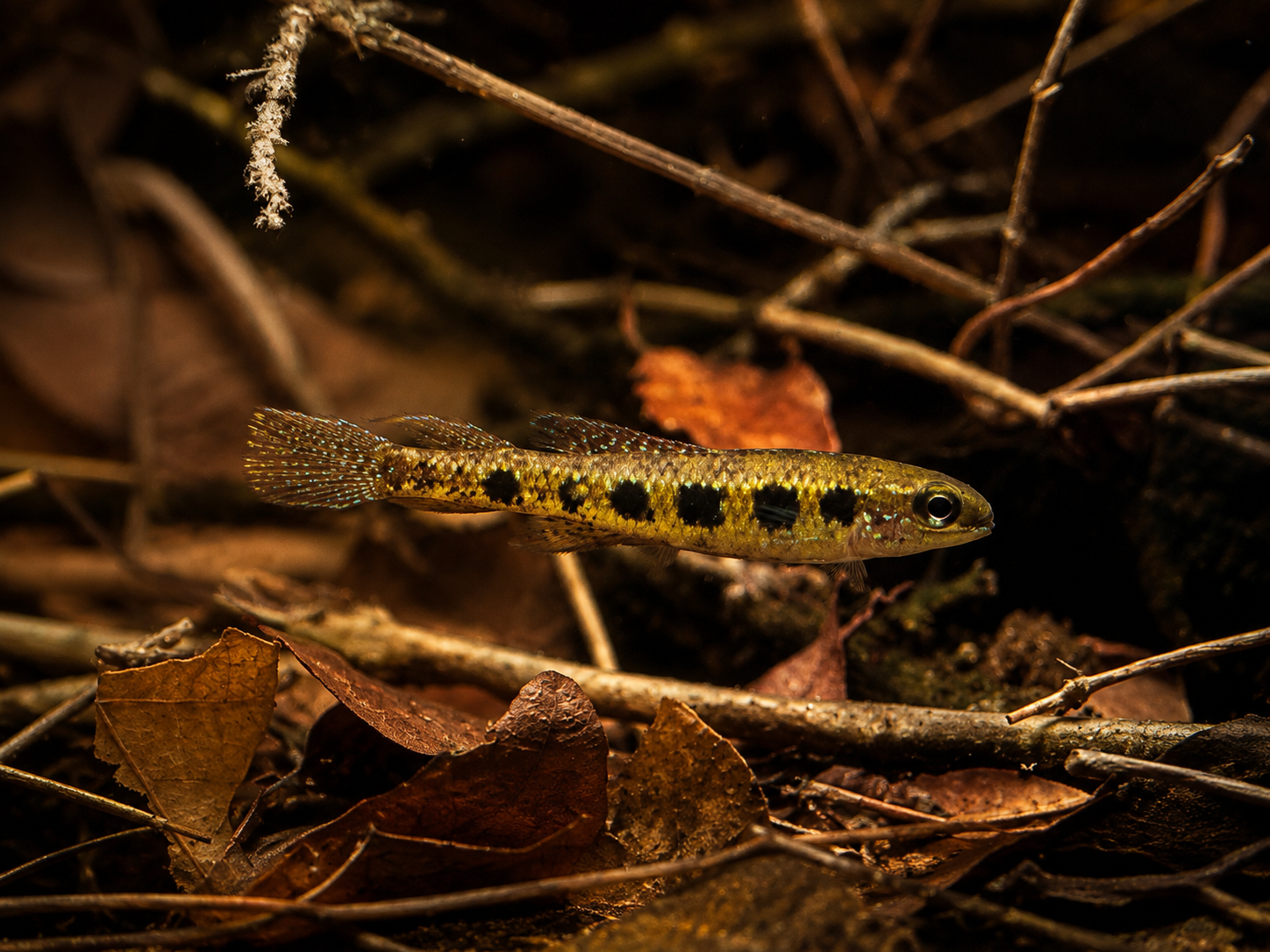
Suitable dry pieces can add natural cover and visual structure around established substrate and planting after scale, edges and species suitability have been checked.
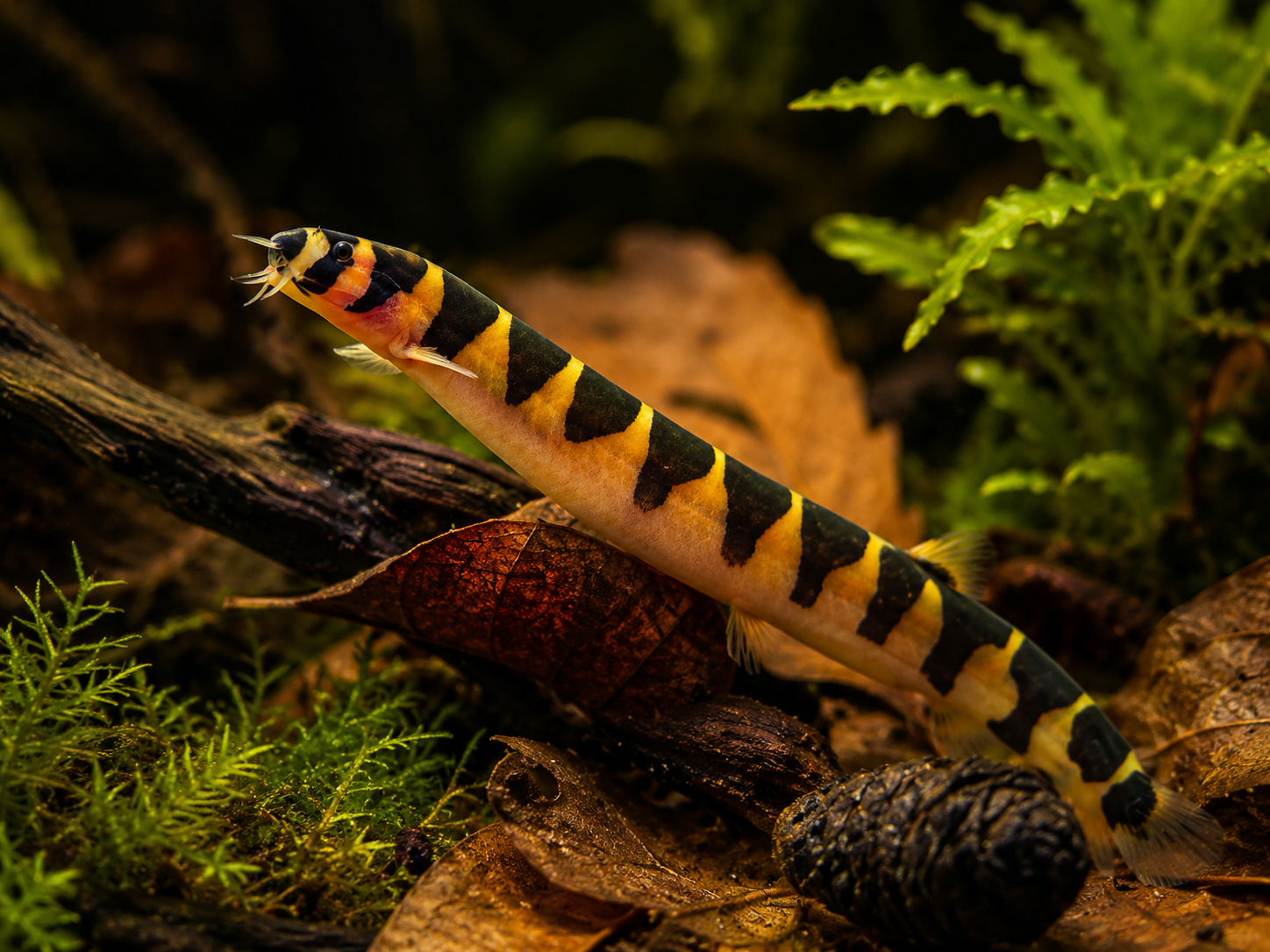
Use suitable natural forms as secondary structure only where scale, edges and the needs of the reptile have been checked.
Good for
Good for Shrimp tanks / Caridina and Neocaridina Shrimplets and fry areas Snail tanks Betta aquariums Pleco and catfish-style natural setups Blackwater and botanical aquariums Leaf-litter style aquascapes Natural display tanks with wood, leaves, cones and pods
LEARN BEFORE YOU ADD
COMPLETE THE ROUTE