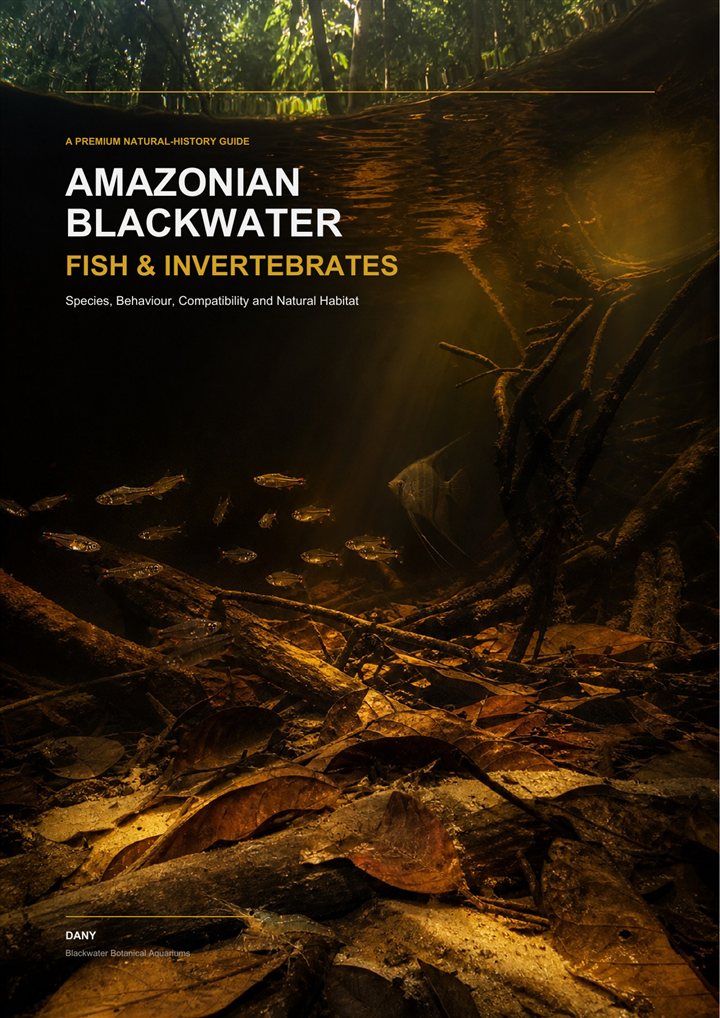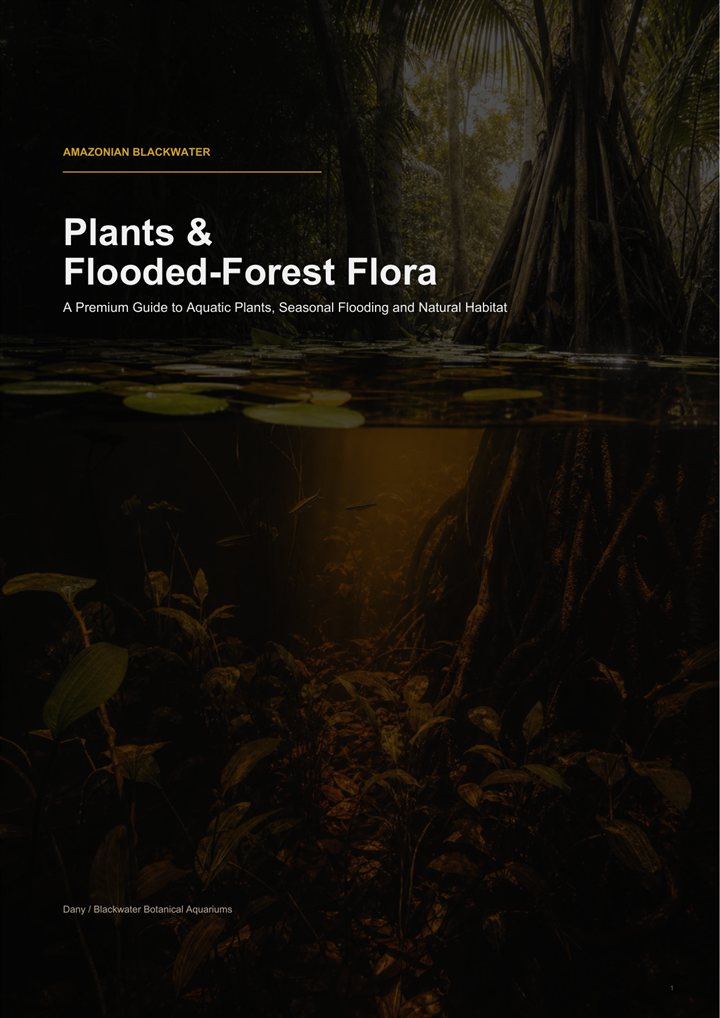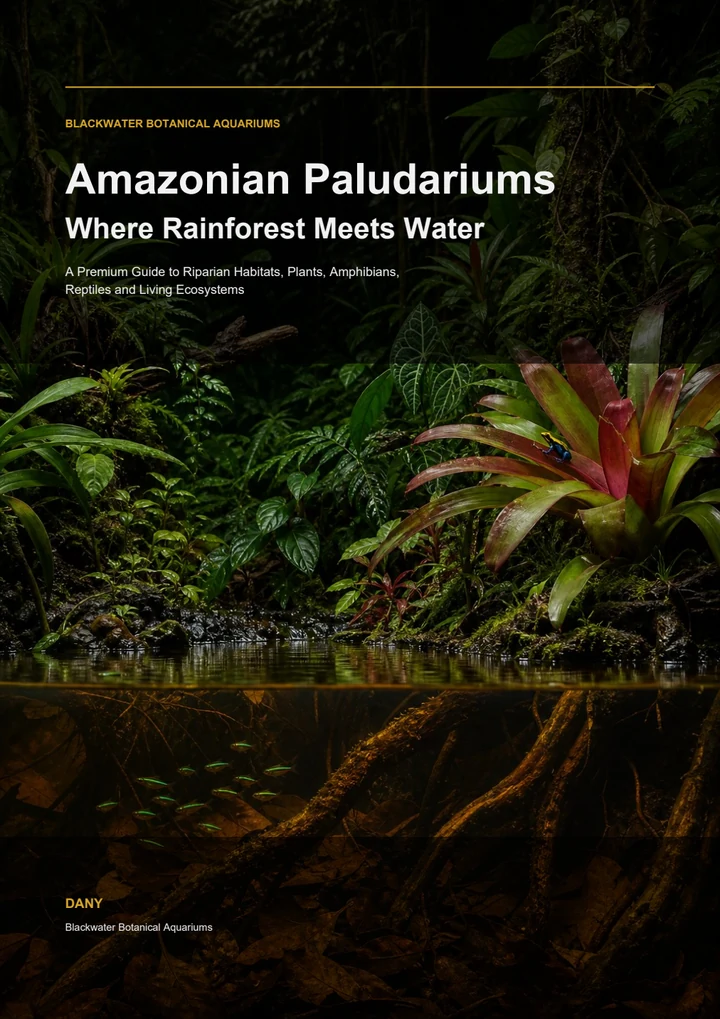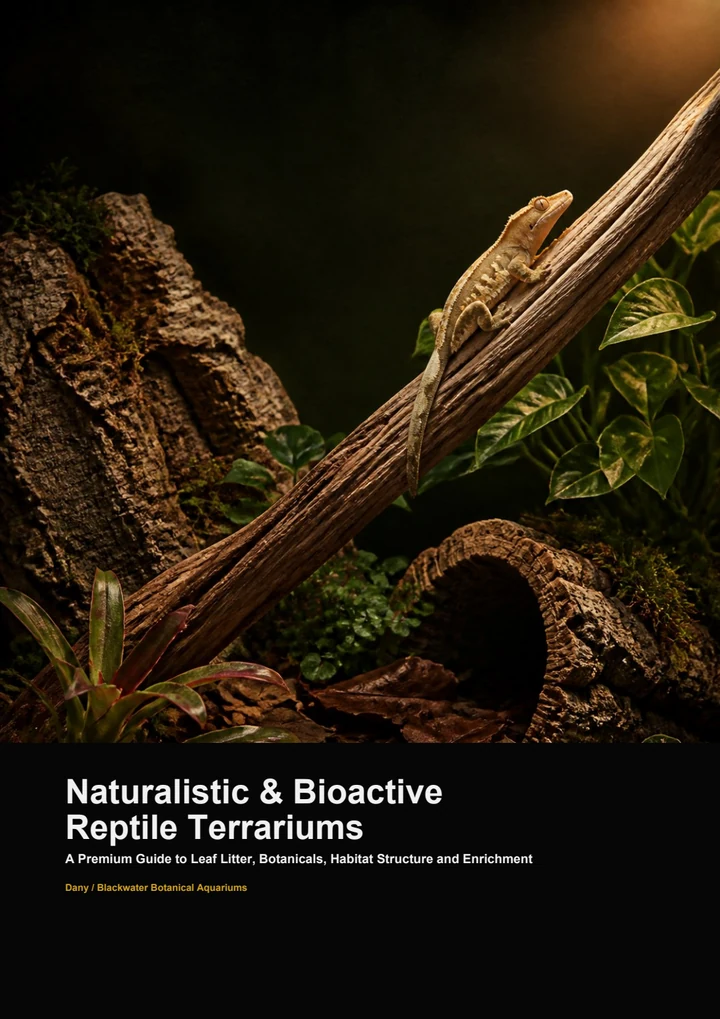
Choose a starter route
Find the safest first path for shrimp, betta, blackwater, pleco or beginner setups.
Learning hub
Learn how to prepare botanicals, add them gradually, understand tannins and avoid the common mistakes that unsettle small aquariums.
Start here
Use the learning hub as a guided route, not a pile of separate articles. Start with the tank goal, learn the method, check normal changes, then move into recommendations.
Find the safest first path for shrimp, betta, blackwater, pleco or beginner setups.
Use the prepare, add gradually and observe rhythm before buying more.
Learn which changes are normal and which signs mean pause or remove material.
Let tank size, livestock and goal narrow the catalogue into safer suggestions.
Explore the full BBA catalogue after the route is clear.
Choose safely by tank type
These quick routes help customers decide whether to start with leaves, shelter pieces, grazing surfaces, root tabs, water support or the Box Finder.
Start with small leaf portions, shrimp biofilm support or a measured starter box. Avoid heavy first additions in new tanks.
Use Box FinderLook for leaves, smaller pods and natural cover. Prepare pieces first and keep open swimming space.
Betta routePods, wood and hardscape can help build territory breaks and grazing surfaces when positioned securely.
Browse categoriesUse smaller portions, avoid oversized pieces and observe livestock and water for 24-72 hours before adding more.
Read the methodChoose leaves, cones and starter boxes gradually. Do not chase instant pH changes or identical tint.
What to ExpectBiofilm can be normal on prepared botanicals, but pause if water fouls, smells wrong or livestock react badly.
Check suitabilityPrepare safely, add gradually, observe livestock and avoid chasing instant water-parameter changes.
Read the methodChoose a safe first path for shrimp, betta, blackwater, pleco, leaf-litter and beginner botanical setups.
Explore routesUnderstand amber water, floating pieces, biofilm, leaf breakdown and when to pause.
Read expectationsHonest guidance for tanks or expectations that are not a good match for botanicals yet.
Read suitability guideWhat blackwater is, what it is not, and why stability beats chasing perfect numbers.
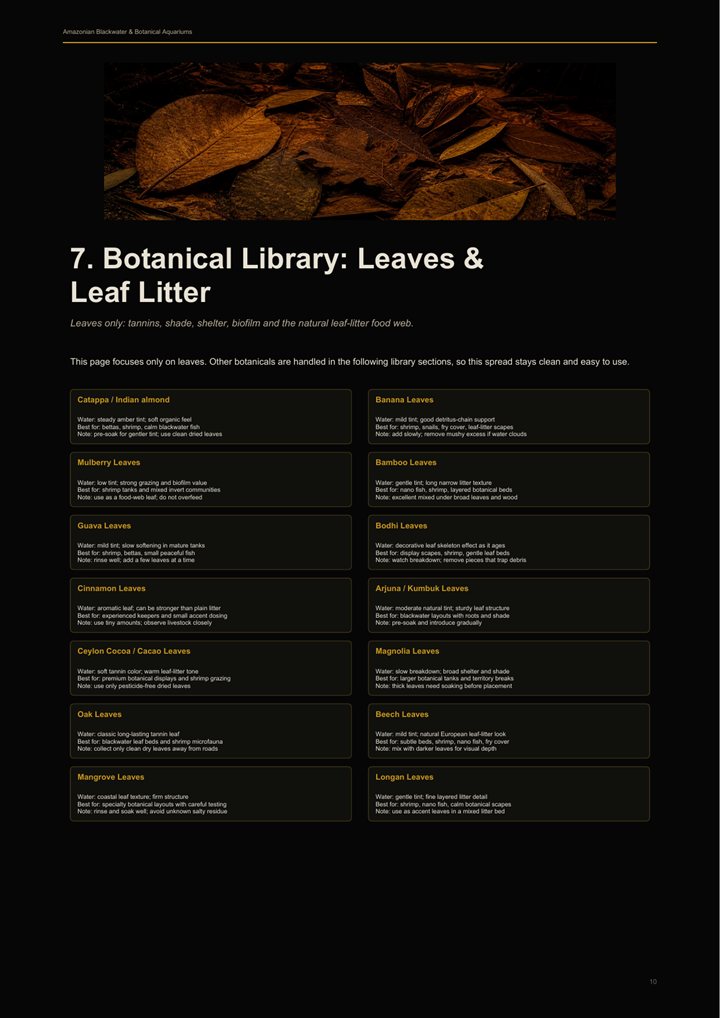
Water effect, best use, livestock fit and notes for each leaf, pod and shelter piece.
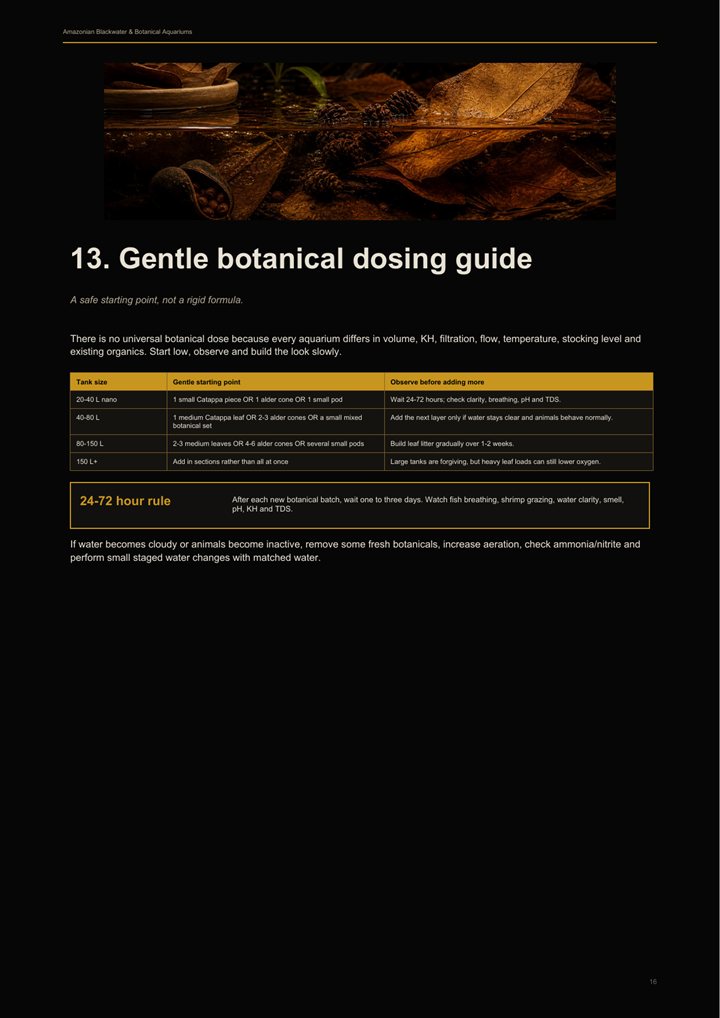
Tank-size starting points, the 24-72 hour rule and what to observe before adding more.
The mouth rule, water rule, temperament rule and soft-water caution notes.
Cloudy water, excess tint, pH swings, algae pressure and low-oxygen behaviour.
Request the free guide for safe preparation, gentle dosing, tannins, maintenance and troubleshooting.
Get the Free GuideArticle cards
Short learning cards help customers choose and use botanicals safely. Full long-form articles can be expanded later.
When to use Indian Almond leaves, how to prepare them, and why natural leaf size, colour and breakdown can vary.
A gentle leaf-litter option for grazing surfaces and natural cover, added slowly with normal water testing and observation.
How larger sculptural pods can add structure, grazing surface and visual depth without overloading small aquariums.
What to expect from natural pod pieces, preparation, floating time and gradual placement in blackwater layouts.
Why pale growth can appear on new botanicals, when it is usually normal, and when to remove material that smells wrong or clouds water badly.
Why leaves and pods may float at first, how soaking helps, and why floating alone is not a sign that a product is unsafe.
Keep the first additions small, avoid sudden organic loading and observe shrimp behaviour, oxygen and water clarity for 24-72 hours.
Slow down additions, increase water changes if needed and use carbon only as a control tool when the tint becomes too strong.
Free guide proof
The guide and preparation notes support safe botanical use: rinse or steep where appropriate, add gradually, then observe livestock and water before adding more.
Guidance is general aquarium husbandry support only. It is not veterinary or medical diagnosis.