Tannin level is not a pH guarantee.
Amber tint and water response vary by source water, buffering, filtration, quantity and aquarium biology. Do not chase instant pH changes.
Botanical Library
Learn what each botanical type is best for before adding it to your tank. BBA guidance is safety-first, gradual and honest: prepare pieces, add slowly and observe livestock and water for 24-72 hours.
Safety-first library
This library explains leaves, pods, cones, shelter pieces, starter boxes, biofilm support and blackwater sachets using BBA metadata. For two practical examples, compare Dried Beech Leaves as a simple leaf-litter route with the Buddha Nut Blackwater Botanical Box as a ready-made structure and shelter route.
Before choosing botanicals
These notes keep the library useful without making miracle claims. Natural botanicals can support a setup, but stable livestock and careful use come first.
Amber tint and water response vary by source water, buffering, filtration, quantity and aquarium biology. Do not chase instant pH changes.
Smaller tanks can react quickly. Start with less material, keep oxygen and water clarity in mind, and pause if livestock behaviour changes.
Rinse, steep or boil where appropriate, add in stages and observe livestock, smell, clarity and water behaviour for 24-72 hours.
Botanicals are not veterinary medicine and are not a substitute for diagnosing disease, water-quality problems or emergency livestock stress.
Quick route by aquarium
Use these routes to move from aquarium needs to practical BBA guidance and suitable products.
Start with small portions, low to moderate organic load and products with shrimp suitability notes.
Shrimp Botanicals GuideBrowse Shrimp ProductsLeaves, gentle pods and sachets can suit a natural-looking betta route when added gradually.
Starter RoutesPods, bark, wood-style pieces and structure can help create cover and grazing interest when placed safely.
Pods & Wood GuideUse smaller pieces or portions and avoid heavy first additions in young or soft-water systems.
BBA MethodChoose tannin sources gradually and expect natural colour variation rather than identical results.
What to ExpectUse Starter Routes or Box Finder first if you are unsure which botanical role fits your aquarium.
Use Box FinderBotanical library
Use the guides below to compare botanical roles and preparation notes, then open a product page for current options, prices and availability.
Library category
Curated starting routes for customers who want guided selection rather than building from scratch.
9 metadata-covered product families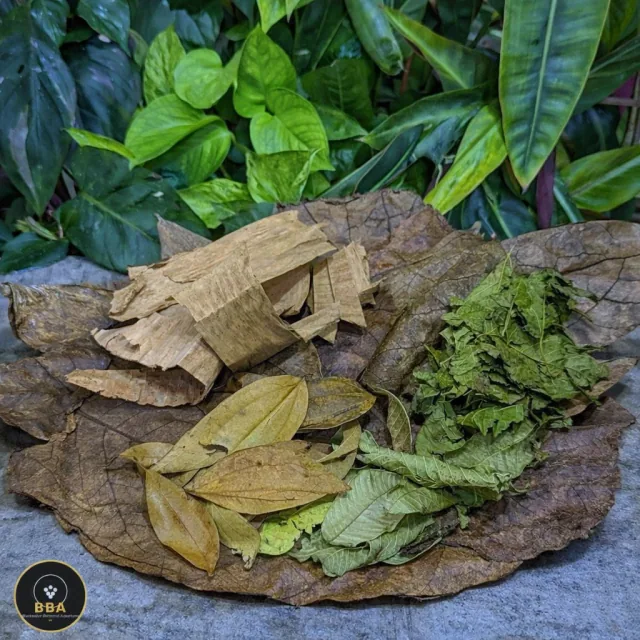
leaf-litter starting route; mixed leaf texture
Use only a small portion of the box, not the full mix.
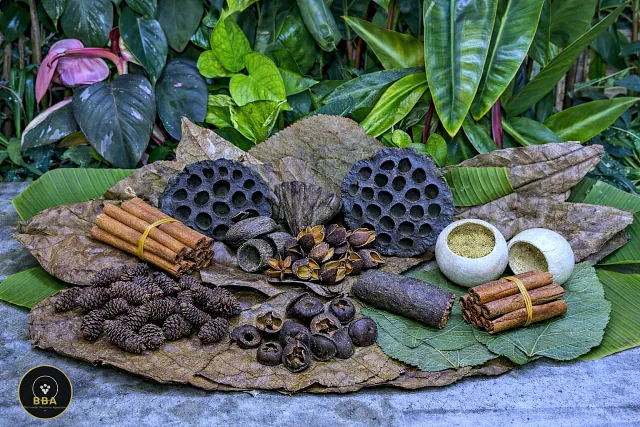
larger established aquariums; mixed structure and tannins
Not recommended as a full route for nano tanks.
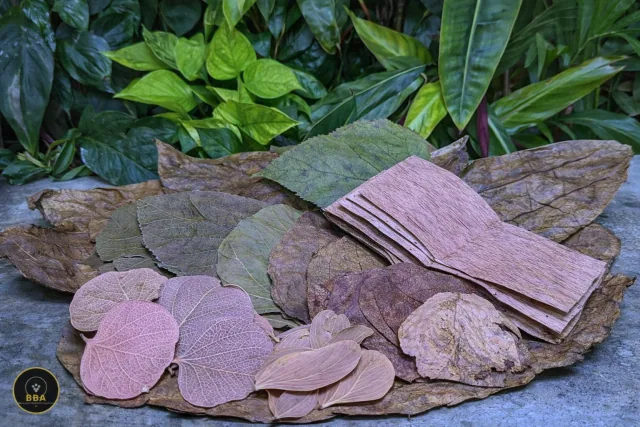
mixed leaf-litter route; biofilm and grazing variety
Use only the smallest selected pieces if the route is suitable for nano tanks.
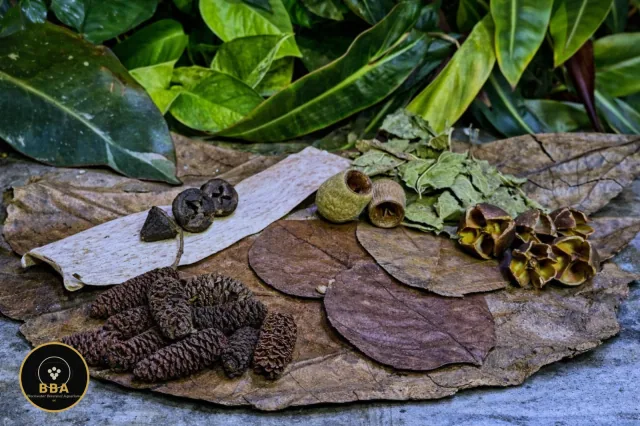
small aquarium starting point; gentle botanical introduction
Do not add the whole box at once. Start with one or two small items.
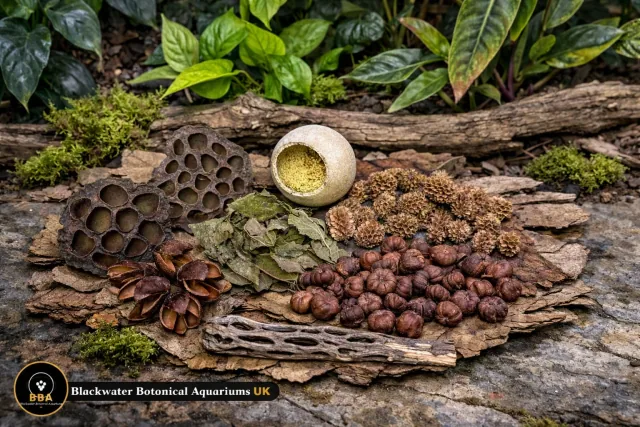
shrimp grazing surfaces; biofilm route
Start with one small piece or a very small portion.
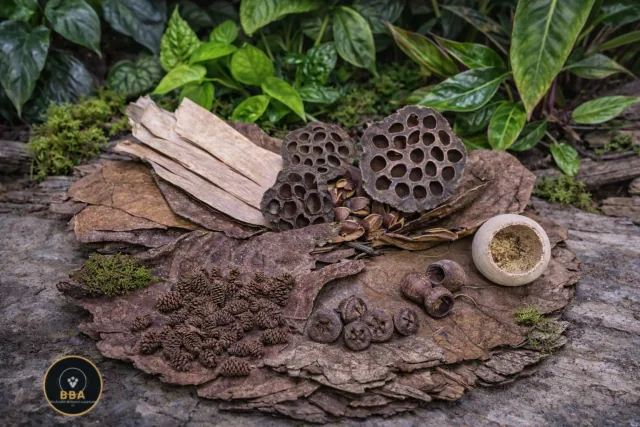
established shrimp colony route; leaf litter and grazing variety
Not recommended as a full route for nano tanks.
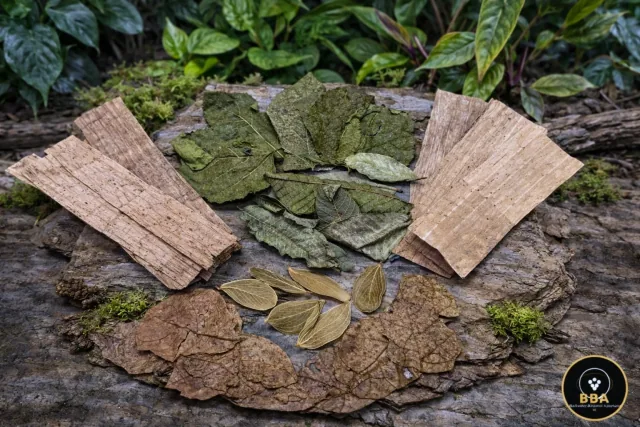
small shrimp grazing route; gentle leaf-litter introduction
Start with one small prepared piece and observe shrimp closely.
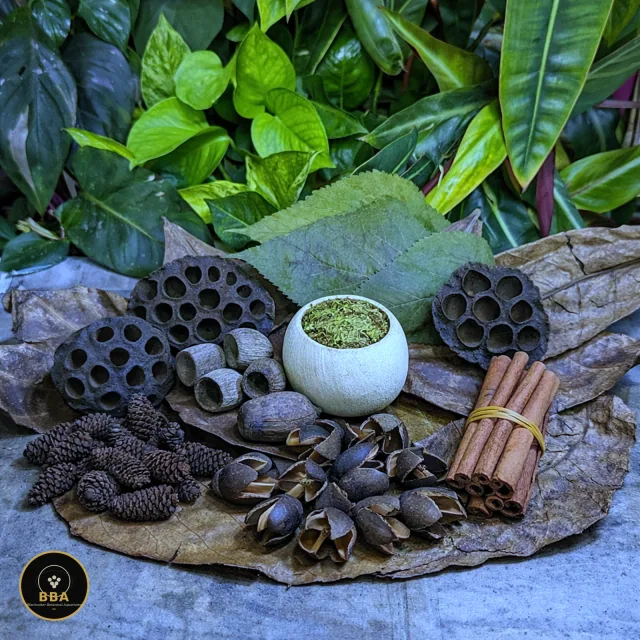
small blackwater route; starter botanical mix
Use only a small part of the box if the tank is below the intended size.
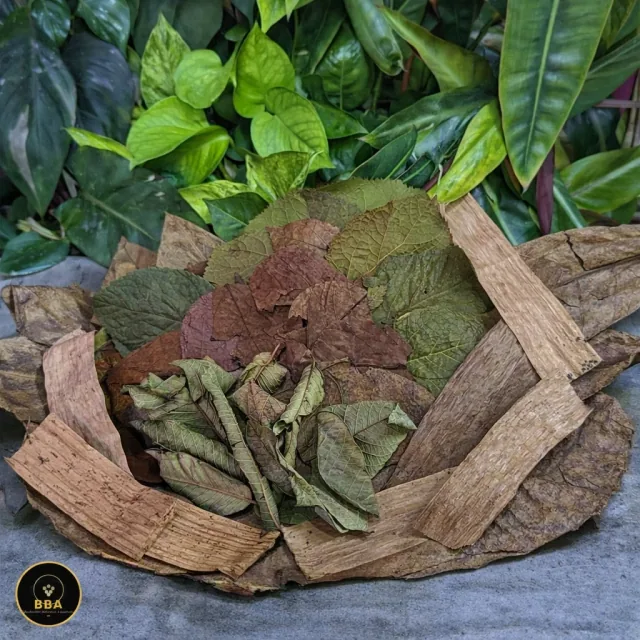
snail grazing variety; leaf-litter buffet route
Use only the smallest selected pieces if the route is suitable for nano tanks.
Library category
Measured blackwater-style support where a sachet or tea-bag format fits the aquarium plan.
2 metadata-covered product families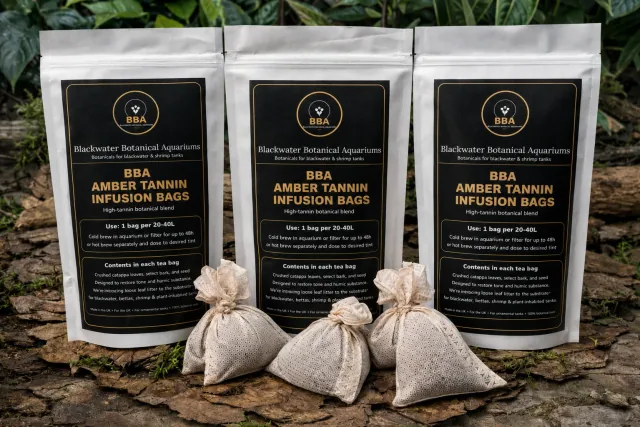
controlled blackwater tint; betta-style soft amber look
Start with one small sachet only if the tank is stable and observe closely.
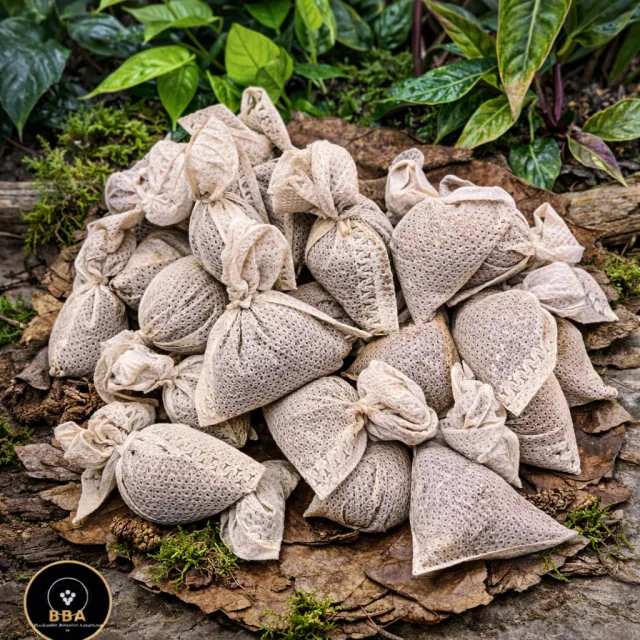
slow-release grazing support; shrimp and snail surface interest
Start with one small sachet only if appropriate for the tank.
Library category
Leaf litter, grazing surfaces and gentle natural breakdown for prepared botanical aquariums.
16 metadata-covered product families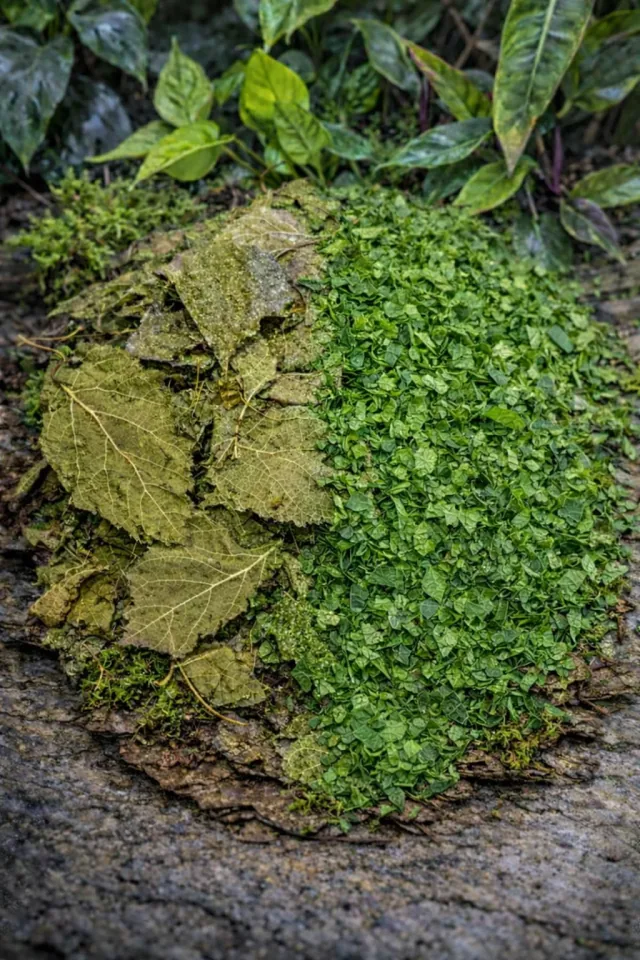
small feeding-style leaf portions; shrimp and snail grazing
Start with a tiny pinch or one small piece only.
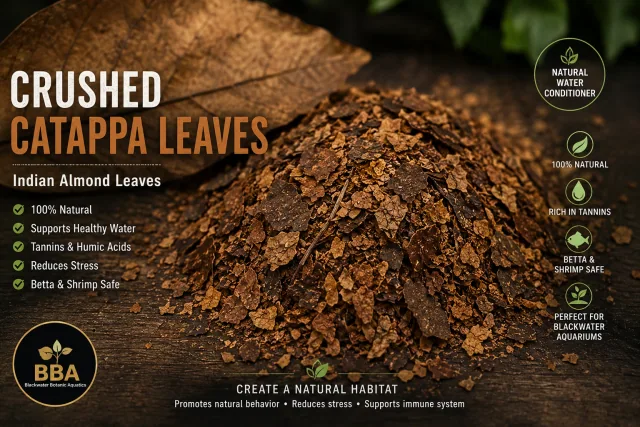
measured leaf-litter portions; shrimp grazing
Start with a small pinch or a few pieces only.
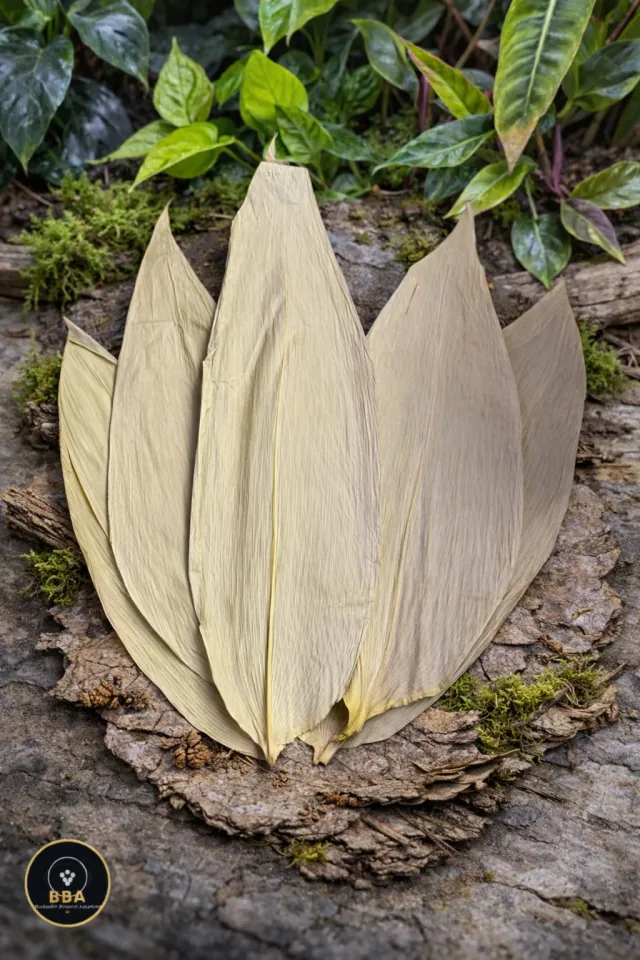
narrow leaf texture; light botanical litter
Start with part of a leaf or one small leaf, then observe.
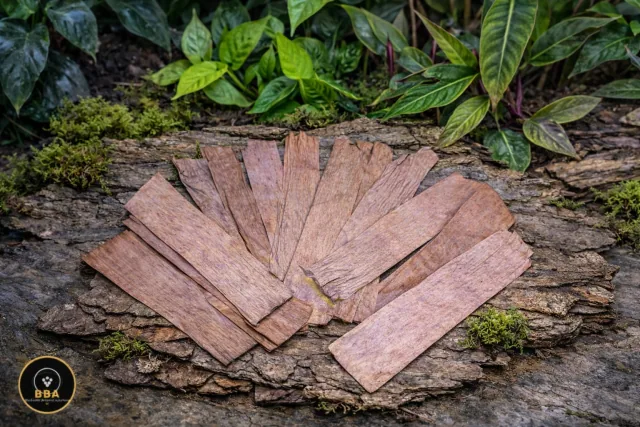
soft leaf pieces; shrimp grazing
Start with a small piece only.
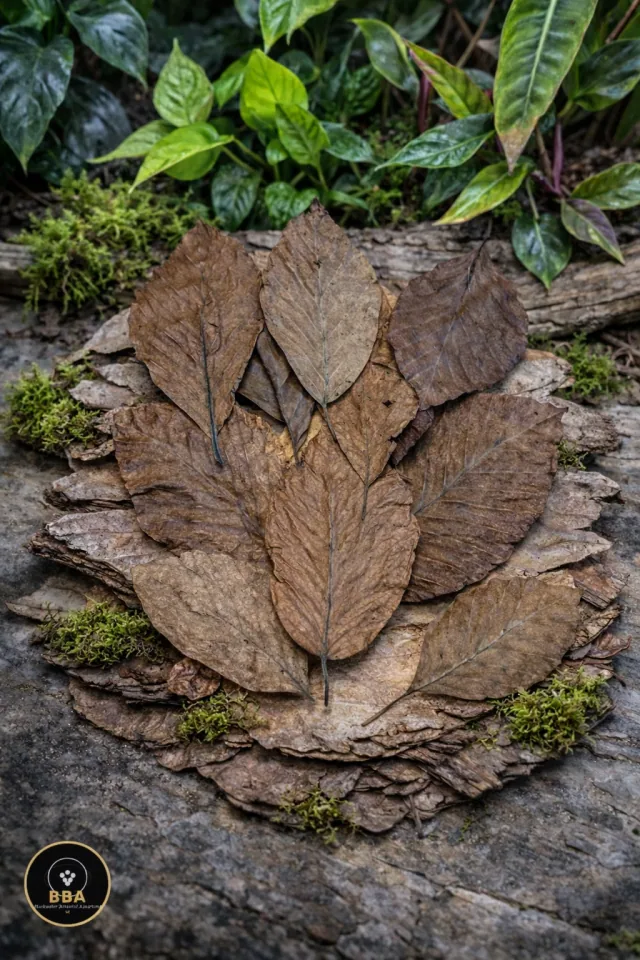
natural temperate leaf-litter look; slow visual layering
Start with part of a leaf or one small leaf, then observe.
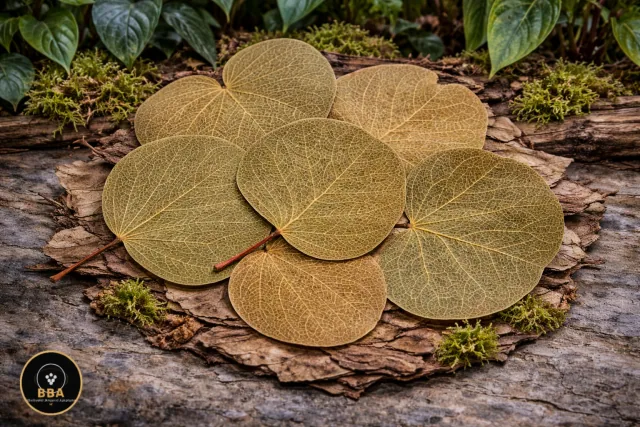
decorative leaf-litter shape; gentle grazing surface
Start with part of a leaf or one small leaf, then observe.
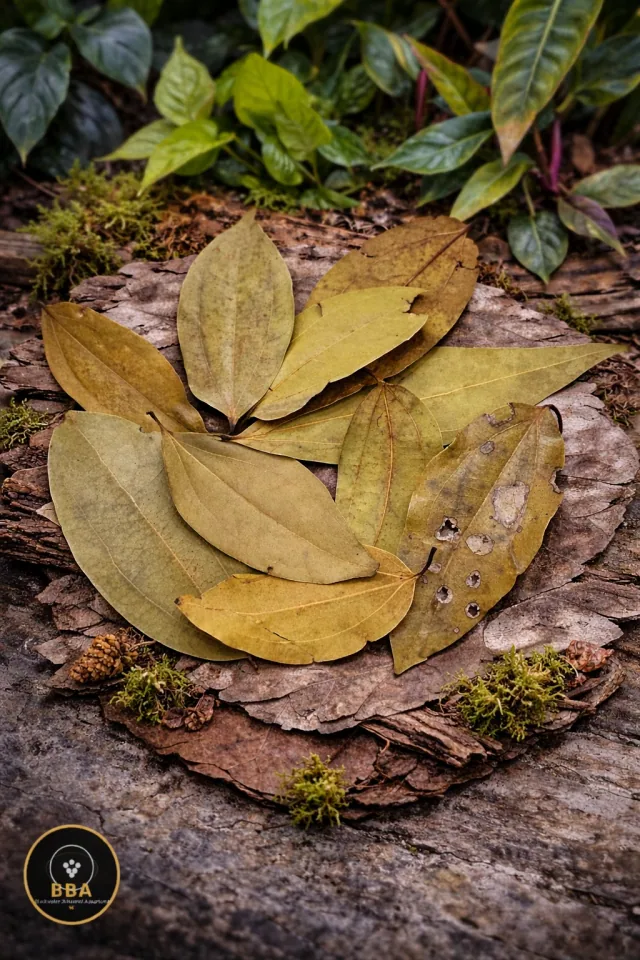
aromatic-style botanical leaf litter; warm natural leaf texture
Start with a very small piece only, or choose a milder starter leaf first.
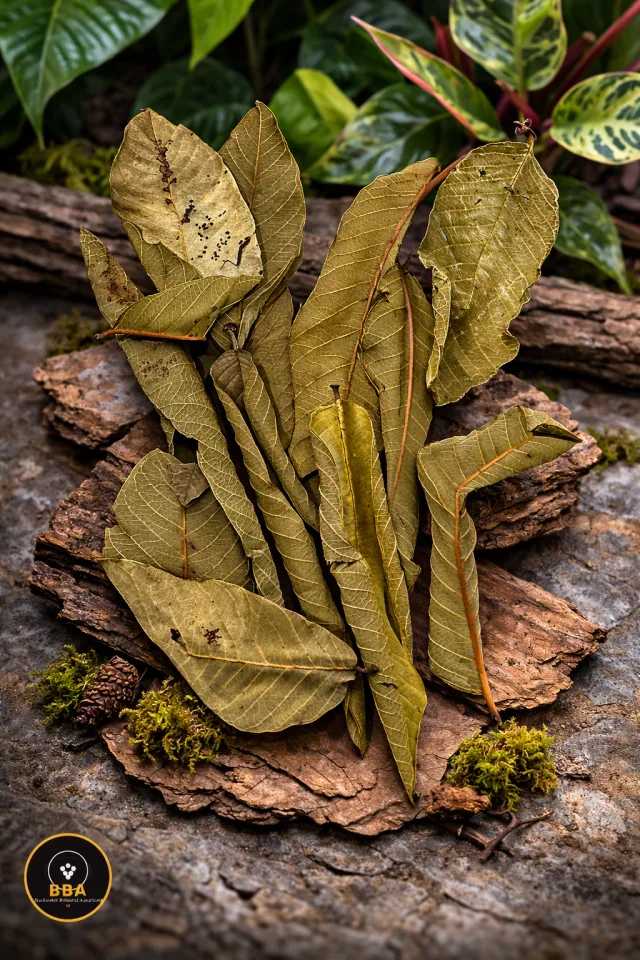
leaf-litter texture; shrimp and snail grazing
Start with part of a leaf or one small leaf.
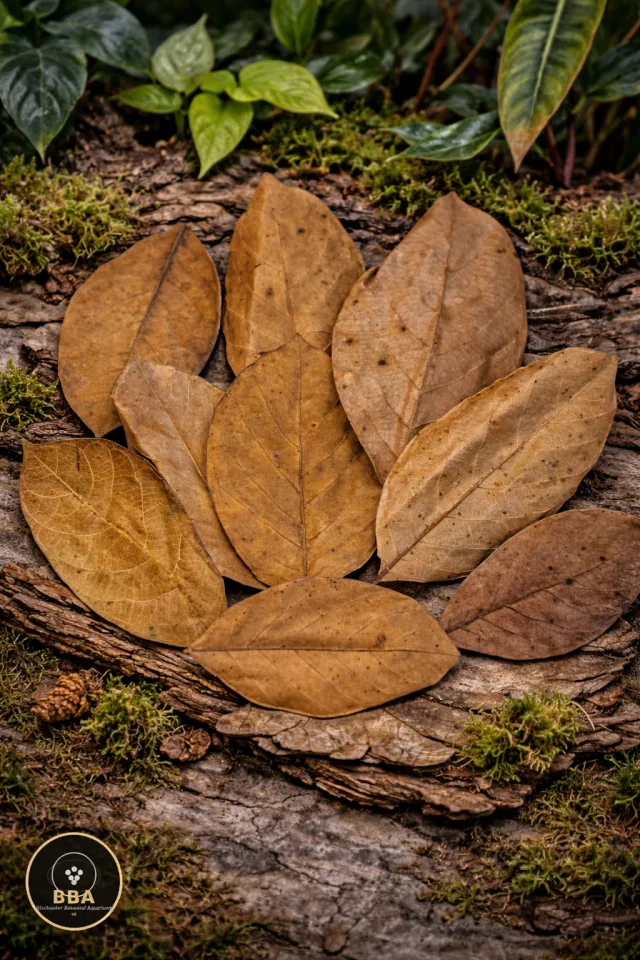
larger leaf texture; natural cover
Use only a small piece if the leaf is physically suitable.
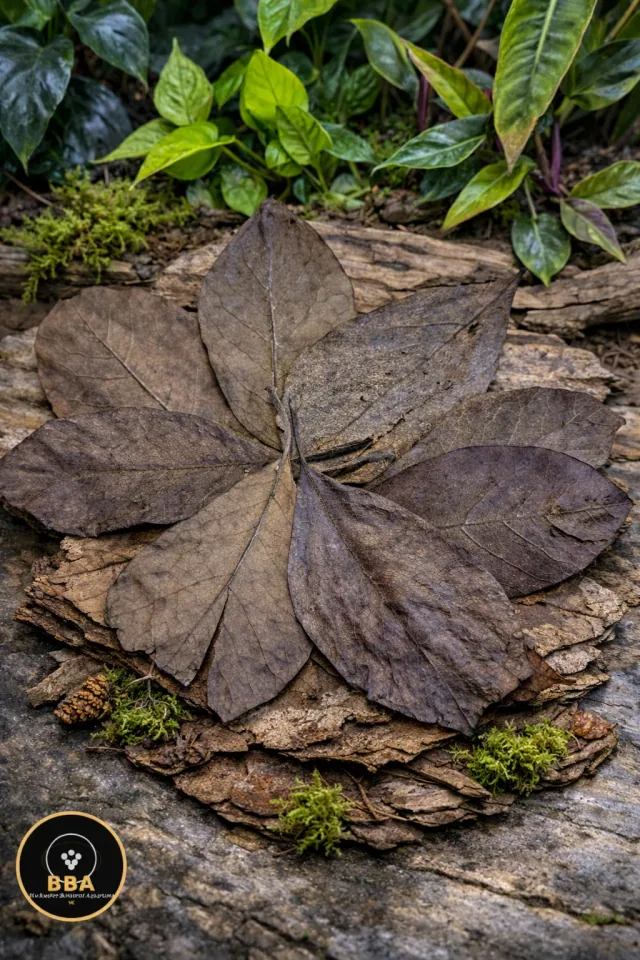
large statement leaves; shelter-like leaf surfaces
Usually too large as a first choice; use smaller leaves instead.
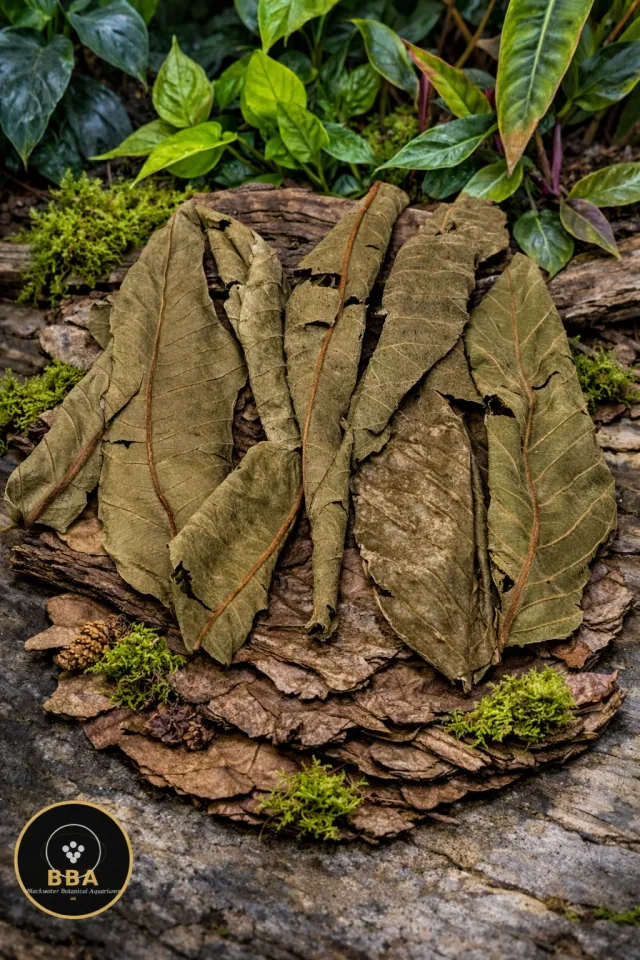
mixed tropical leaf litter; gentle tint and grazing surface
Start with part of a leaf or one small leaf, then observe.
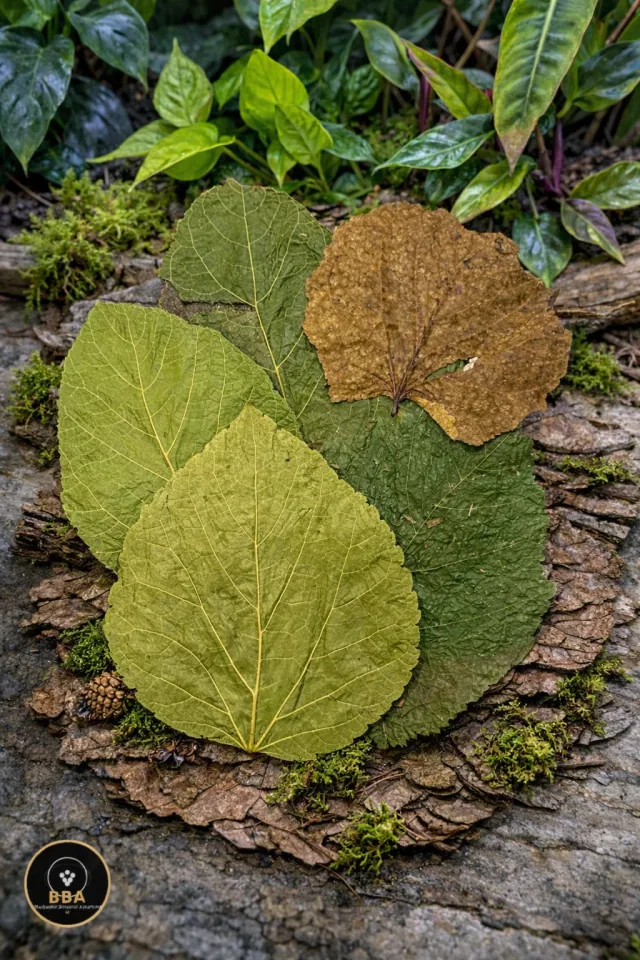
shrimp grazing; leaf-litter feeding surface
Start with part of one leaf or one small leaf.
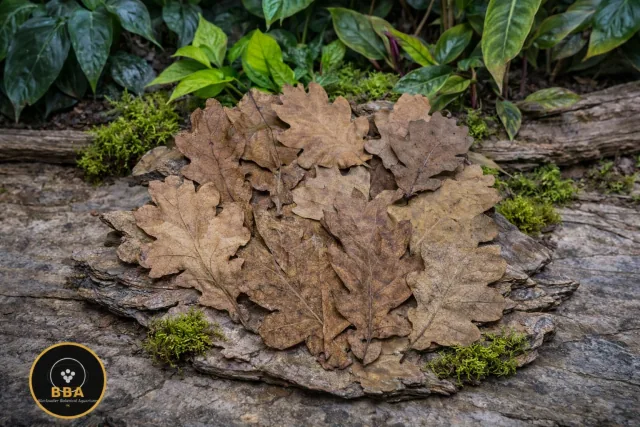
classic natural leaf litter; slow visual breakdown
Start with a small leaf or part leaf.
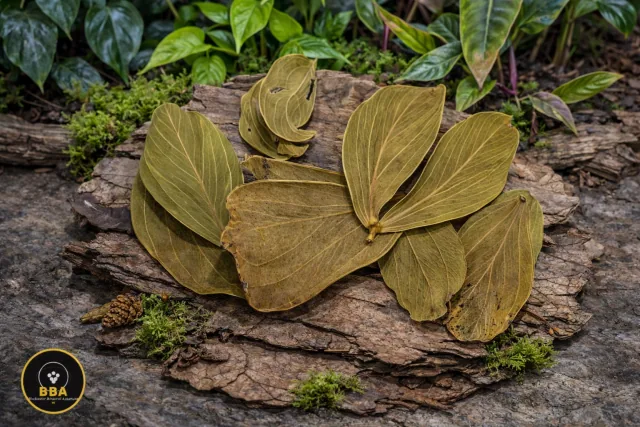
classic Catappa-style leaf litter; warm amber blackwater look
Start with part of a leaf or one small leaf, then observe.
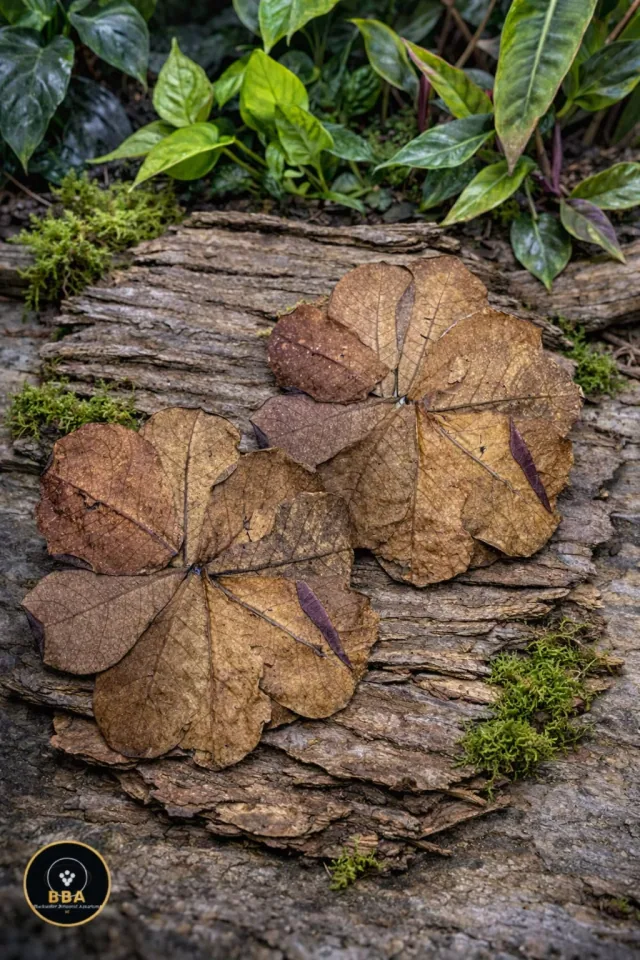
classic leaf litter; gentle blackwater tint
Start with a small leaf or part leaf, then observe.
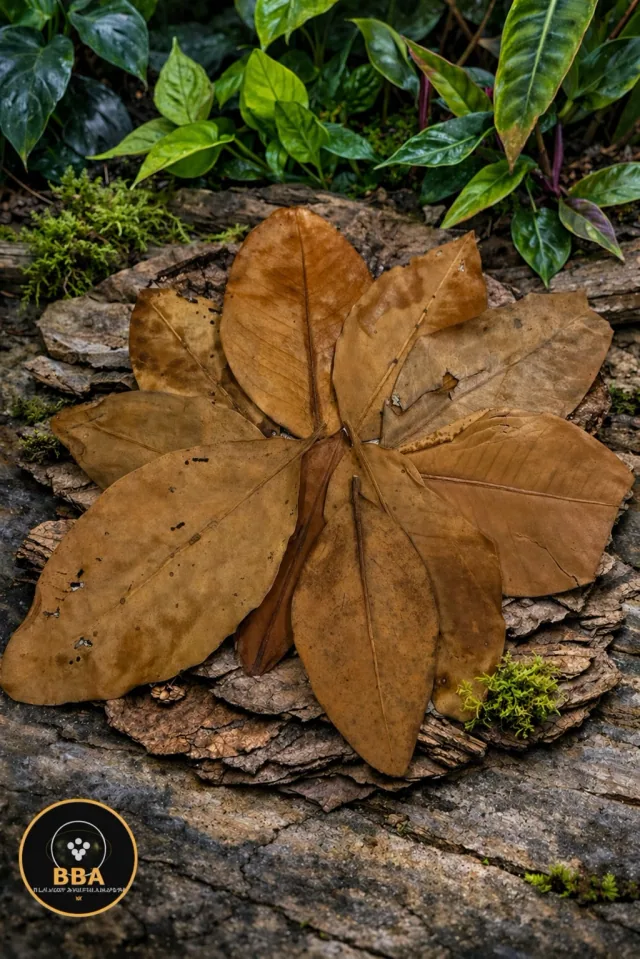
durable-looking leaf litter; coastal/mangrove-style botanical theme
Start with part of a leaf or one small leaf, then observe.
Library category
Natural structure, hiding places, territory breaks and biofilm surfaces.
16 metadata-covered product families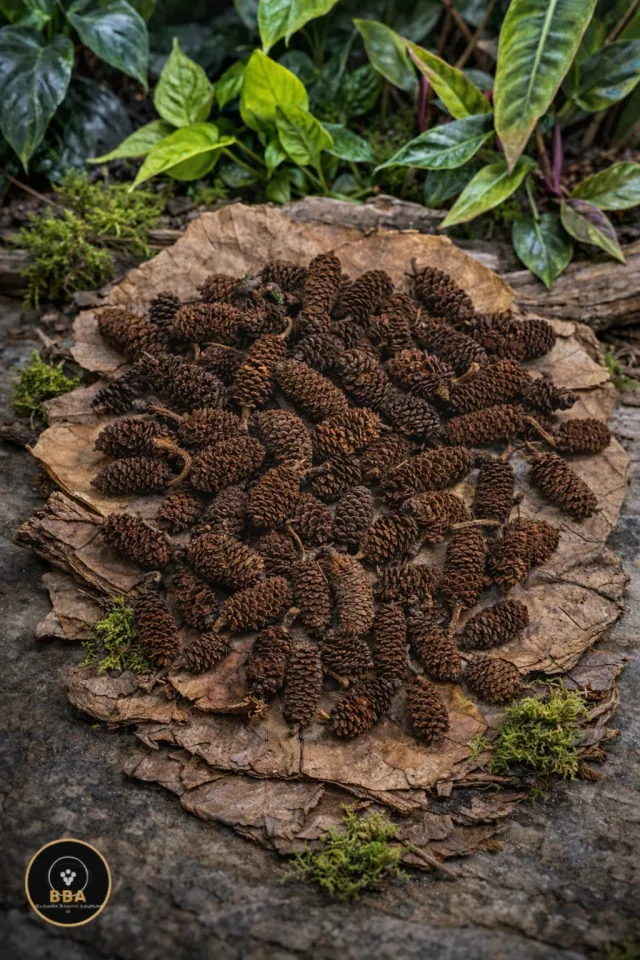
small botanical detail; gentle tannin support
Start with one or two cones, then observe.
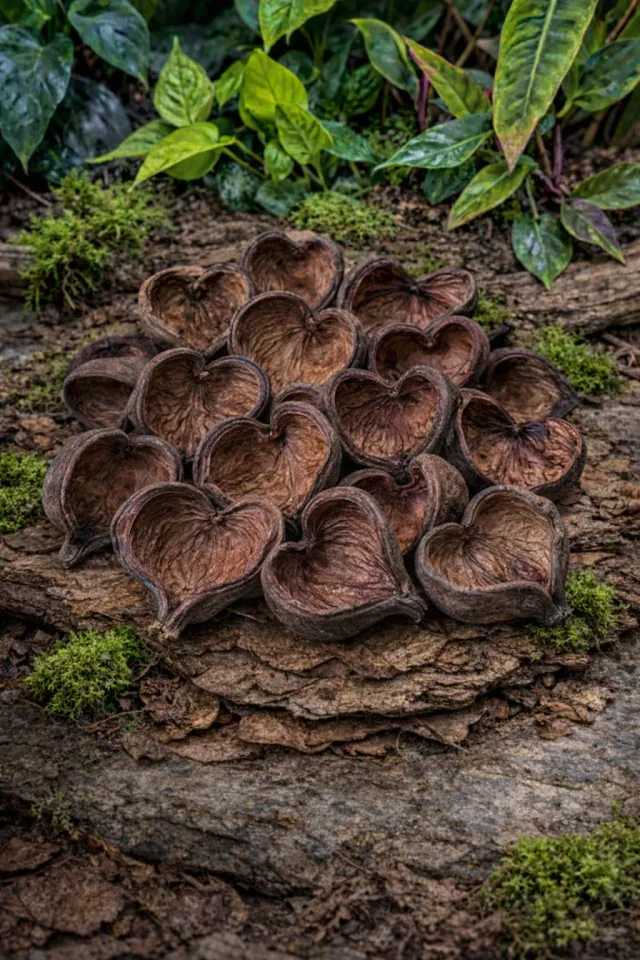
small-to-medium pod texture; blackwater detail
Usually choose smaller botanicals first; use only if the piece physically suits the tank.
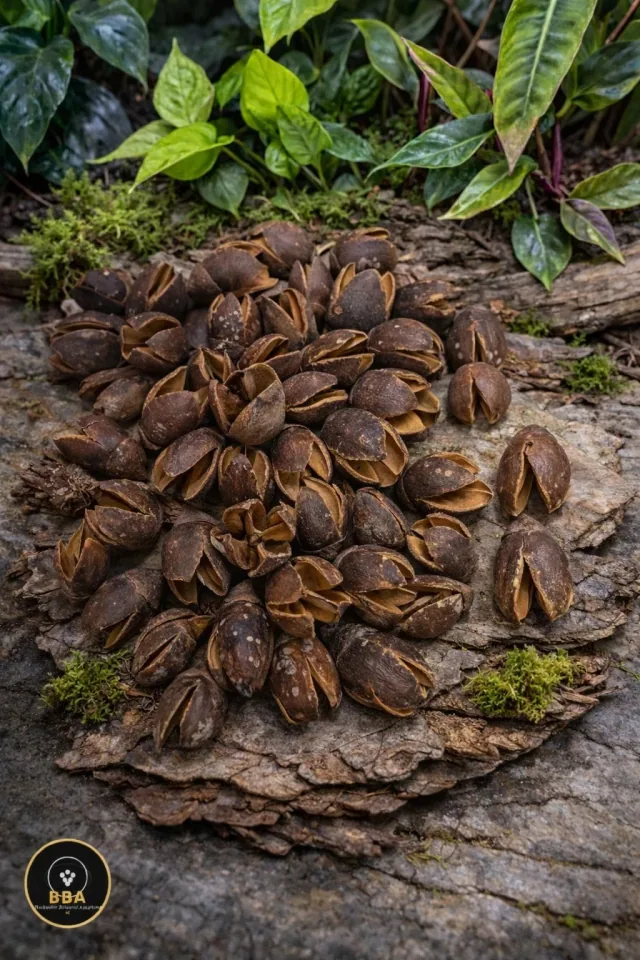
small structure; natural shelter detail
Usually choose only one small piece if it physically fits.
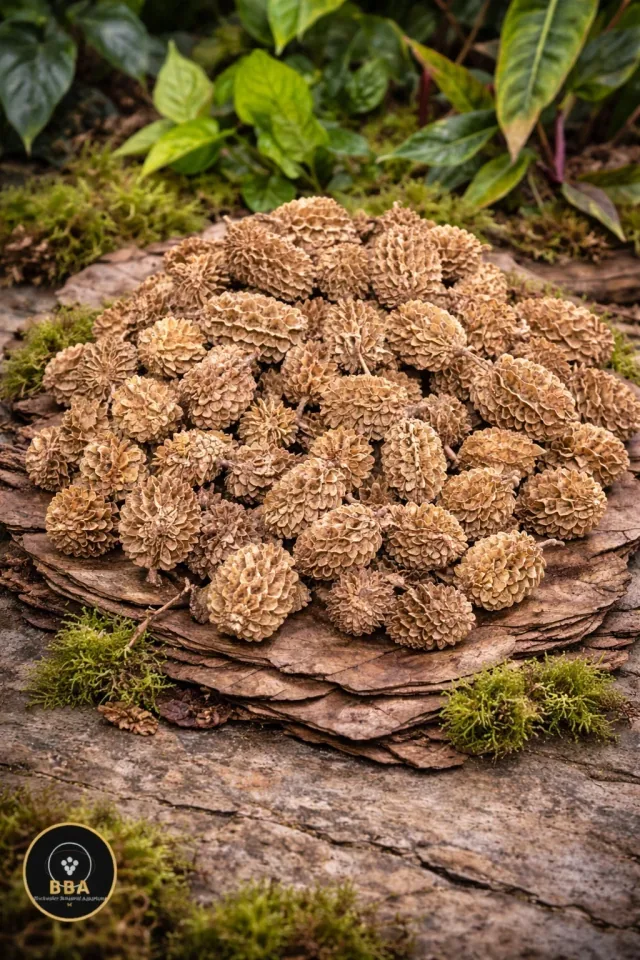
small cone detail; shrimp grazing points
Start with one or two cones only.
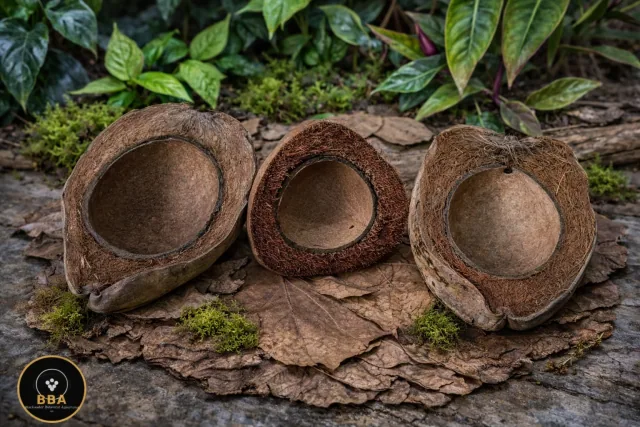
natural cave shape; shelter
Usually avoid unless the cup is physically suitable and open.
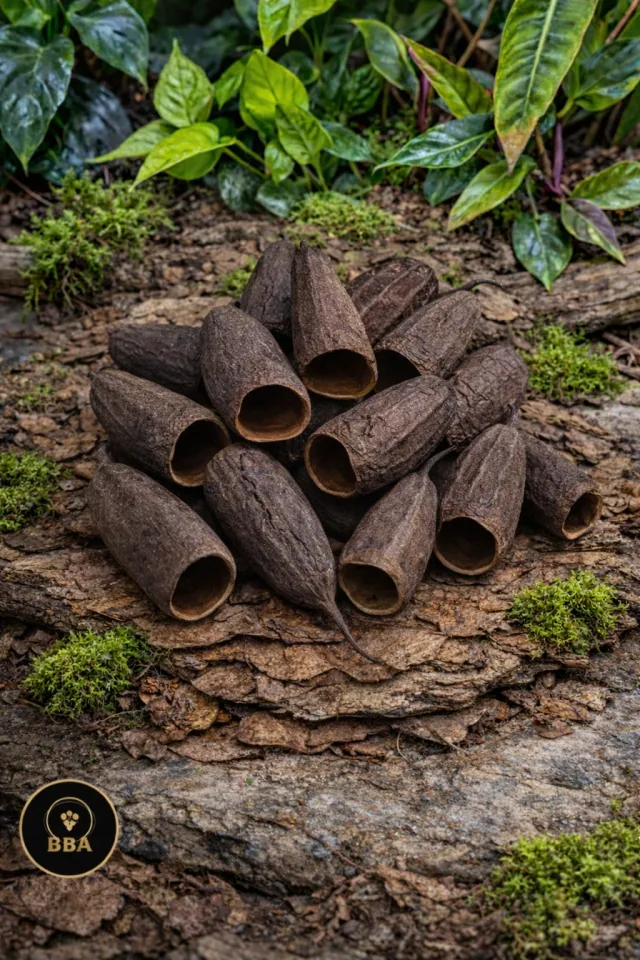
tube-like shelter; catfish and shrimp cover
Usually choose smaller botanicals first; use only if the piece physically suits the tank.
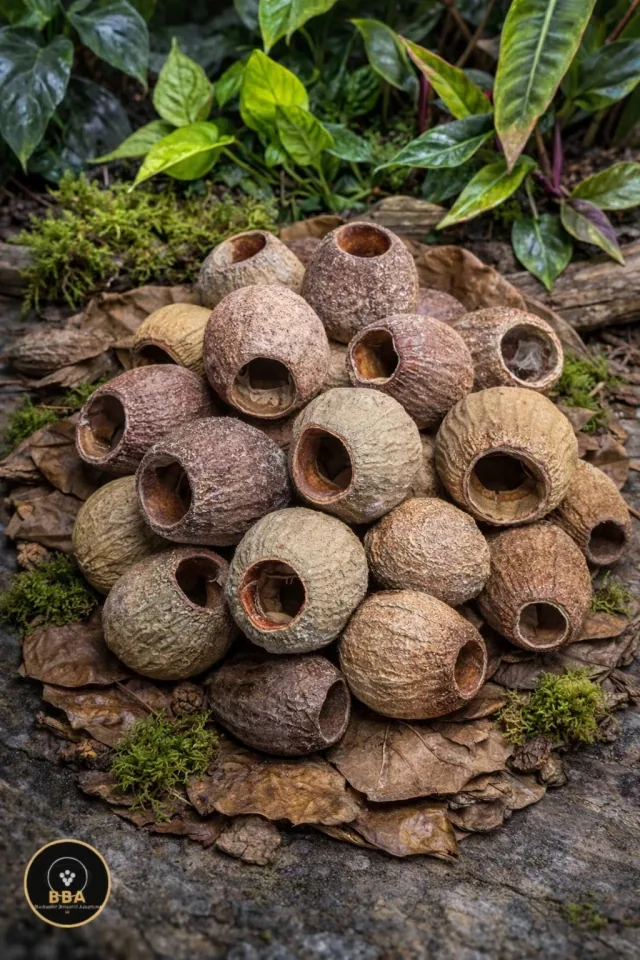
small pod detail; texture in botanical layouts
Start with one or two small pods.
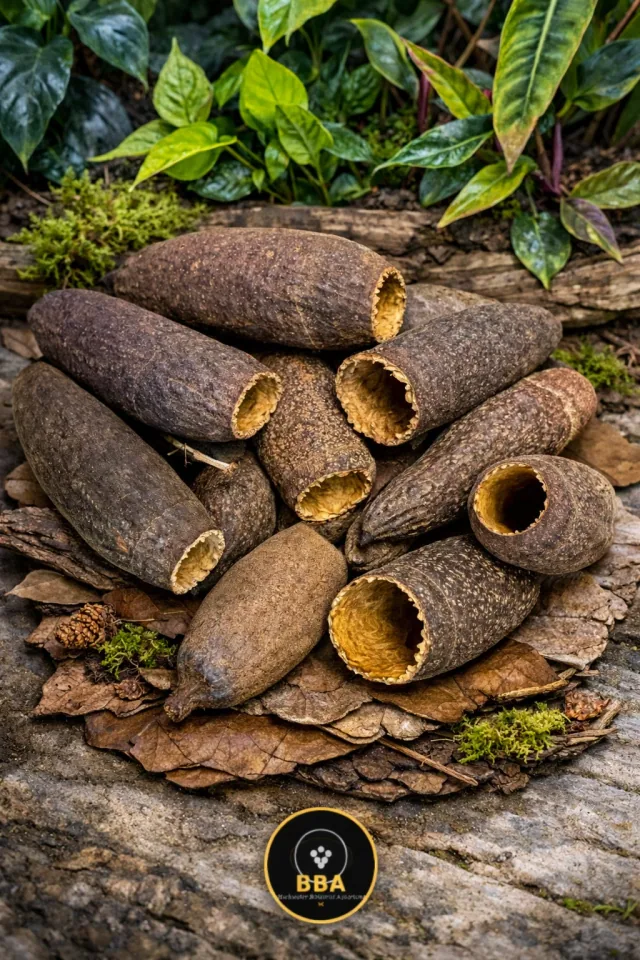
statement pod structure; micro-shelter texture
Usually avoid unless a very small piece physically fits.
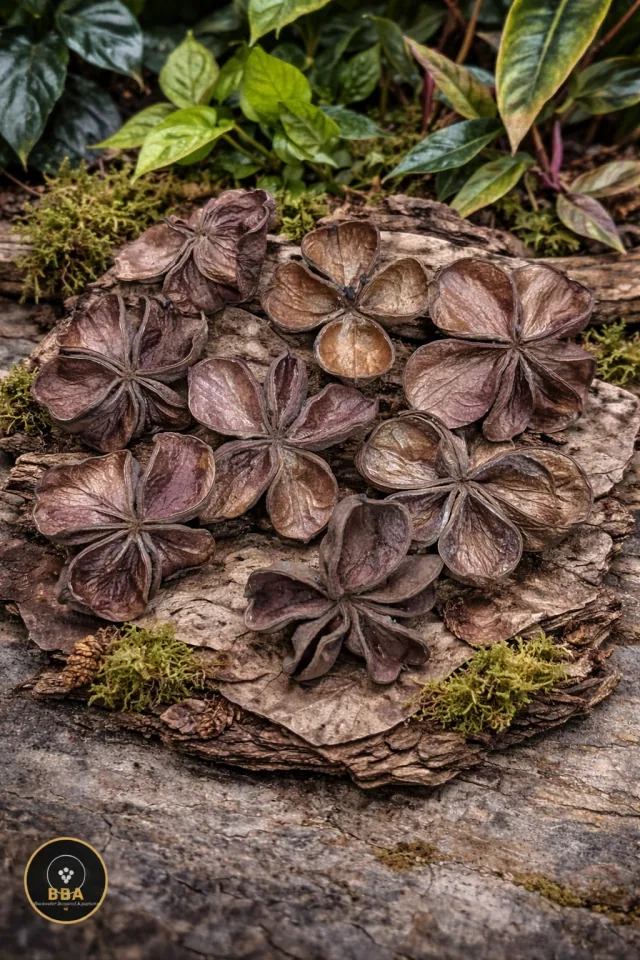
statement pod shape; blackwater structure
Usually choose smaller botanicals first; use only if the piece physically suits the tank.
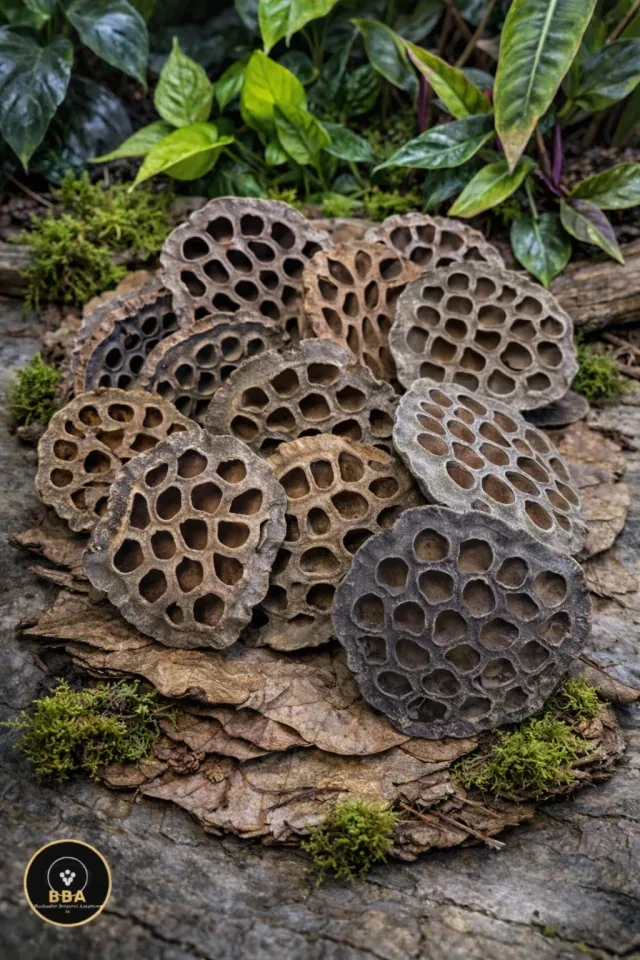
visual structure; micro-hiding spaces
Usually choose smaller botanicals first; use only if the piece physically suits the tank.
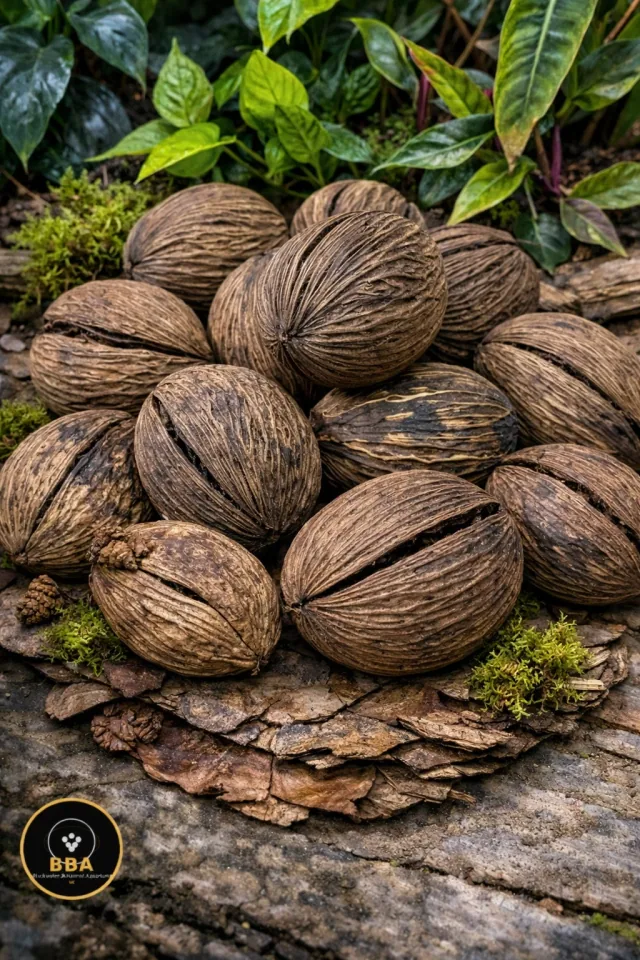
round seed-pod detail; visual structure
Usually choose smaller botanicals first; use only if the piece physically suits the tank.
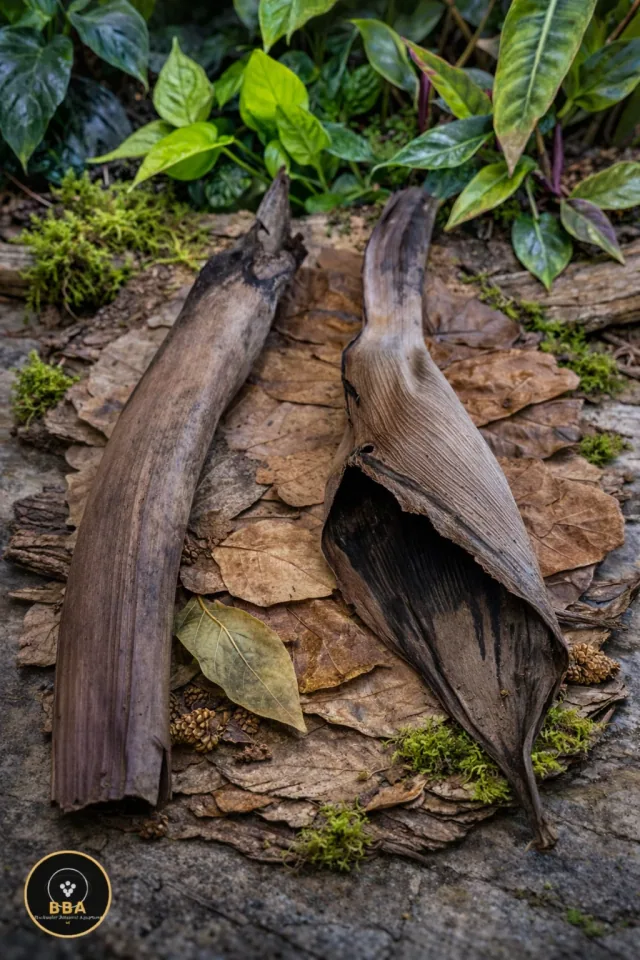
large botanical shelter; bold blackwater structure
Not recommended; choose small leaves or cones instead.
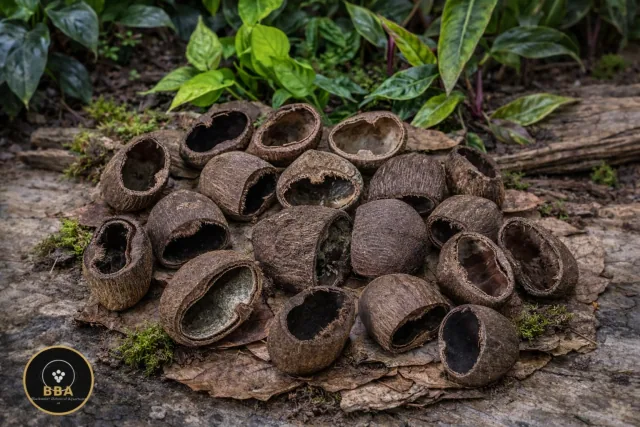
half-pod cave shape; natural shelter and visual focus
Usually choose smaller botanicals first; use only if the piece physically suits the tank.
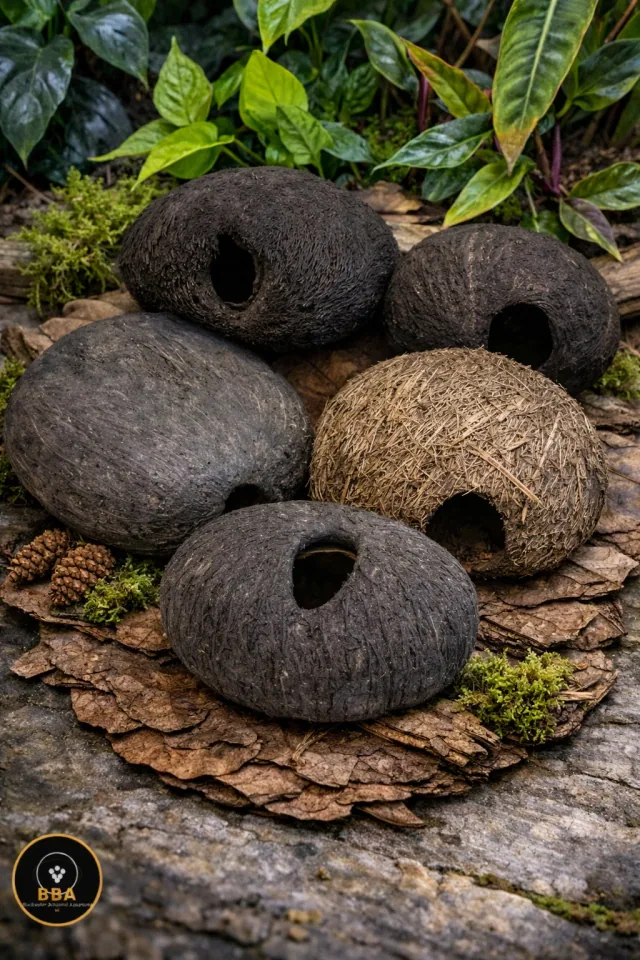
natural cave-like shelter; statement seed-pod structure
Usually choose smaller botanicals first; use only if the piece physically suits the tank.
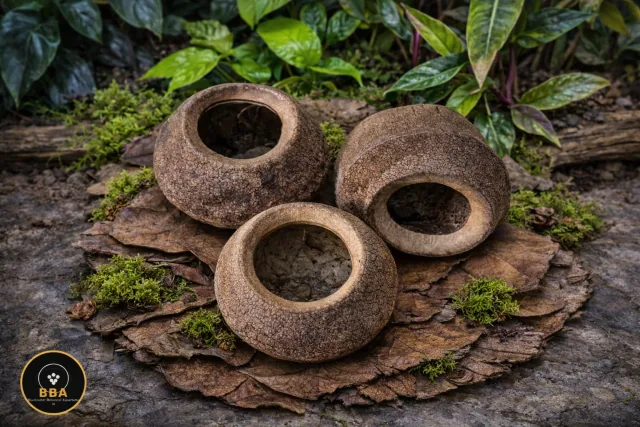
large cave-like seed pod; feature shelter
Not recommended; choose smaller botanicals.
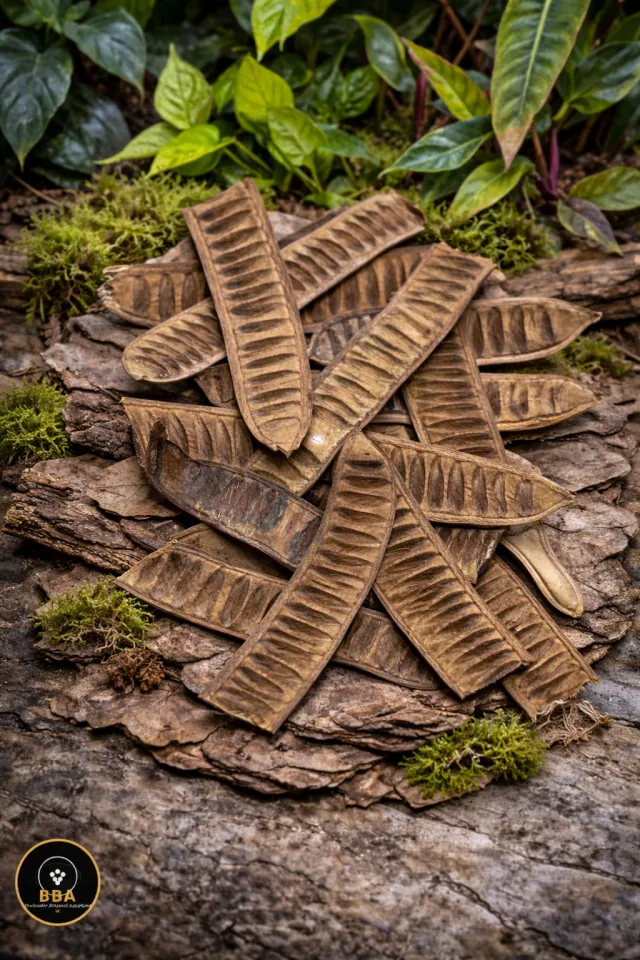
textured pod structure; grazing detail
Usually choose smaller botanicals first; use only if the piece physically suits the tank.
Library category
Durable botanical structure and bark-style pieces for shelter, texture and aquarium layout depth.
2 metadata-covered product families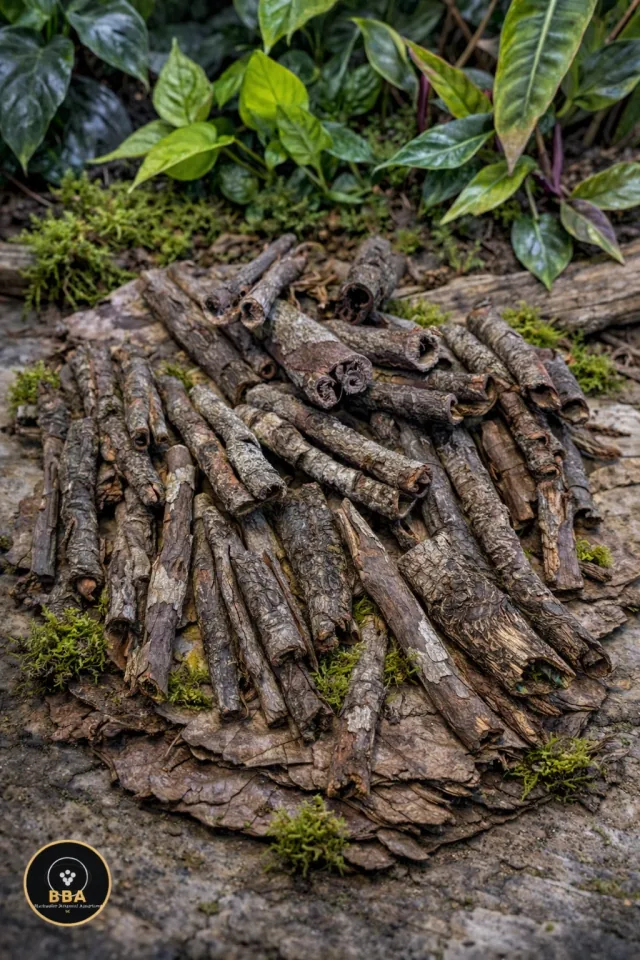
natural tube shelter; grazing surface
Usually avoid unless the tube is small and safe for the livestock.
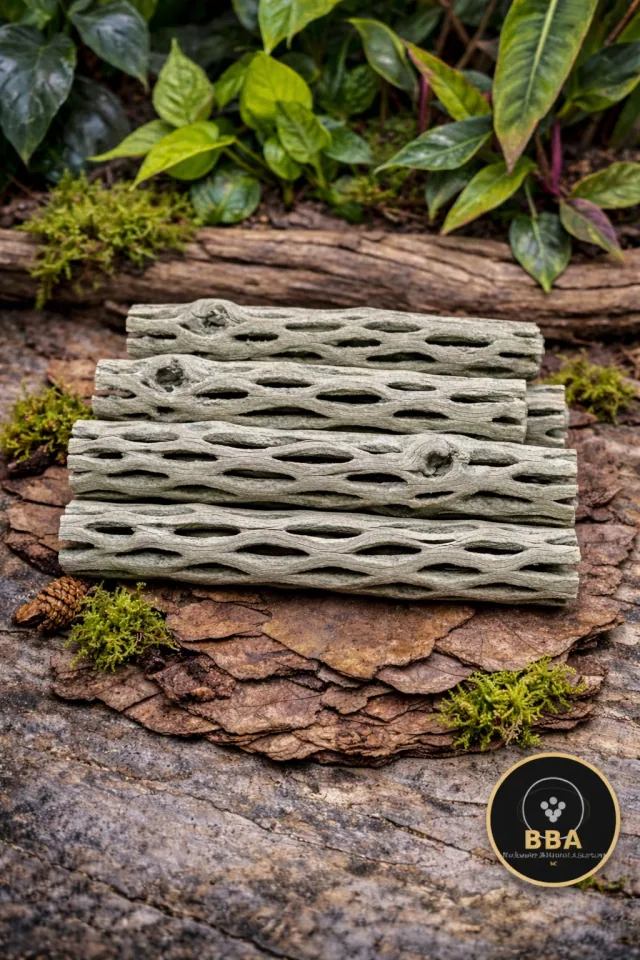
grazing surface; small shelter texture
Use one small piece only if it physically suits the tank.
Library category
Surfaces and prepared support for grazing interest, biofilm routes and shrimp/snail setups.
1 metadata-covered product families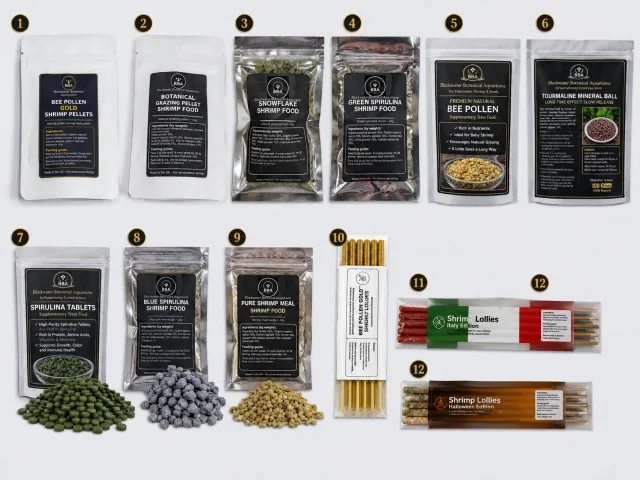
targeted shrimp grazing; supplemental botanical food
Start with a tiny portion and remove uneaten food.