Selected option contents

WHAT YOU RECEIVE

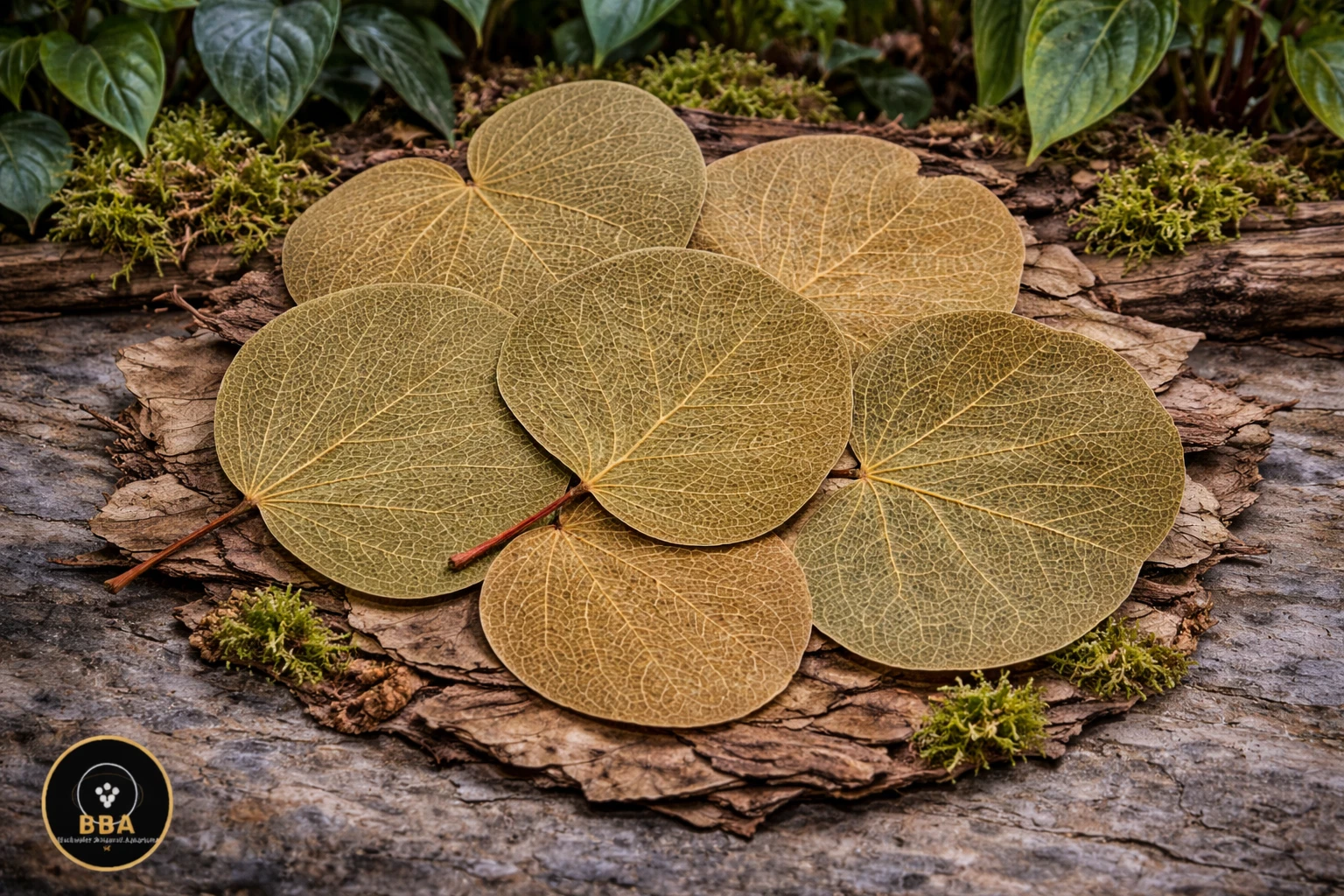
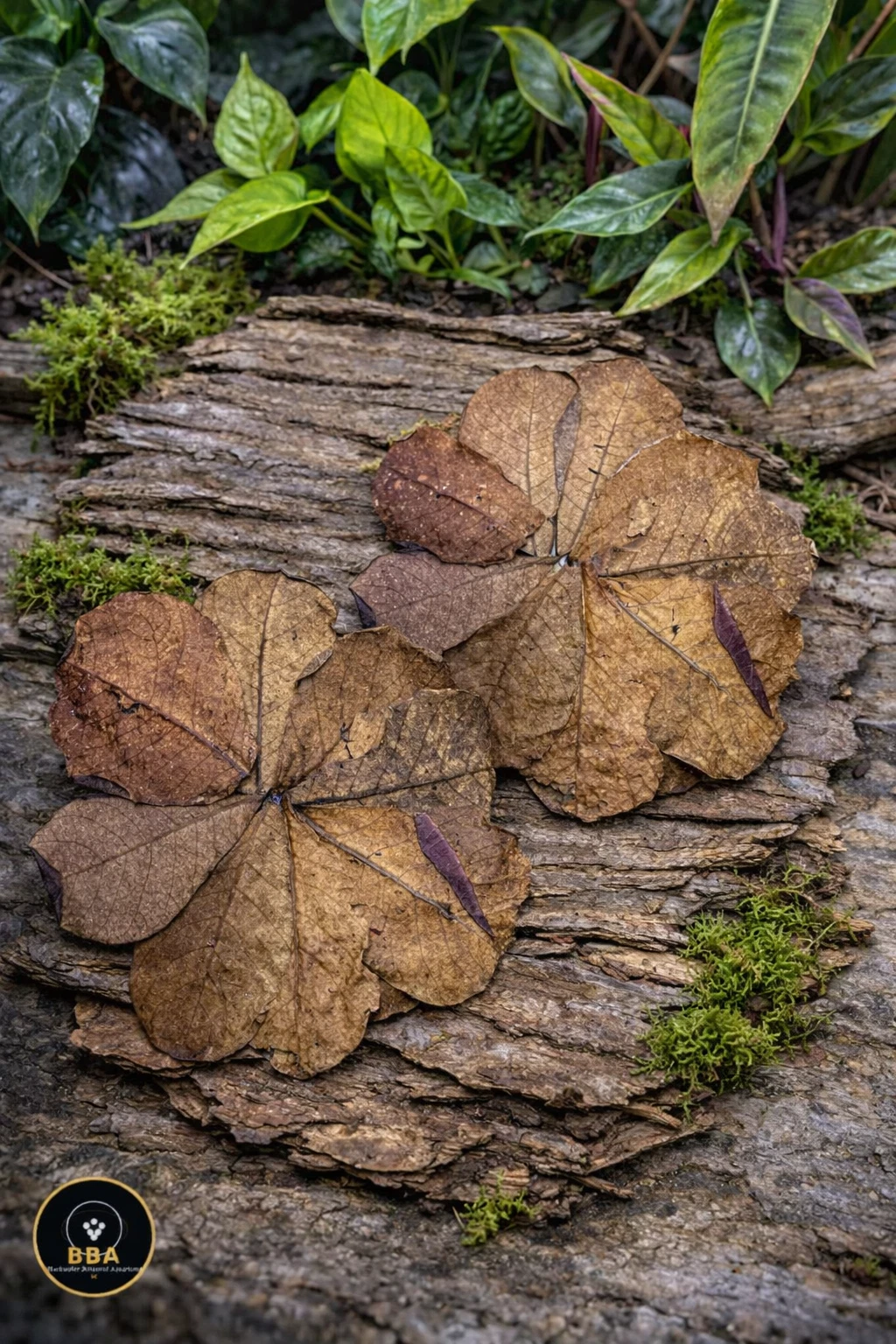
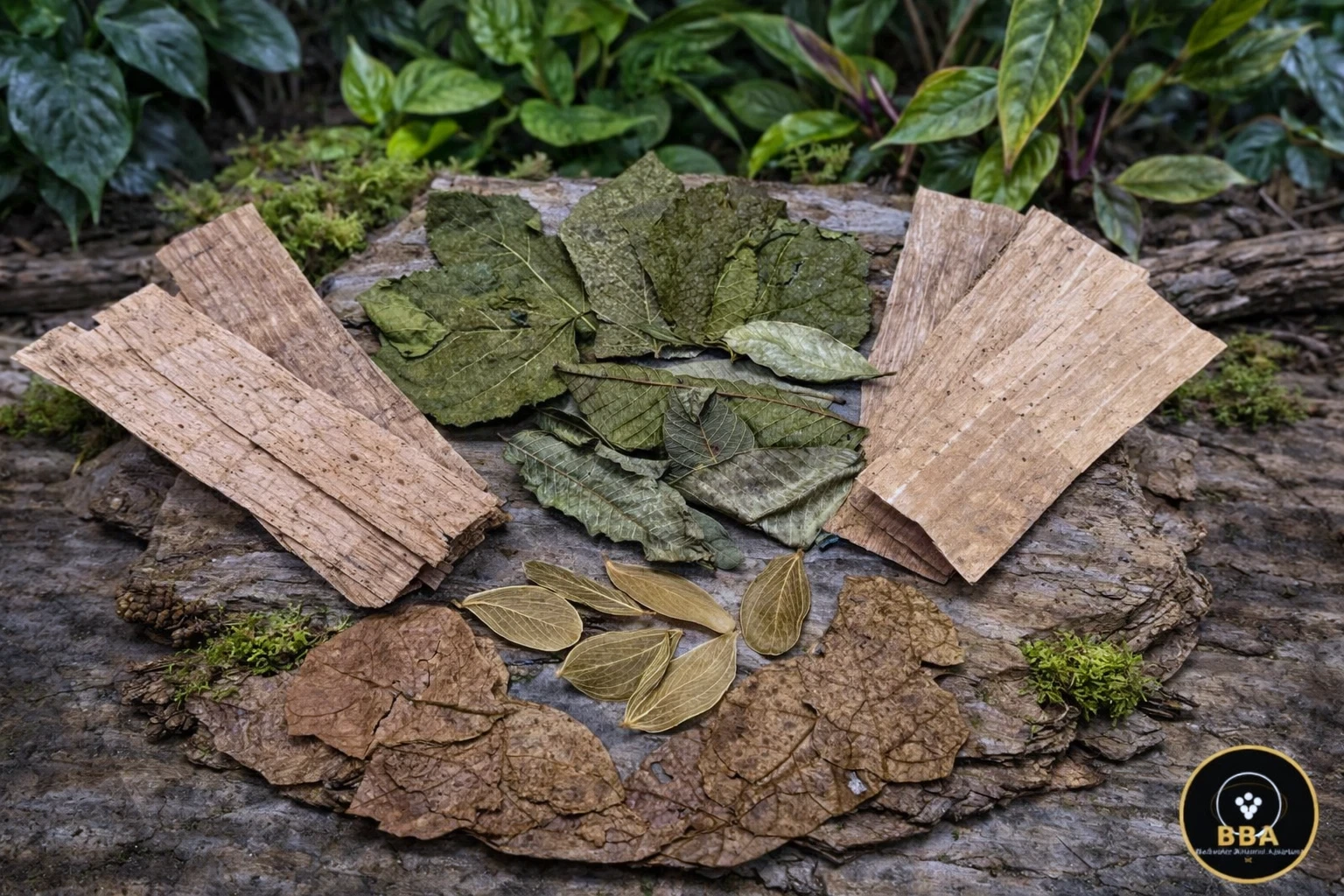
  • 6 Mulberry leaves
  • 6 Guava leaves
  • 6 Banana leaf pieces
  • 6 Catappa leaves, 3-5 cm
  • 6 Catappa leaves, 6-8 cm

Natural product: size, shape, colour, texture and surface detail will vary.

PRODUCT DETAILS

Open product details

What it does

Adds soft leaf surfaces and grazing interest as the leaves settle into the aquarium.
Slow down if

Pause or remove excess material if livestock look stressed, water clouds unexpectedly or the aquarium is already unstable.

HOW TO USE / LAYOUT GUIDANCE

  • Top up or replace every 4–6 weeks depending on breakdown and grazing.
Shrimp Grazing Leaf Pack – 20–40L in aquarium use

Product story

Shrimp Grazing Leaf Pack – 20–40L in use

Why aquarists use it

Shrimp colonies – Neocaridina and Caridina, Nano shrimp tanks

It adds leaf surfaces that shrimp can inspect and graze as the material settles and softens.

It is not a complete feeding plan, medication or reason to overfeed.

AQUARIUM PRODUCT STORY

Build the box as a natural habitat route

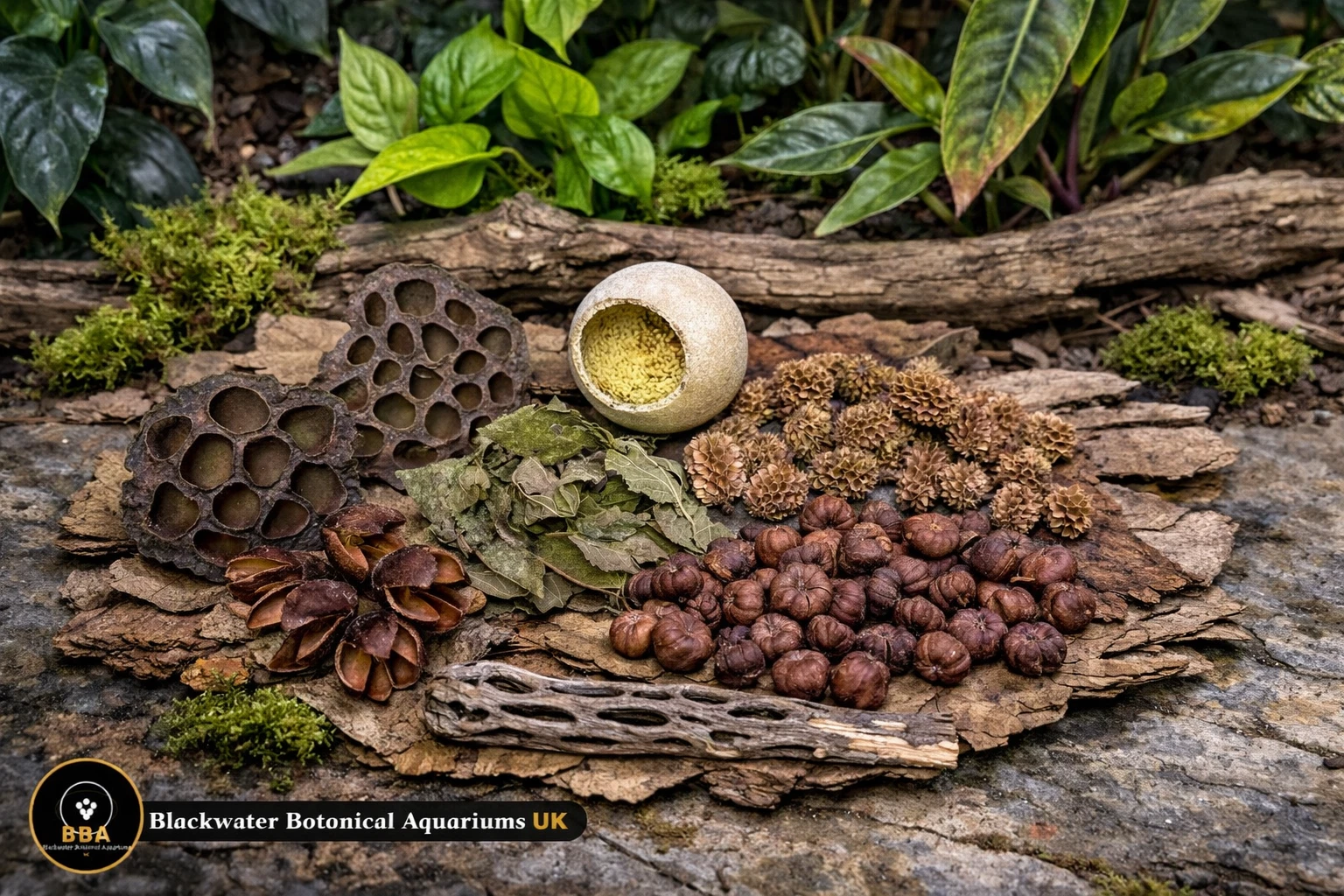
Illustrative BBA product-world scenes showing how this product can sit within a natural aquarium route. They are context ideas, not a review or result claim and not a promise that every tank will look the same.
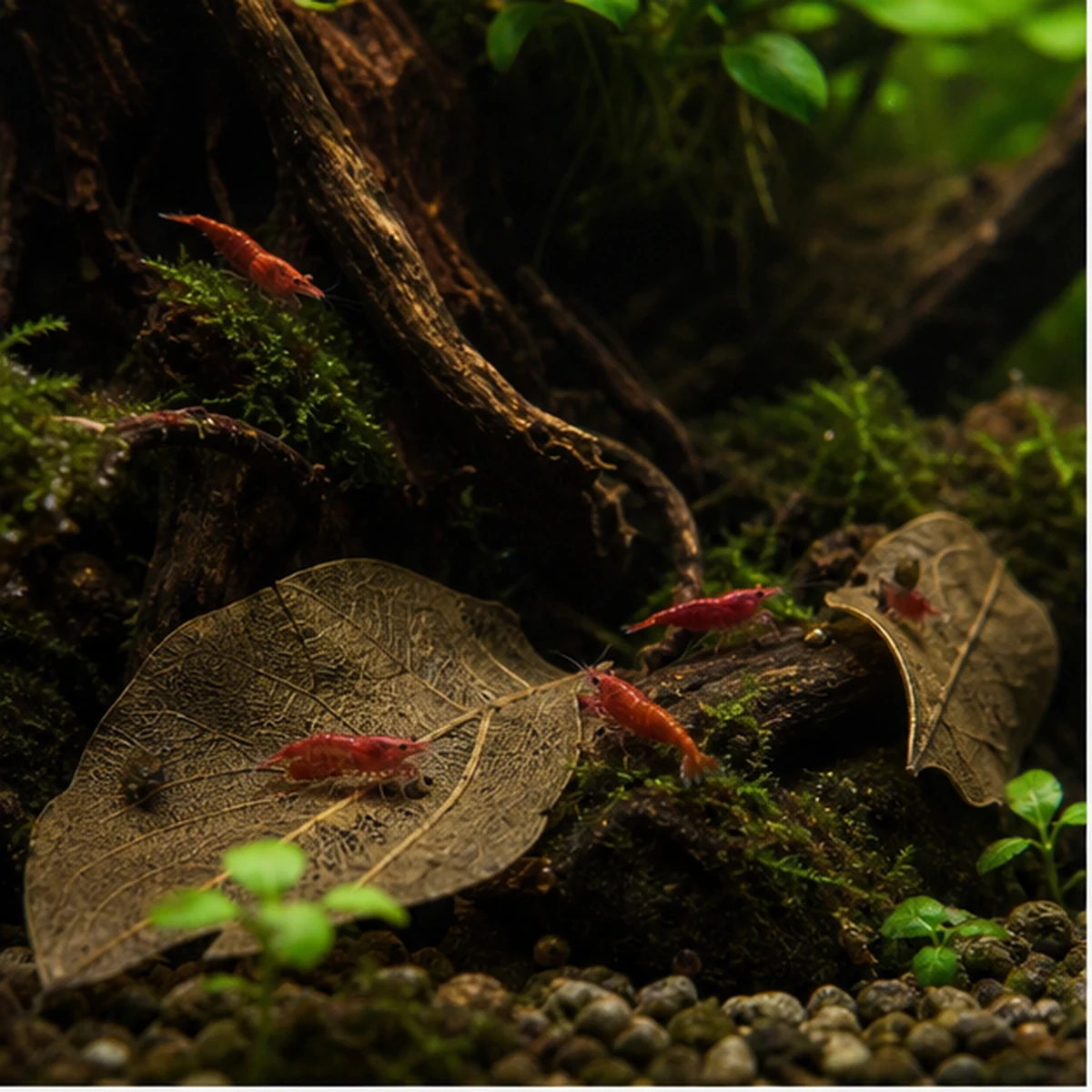
Shrimp Grazing Leaf Pack - 20-40L illustrative habitat context scene
FEATURE PIECE

Set the largest structural botanical first and build the smaller materials around it.
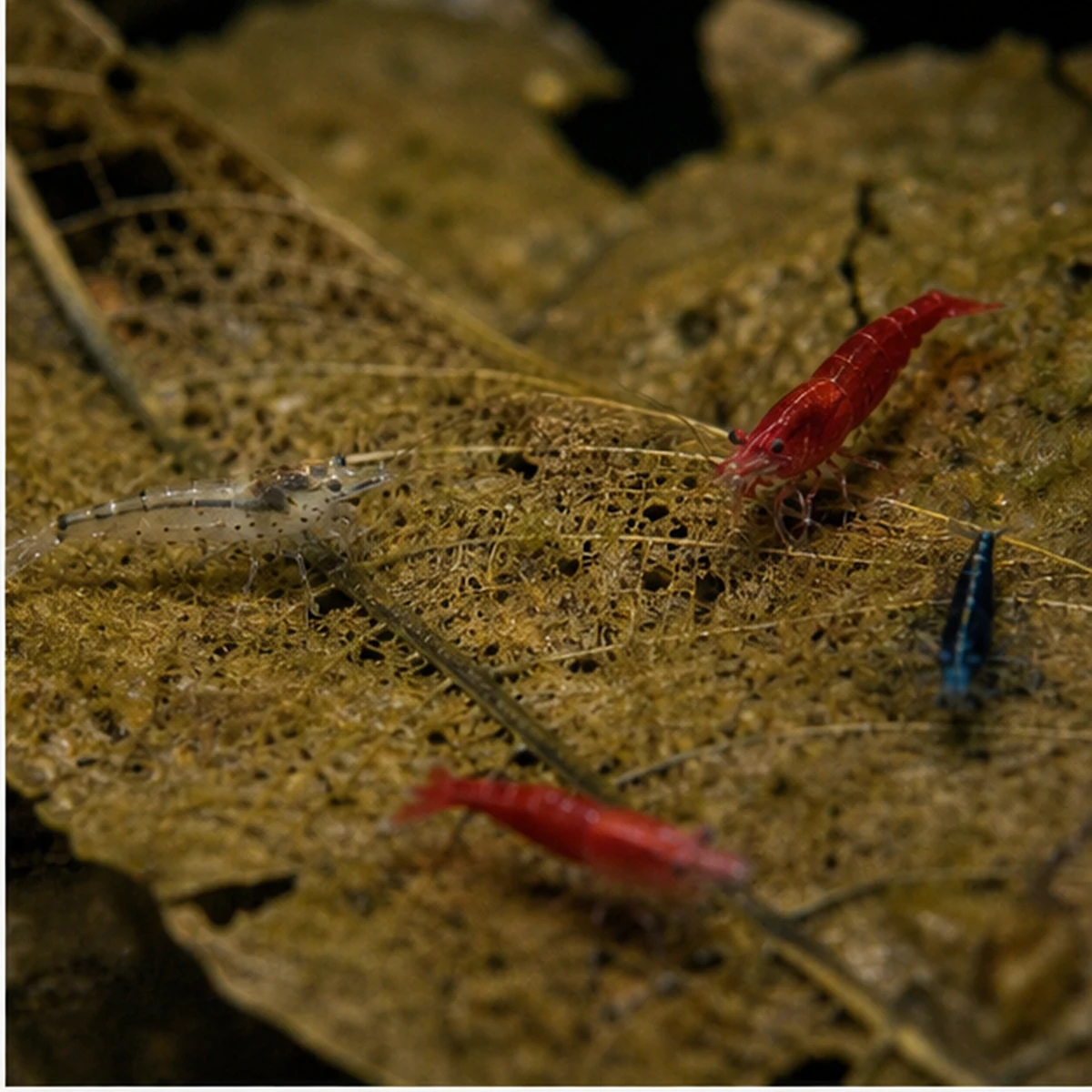
Shrimp Grazing Leaf Pack - 20-40L illustrative grazing surface scene
OPEN ROUTES

Leave open sand and swimming space instead of filling the entire substrate.
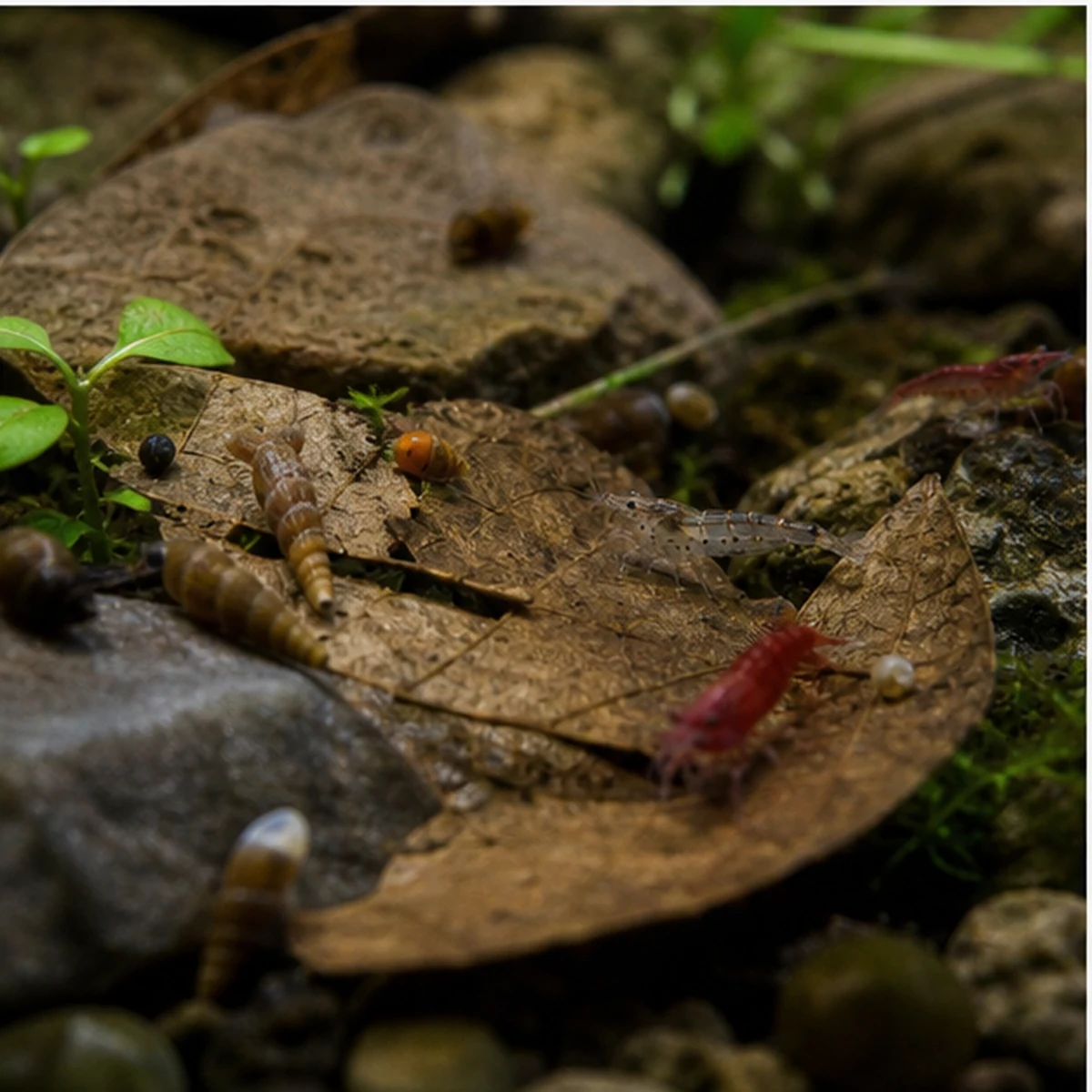
Shrimp Grazing Leaf Pack - 20-40L illustrative natural placement scene
GRAZING SURFACES

Spread leaves and textured pieces so shrimp and small fish can explore multiple surfaces.
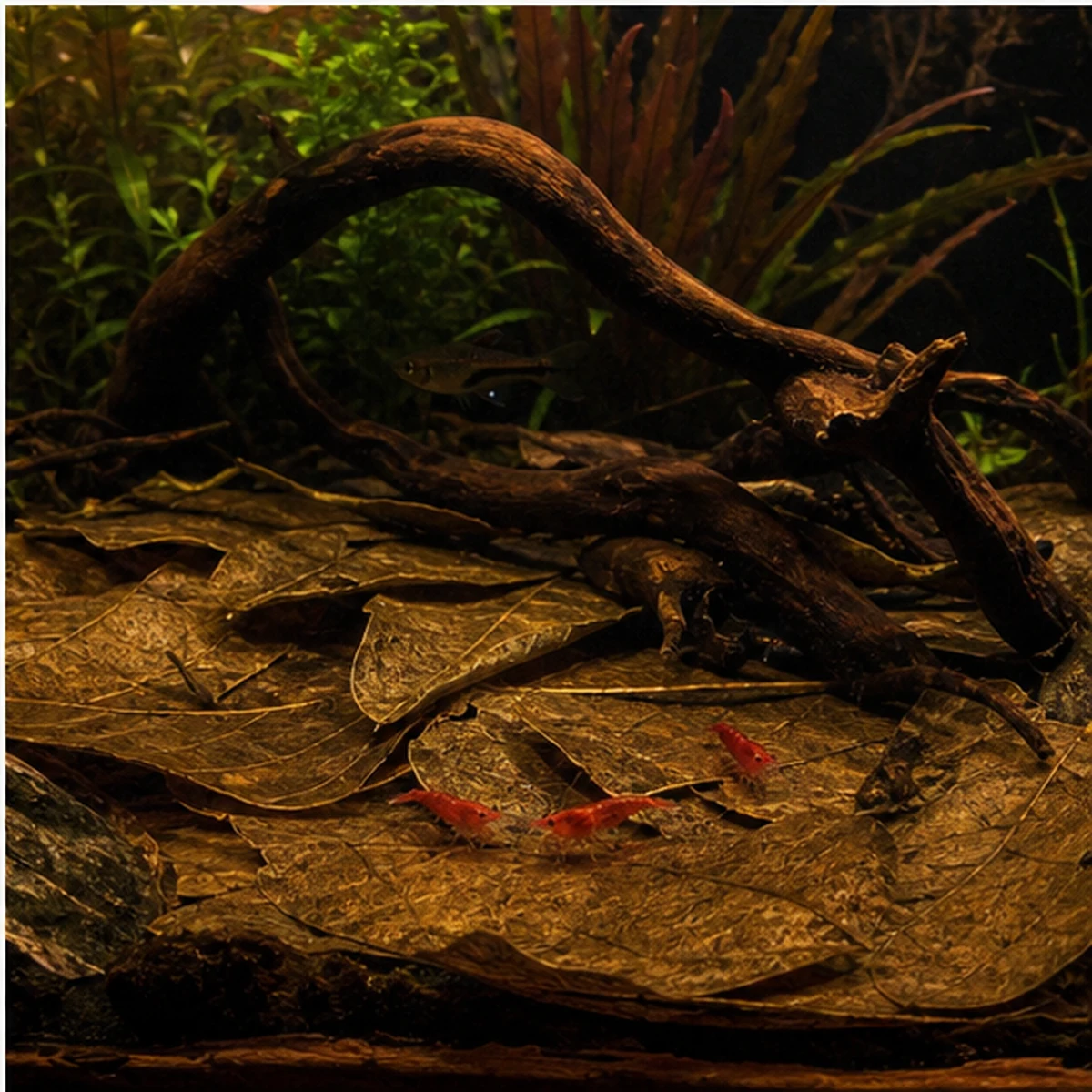
Shrimp Grazing Leaf Pack - 20-40L illustrative detail view scene
SHELTER

Use pods and harder forms to create cover without turning the whole aquarium into one dense pile.

PREPARATION & SAFETY

PREPARATION

  • Rinse all botanicals thoroughly before use. Do not use soap, detergents or household chemicals.
  • If needed, pre-soak harder pieces for 1–7 days to help them sink and to reduce the strongest initial tint.
  • A white or translucent biofilm may appear as botanicals begin to soften. This is a normal part of botanical decomposition and is commonly grazed by shrimp and snails.

SAFETY

  • Add botanicals gradually, particularly in small aquariums or very soft, low-KH water.
  • Botanicals are not a treatment and do not guarantee a specific pH, GH or KH change.
  • Remove or reduce botanical material if livestock show signs of stress.
  • For ornamental aquarium / hobby use only. Not for human consumption. Keep away from children and pets.
  • Some leaves may float at first, then sink as they become waterlogged.

FAQ

Open FAQ
What should I expect?

Softening leaves, grazing surfaces and a more natural shrimp-foraging area over time. Exact colour, texture and breakdown speed vary by product, tank size and flow.

When should I remove material?

Remove excess material if it traps debris badly, becomes more than the tank can process or coincides with livestock stress or poor water clarity.

Is this right for every tank?

No. If the aquarium is unstable, heavily stocked or already showing livestock stress, stabilise first or contact BBA before adding more botanicals.

LEARN BEFORE YOU ADD

Practical guides for botanical setup, preparation and what to expect.

COMPLETE THE ROUTE

Choose an addition only when it adds a different role to your setup.

AQUARIUM ROUTE

Not sure how much to add?

Use the route guidance before building a heavy botanical aquarium layout, especially for shrimp, nano and soft-water tanks.

Use Box Finder Starter Routes