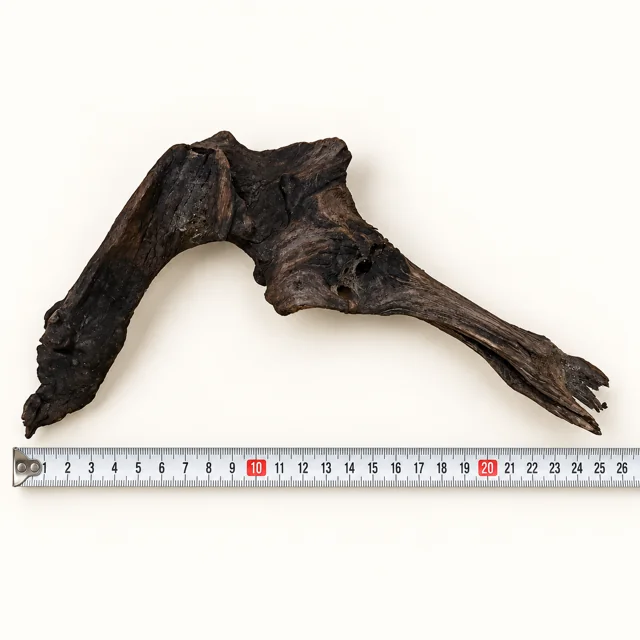
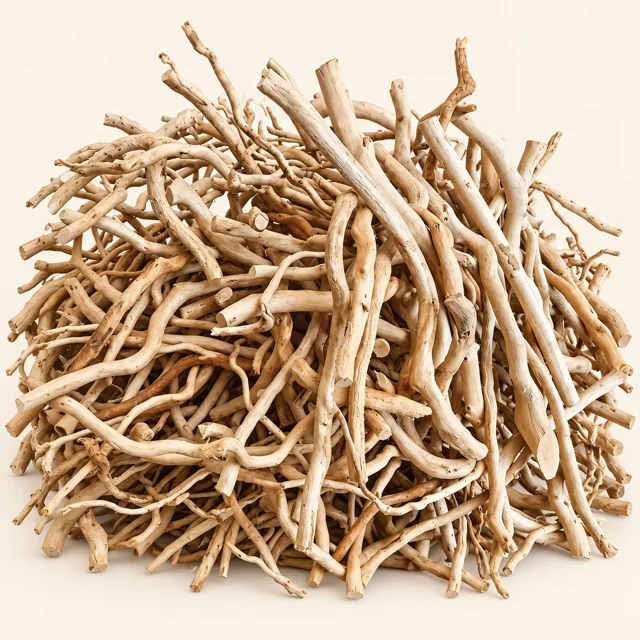
Catalogue photograph - material example, not the illustrated piece
Mangrove Root DriftwoodView product and options →BBA Worlds / Bettas
A short-finned female moves between broad green leaves; a wild male holds a quiet forest margin; a mouthbrooding pair uses separate sheltered edges. Bettas offer far more than one familiar silhouette. Start with the species, its water and its social needs, then choose a habitat that lets it feed, rest and reach the surface comfortably.
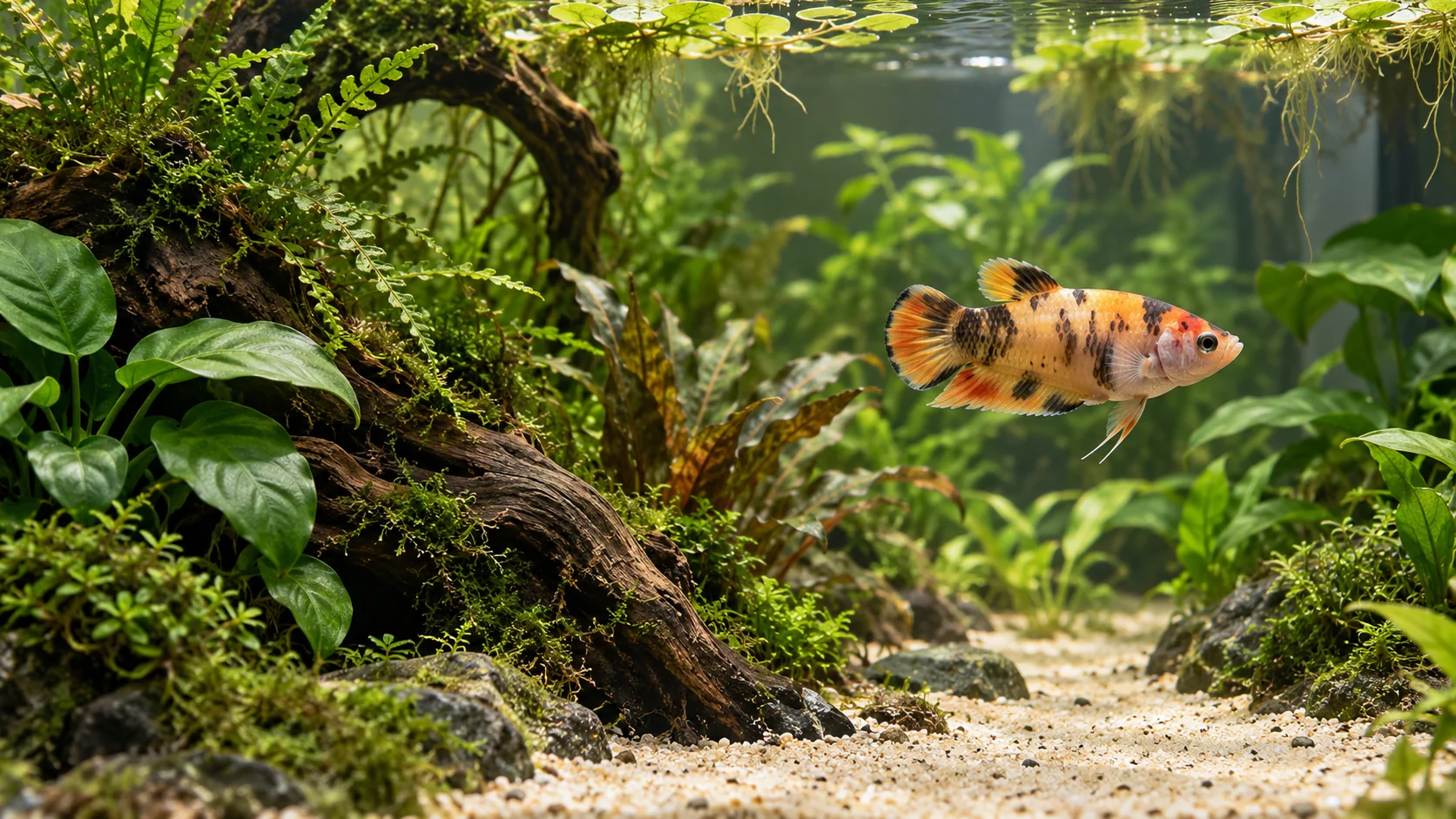
Choose what the fish can actually use: sheltered resting leaves, accessible surface water, a refuge with a suitable opening and space to observe feeding. Beauty follows a habitat that works.
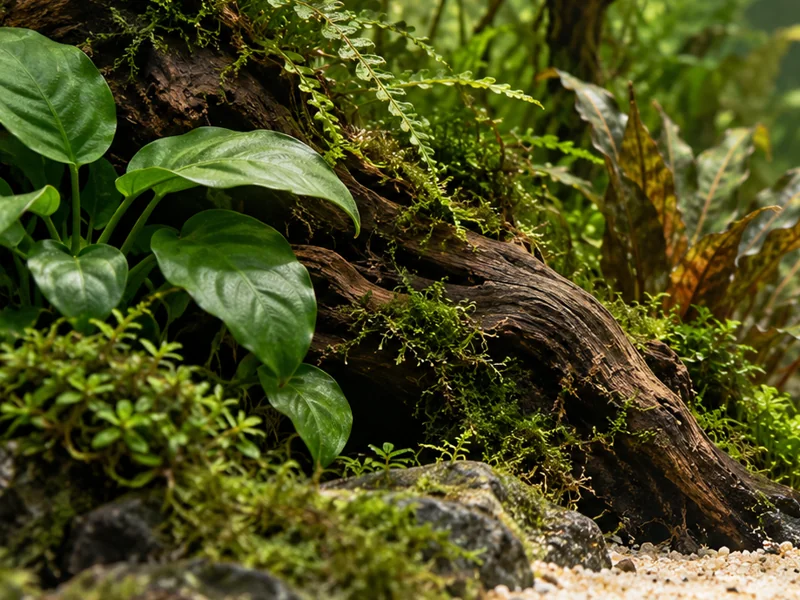
An individual female or male splendens can use planting and shaded wood as resting structure. Keep access around the root, match flow to the fish’s fins and leave open surface passages. Mangrove Root is one real shape to compare, not the exact illustrated piece.
Compare the real BBA material
Catalogue photograph - material example, not the illustrated piece
Mangrove Root DriftwoodView product and options →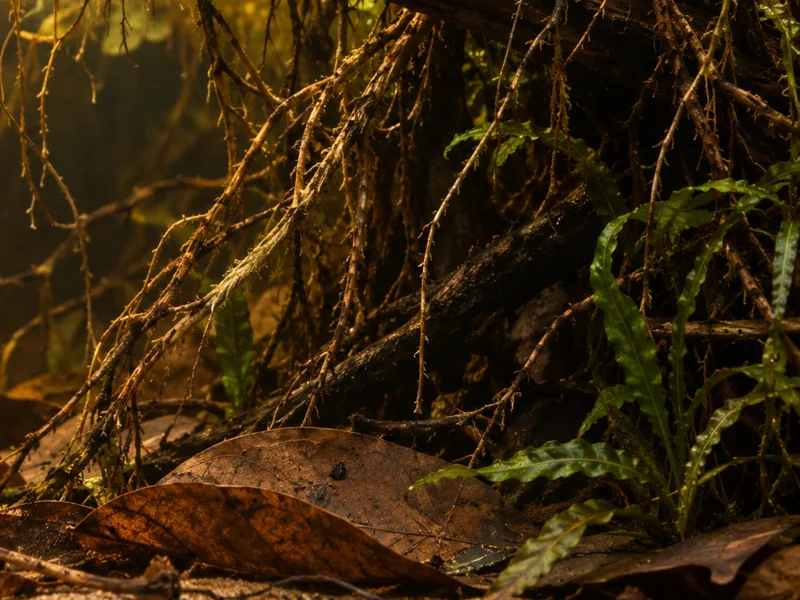
Fine Root Driftwood adds smaller lines and partial screening without requiring another massive focal piece. Secure loose branches, check tips and leave an open route to the surface. Roots do not remove the need to observe territorial behaviour.
Compare the real BBA material
Catalogue photograph - material example, not the illustrated piece
Natural Fine Root Driftwood – Botanical Root BundleView product and options →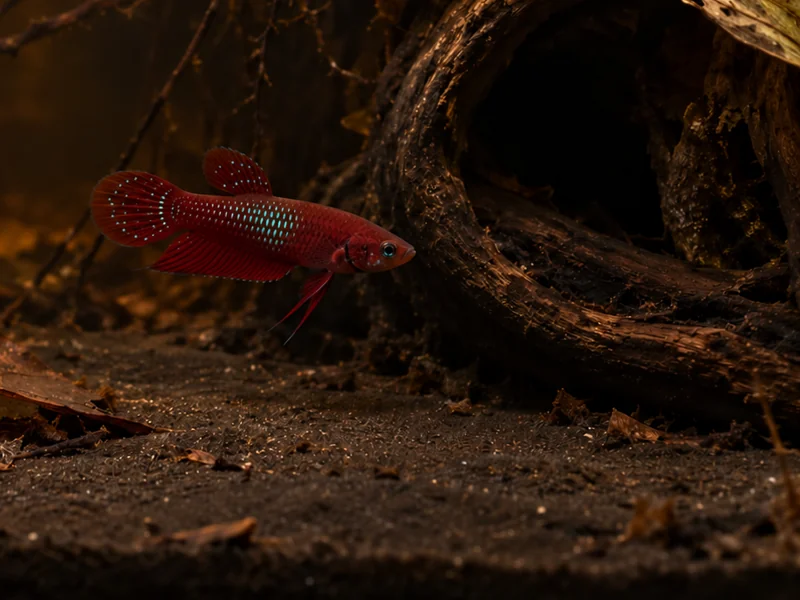
A suitable woody pod can provide an alternative shaded refuge. Compare the real Cocoa Pod’s dimensions, openings and edges; keep inspection access and avoid narrow trapping gaps. A shelter is not a guarantee of a nest, compatibility or breeding.
Compare the real BBA material
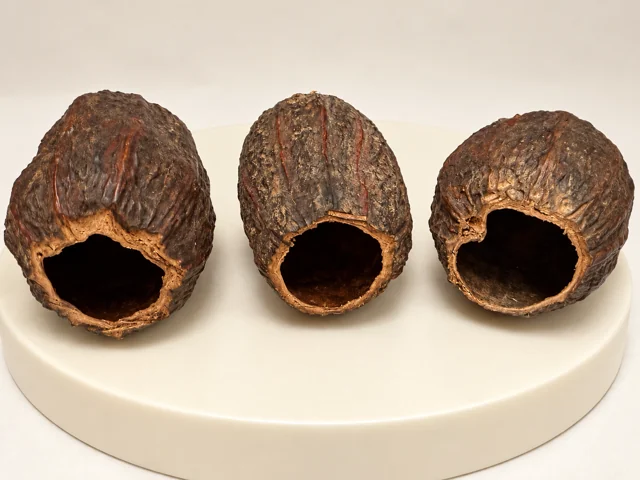
Catalogue photograph - material example, not the illustrated piece
Cocoa Pods – Hollow Theobroma cacao Botanical SheltersView product and options →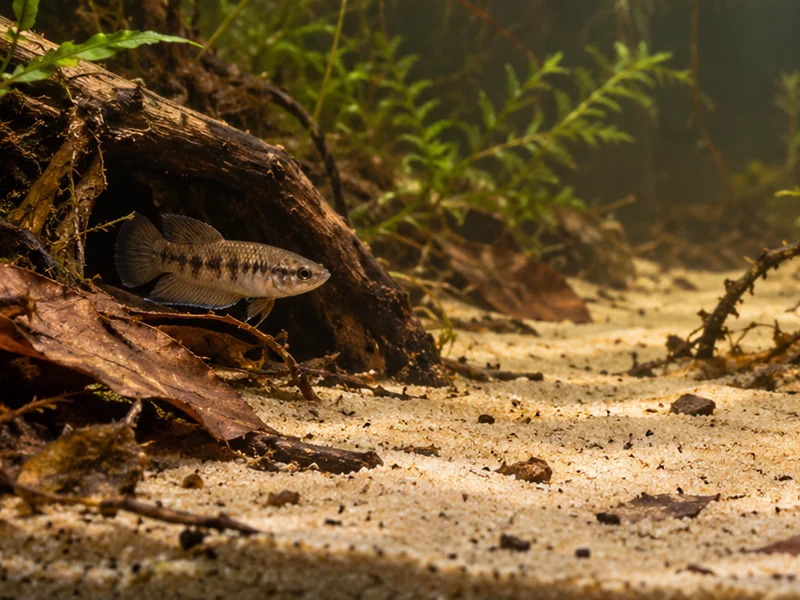
The quieter female needs her own resting place and reliable access to food. In the mouthbrooding-pair scene below, the male occupies a different refuge. A Coco Boat can offer an alternative open shelter form where its size fits. Observe both fish and keep a separation option ready.
Compare the real BBA material
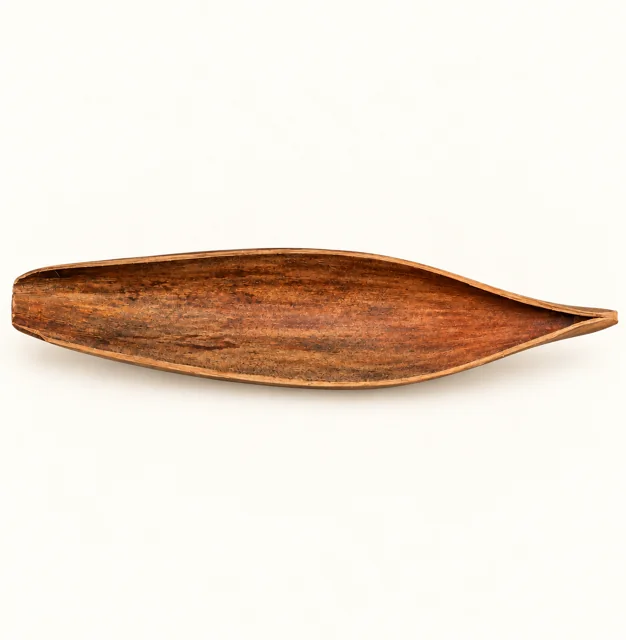
Catalogue photograph - material example, not the illustrated piece
Coco Boat – Dried Coconut Flower Spathe (Cocos nucifera)View product and options →These are alternative approaches. Species, sex, adult size and reproductive behaviour shape the plan; they are not instructions to combine all the fish shown.
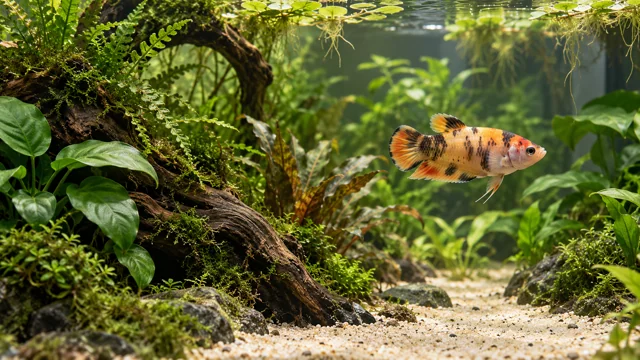
Betta splendens
A green, gently filtered aquarium with broad resting leaves, sheltered edges and accessible surface water.
The female in this scene shows a different side of domestic Betta splendens. Plan individual housing as a straightforward starting point; adding females around a male is not a routine permanent arrangement. Use stable warm conditioned water, mature gentle filtration and a secure cover with a humid air space. Choose the actual footprint for adult movement and fin form. Planting and botanicals complement heating, filtration and measured feeding; they do not replace them.
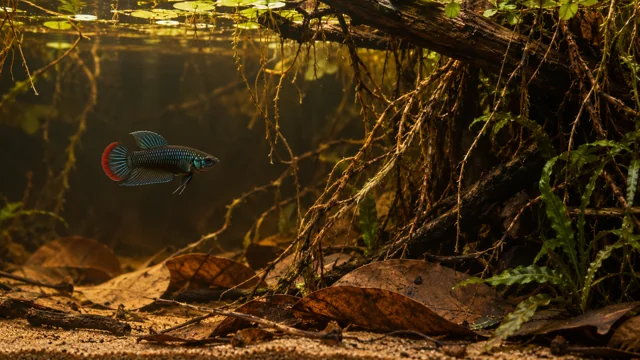
Betta imbellis / Betta smaragdina
A quiet forest-water margin with roots, restrained leaves and protected surface resting places.
The pictured short-finned male is imbellis, with a red tail crescent. Smaragdina has a different iridescent pattern and its own habitat history. A natural or wild label does not mean both require extreme peat-swamp acidity. Use the individual profile and established stock’s conditions, with gradual water changes. Pairing needs cover, observation and a ready separation plan; the common name Peaceful Betta is not a compatibility guarantee.
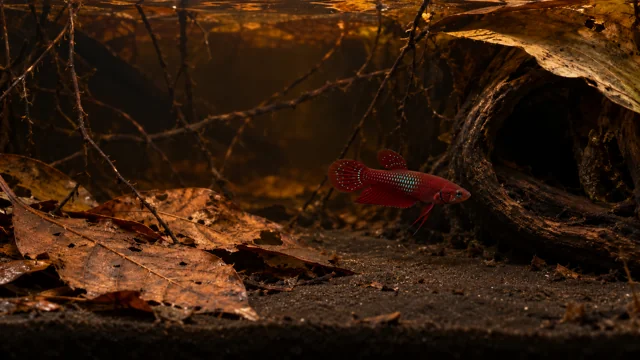
Betta coccina / Betta brownorum
A shaded, very soft acidic-water plan with sheltered leaf and root structure and an observable feeding route.
Coccina and brownorum are different small red bettas, not interchangeable colour forms. Their existing profiles distinguish their flank markings, fin details and maintenance plans: around 24–26°C for coccina and 24–25°C for brownorum, with independently prepared very soft acidic water. Both are treated here as bubble-nesters. Prepare a repeatable replacement-water routine before obtaining them. Amber colour alone does not establish suitable hardness or pH, and adding cones is not a substitute for water preparation.
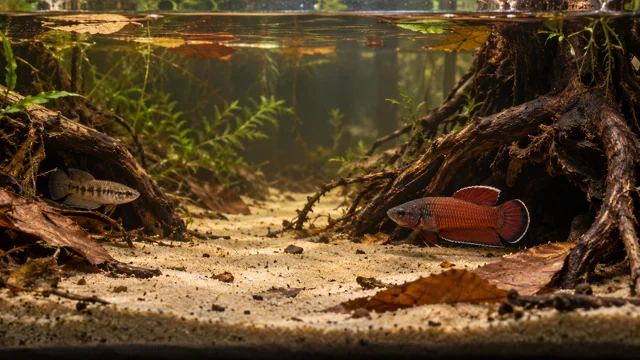
Betta albimarginata / Betta channoides
Separate protected edges, soft-water planning and quiet observation around paternal mouthbrooding.
The male and muted female pictured are channoides. Albimarginata has a different fin-border pattern and its own provenance; read its separate profile. In both, the male incubates eggs in his mouth rather than tending a surface bubble nest. A managed pair or considered small group needs adequate floor space, multiple refuges, individual feeding access and separation if pursuit persists. Protect a carrying male from disturbance and do not assume a cave will trigger breeding. Use the species-specific water and temperature plan.
Build a useful environment before increasing the number of objects. Inspect every opening, keep the surface accessible and let the species guide the water plan.
Catappa, guava, cacao and mango offer different shapes for sheltered margins. Prepare them, add small amounts and observe breakdown. Leaves do not sterilise water, cure disease or create a reliable pH on their own.
Cocoa Pods, Coco Boat and Catappa Bark Tubes give different shelter forms. Compare adult fish size, smoothness and maintenance access. Use separate retreats for a managed pair; one shared cave is not a social plan.
Roots can support planting and screening. A Nano Box or leaf bundle lets you compare several materials, but neither is a complete aquarium or a reason to add all the contents together. Keep structure and organic load proportionate.
The shop’s Soft Artemia food and Freeze-Dried Artemia Cubes are options to compare for suitable fish. The soft-food granules are not automatically small enough for tiny wild species. Crumble suitable supplementary Artemia into measured portions and confirm intake. Specialist bettas may require appropriately sized live or frozen invertebrates; a dried food purchase is not proof they will eat it.
Current catalogue photographs, options and availability. Select for the species and adult aquarium; BBA supplies the materials and foods, not the fish illustrated.
Compare different leaf shapes, shelter forms and feeding options without repeating one shopping list for every species.
Choose a small appropriate portion for the water plan. These are alternative leaf textures, not three compulsory additions to the same tank.
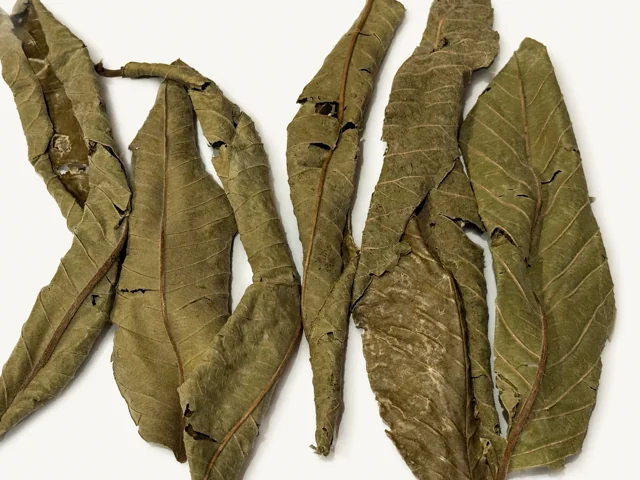
A different leaf shape for a modest planted margin
Dried Guava Leaves – Natural Aquarium Leaf LitterView product and options →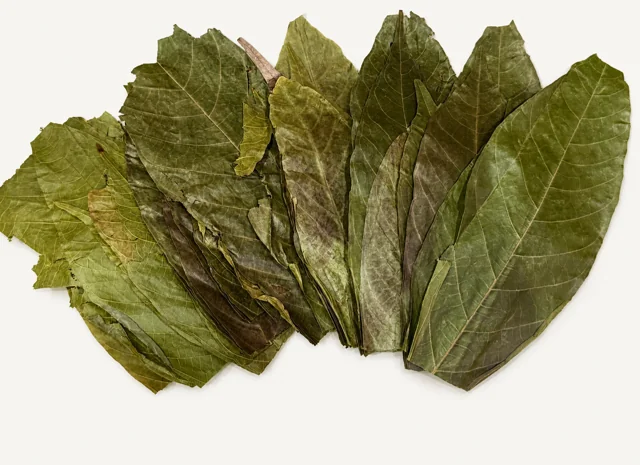
Compare broad leaf cover for a shaded floor
Ceylon Cocoa (Cacao) Leaves – Natural Aquarium Leaf LitterView product and options →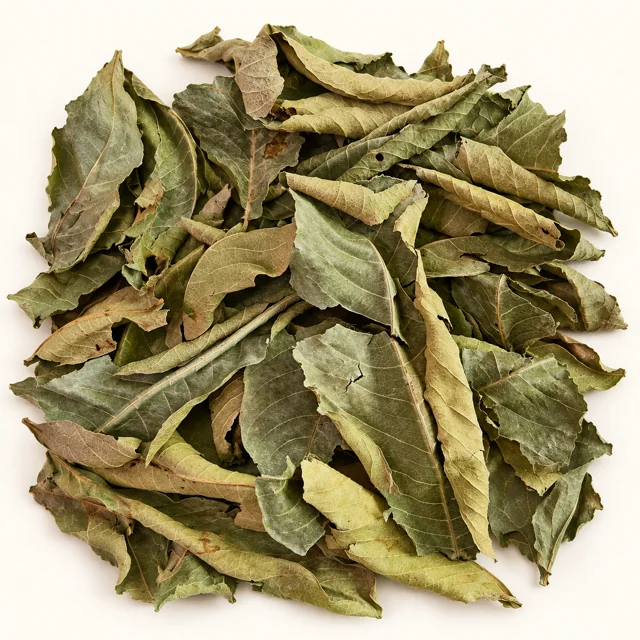
Select the leaf size for the actual aquarium
Dried Mango Leaves – Natural Aquarium Leaf LitterView product and options →Buy for an actual role. Check openings and bundle contents, and match every food portion to the fish’s mouth and observed acceptance.
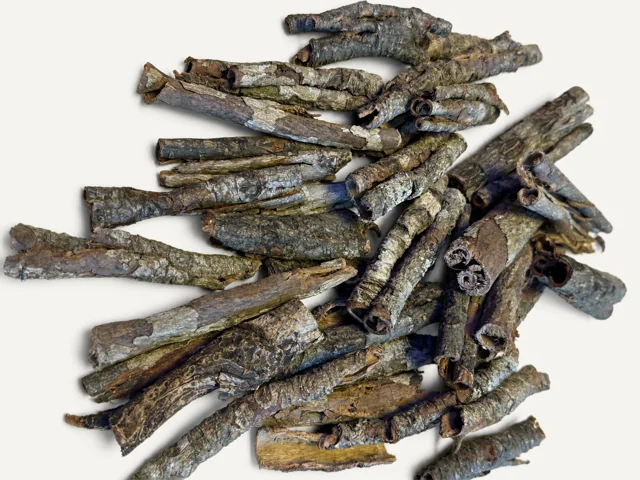
Check internal openings and smooth edges
Catappa Bark Tubes – Indian Almond Bark Hiding TubesView product and options →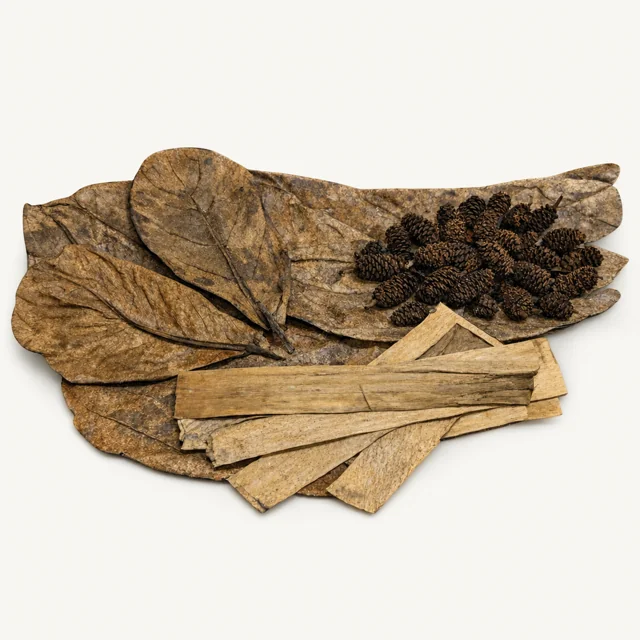
Read contents and introduce selected pieces gradually
Leaf Litter + Tannins Starter Bundle – Catappa, Banana & Alder Cones PackView product and options →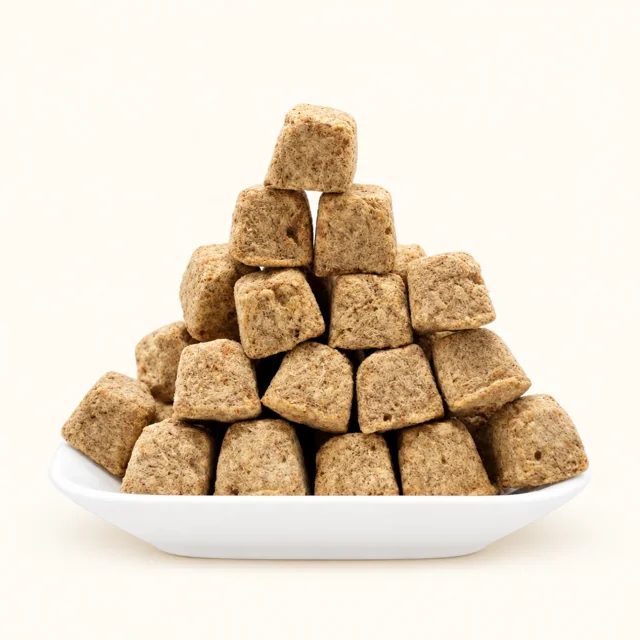
Supplementary food; adjust particle size and check intake
Freeze-Dried Artemia Cubes – Brine Shrimp Food for Tropical FishView product and options →A considered Betta aquarium starts with species and social decisions. Sex and fin form add interest; they do not remove the need for a coherent care plan.
Distinguish domestic splendens, wild bubble-nesters and mouthbrooders. Keep reliable stock information and read the matching profile before choosing companions.
Prepare stable replacement water, heating and a suitable footprint. Very soft peat-swamp water needs a different routine from many established domestic splendens setups.
Secure wood and shelters, protect filter intakes and retain accessible air space under a cover. Keep resting leaves and quiet areas clear of strong flow.
Prepare materials, select modest portions and observe water quality and oxygenation. Darker water does not prove a habitat is ready.
Match food size and check that each fish gets a portion. For a managed pair, watch persistent pursuit or blocked access and separate when needed.
Bubble-nesters and paternal mouthbrooders use different approaches. Provide the species-specific conditions and avoid disturbing a carrying male or assuming a shelter guarantees breeding.
Practical reading from the BBA Knowledge Centre, chosen for this World.
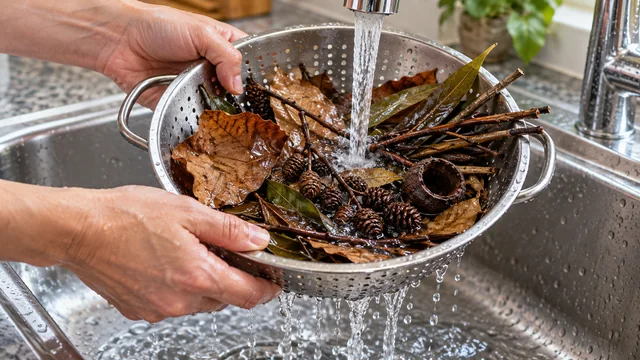
Prepare suitable leaves and wood before gradual introduction.
Read the guide →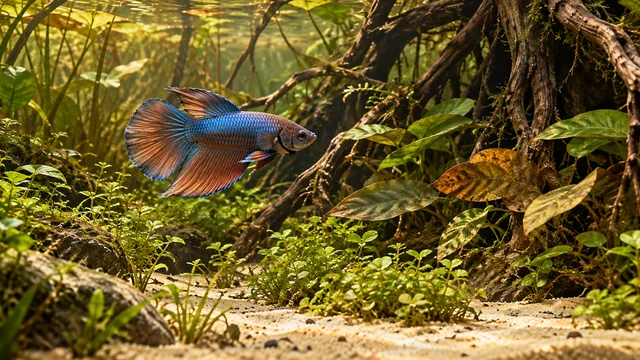
Check shelter openings, sharp edges and trapping spaces.
Read the guide →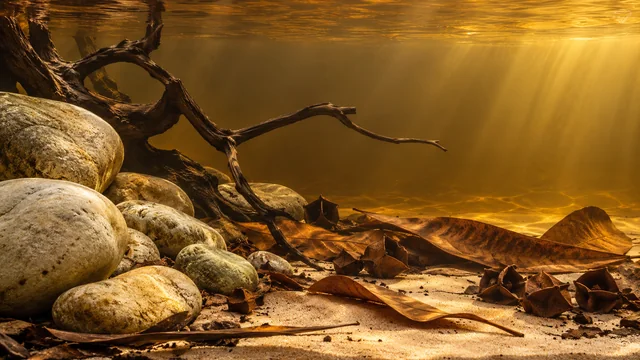
Separate water tint from organic load and maintenance.
Read the guide →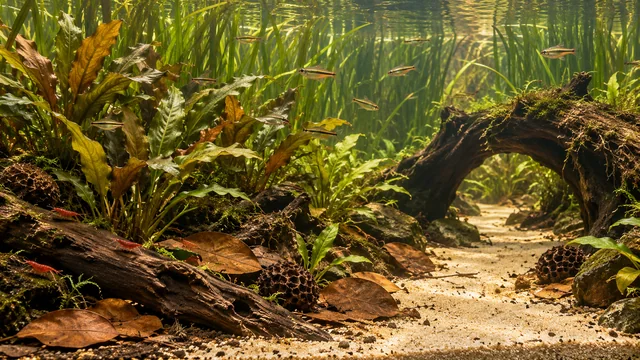
Balance planting, cover and useful growing space.
Read the guide →Seven existing species profiles: domestic and wild forms, bubble-nesters and mouthbrooders. Explore them separately; these cards are not a community stocking list.
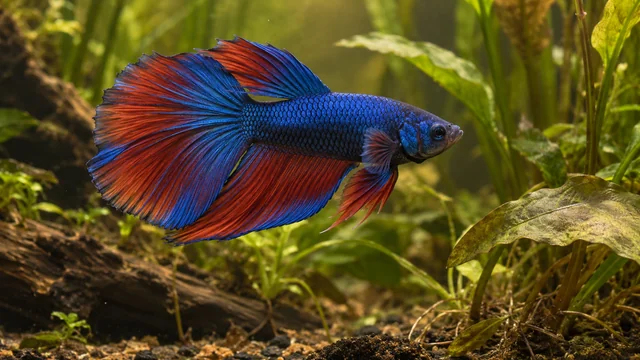 Siamese fighting fishBetta splendensRead the species guide →
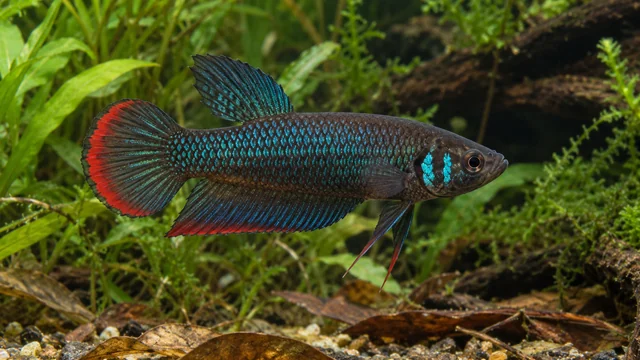 Crescent BettaBetta imbellisRead the species guide →
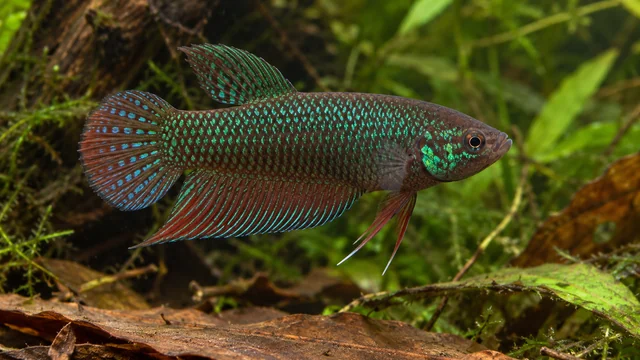 Emerald BettaBetta smaragdinaRead the species guide →
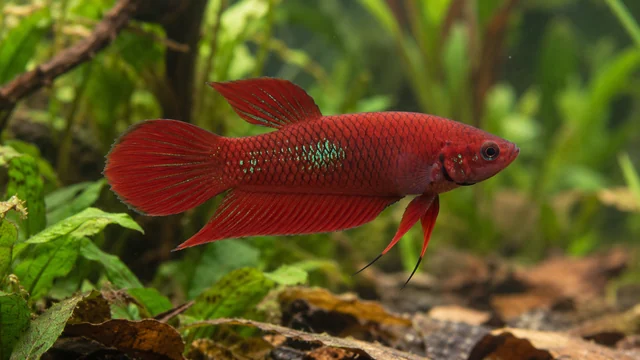 Scarlet BettaBetta coccinaRead the species guide →
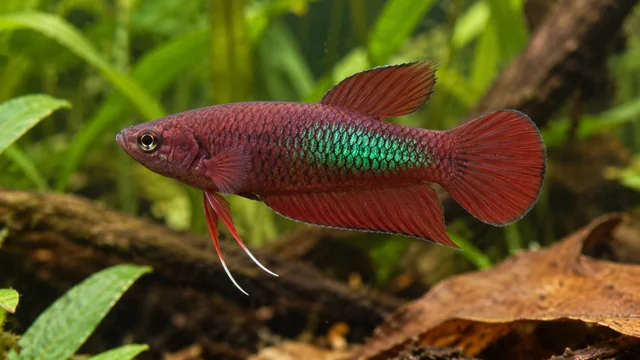 Brown’s BettaBetta brownorumRead the species guide →
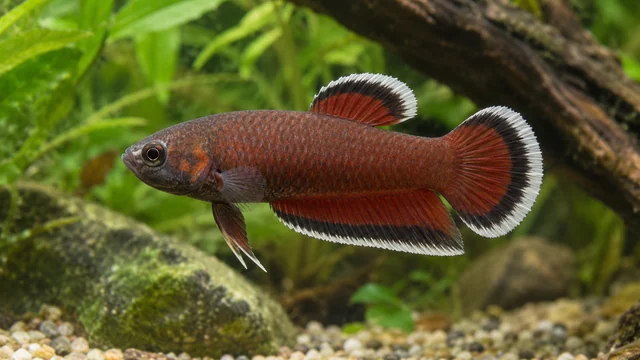 White-Seam BettaBetta albimarginataRead the species guide →
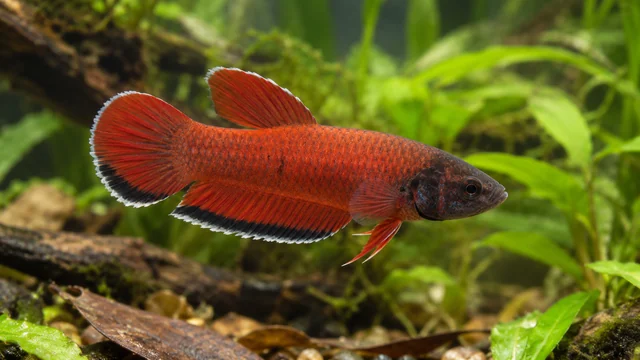 Snakehead BettaBetta channoidesRead the species guide →
Enjoy the colours, fin forms and the quieter female fish as well as spectacular males. Choose a species-led environment, then add the materials that genuinely improve it.