What it does
Adds leaf-litter surface and natural cover as the leaves hydrate, soften and begin to break down.
What it does
Adds leaf-litter surface and natural cover as the leaves hydrate, soften and begin to break down.
Slow down if
Remove or pause if leaves accumulate faster than livestock and filtration can comfortably handle.
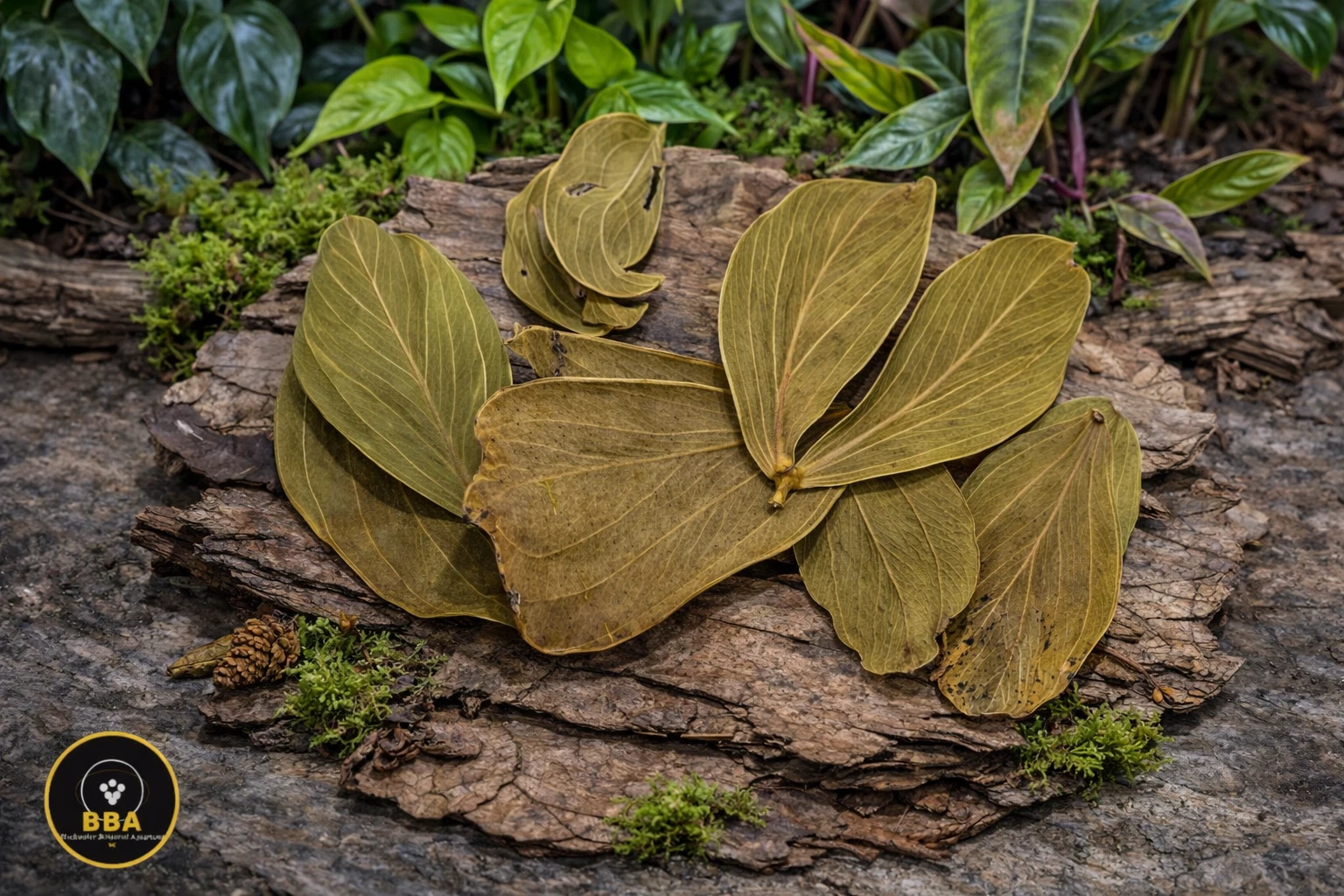
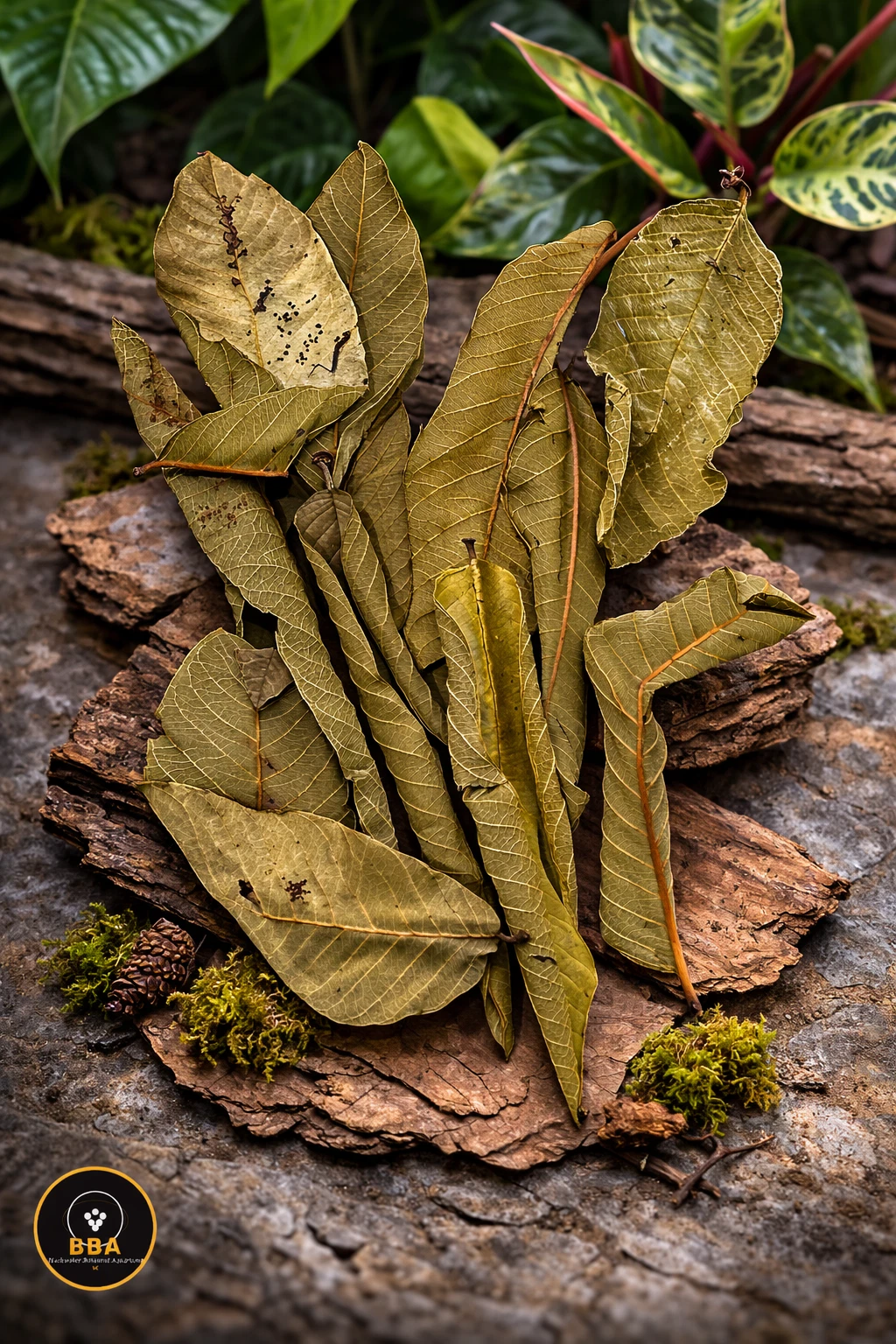
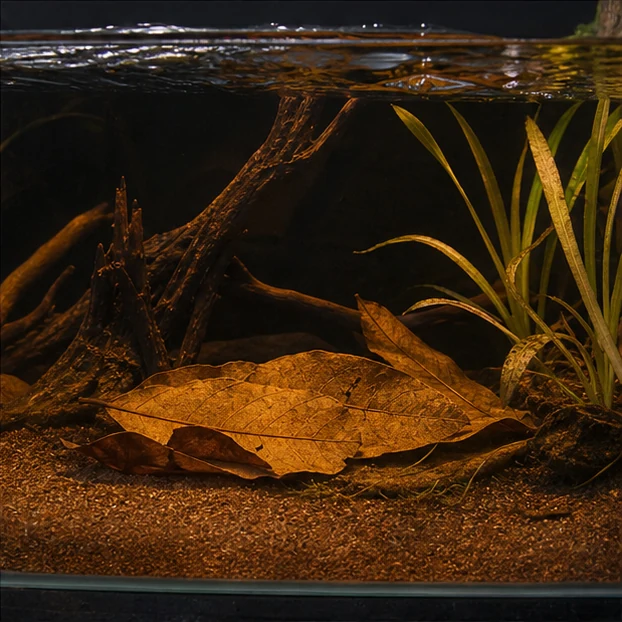
These dried Guava Leaves are natural botanical leaves for freshwater aquariums, especially shrimp tanks, breeding tanks and botanical / leaf-litter style setups.
Guava leaves are valued because they are fairly firm, last well in the tank, and provide a steady botanical surface as they soften.
Over time, they can release gentle tannins and humic substances while becoming a biofilm grazing plate for shrimp, snails and micro-life.
They are ideal for Caridina, Neocaridina, nano tanks, crayfish, aquarium crabs, snails and soft-water community fish that benefit from natural cover and grazing surfaces.
What you receive Guava Leaves Approx. leaf size: 7–12cm, with natural variation. You receive the pack size selected from the menu. Packed dry in a resealable zip bag by Blackwater Botanical Aquariums.
Why aquarists like Guava Leaves
1) Firm leaf structure Guava leaves tend to last longer than more delicate leaves, making them useful for steady leaf-litter coverage.
2) Gentle blackwater feel They may release natural tannins and humic substances when added gradually.
3) Biofilm grazing surface As the leaves soften, they can develop biofilm and microfauna surfaces that shrimp and snails love to graze.
4) Natural cover Adds shaded micro-zones and cover for juveniles, fry, shrimplets and shy species.
5) Great for botanical aquariums Perfect for blackwater, leaf-litter, shrimp and natural-style freshwater aquariums.
How to use Quick rinse under tap water to remove any dust. Optional and recommended: steep or soak for 1–3 minutes in hot water, then let the leaf cool completely. Hot soaking helps the leaf sink faster and starts softening the surface sooner. Add to the aquarium in a feeding dish or gentle-flow area. If the leaf floats at first, it will usually sink on its own, or you can weigh it down with a small stone. You can leave the leaf in the tank until it is fully consumed or only the skeleton remains.
Dosage Start with 1 leaf per 20 litres, observe for 24–48 hours, then increase only if the leaf disappears quickly and the water stays clear and stable.
What to expect Leaves may float at first and then sink naturally. A light biofilm layer may appear — this is normal and usually grazed quickly. The water may develop a gentle tea tint depending on tank size and how many leaves you add. As the leaf breaks down, shrimp and snails will keep picking at it until only the skeleton remains.
Storage Supplied in a resealable zip bag. Store sealed in a cool, dry place.
Important notes For aquarium use only. This is a natural botanical product, not a medication. Effects vary depending on tank size, KH, pH, filtration and how many leaves are used. Add gradually, especially in small aquariums or soft-water setups. Not for human consumption.
Product story
Shrimp tanks and shrimp colonies, Caridina and Neocaridina shrimp
AQUARIUM PRODUCT STORY
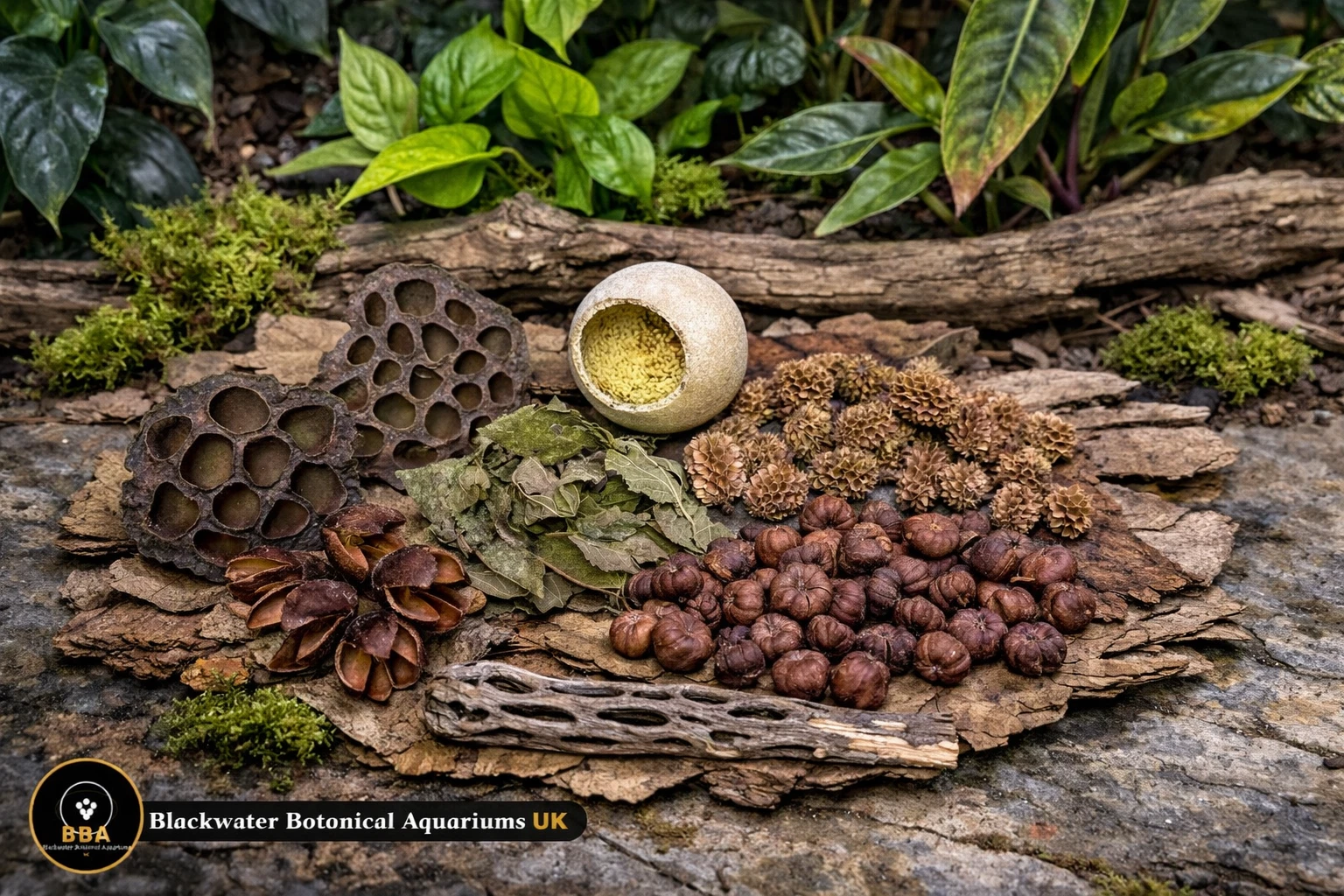
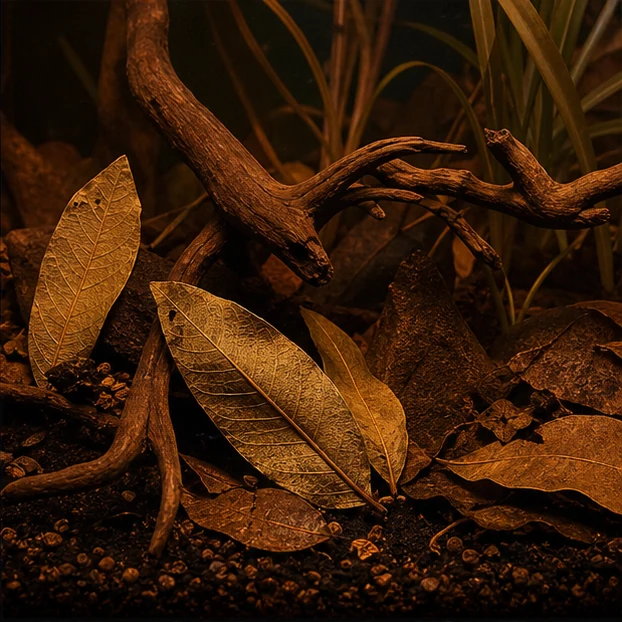
Illustrative BBA product-world scenes showing how this product can fit into a natural botanical aquarium route. Use them as context ideas, not as a promise that every tank will look the same.
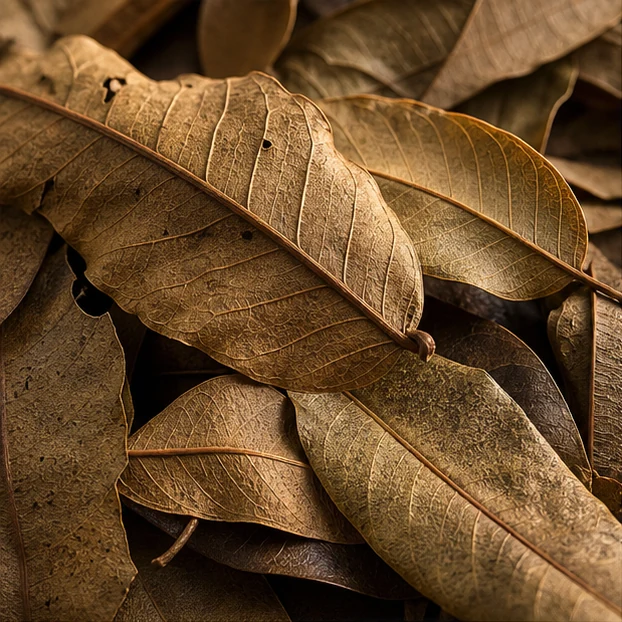
Illustrative product-world scene; real tanks and natural pieces will vary.
OTHER CUSTOMER ROUTES
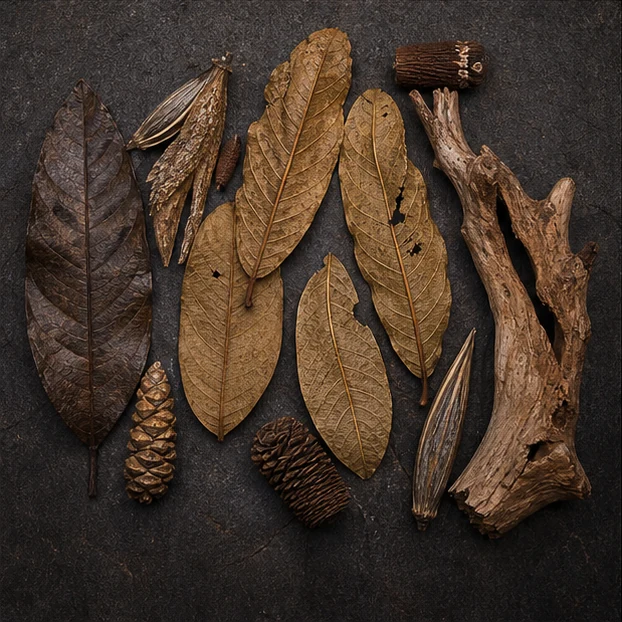
Beyond aquarium use, selected dry leaves, pods and woody pieces can also add natural structure, cover and surface complexity to suitable paludarium, vivarium and bioactive setups. Choose materials to suit the scale, moisture level and animals in the enclosure.
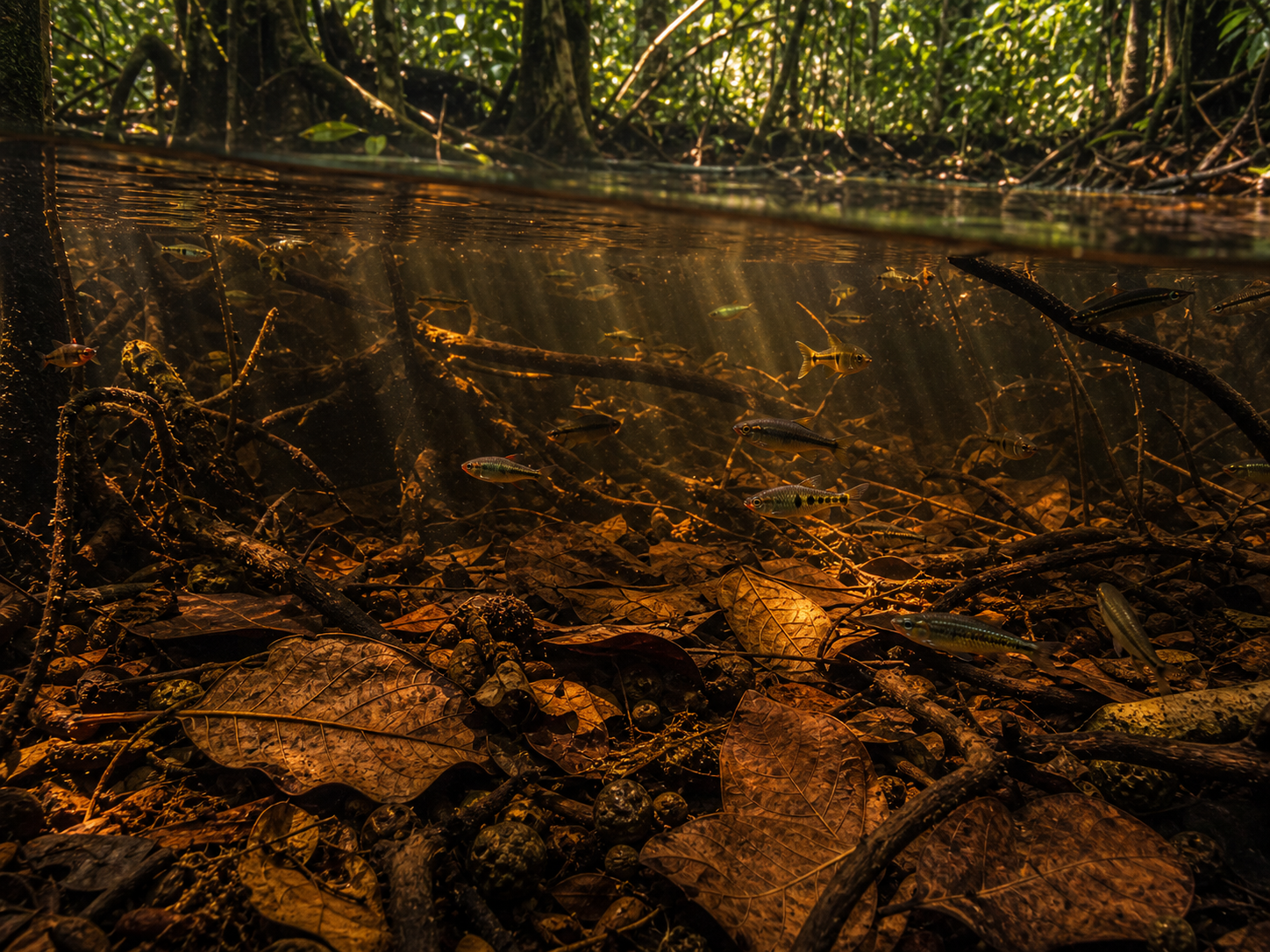
Use suitable leaves, pods and woody pieces through damp margins and transitional areas to connect the aquatic and terrestrial parts of a naturalistic layout.
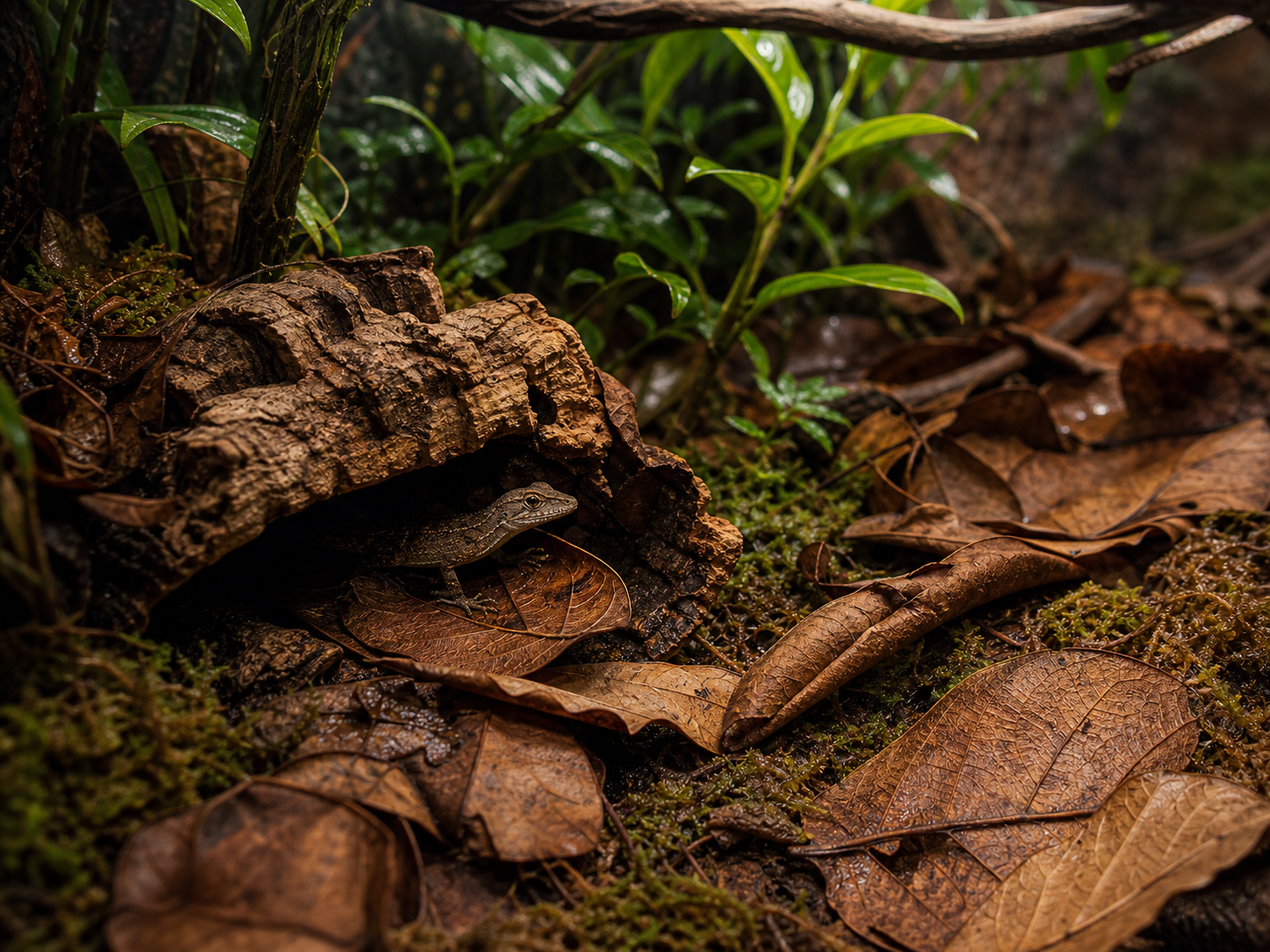
Leaves and suitable harder pieces can form part of the litter and structural layer used around an established bioactive substrate. They are not a complete substrate by themselves.
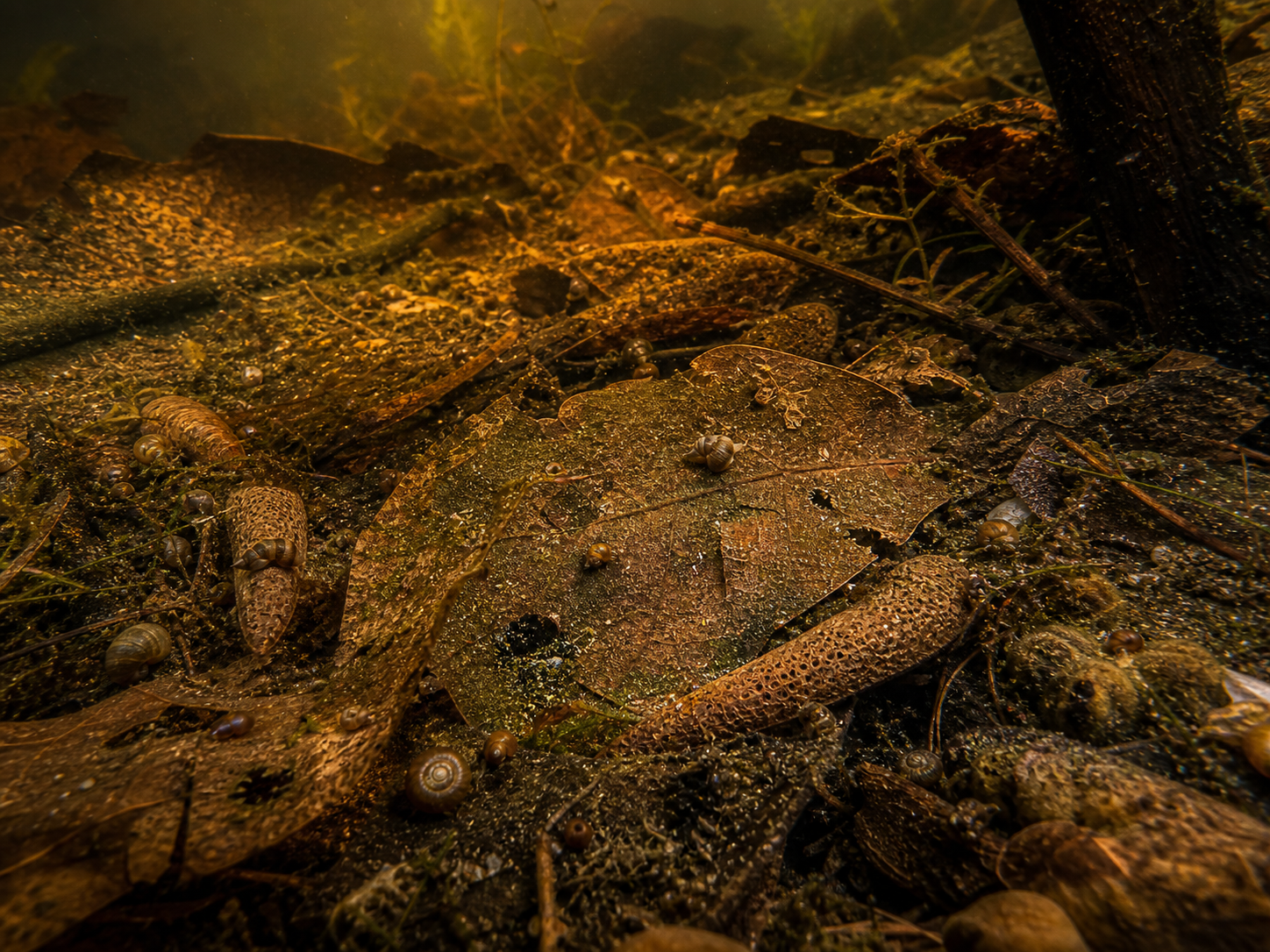
Suitable leaves and dry botanical pieces can provide cover, surface complexity and material that gradually becomes part of the decomposer environment.
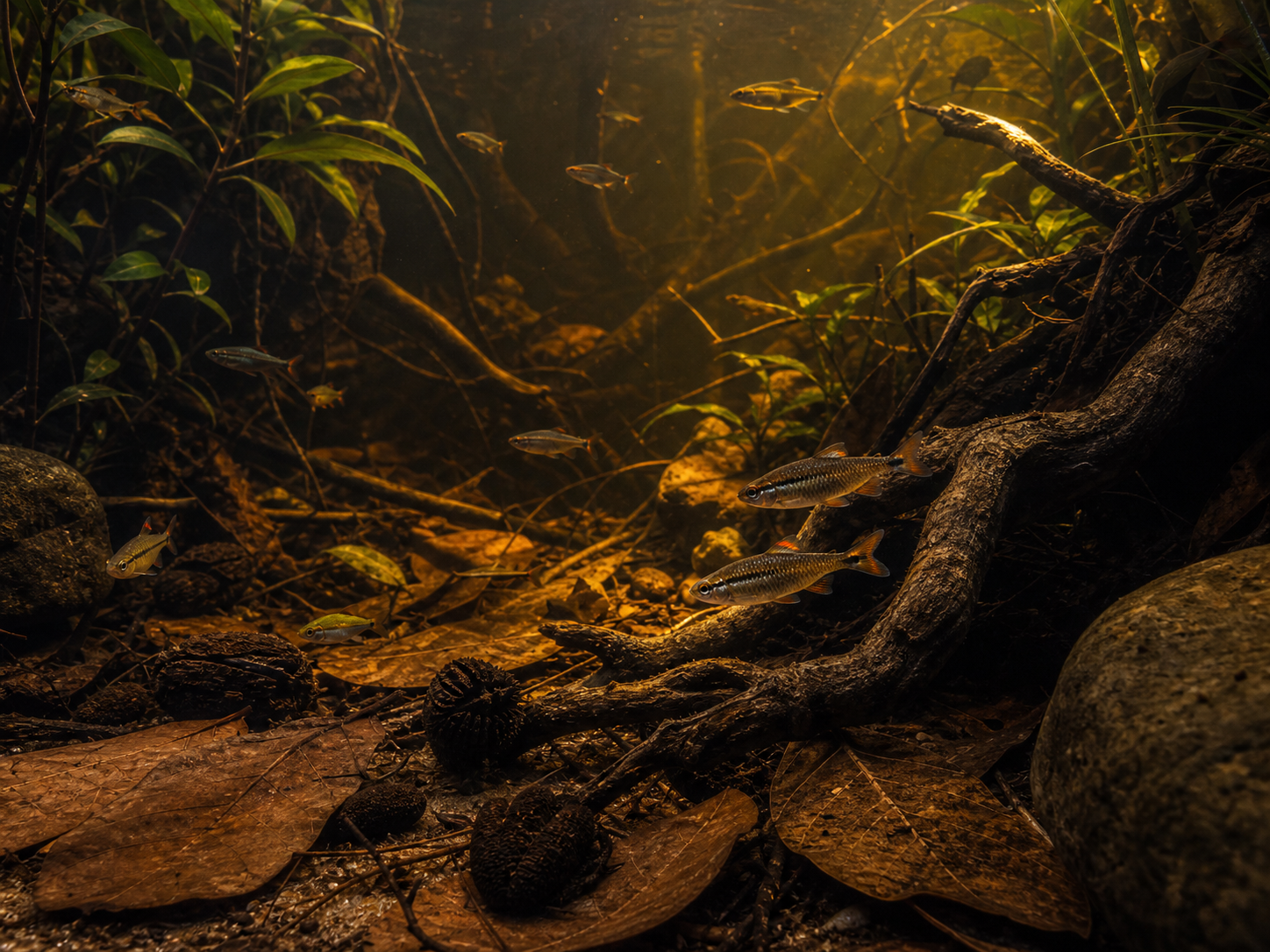
Use suitable pieces as additional cover and surface complexity within an established decomposer setup, not as a complete food or substrate system.
Best for
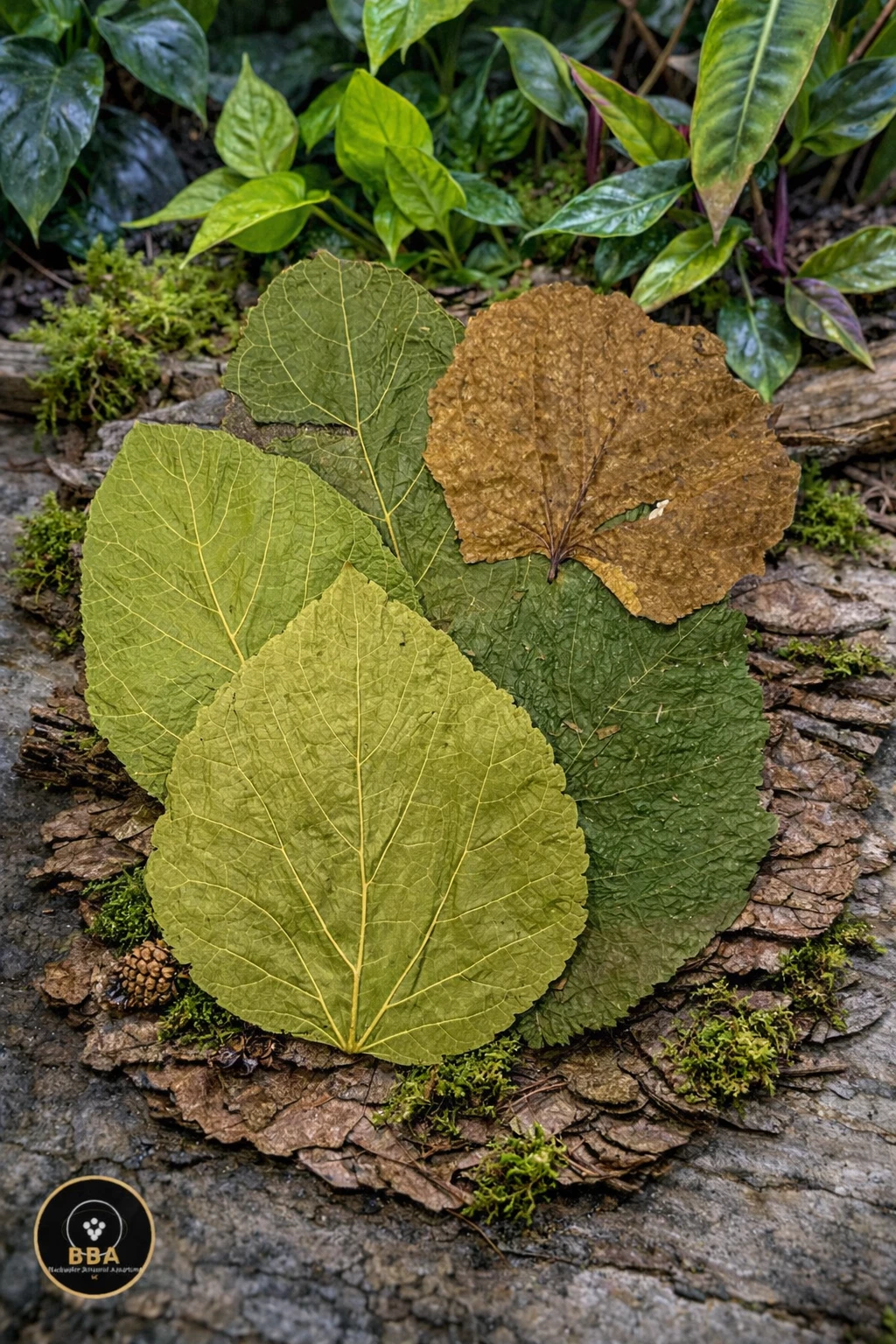
Natural freshwater, shrimp, snail and botanical layouts that need a different leaf texture beside Catappa or Mulberry.
What it does not do
It is not a medicine, not an antibacterial promise and not a guaranteed water-parameter tool.
Choose it when you want a prepared leaf-litter texture that feels different from the more familiar Catappa route.
Yes, but build mixed leaf litter gradually so the tank is not changed too quickly.
No. It is a natural botanical leaf-litter product, not veterinary or medical advice.
Colour, curl, edge shape, thickness and breakdown speed can vary from leaf to leaf.
LEARN BEFORE YOU ADD
COMPLETE THE ROUTE