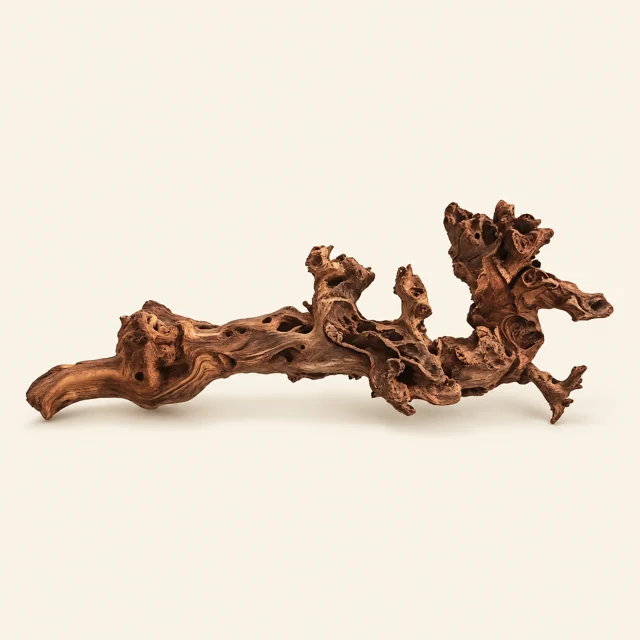
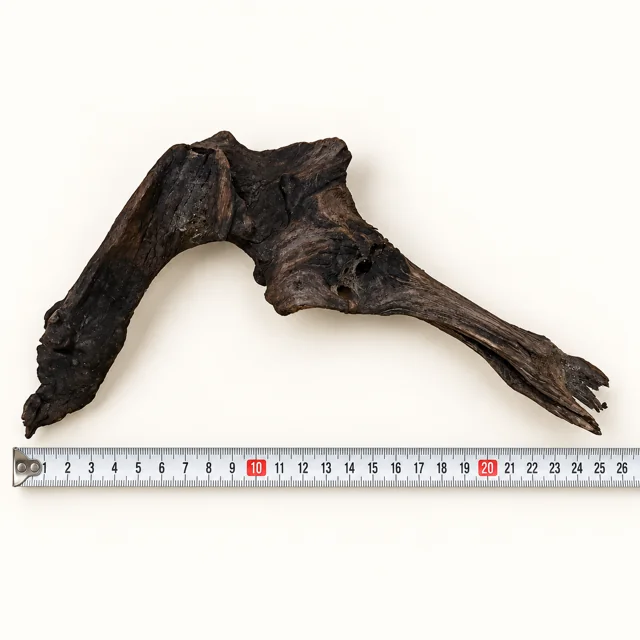
Catalogue photograph - material example, not the illustrated piece
Natural Gnarled Root Driftwood – Sculptural Aquarium & Terrarium HardscapeView product and options →BBA Worlds / Freshwater Aquascaping
Build the view around a root, a planted bank or the space between two branches. Clear freshwater aquascaping brings wood, stone and living plants into balance, with open routes for fish and maintenance. Explore four different approaches and choose materials for the aquarium you can care for.
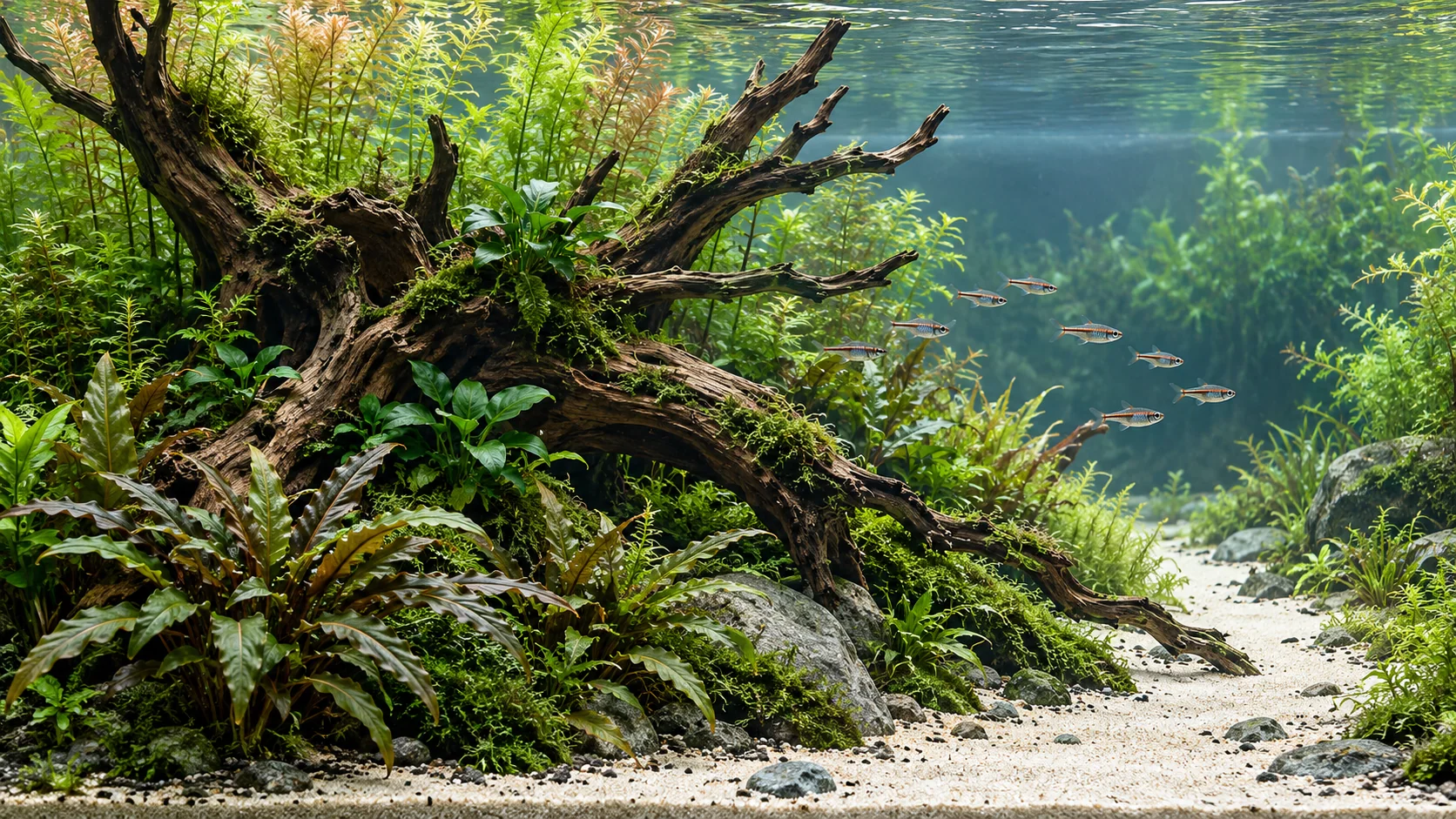
The spaces matter as much as the objects. Follow the main wood line, the planted margins and the clear routes around them. Compare each illustrated role with the real product photographs and dimensions.
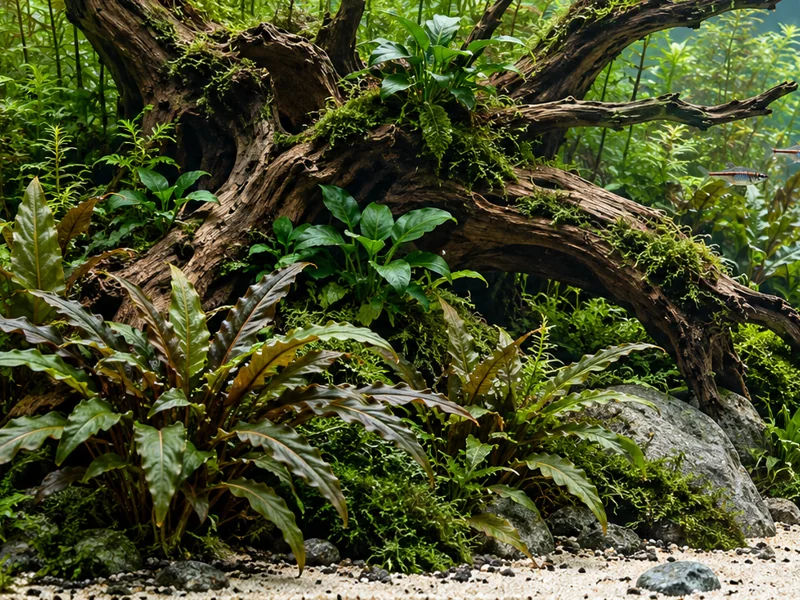
Choose a stable focal piece and build the planting around its direction. A gnarled root gives a different character from a straight branch. Allow room for growth and keep routes behind the wood accessible for cleaning.
Compare the real BBA material
Catalogue photograph - material example, not the illustrated piece
Natural Gnarled Root Driftwood – Sculptural Aquarium & Terrarium HardscapeView product and options →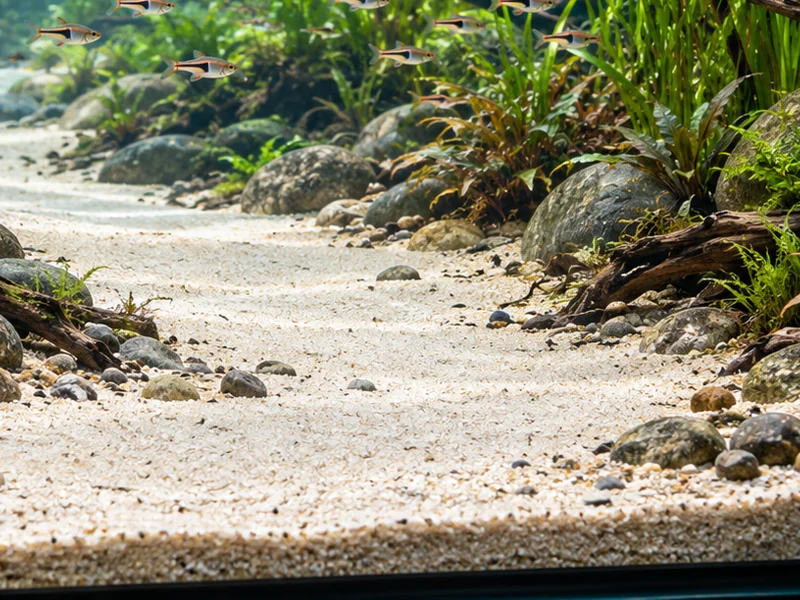
Keep sand separate from planted areas where practical and make every stone secure. The pictured rounded grey cobbles are a composition reference: Red Wood Rock is a warm-toned textured alternative, not the identical stone. Check its real appearance and water suitability.
Compare the real BBA material
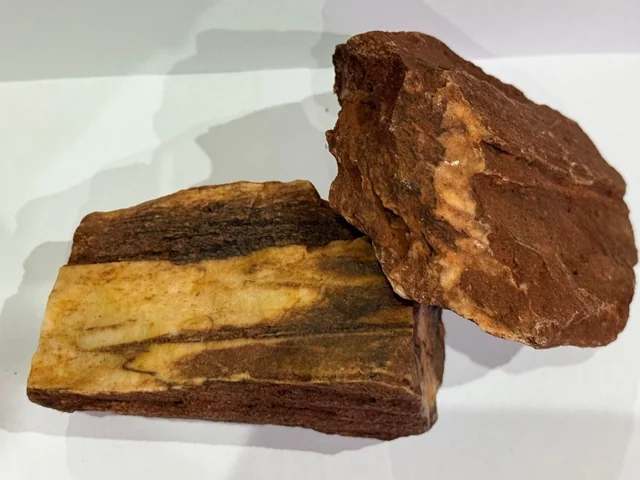
Catalogue photograph - material example, not the illustrated piece
Red Wood Rock Aquascape StoneView product and options →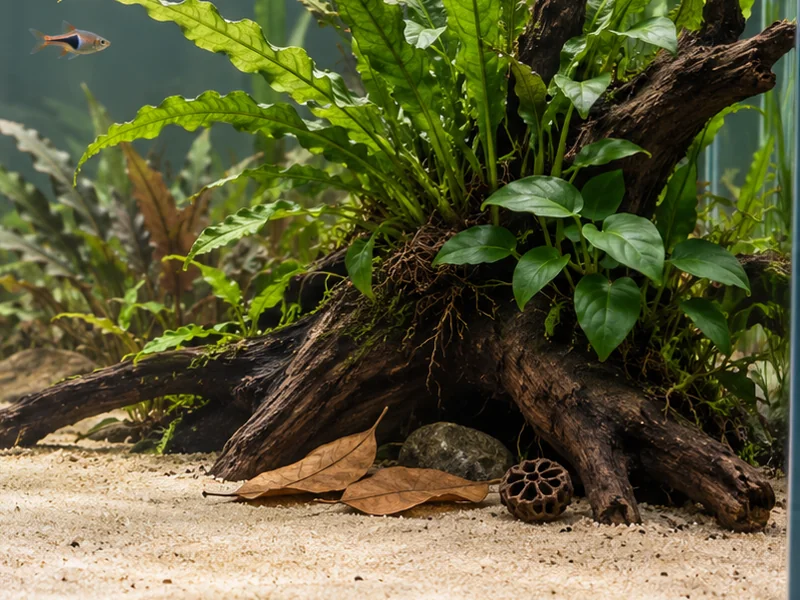
The low-tech route uses a small leaf accent beside the wood, leaving the foreground open. Beech leaves provide another shape to compare. Botanicals are optional; use modest prepared portions rather than assuming a planted aquarium needs dark water.
Compare the real BBA material
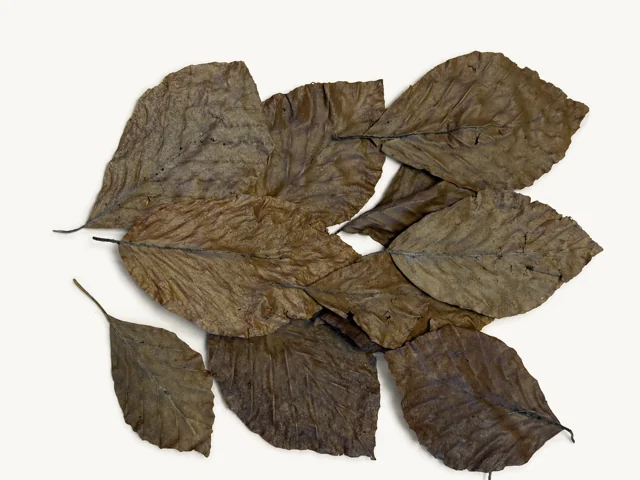
Catalogue photograph - material example, not the illustrated piece
Dried Beech Leaves (Fagus sp.) – Natural Aquarium Leaf LitterView product and options →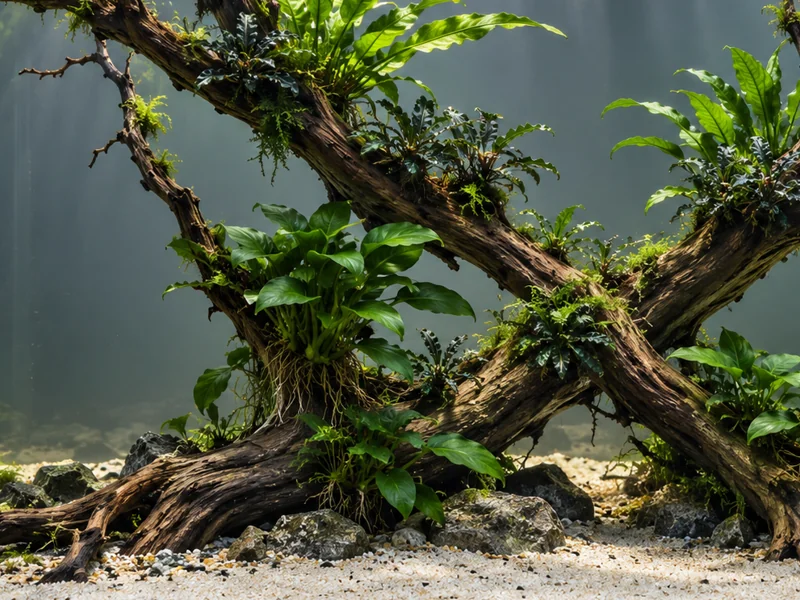
Fit plants to the wood rather than burying their rhizomes. A branching coral-style piece offers attachment points and open spaces; check the actual piece size and leave room to trim, clean and reach the filter.
Compare the real BBA material
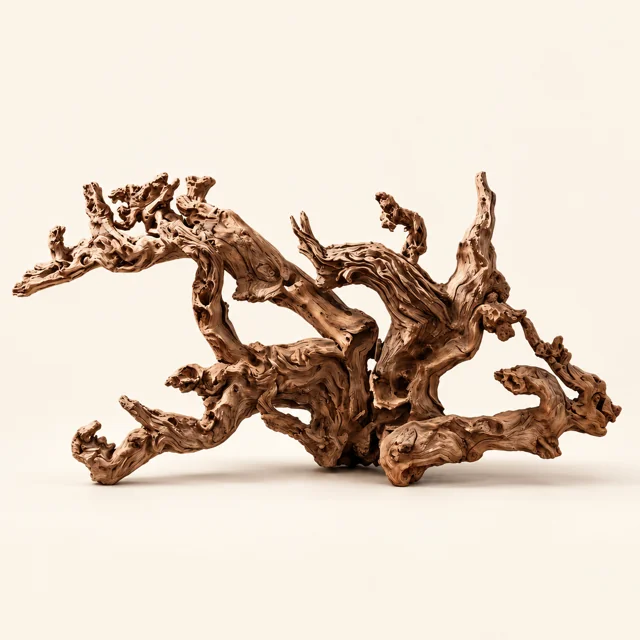
Catalogue photograph - material example, not the illustrated piece
Natural Coral-Style Driftwood – Sculptural Branching Wood, 19–24 cm, 26–30 cm or 35–40 cmView product and options →Choose the planting method, maintenance commitment and inhabitants together. Clear water does not mean identical water chemistry, equipment or stocking in every design.
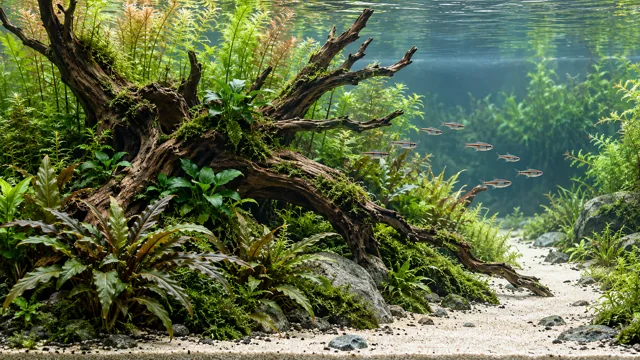
Layered planting / a strong wood line
A rich planted composition with a deliberate focal root, depth and an open foreground.
Place the main wood before planting, then use groups of different leaf sizes to separate foreground, middle and background. Match lighting, nutrition and any CO2 system to the actual plants; the photograph is not a promise that every planting is low-tech. Keep circulation through the planting and trim before it closes the swimming route. Plan adult fish space and water conditions independently of the visual style.
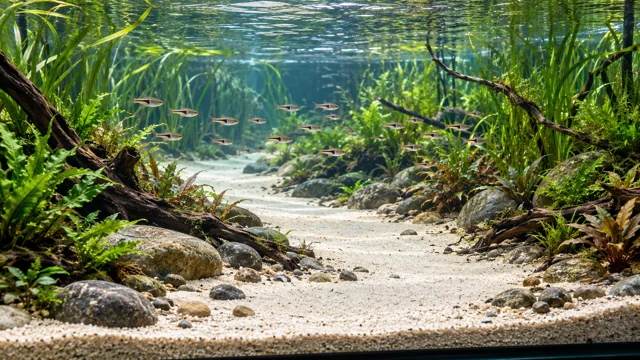
Open sand / planted margins / gentle movement
A broad pale channel between loose planted banks, with stones and modest roots at the edges.
Keep the swimming corridor open, orient the filter outlet to move water along it and retain quieter margins. This is a gentle stream-inspired planted aquarium, not a high-energy Rio Xingu rock channel. Secure stones and avoid fine sand being blown across plant bases. The red and rust-toned BBA stones differ from the grey cobbles shown: compare colour, texture and potential mineral effects before selecting for soft-water fish.
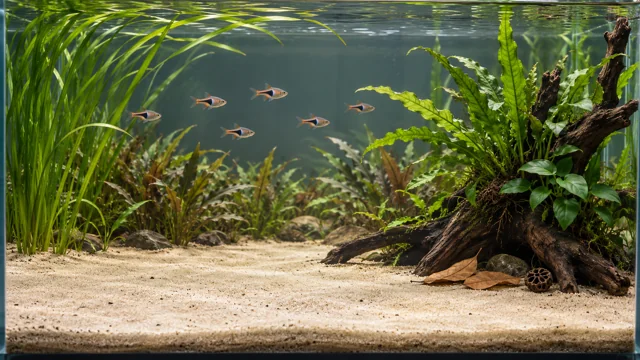
Modest light / manageable planting / optional leaves
A practical open aquarium with easy-access planting, one root and a restrained botanical accent.
Choose genuinely low-demand plants, moderate light and a routine you can maintain. Java fern and Anubias can attach to wood; suitable Cryptocoryne can root in an appropriate substrate. Hornwort is a different sold option that can float or be held without burying a root system; trim it so it does not shade the whole aquarium. Add a few prepared leaves only if useful. Wood and botanicals may release tannins, but strong tinting is not a requirement or a measure of success.
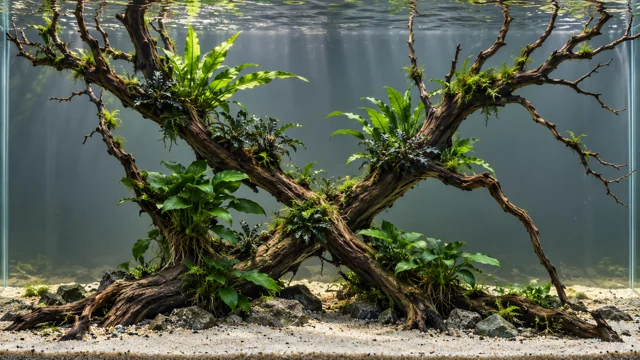
Attached plants / open branches / maintenance access
A bold crossed-wood framework with Anubias, Bucephalandra and Java fern above an uncluttered floor.
Position rhizomes above the substrate and fasten plants gently with suitable thread or a small amount of aquarium-safe plant adhesive, following its directions. Keep leaves and growing points free. Use restrained light appropriate to the chosen plants, water movement around the wood and access to remove detritus beneath it. Trim moss and thin crowded growth. Cholla can add a smaller secondary texture where its openings suit the inhabitants; it need not carry the whole layout.
Choose the structure first, then add only what improves the chosen layout. The products below are real catalogue options, not a complete replica kit for the pictures.
Compare silhouettes and dimensions rather than expecting an identical illustrated branch. Stable main pieces support planting; fine roots add scale without requiring a second large focal point.
Red Wood Rock and Maple Leaf Rock offer different warm-toned textures. Neither is the smooth grey stone shown in the stream scene. Rinse and stabilise them, and check mineral effects against the intended water and inhabitants.
A few leaves or a small wood texture can soften an edge. Keep additions proportionate to water volume, oxygenation and maintenance. The Structure Box contains a substantial pod-and-cone selection: use selected suitable pieces, not the whole box automatically in a clear planted tank.
BBA currently lists Hornwort and root-tab products. Hornwort is not a substitute for every illustrated plant; follow the listing and manage shade. Root tabs belong below suitable rooted plants, used as directed, not as an automatic treatment for attached epiphytes.
Current photographs, product options and availability. Compare wood forms, stone textures and selected botanical details with your own tank dimensions and water plan.
Explore the quieter supporting roles as well as the focal hardscape. Choose by need, not by the number of products in the scene.
Use these as separate options: a wood base, a genuine available plant and targeted nutrition for suitable rooted plants. The plants pictured are not all sold by BBA.
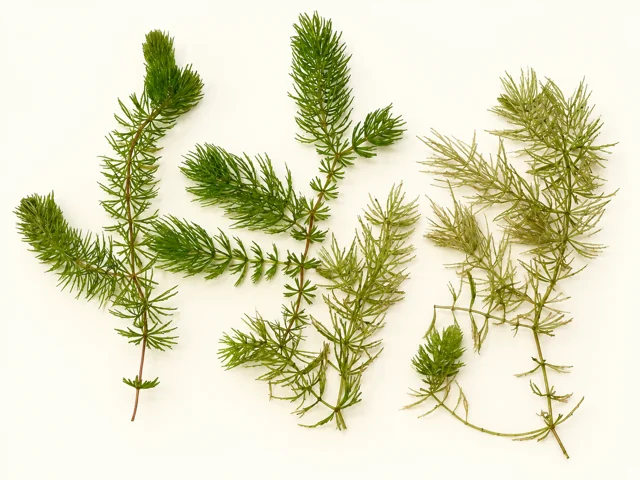
A real plant option; manage shade and trimming
Ceratophyllum demersum – Hornwort Fresh CuttingsView product and options →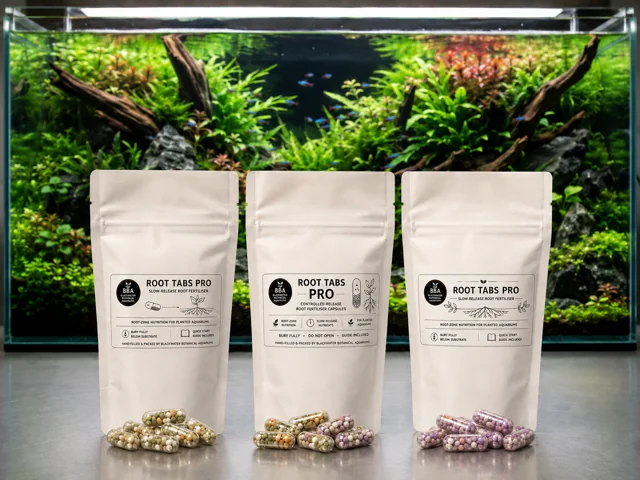
Keep the sandy maintenance route open. Small leaf portions or a secondary wood texture can add detail without turning the composition into a dense blackwater floor.
Compare a small leaf accent
Dried Beech Leaves (Fagus sp.) – Natural Aquarium Leaf LitterView product and options →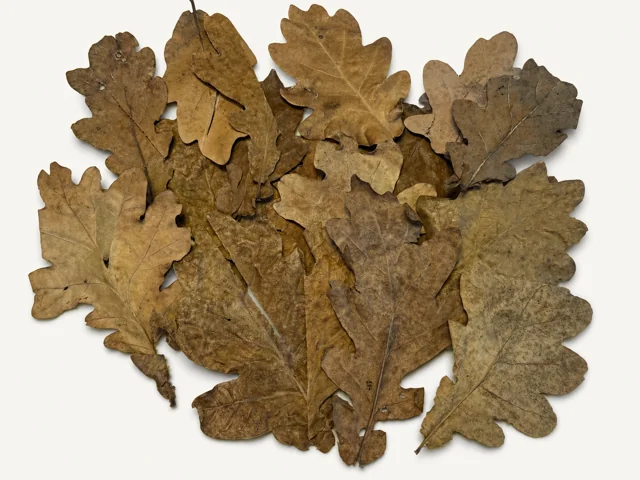
A different shape for the botanical margin
Dried Oak Leaves – Natural Aquarium Leaf LitterView product and options →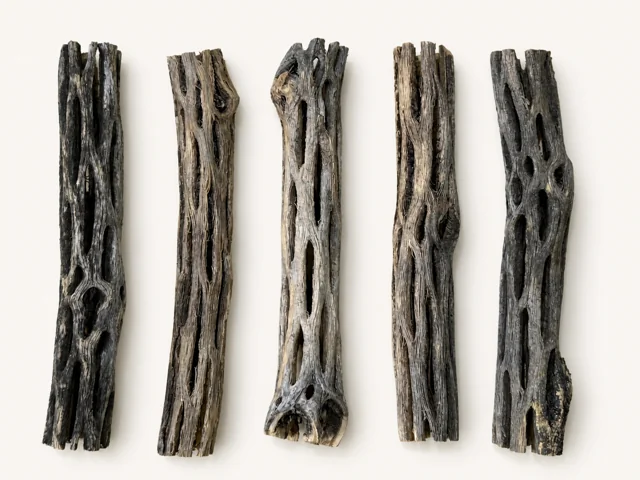
Check openings and position for the chosen animals
Cholla Wood / Cactus SkeletonView product and options →Decide how the aquarium will function before filling every space. Plant growth and the needs of the inhabitants set the pace.
Set the adult swimming space, water conditions and equipment plan first. Fish and shrimp links below are research starting points, not a recommendation to mix them all.
Arrange the wood and stones with clear glass-cleaning access. Check stability, substrate boundaries and whether equipment can still be reached.
Rinse and condition suitable hardscape. Use an appropriate substrate for rooted plants, and leave attached-plant rhizomes exposed above it.
Leave gaps between groups, avoid burying growing points and make room for pruning. Match lighting and nutrition to the plants actually chosen.
Cycle filtration and check stable water conditions. Set circulation so it reaches the planting without burying it in sand or eliminating sheltered areas.
Trim overgrowth, lift debris from accessible areas and remove excessive decaying leaves. Add botanical details gradually and adjust them to the aquarium’s response.
Practical reading from the BBA Knowledge Centre, chosen for this World.
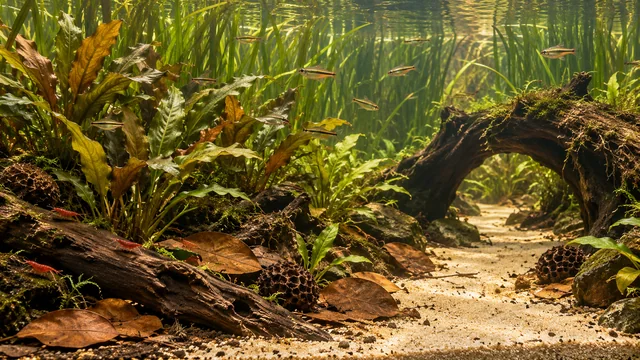
Plan depth, planting and access around a rooted composition.
Read the guide →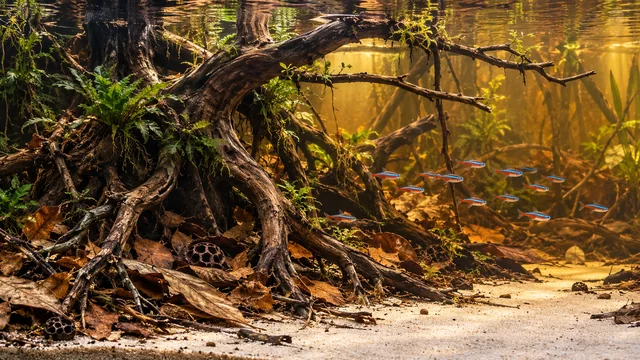
Use wood direction and restrained botanical structure.
Read the guide →Balance light, leaves and useful growing space.
Read the guide →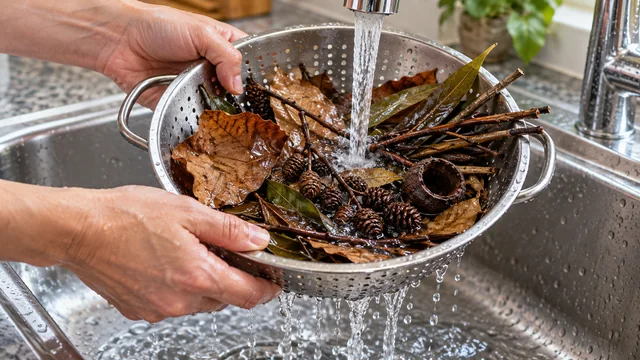
Prepare wood and botanical details before gradual introduction.
Read the guide →Choose a structure you enjoy, plants you can support and inhabitants whose needs fit the aquarium. Let the materials serve that plan, then keep the spaces that make it work.