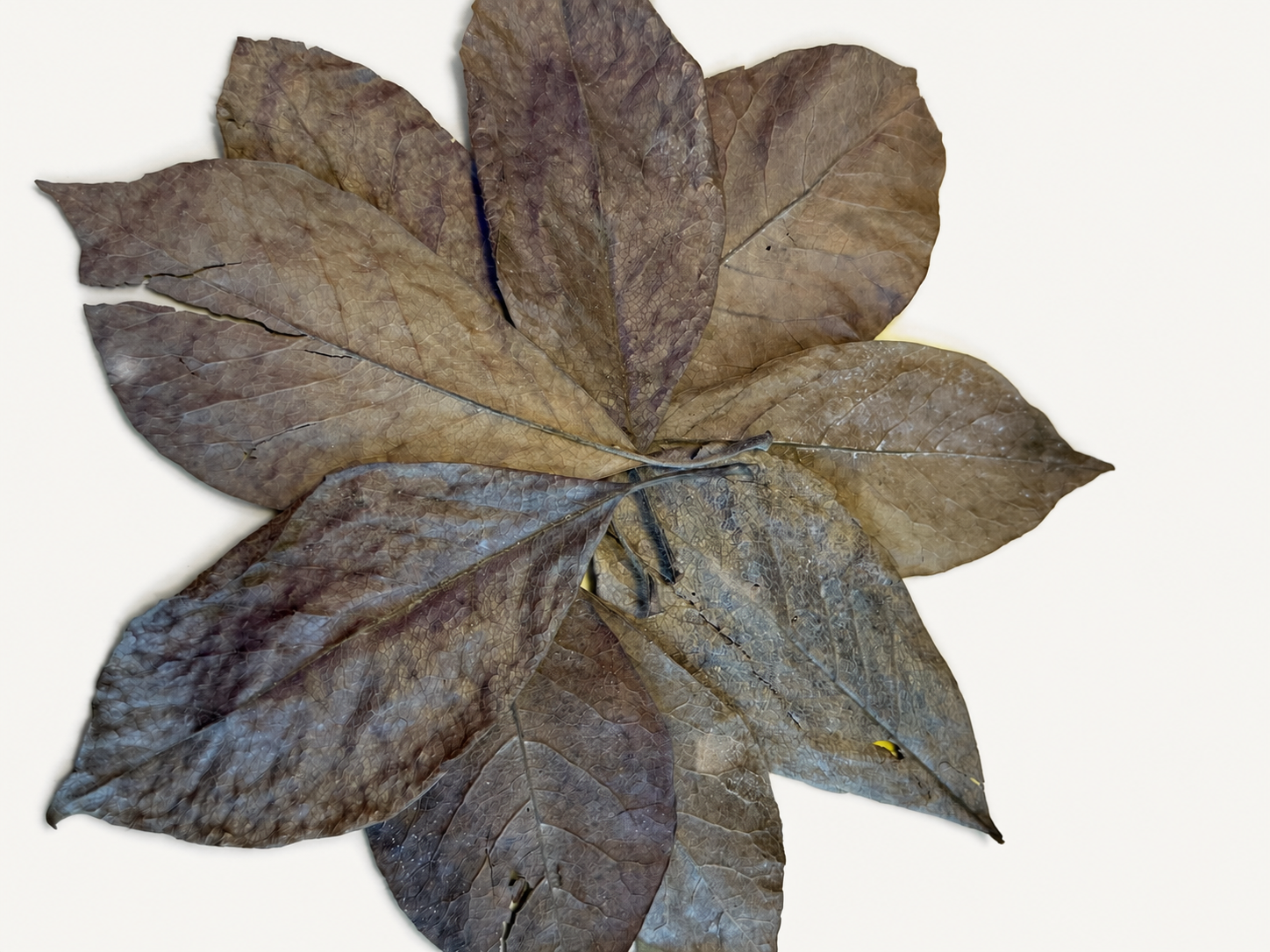
Catalogue photograph - material example, not the illustrated piece
Dried Magnolia Leaves – Natural Aquarium Leaf LitterView product and options →BBA Worlds / Naturalistic Terrarium
A naturalistic terrarium grows from layers: ground texture, structure, planting and the spaces between them. Explore how those elements work together, then choose materials around the environment you want to create.
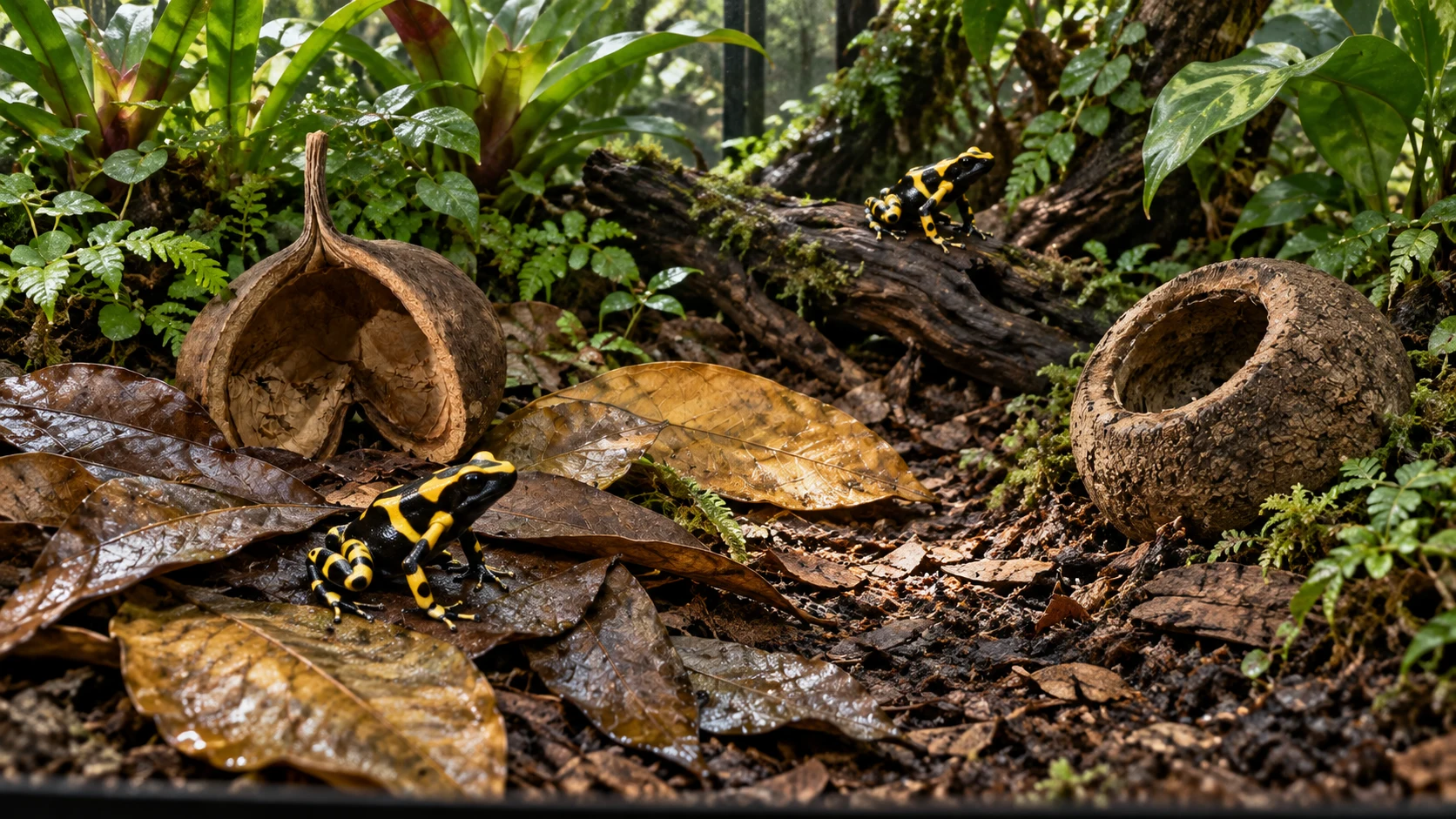
Look from the forest floor to the higher branches, then follow the open spaces between them.
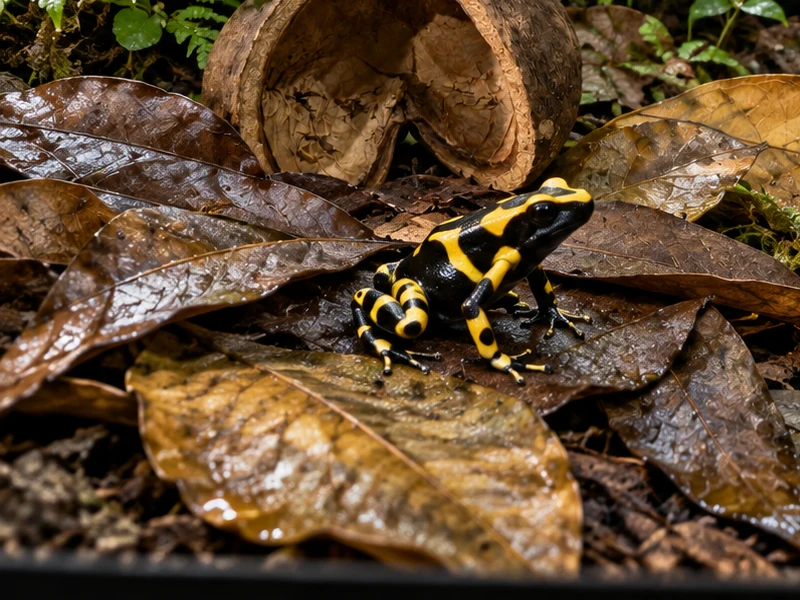
Yellow-banded dart frogs bring scale and movement to the leaf layer. Broad Magnolia forms overlap with lighter oval Jackfruit leaves, leaving ground visible between patches.
Compare the real BBA material
Catalogue photograph - material example, not the illustrated piece
Dried Magnolia Leaves – Natural Aquarium Leaf LitterView product and options →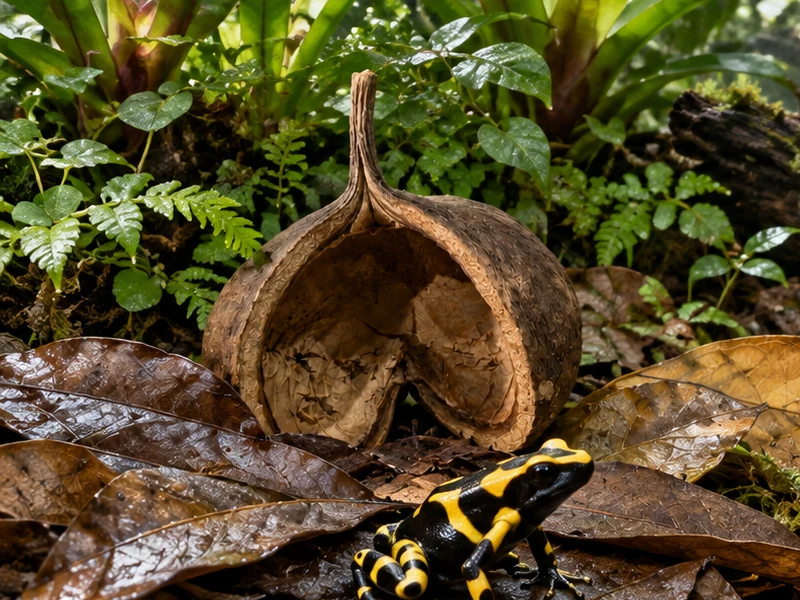
The pointed stem and open curve of a Buddha Nut make a clear accent. Compare its real shape below, then choose a size that works with the surrounding leaves.
Compare the real BBA material
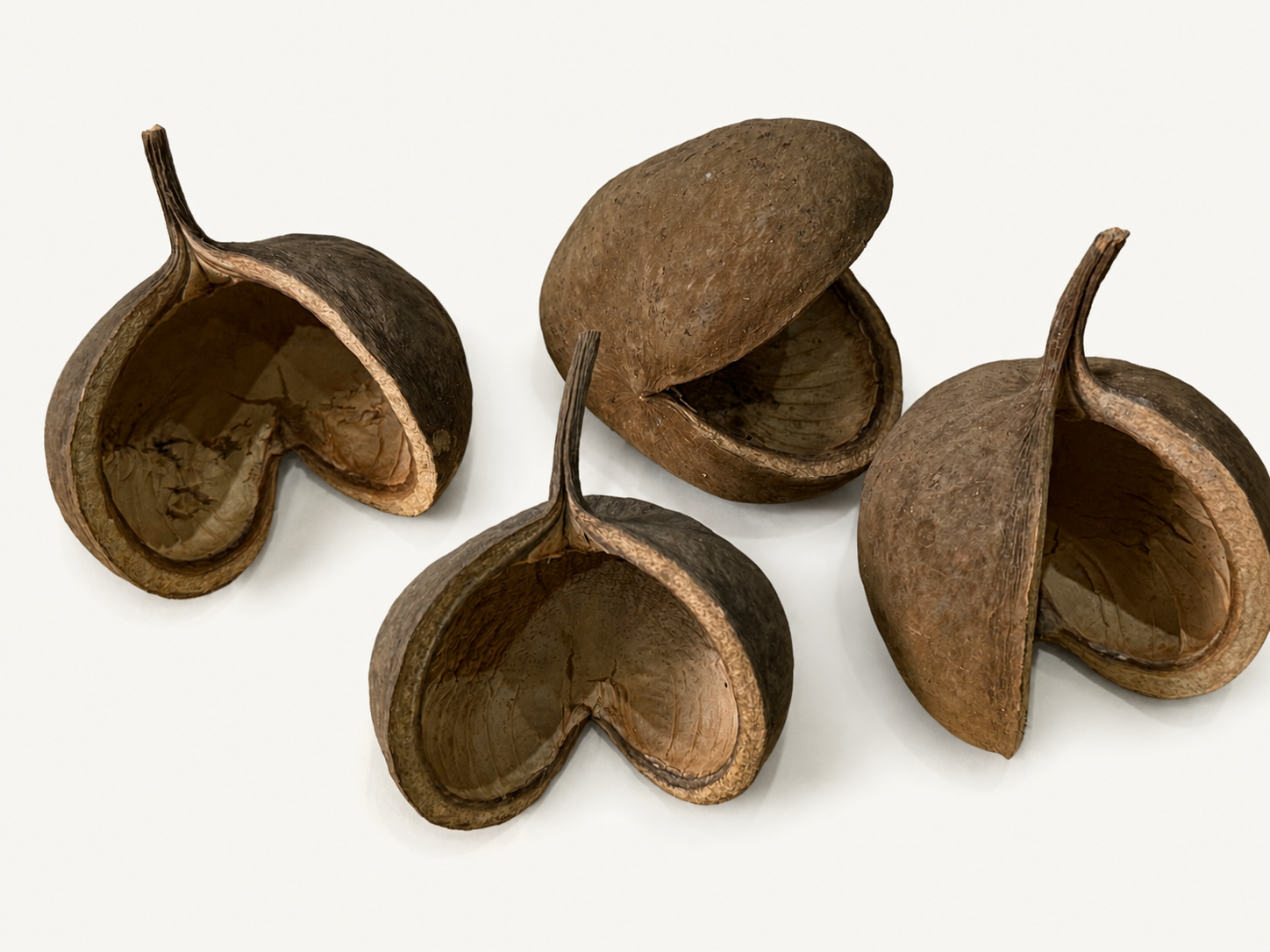
Catalogue photograph - material example, not the illustrated piece
Buddha Nut (Pterygota alata) – Natural Seed PodView product and options →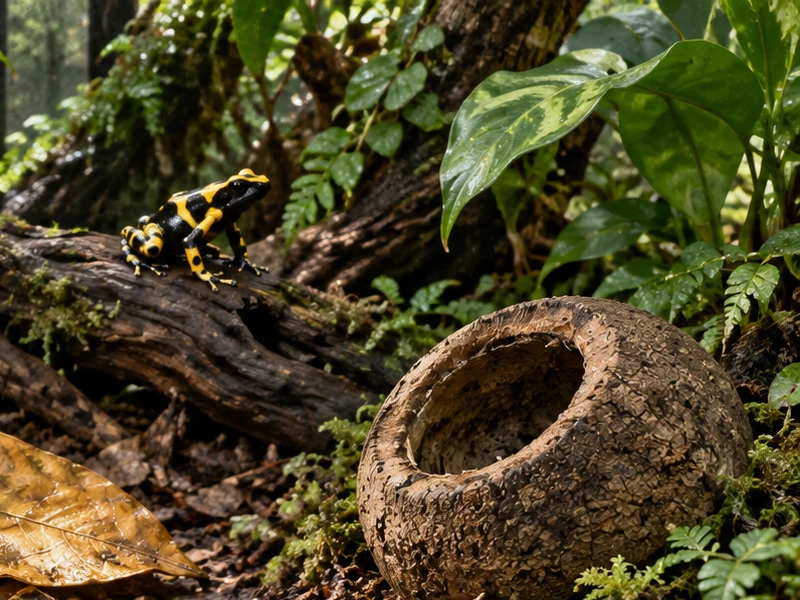
Sapucaia brings a rounded, substantial woody form beneath the planting. Its opening and proportions are different from an open split pod.
Compare the real BBA material
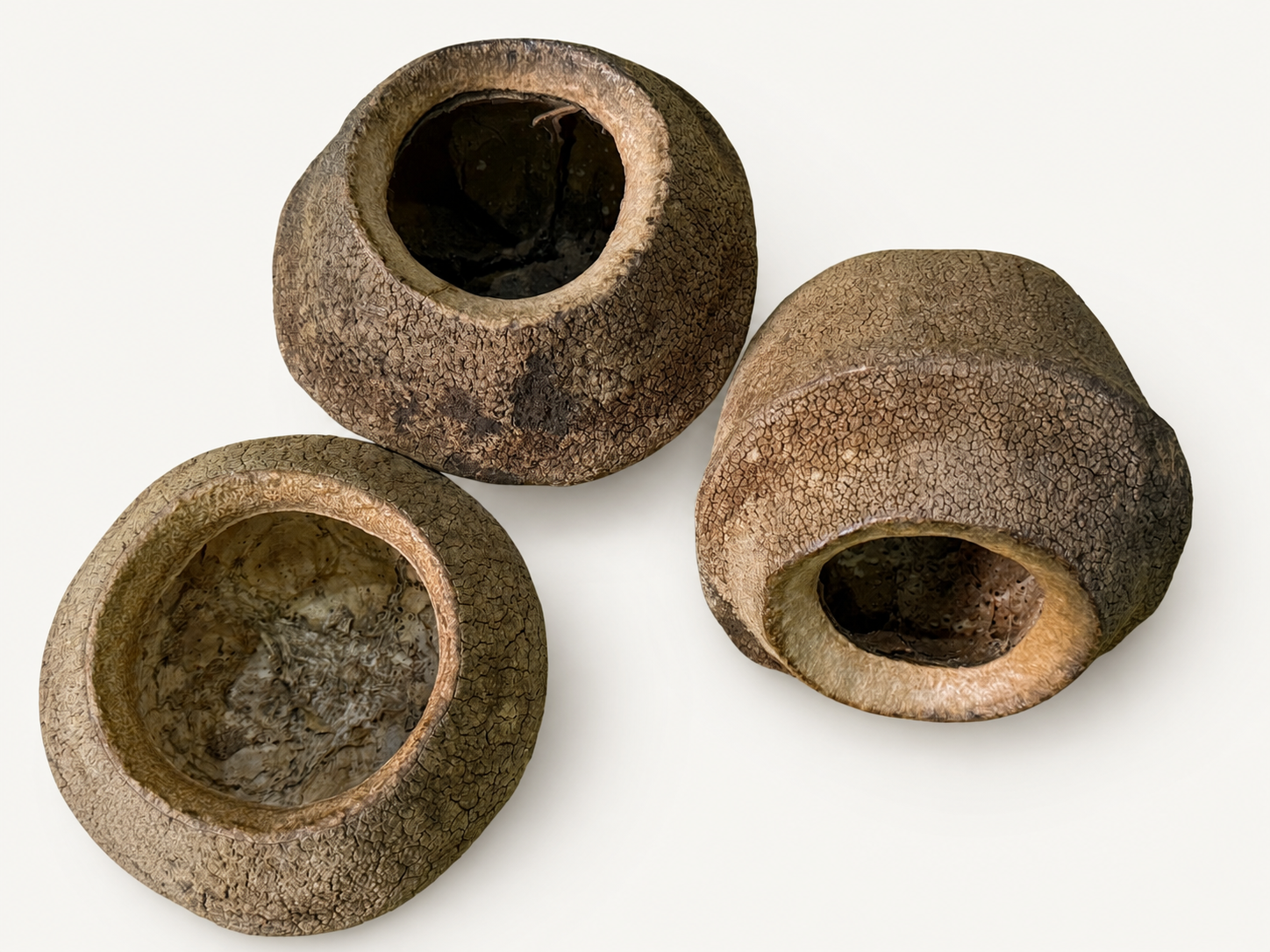
Catalogue photograph - material example, not the illustrated piece
Sapucaia Pod / Monkey Pot (Lecythis pisonis) – Natural Seed PodView product and options →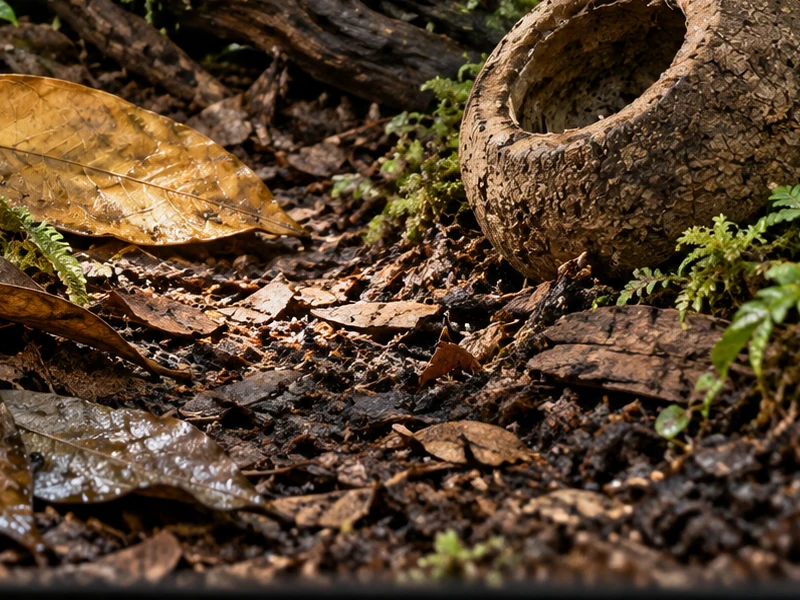
An exposed ground route gives the scene breathing room. Alternate broad and oval leaf forms around it rather than covering every surface.
Compare the real BBA material
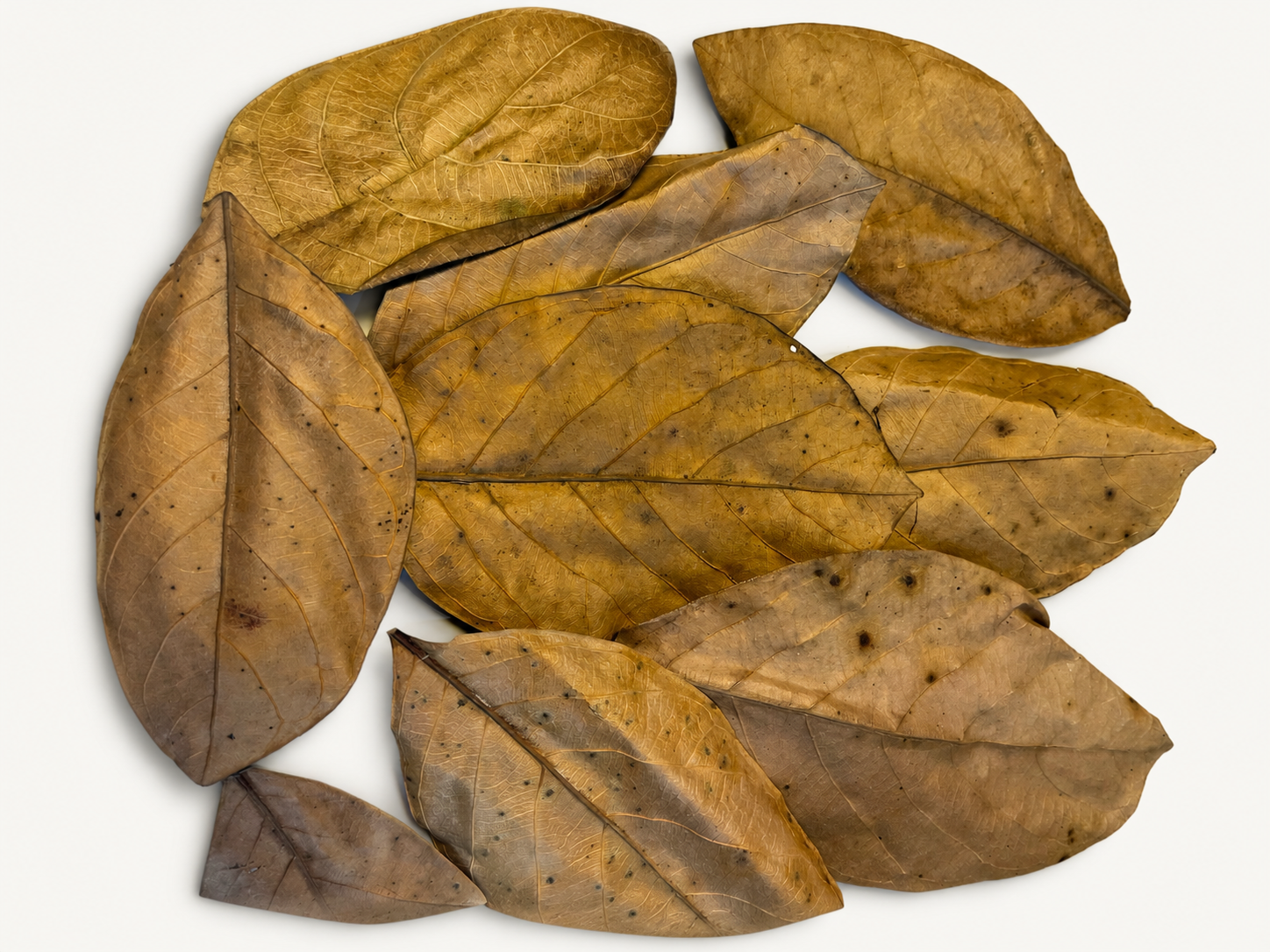
Catalogue photograph - material example, not the illustrated piece
Dried Jackfruit Leaves (Artocarpus heterophyllus) – Blackwater Leaf LitterView product and options →Begin with the main lines of the enclosure, then add texture where it gives the scene something useful.
Branching Mangrove Root Driftwood establishes the main lines of the layout. Position the wood securely, leave the ground accessible and let the leaf layer soften the base.
The Frog Bundle within Blackwater Botanical Starter Packs brings together a starting selection for a humid naturalistic habitat. Explore this exact option and its contents, then choose where each piece belongs in your enclosure.
Magnolia Leaves bring broad, curved forms to the ground layer. Jackfruit Leaves add a different outline alongside them. Choose one for a quieter rhythm or combine the two in loose patches, leaving some substrate visible.
Buddha Nut adds an open curved form among the leaves, while Sapucaia Pod / Monkey Pot creates a stronger woody focal point. Compare the actual sizes and openings, then position your chosen pod with clear access around it.
Choose individual materials for the role you want to add. This featured selection is only a starting point: explore the wider botanical range just below.
These featured materials are a starting point, not the full BBA range. Compare more leaves, pods, wood and botanical selections below. Product photographs show material examples; natural pieces vary in shape, size and texture.
Compare broad Magnolia, oval Jackfruit and the firmer texture of Guava. Mix outlines for a varied floor or repeat one shape for a quieter look. Select preparation and placement for your enclosure.
Broad leaf shapes · layered cover
Dried Magnolia Leaves – Natural Aquarium Leaf LitterView product and options →Oval outlines · contrasting leaf texture
Dried Jackfruit Leaves (Artocarpus heterophyllus) – Blackwater Leaf LitterView product and options →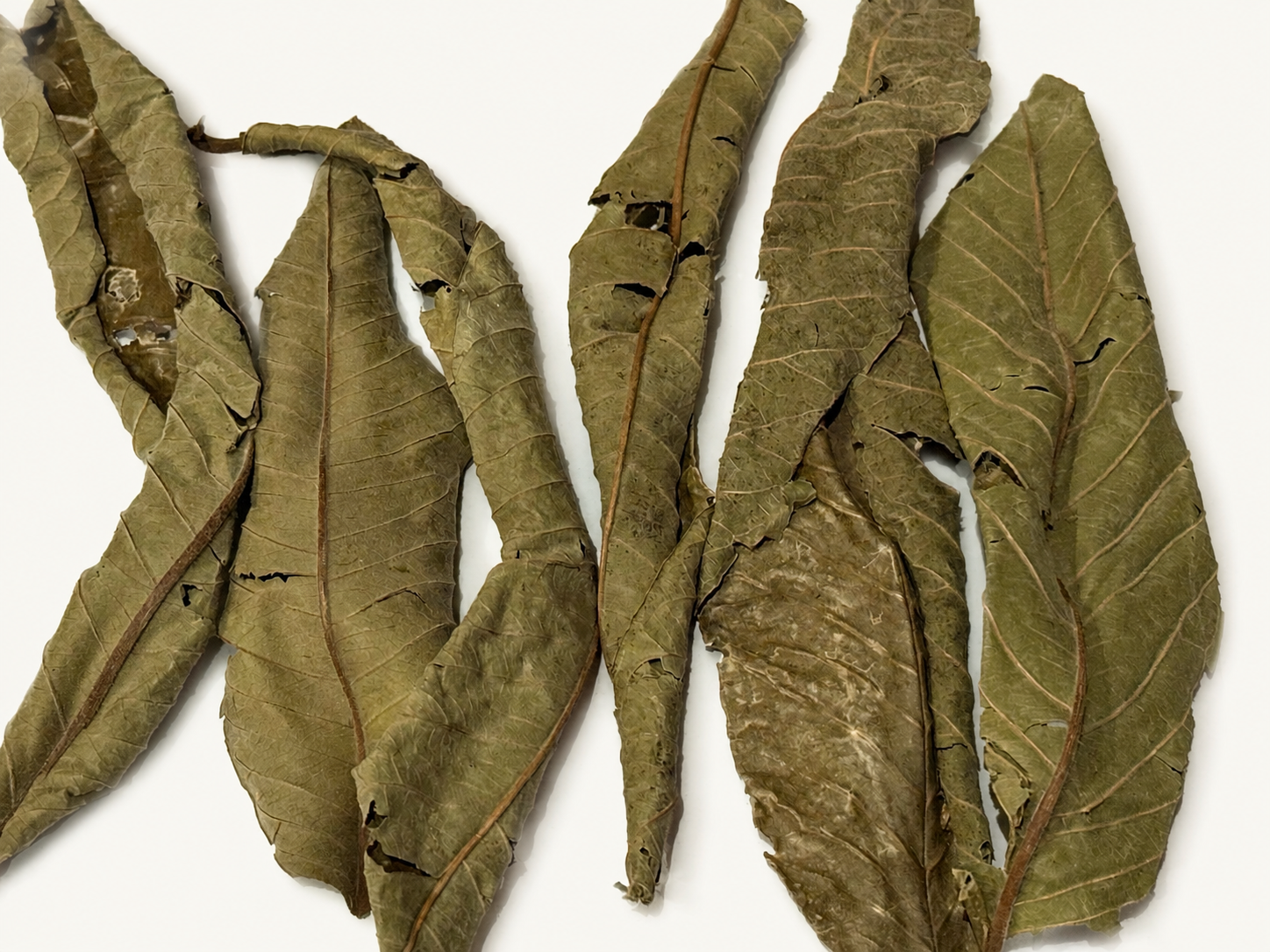
Firmer leaf texture - another oval outline
Dried Guava Leaves – Natural Aquarium Leaf LitterView product and options →An open curve, a round pot and an elongated capsule do different jobs. Compare actual product dimensions and openings rather than choosing by the name alone.
Open split capsule · curved accent
Buddha Nut (Pterygota alata) – Natural Seed PodView product and options →Round woody pot · larger focal form
Sapucaia Pod / Monkey Pot (Lecythis pisonis) – Natural Seed PodView product and options →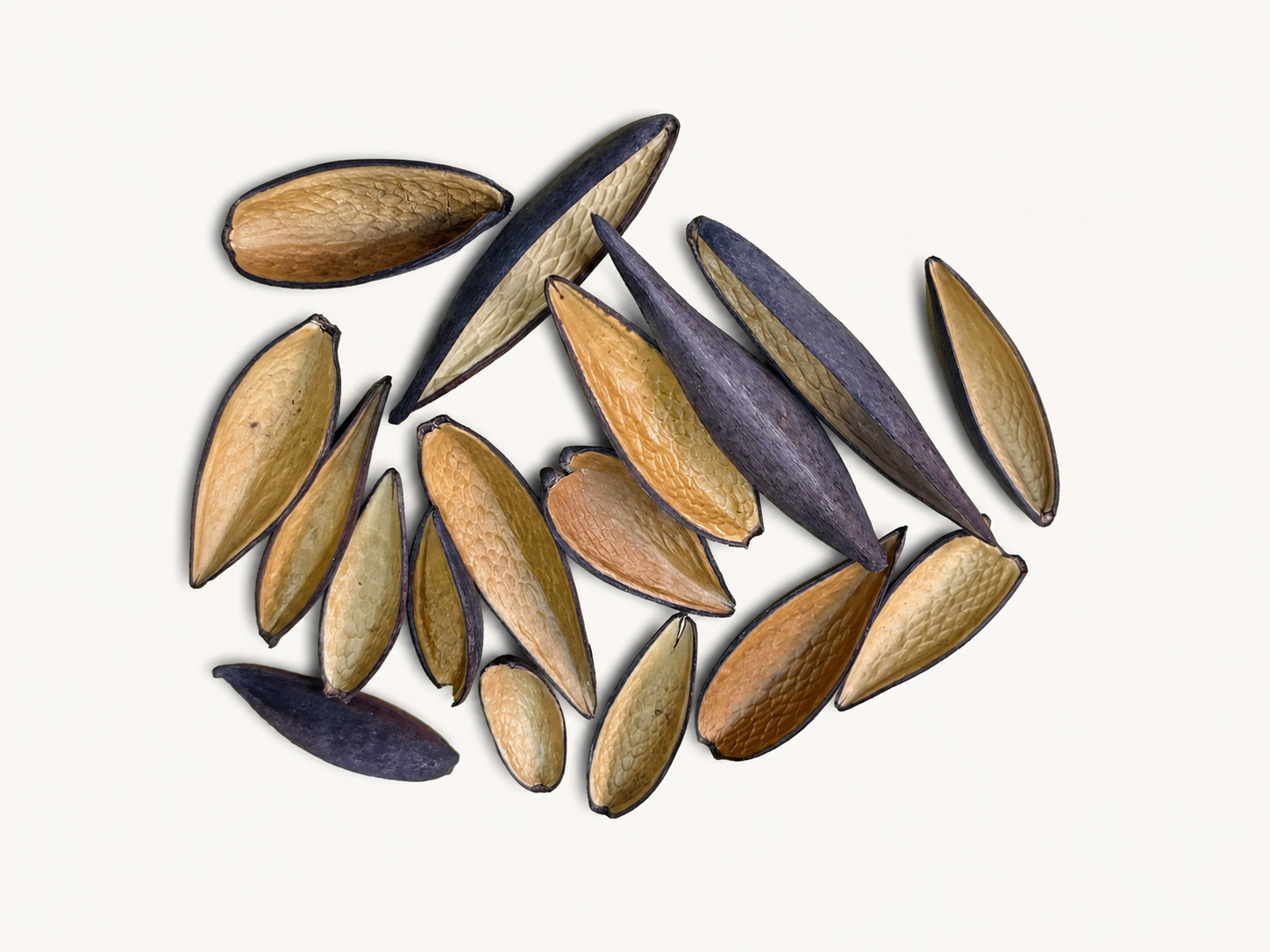
Elongated open pod · a different silhouette
Canoinhas Pods (Funtumia elastica) – Natural Seed PodsView product and options →Explore structural alternatives in the wood range. Root branches, perforated Cholla and rolled bark have different openings and surface textures; choose the form for its intended placement, moisture and inhabitants.
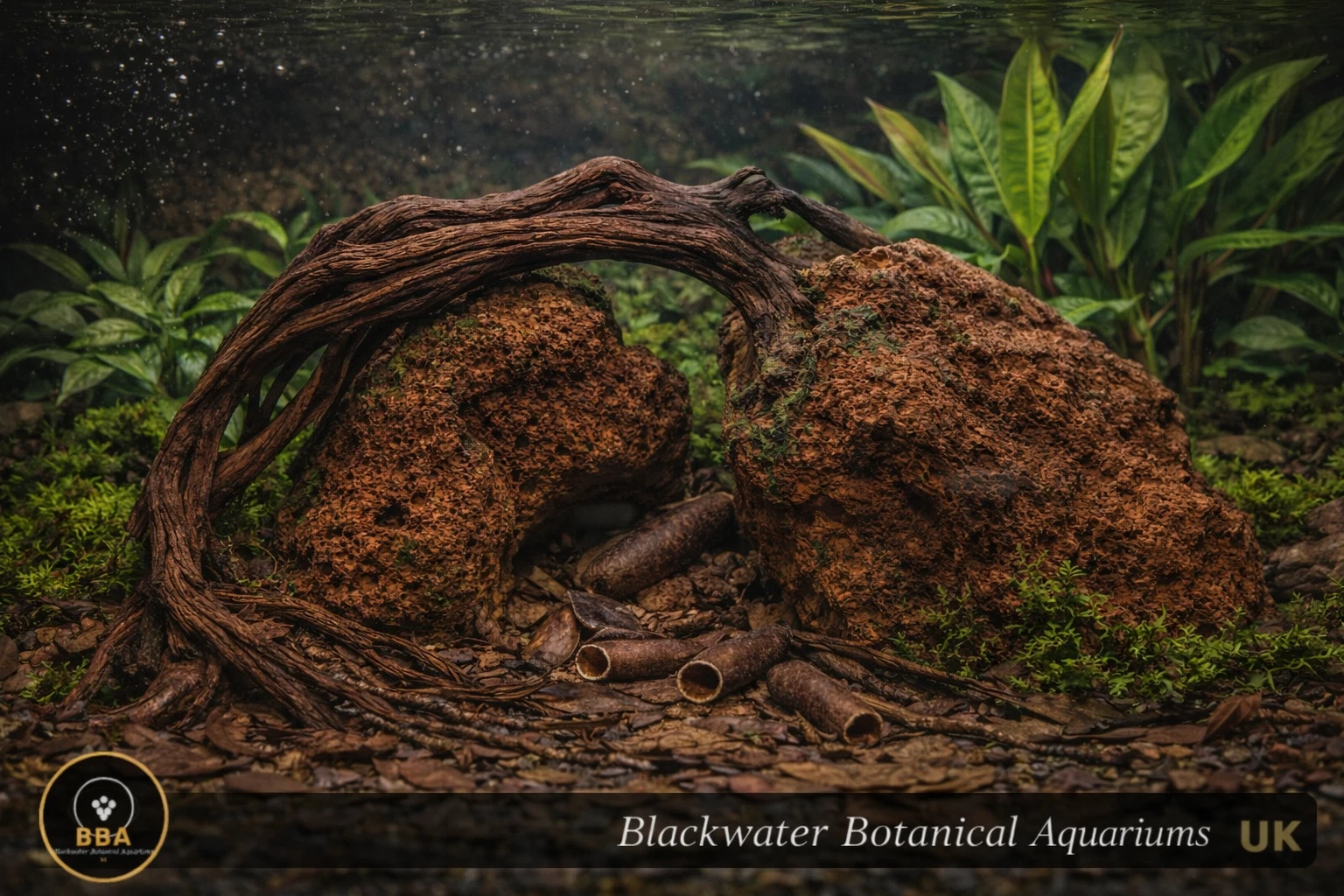
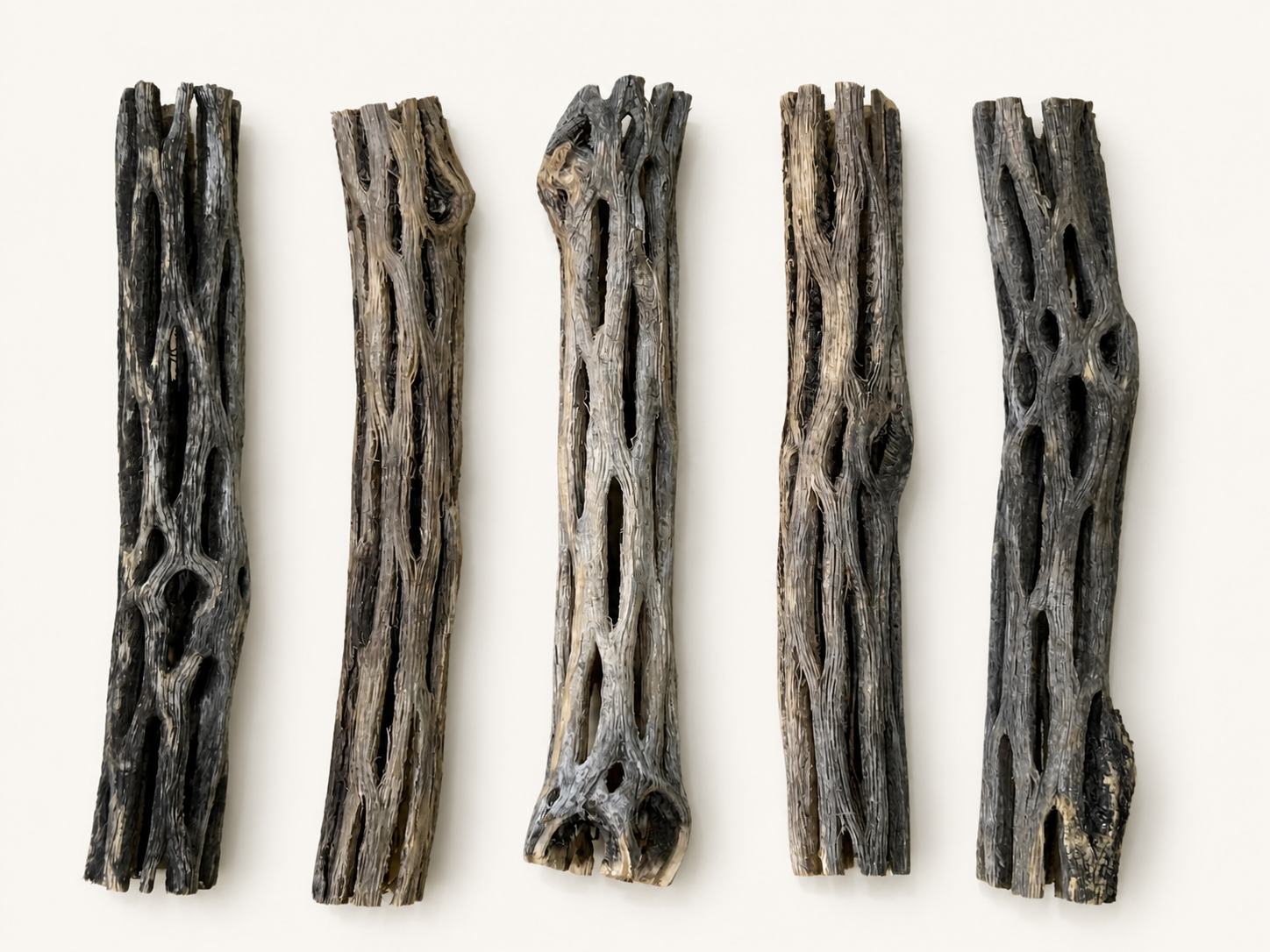
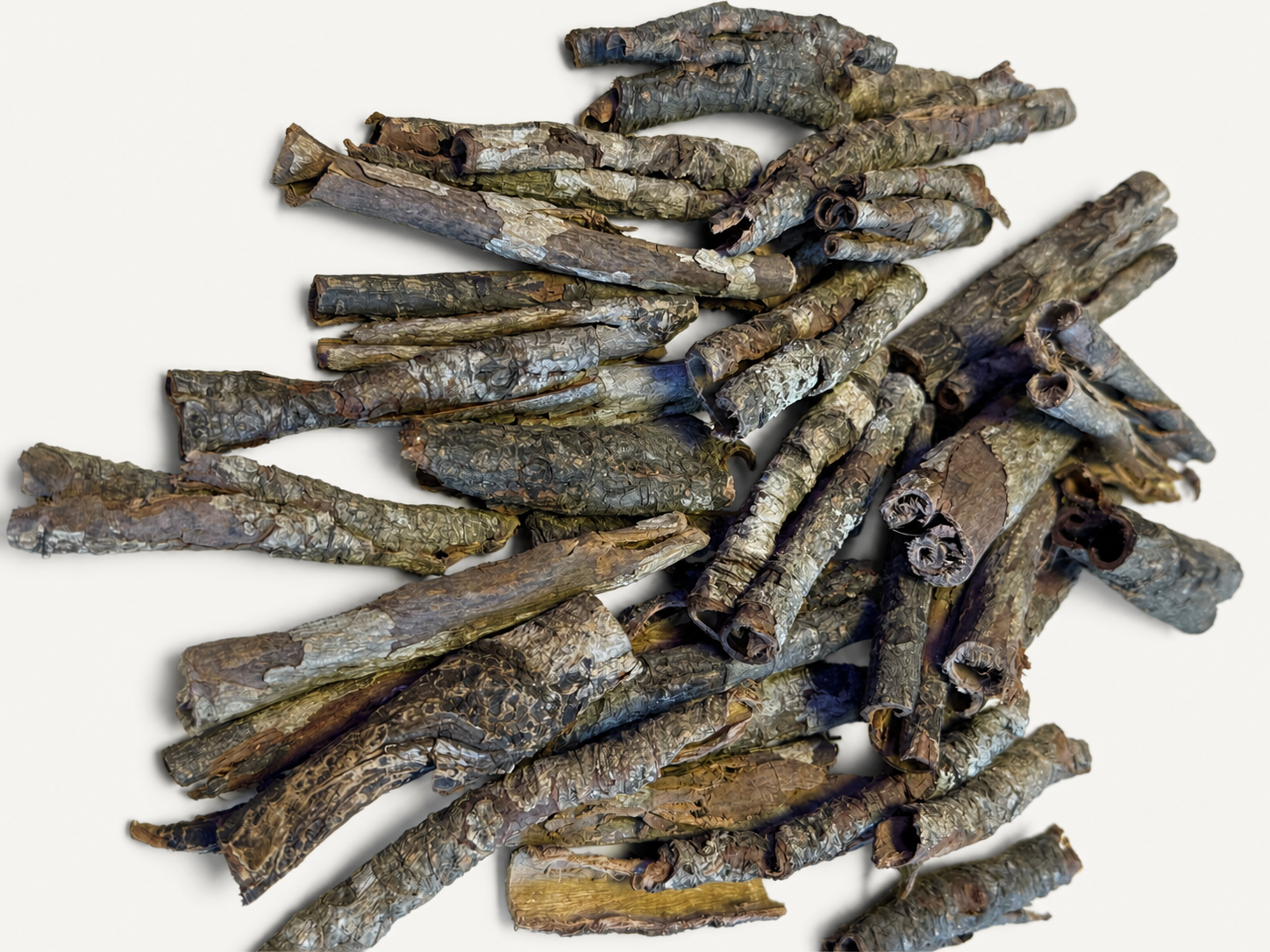
Rolled bark · narrow hollow forms
Catappa Bark Tubes – Indian Almond Bark Hiding TubesView product and options →Frog Bundle is the specific humid-habitat option. The other boxes shown open up BBA's aquarium-focused botanical range: inspect their exact contents and choose individual materials for your system; a whole category is not a compatibility list.
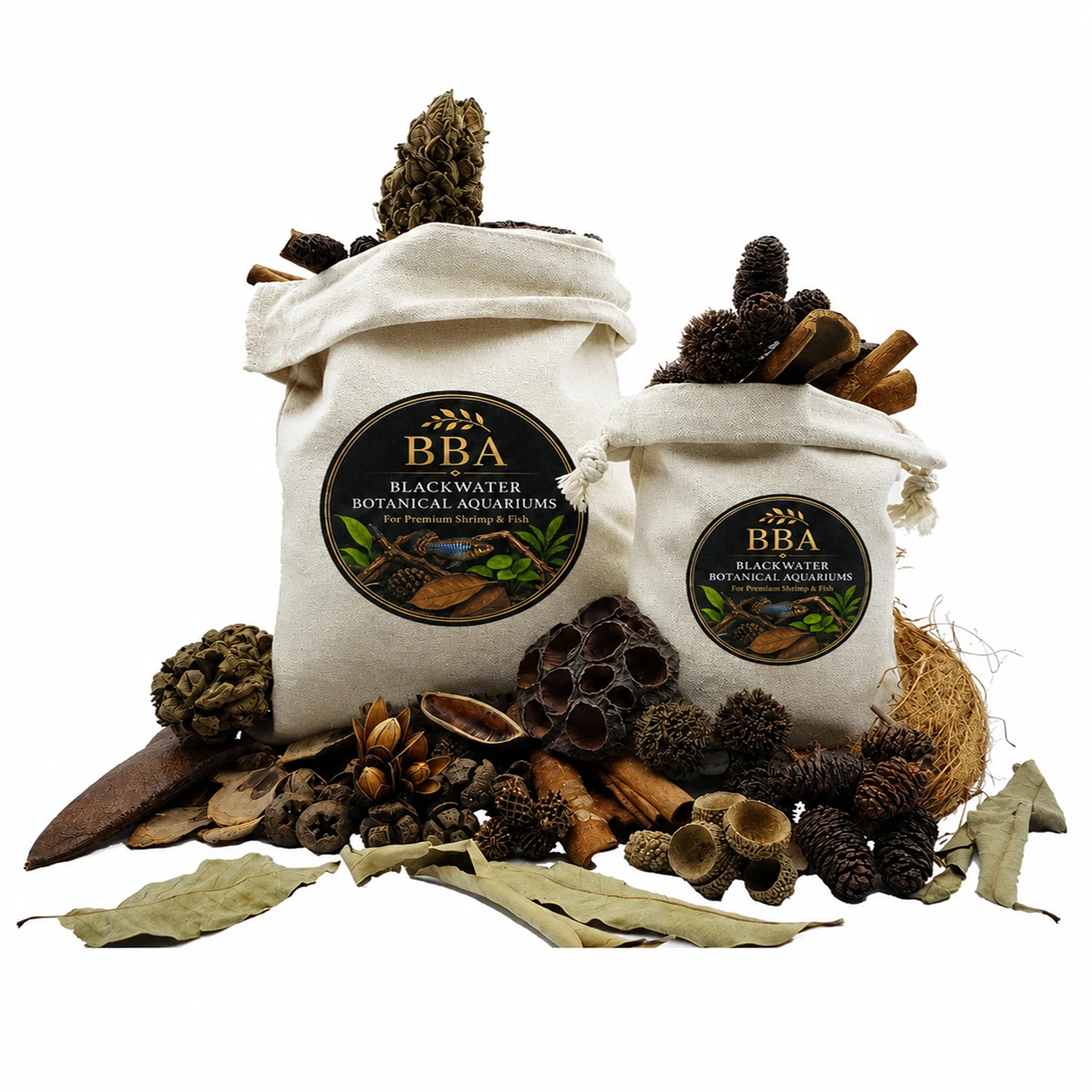
Frog Bundle only · exact option
Blackwater Botanical Starter Packs - Betta, Aquarium & Frog Options - Frog BundleView product and options →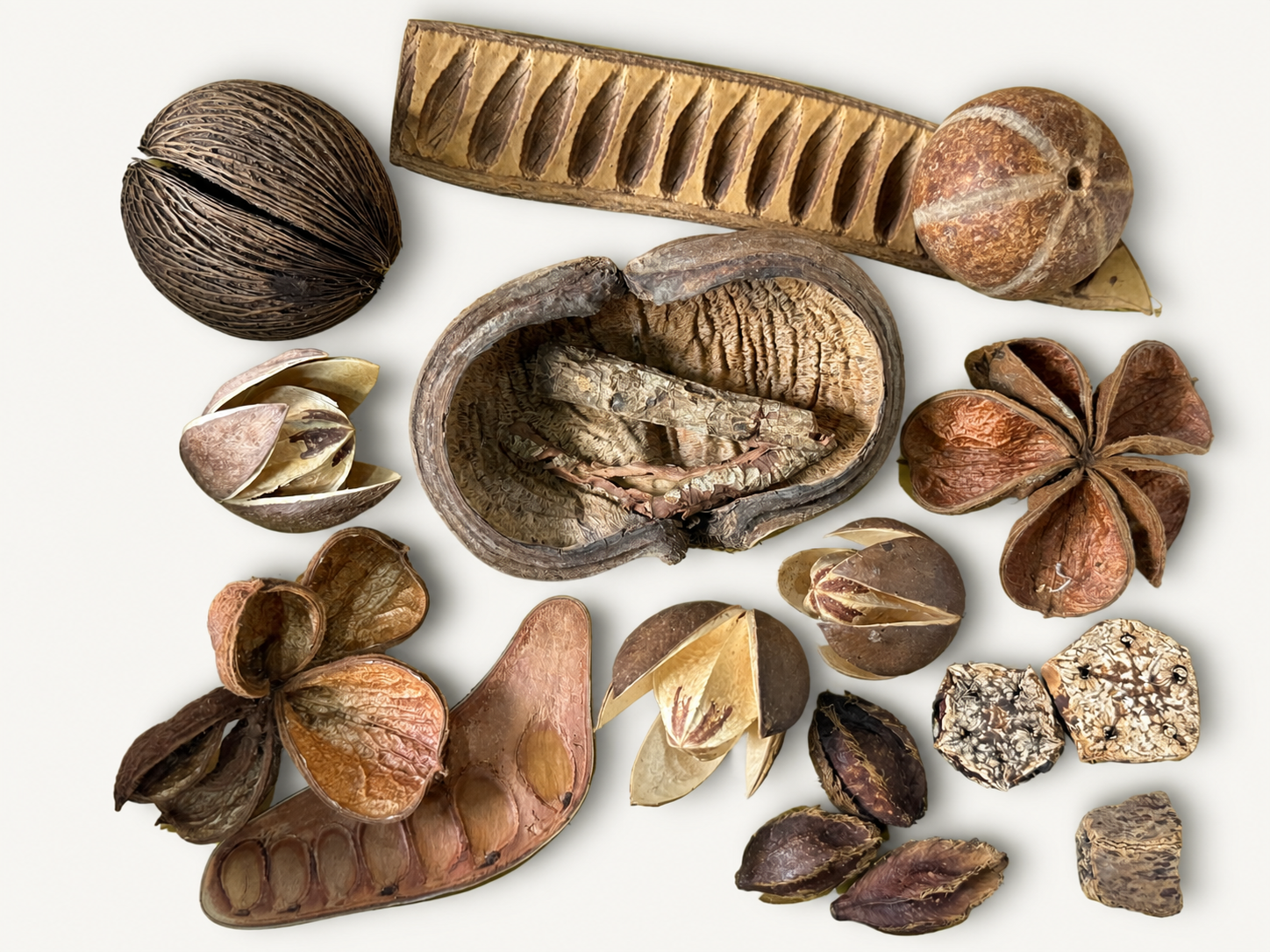
Aquarium selection · mixed forms
Blackwater Botanical Box – Tannins, Structure & Micro-HabitatsView product and options →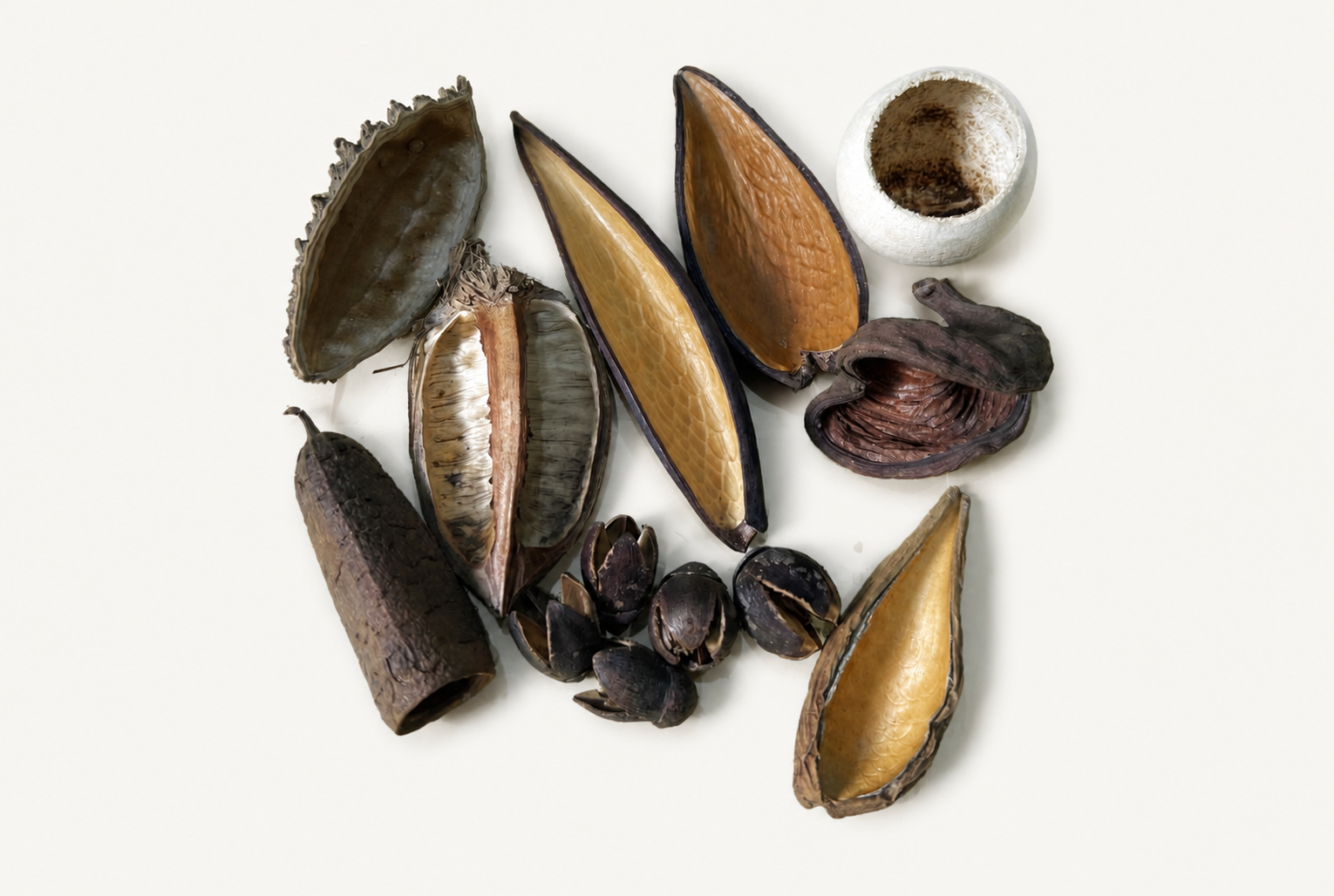
Aquarium selection · 13-piece pod mix
Curated Blackwater Botanical Pod Pack – 13-Piece MixView product and options →Set the main layers in place, then give the finer detail room to develop.
Decide what the enclosure needs to provide for its intended inhabitants and planting. Let those needs shape the layout before choosing decorative detail.
Establish the ground layer and place stable wood or stone. Make the main lines clear and preserve access around and behind the structure.
Give plants space to establish at different heights. Keep useful areas of ground and the strongest structural forms visible.
Prepare suitable botanical materials using their own guidance. Introduce them gradually where they add cover, texture or visual depth.
Watch how moisture, plants and natural materials develop. Keep access open and renew or reposition details as the enclosure changes.
Practical reading from the BBA Knowledge Centre, chosen for this World.
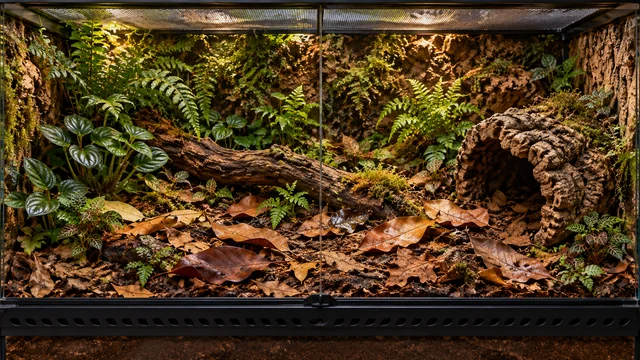
Build a layered tropical floor with cover and managed moisture.
Read the guide →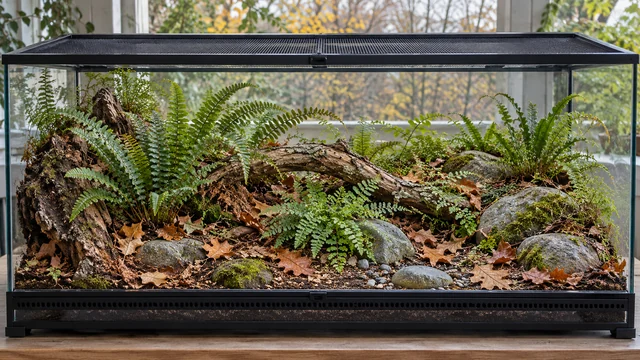
Explore a separate woodland design with leaf texture and ventilation.
Read the guide →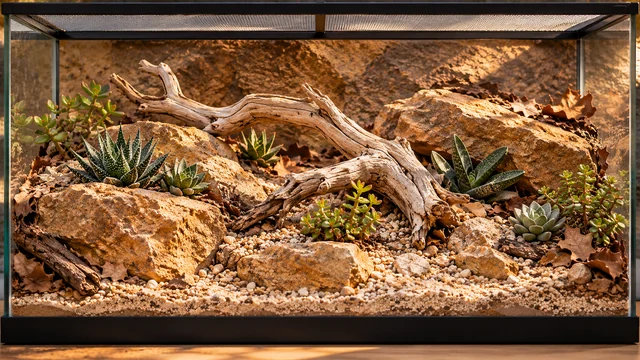
Compare a drier layout rather than treating every terrarium as tropical.
Read the guide →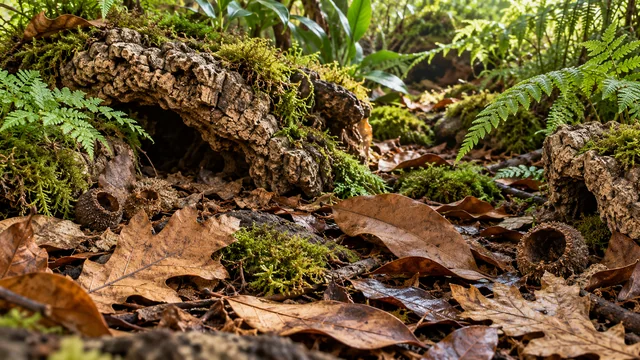
Choose materials only after checking the needs of the intended inhabitants.
Read the guide →Choose a species plan, then adapt the enclosure. These are separate alternatives, not a mixed-species stocking list. BBA supplies habitat materials, not these animals.
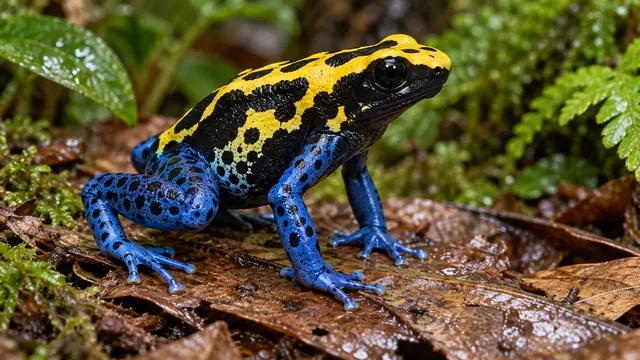 Dyeing Poison Dart FrogDendrobates tinctoriusRead the species guide →
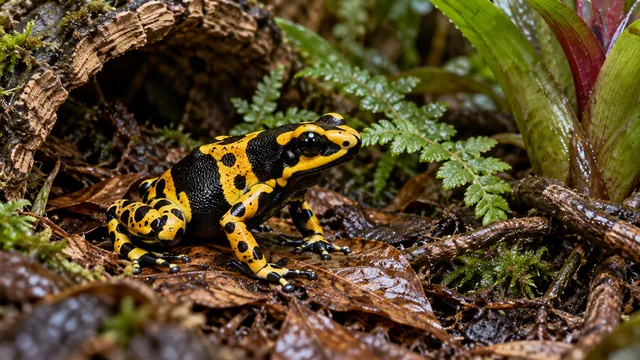 Bumblebee Dart FrogDendrobates leucomelasRead the species guide →
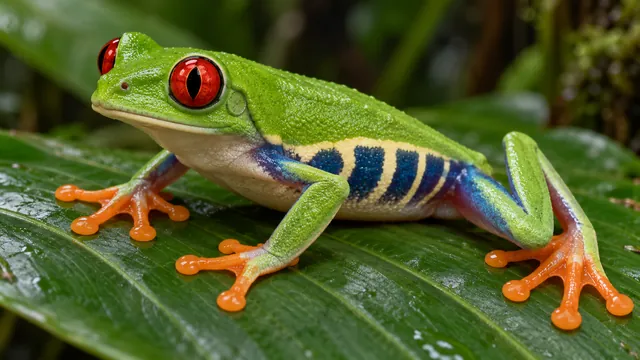 Red-Eyed Tree FrogAgalychnis callidryasRead the species guide →
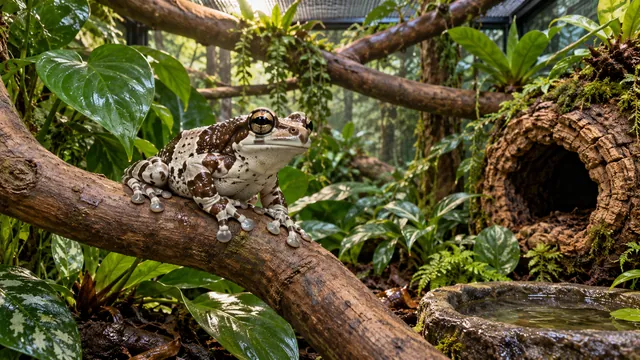 Amazon Milk FrogTrachycephalus resinifictrixRead the species guide →
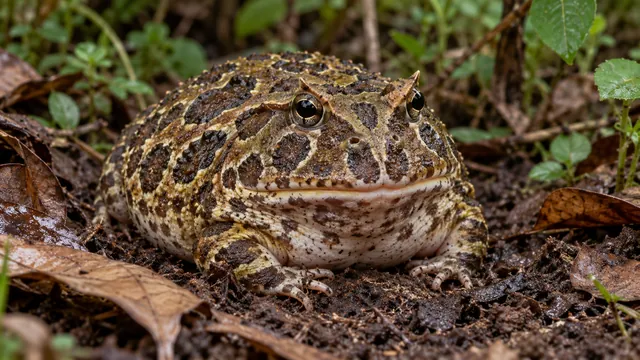 Cranwell’s Horned FrogCeratophrys cranwelliRead the species guide →
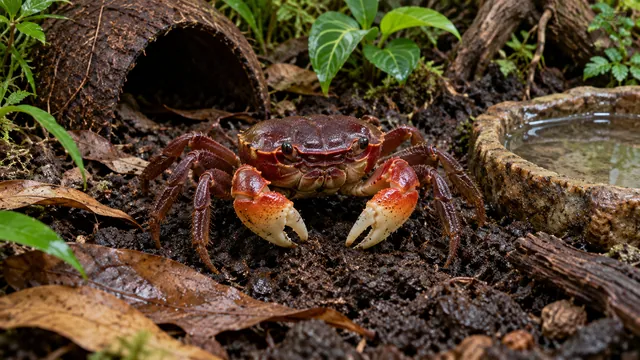 Red Apple CrabMetasesarma aubryiRead the species guide →
Start with the structure, leave room for the enclosure to develop, and choose natural details with a clear purpose.