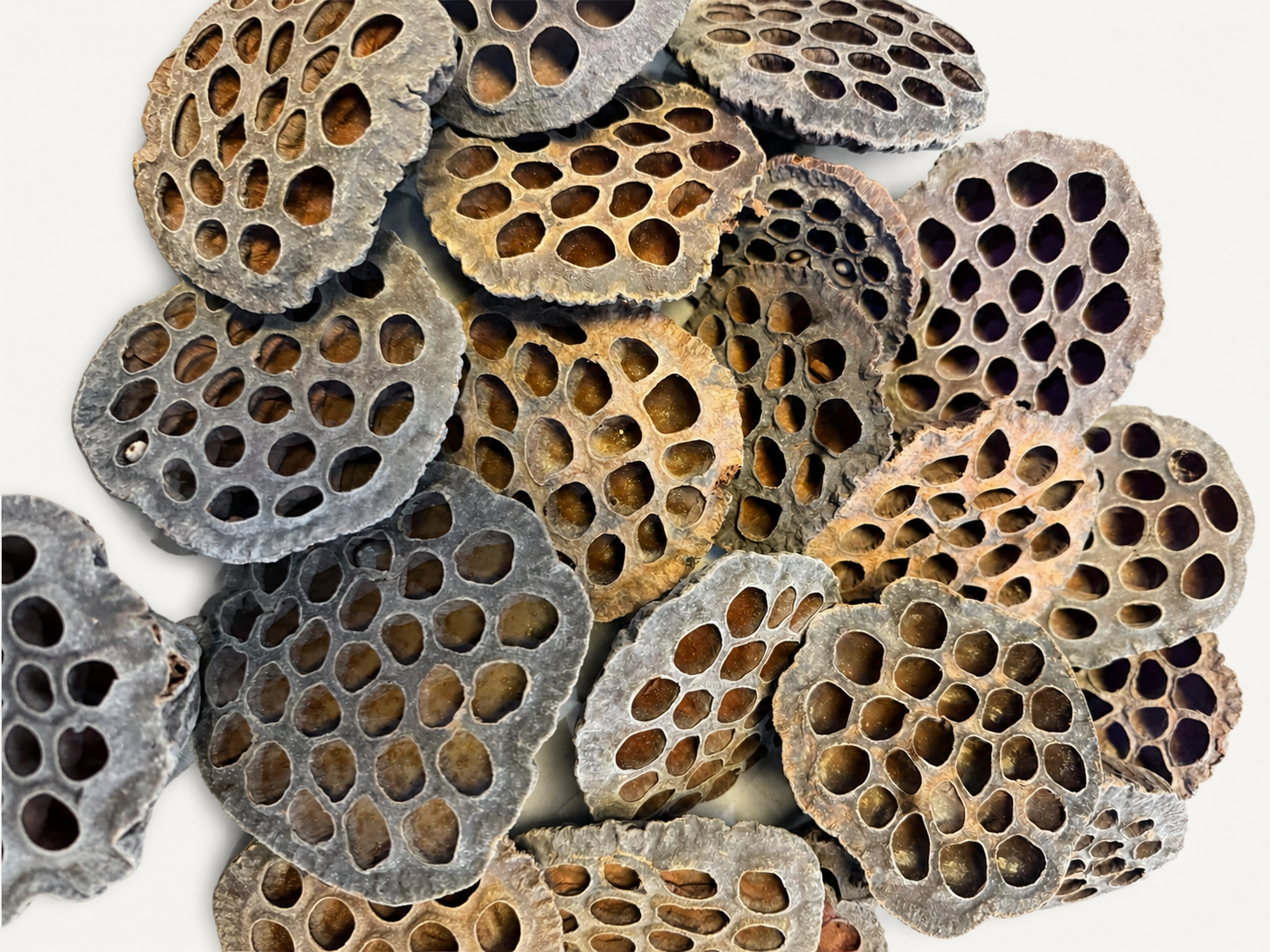
Catalogue photograph - material example, not the illustrated piece
Lotus Seed Pods – Aquarium Botanicals - 1 Lotus Head Approx. 8–11cmView product and options →BBA Worlds / The forest floor
At leaf level, a lotus head becomes a cluster of sheltered chambers. Follow tiny isopods through real botanical forms, compare leaf layers and bark textures, then discover how the material roles change for millipedes and centipedes.
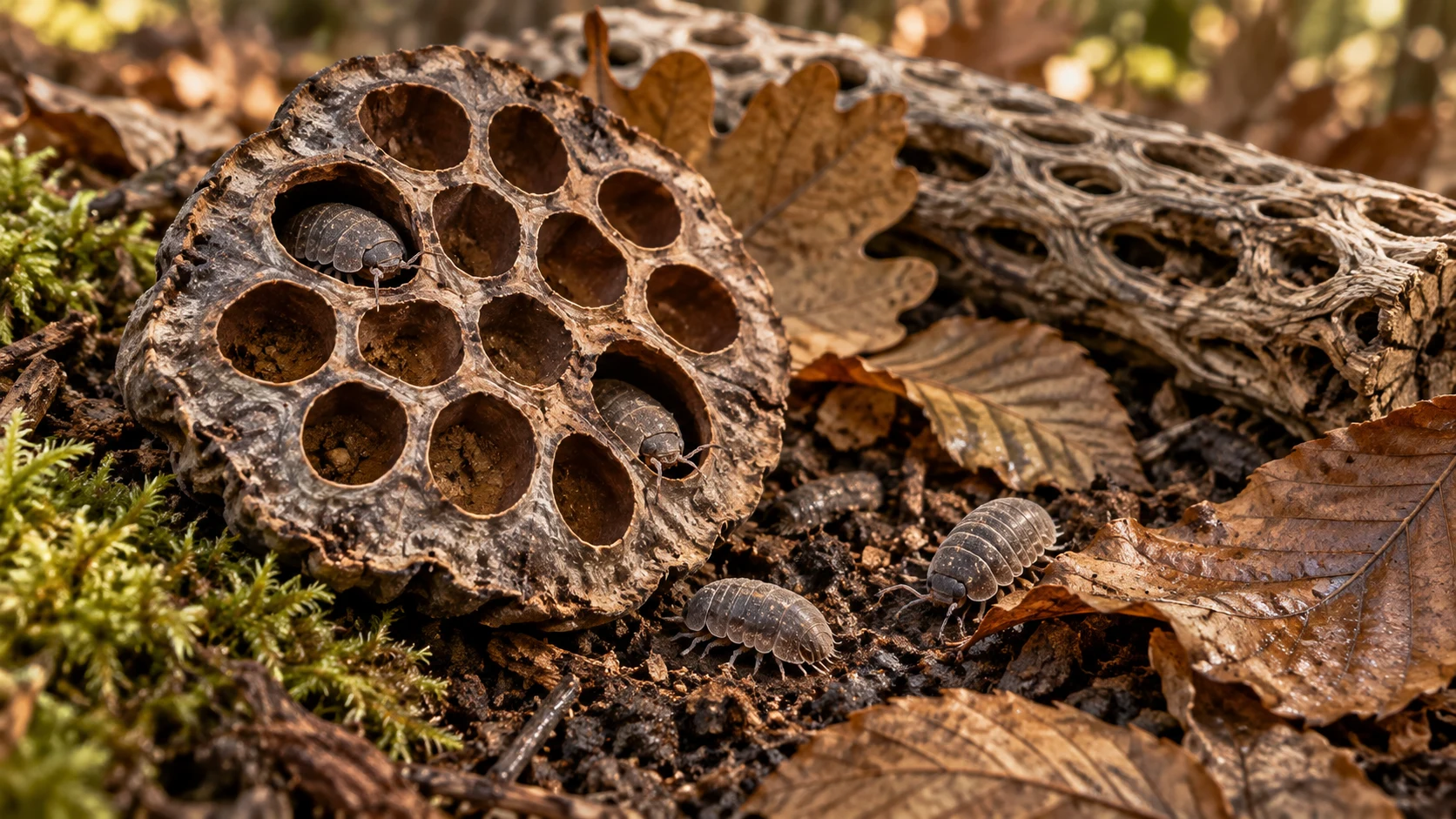
Lotus chambers and wood provide physical cover. The leaf layer has its own role in a detritivore habitat; a decorative pod is not automatically a food source.
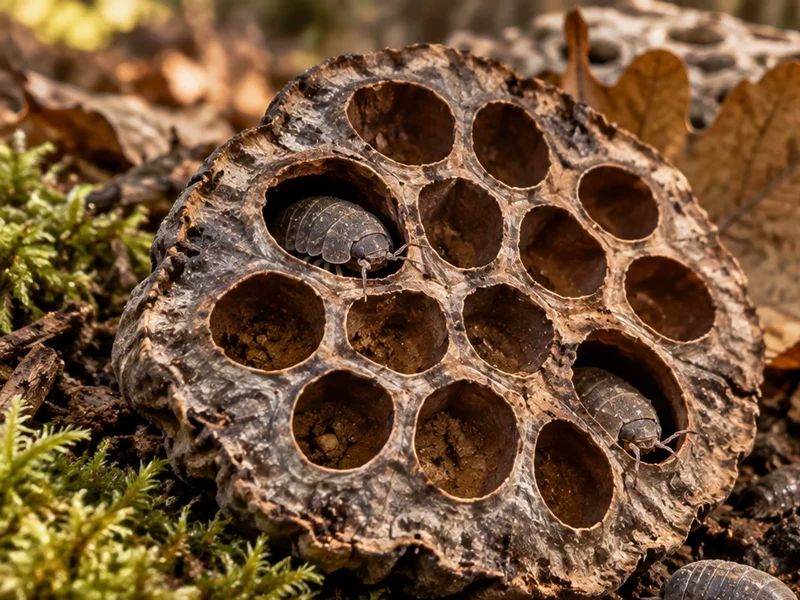
Lotus Seed Pods have irregular seed chambers and sheltered edges. Compare the 4–6cm and 8–11cm head options; chamber dimensions vary independently of the overall head size.
Compare the real BBA material
Catalogue photograph - material example, not the illustrated piece
Lotus Seed Pods – Aquarium Botanicals - 1 Lotus Head Approx. 8–11cmView product and options →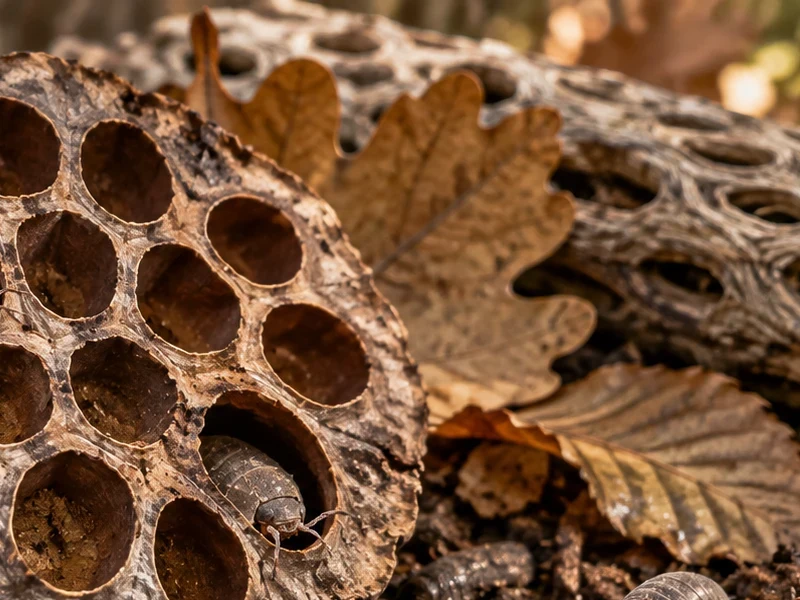
Lobed Oak leaves overlap to make spaces above the soil. Oak is a supported leaf-litter choice for detritivore setups; the dry BBA leaves are not sold as pre-decayed feeding substrate.
Compare the real BBA material
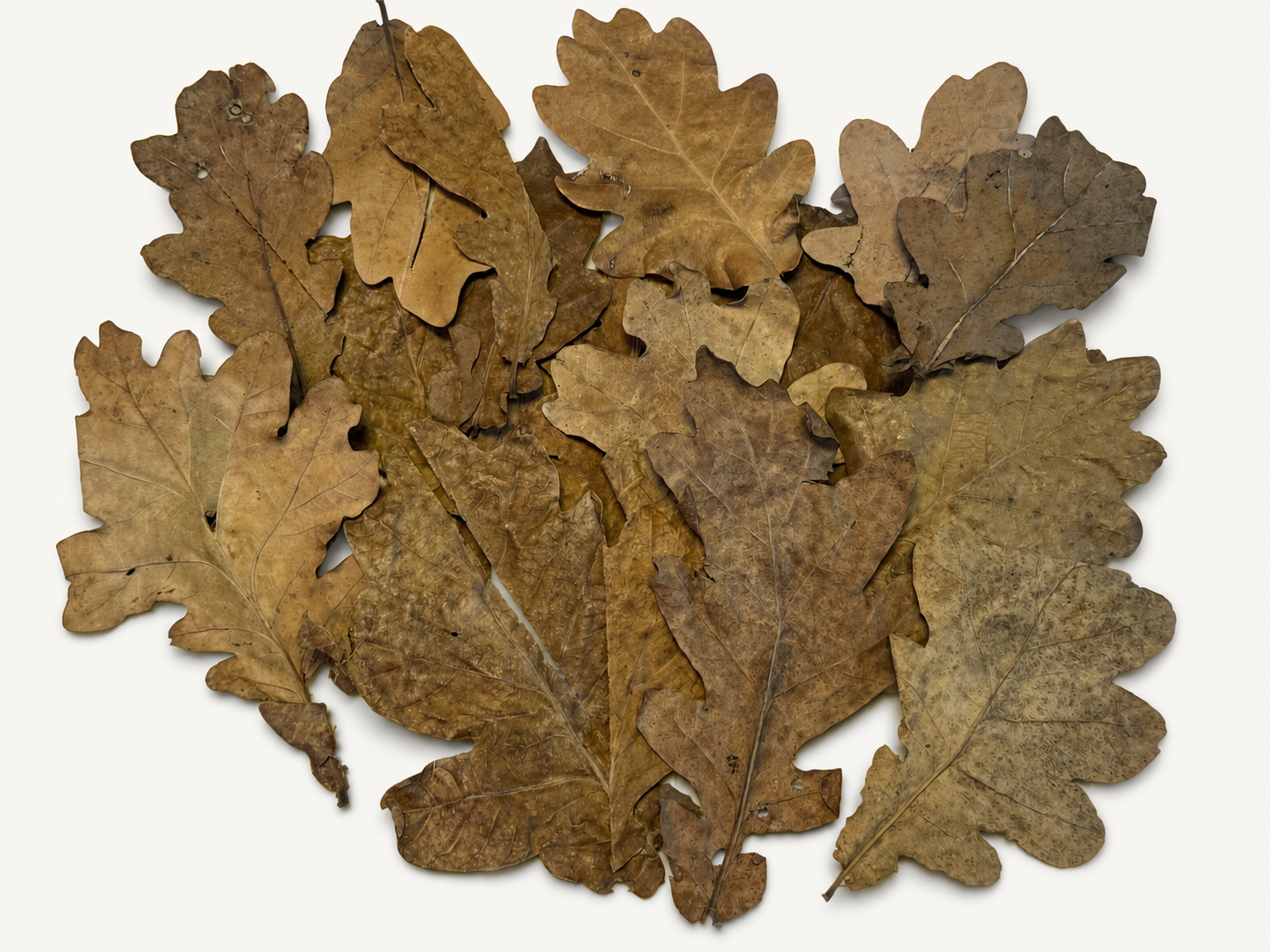
Catalogue photograph - material example, not the illustrated piece
Dried Oak Leaves – Natural Aquarium Leaf LitterView product and options →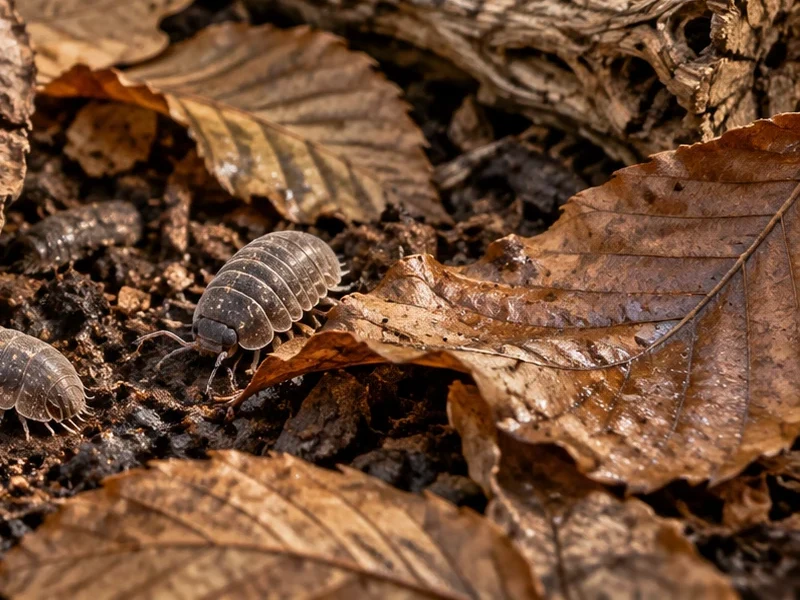
Beech gives a different outline and a folded surface layer. For millipedes, a replenished leaf layer works alongside a suitable deep, decayed feeding substrate.
Compare the real BBA material
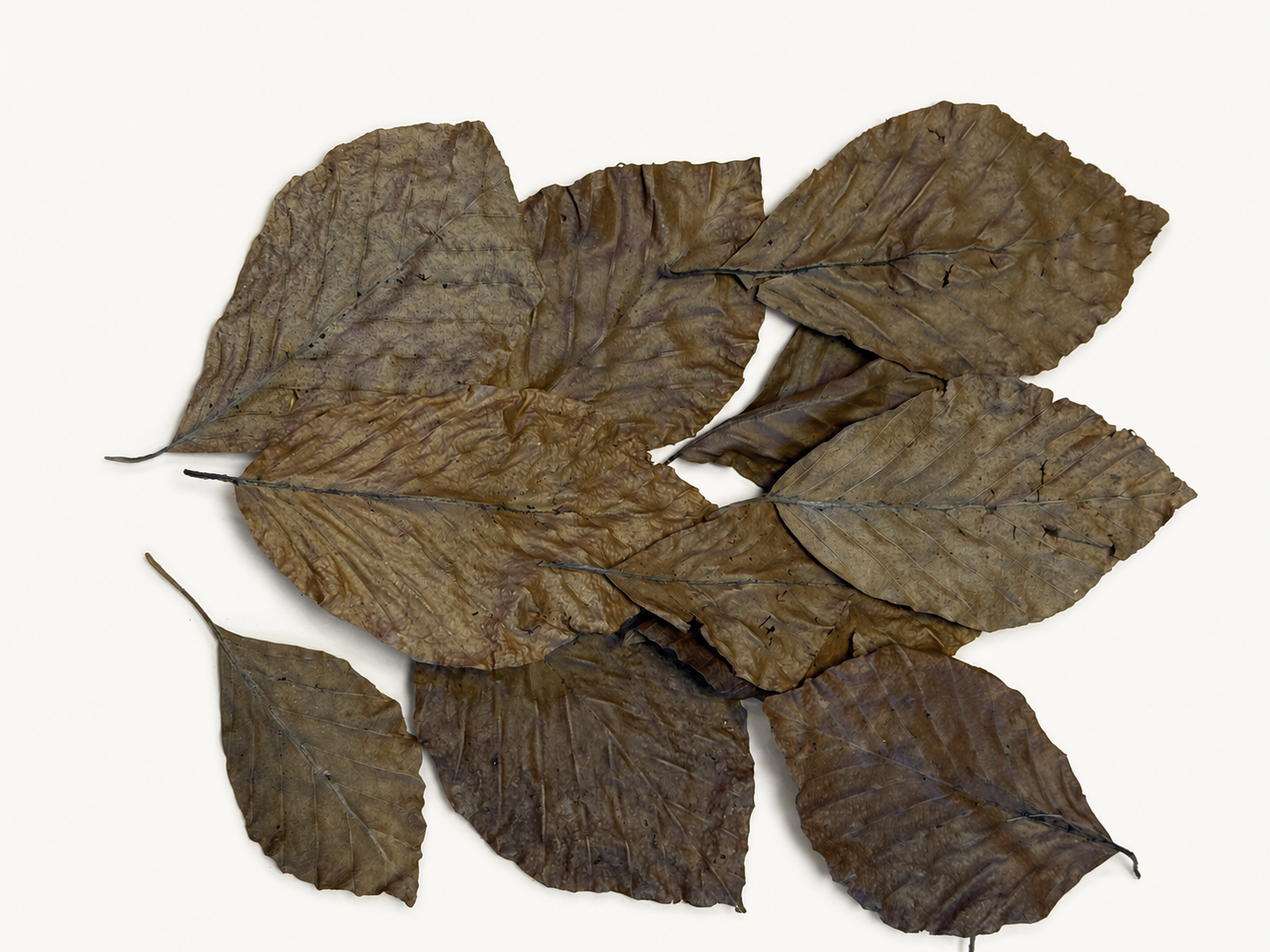
Catalogue photograph - material example, not the illustrated piece
Dried Beech Leaves (Fagus sp.) – Natural Aquarium Leaf LitterView product and options →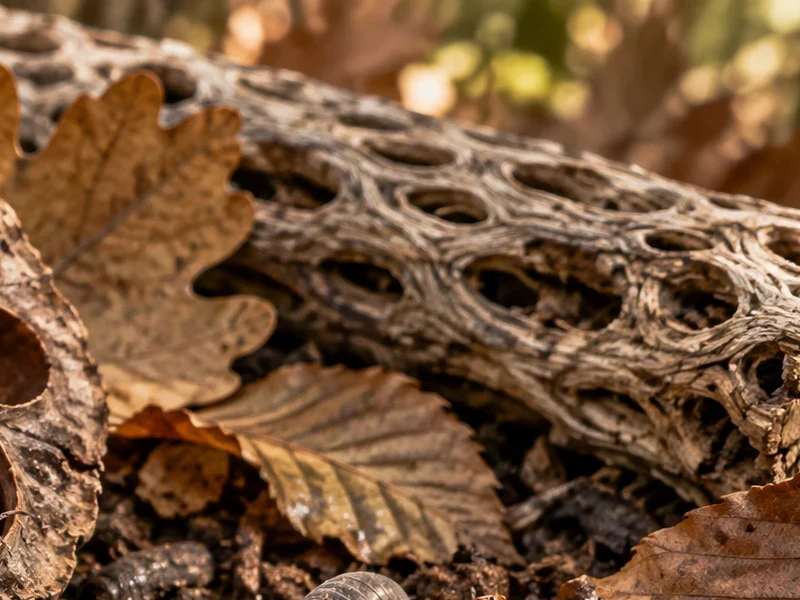
The hollow perforated wood adds another cover texture. Compare it with lotus chambers, but do not treat this decorative wood as a replacement for soft decayed feeding wood.
Compare the real BBA material
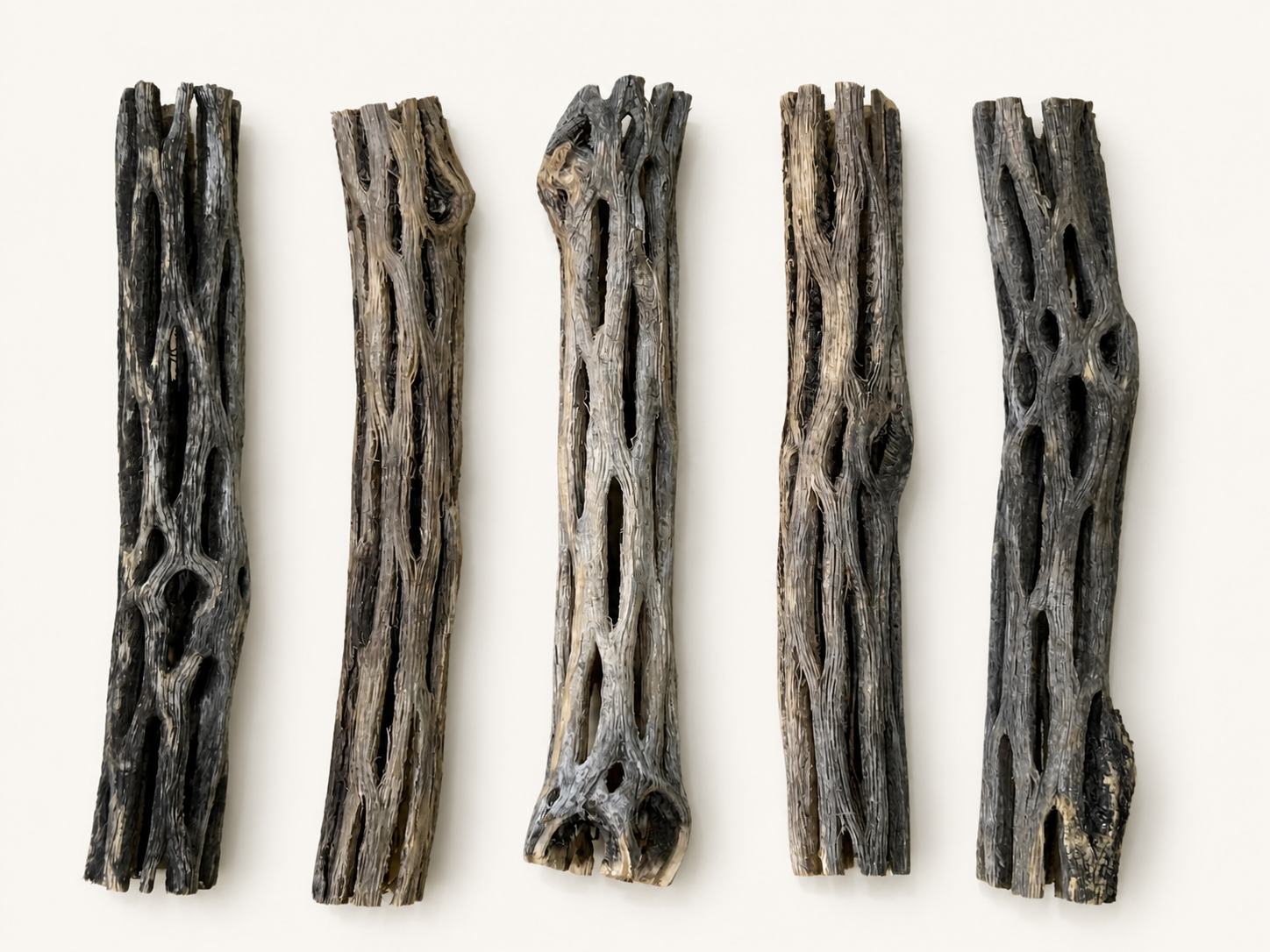
Catalogue photograph - material example, not the illustrated piece
Cholla Wood / Cactus SkeletonView product and options →These examples are separate from the isopod colony and from each other. Similar-looking leaf floors can support very different ways of living.
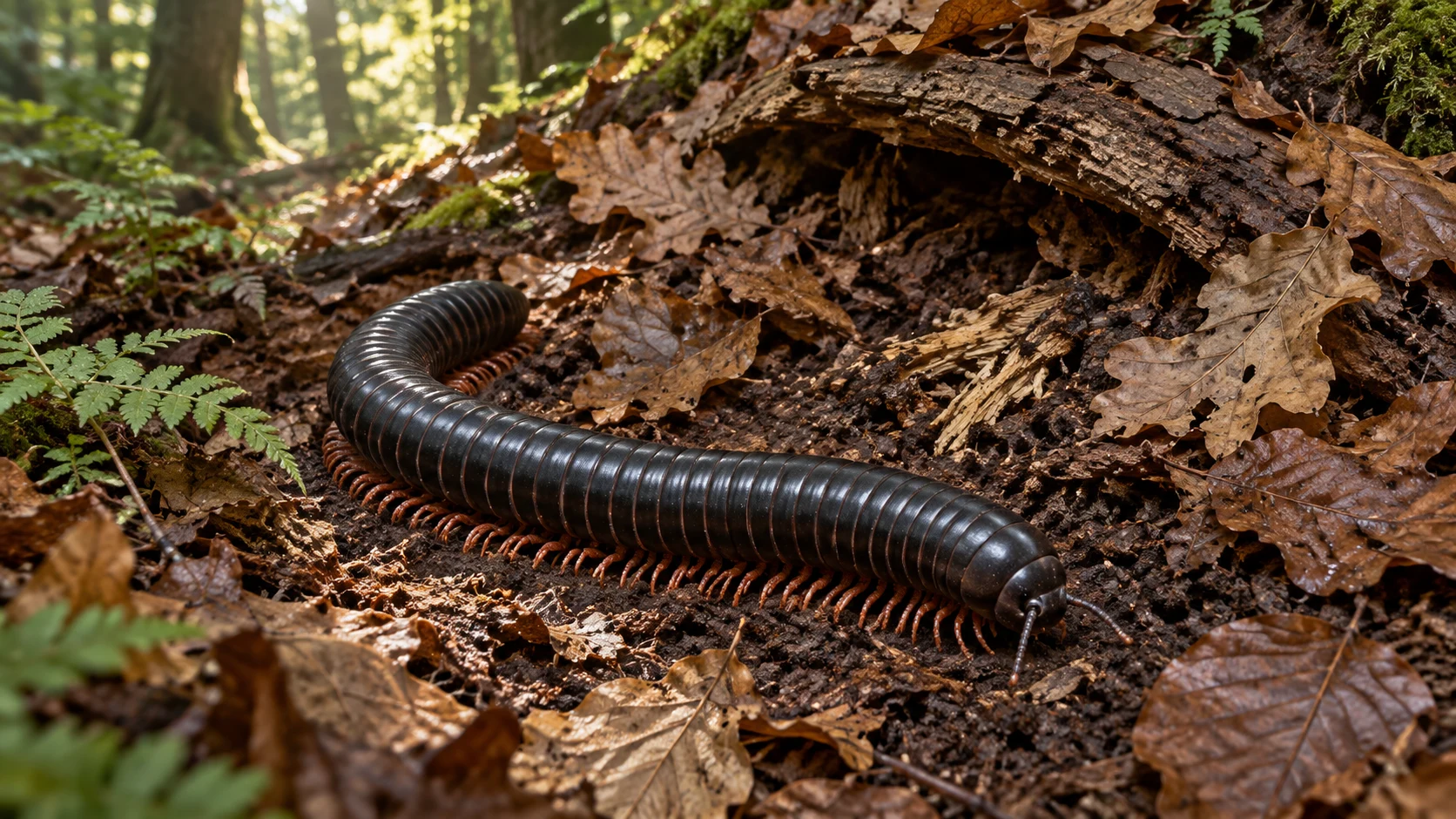
Giant African millipede / Archispirostreptus gigas
For this detritivore, suitable decayed hardwood and leaf-rich substrate provide more than scenery. Oak and Beech leaves can replenish the surface layer; decorative Cholla or hard pods do not replace the soft decayed feeding material. Keep adequate substrate depth for the species.
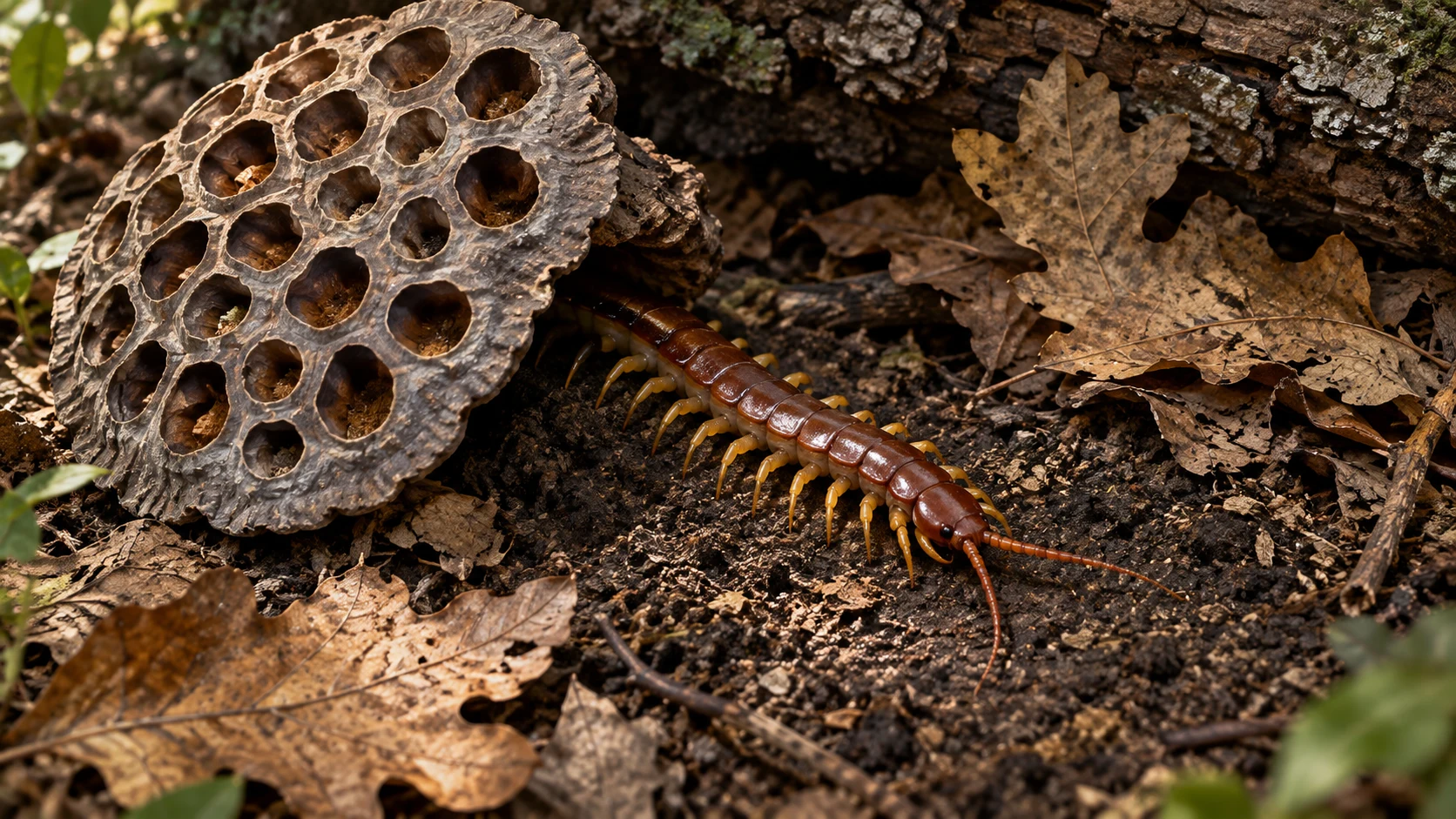
Centipede / Scolopendra subspinipes
The lotus head contributes a low sheltered edge here; a larger animal uses space beneath it rather than a tiny seed cell. This centipede is a predator, not a leaf-eating clean-up animal. Choose cover and moisture for its species in a secure, separate enclosure.
Build around the animal first, then select materials for a clear job.
Lotus heads are the focal shelter material. Cholla and Buddha Nut offer different openings and shaded ground-level spaces; compare the real shape before placing them.
Oak and Beech have supported roles in detritivore leaf-litter setups. Magnolia adds a broad cover layer. Leaf species, condition and the animal determine their feeding value; these are not complete diets.
Leave an accessible moisture gradient appropriate to the species. Arrange leaves and low cover so the substrate beneath remains observable; pods do not regulate an enclosure by themselves.
These featured materials are a starting point, not the full BBA range. Compare the role and real product dimensions, then explore the wider selection below. Current options and availability come from the shop.
A starting point, not the full BBA range: explore more leaf shapes, openings and textures below. Catalogue photographs show material examples; natural pieces vary. Match the actual piece to the animal and its placement.
Oak and Beech are useful starting leaf choices for detritivore habitats. Broad Magnolia adds cover. Species and decomposition determine feeding use; a bag of dry leaves is not a complete substrate.
Lobed leaves, approx. 4–8cm
Dried Oak Leaves – Natural Aquarium Leaf LitterView product and options →Ribbed oval leaves, approx. 5–8cm
Dried Beech Leaves (Fagus sp.) – Natural Aquarium Leaf LitterView product and options →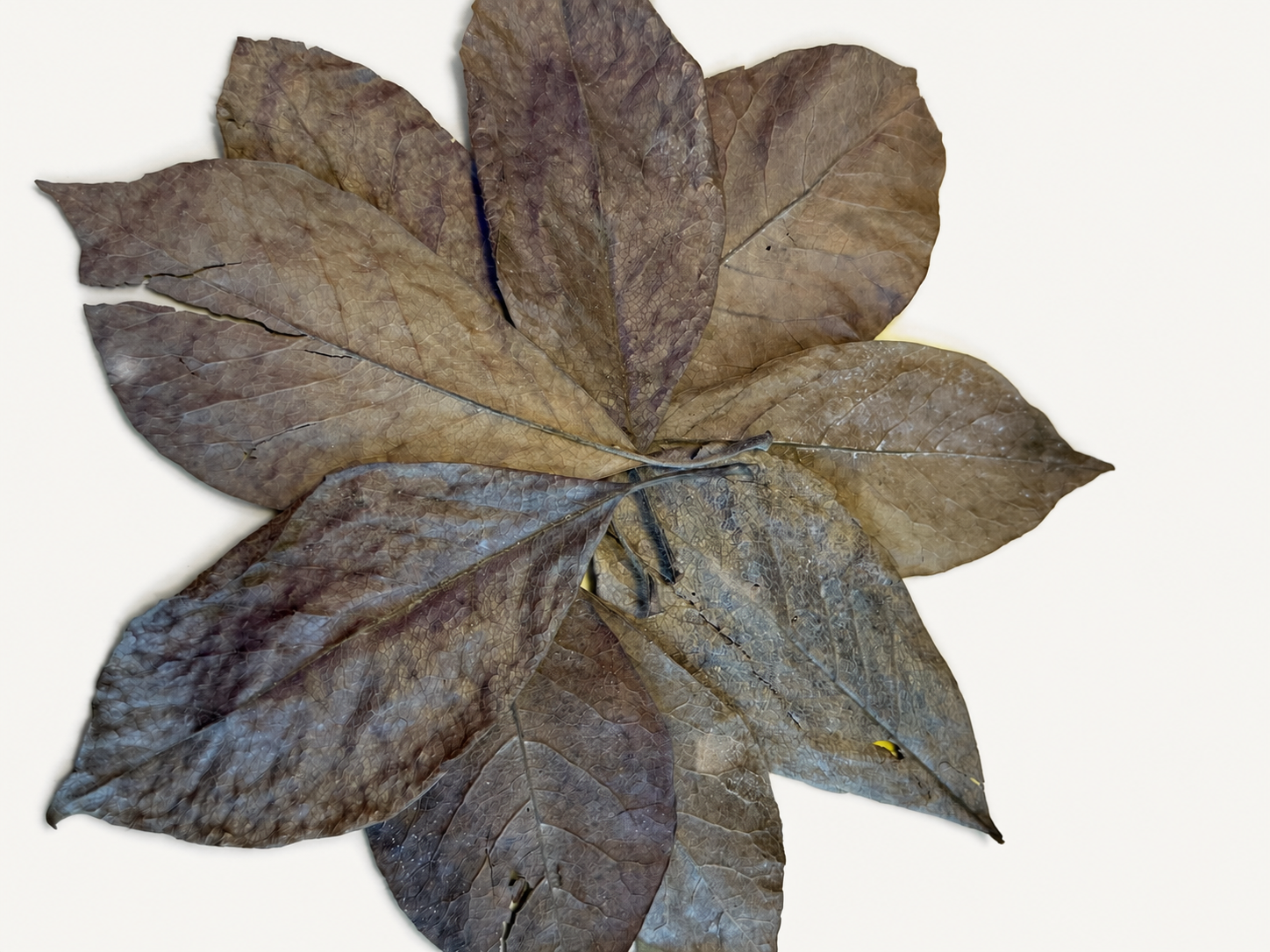
Broad cover with a different texture
Dried Magnolia Leaves – Natural Aquarium Leaf LitterView product and options →Explore Lotus chambers, the open curve of Buddha Nut and elongated Canoinhas. Treat these as physical cover, with access sized to the actual animal.
Lotus Head: irregular small chambers
Lotus Seed Pods – Aquarium Botanicals - 1 Lotus Head Approx. 8–11cmView product and options →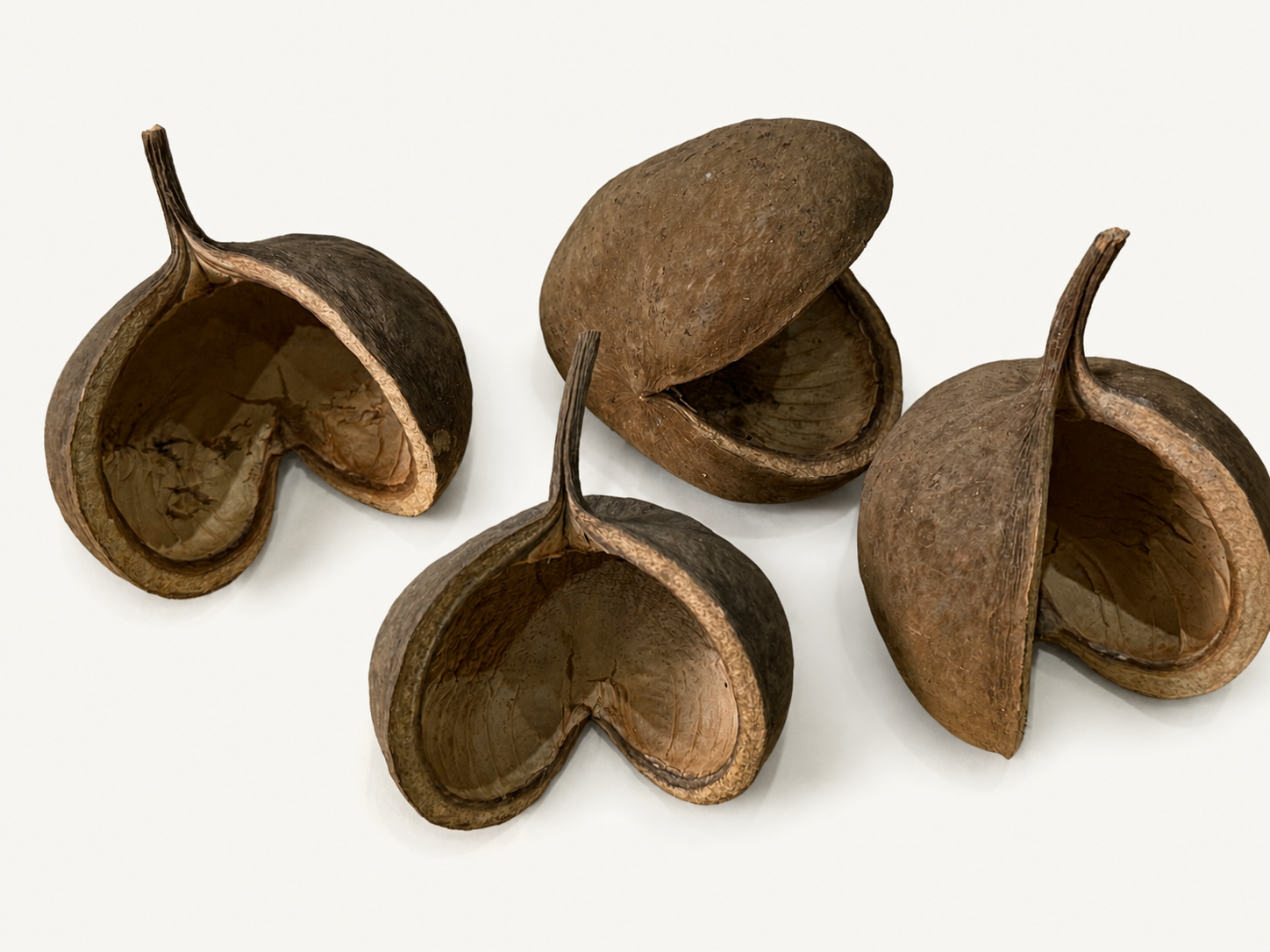
Open curved pocket at ground level
Buddha Nut (Pterygota alata) – Natural Seed PodView product and options →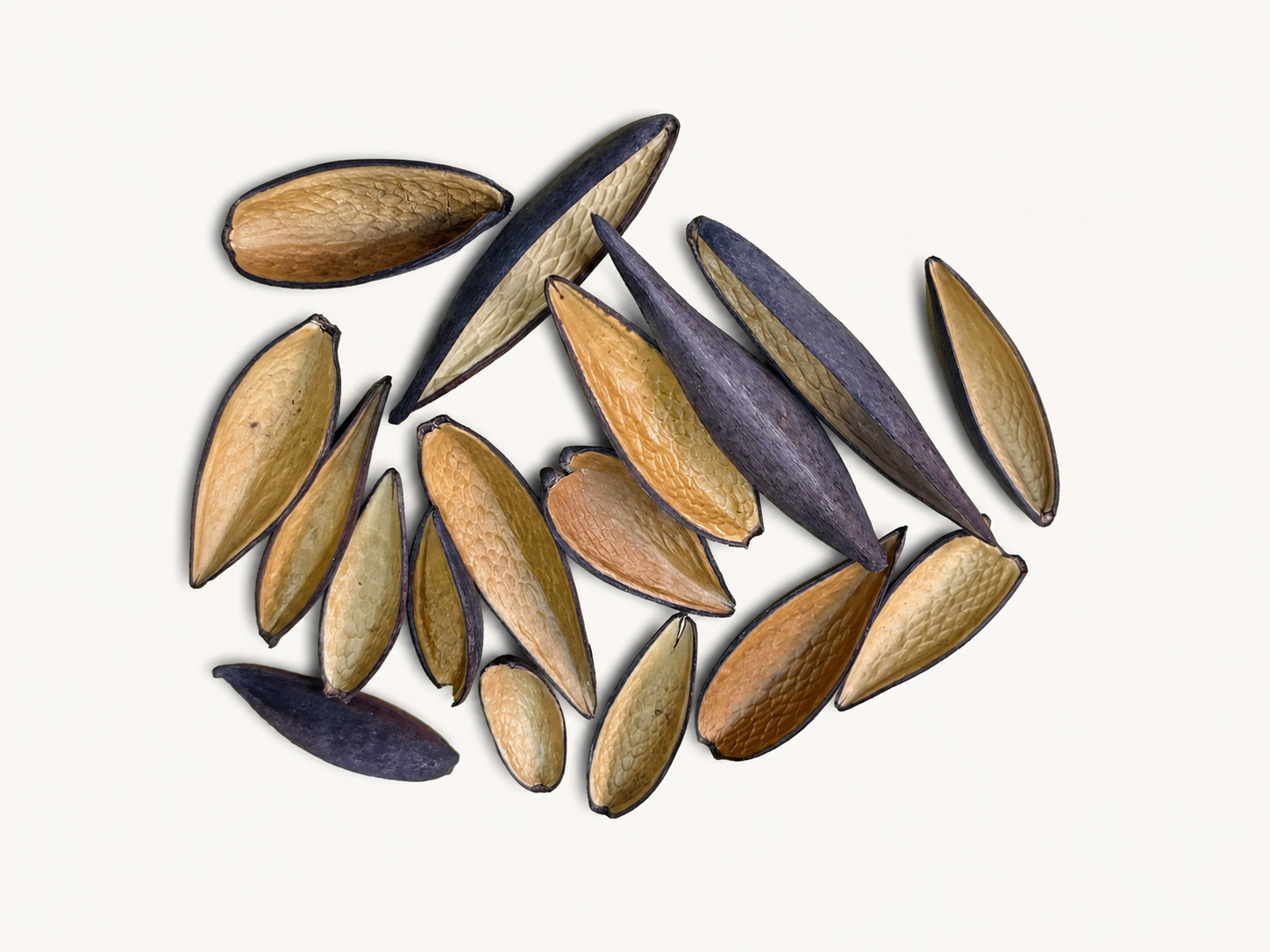
Long open pod, approx. 8–14cm
Canoinhas Pods (Funtumia elastica) – Natural Seed PodsView product and options →Cholla perforations, rolled bark and solid Mangrove offer different physical surfaces. They are decorative structure, not interchangeable with decayed feeding wood.
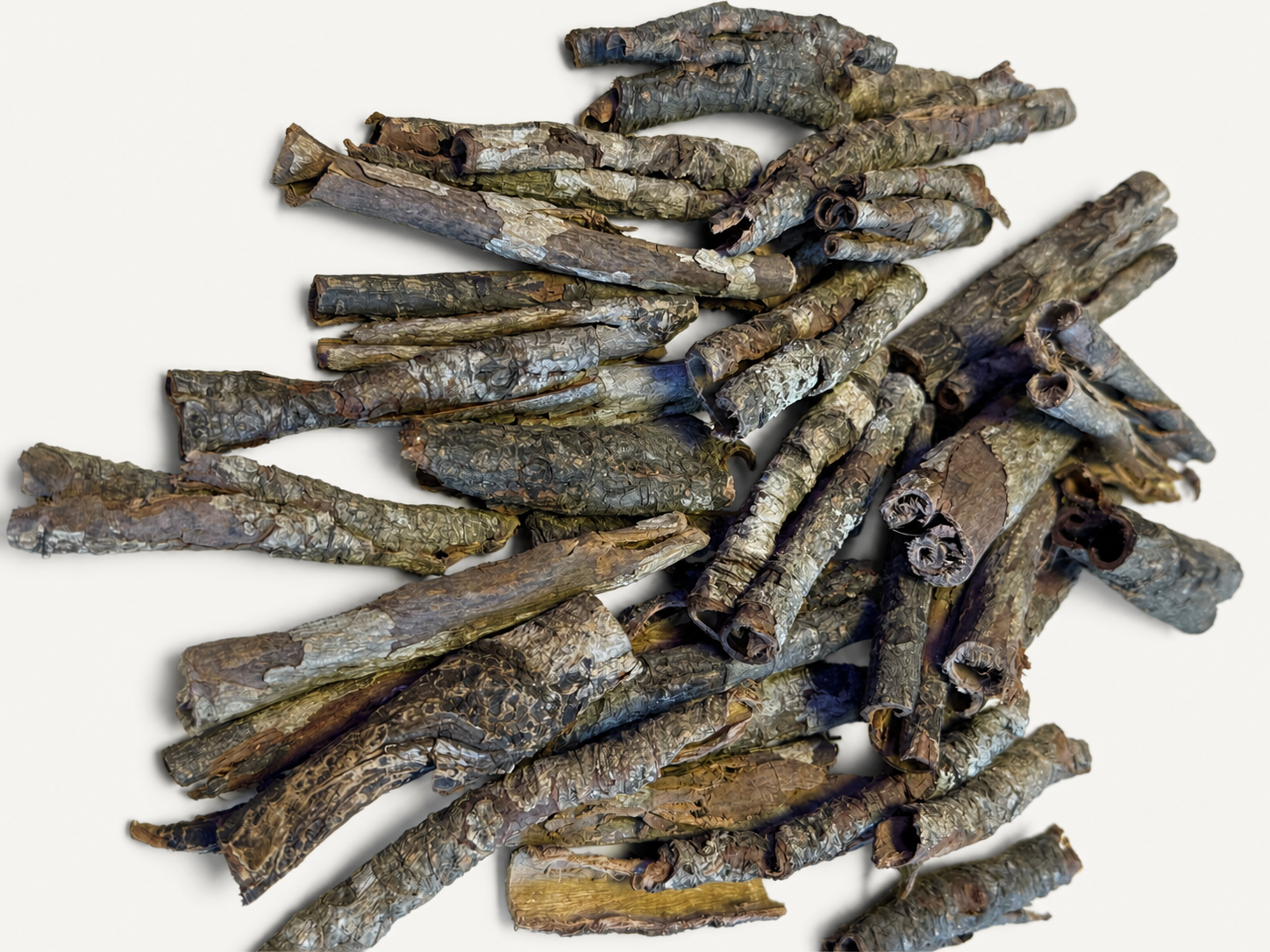
Rough rolled surface and small recess
Catappa Bark Tubes – Indian Almond Bark Hiding TubesView product and options →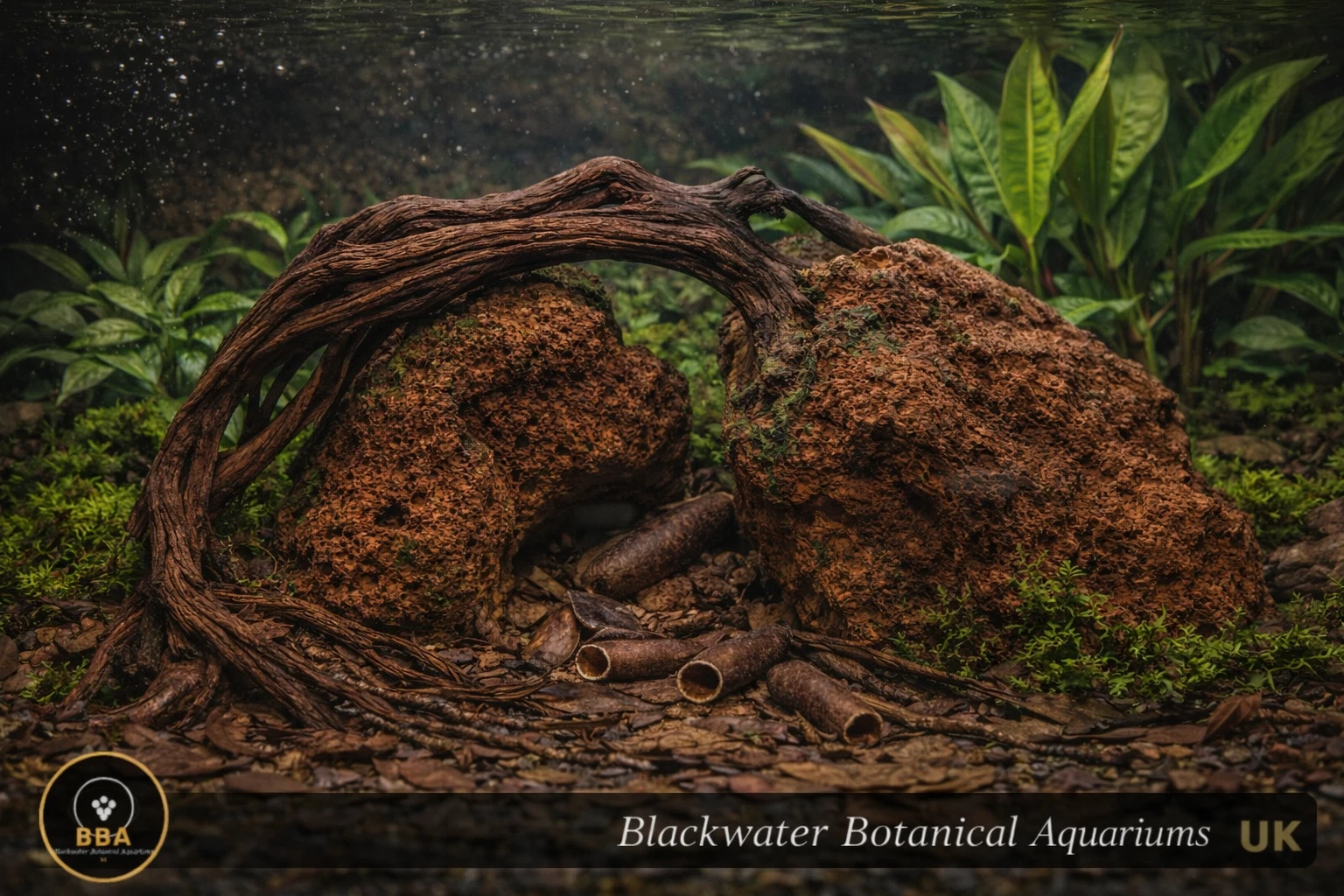
Choose Oak or Beech in a quantity that suits your leaf layer, then compare single Lotus Heads and multipacks. Keep control of the ingredients and replenish the material your colony actually uses.
Compare the available leaf quantities
Dried Oak Leaves – Natural Aquarium Leaf LitterView product and options →Choose a replenishment quantity
Dried Beech Leaves (Fagus sp.) – Natural Aquarium Leaf LitterView product and options →Single heads and multipacks in the listing
Lotus Seed Pods – Aquarium Botanicals - 1 Lotus Head Approx. 8–11cmView product and options →Begin at ground level, with the animal and its substrate needs.
Choose the isopod, millipede or centipede species. Do not combine the illustrated animals in one setup.
Provide suitable substrate and a moisture gradient. Detritivores need an appropriate feeding base, not just decorative objects.
Set it low and stable. Compare the actual chambers and underside clearance with the animal size.
Add Oak or Beech where appropriate, keeping access to the soil and space to inspect beneath cover.
Observe leaf breakdown and animal use. Replace or add the material whose function is being lost.
Practical reading from the BBA Knowledge Centre, chosen for this World.
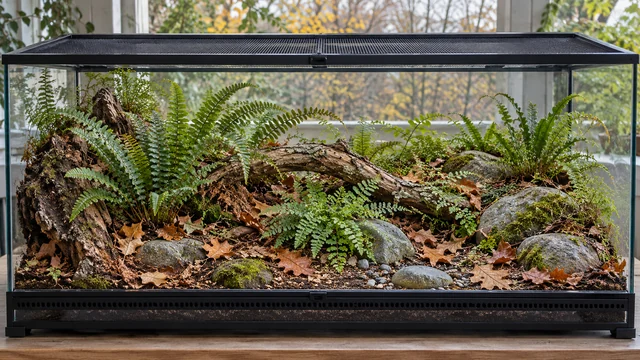
Explore woodland leaf cover and a practical moisture gradient.
Read the guide →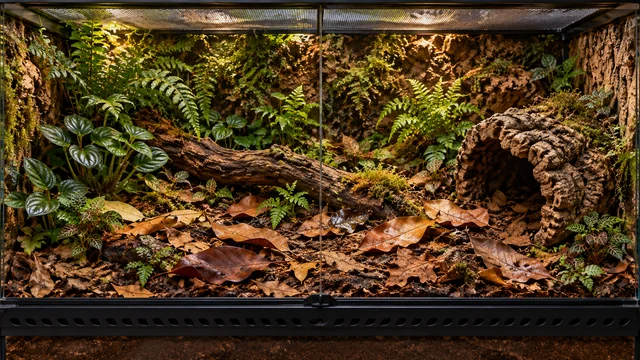
Compare a tropical floor with layered cover and accessible maintenance.
Read the guide →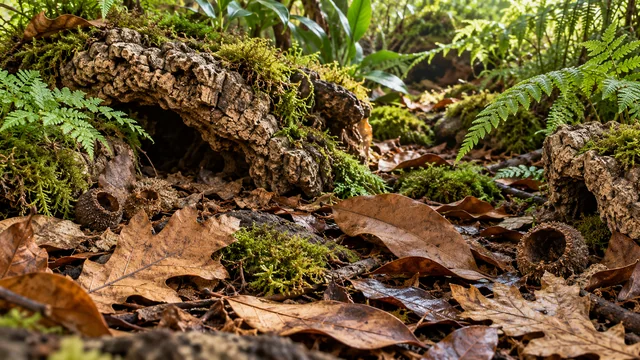
Understand how leaf litter, woody shelters and moisture interact.
Read the guide →Keep the requirements of decomposers and predators separate.
Read the guide →Choose a species plan, then adapt the enclosure. These are separate alternatives, not a mixed-species stocking list. BBA supplies habitat materials, not these animals.
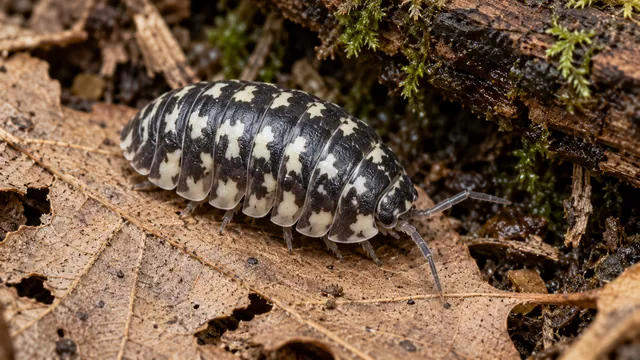 Zebra IsopodArmadillidium maculatumRead the species guide →
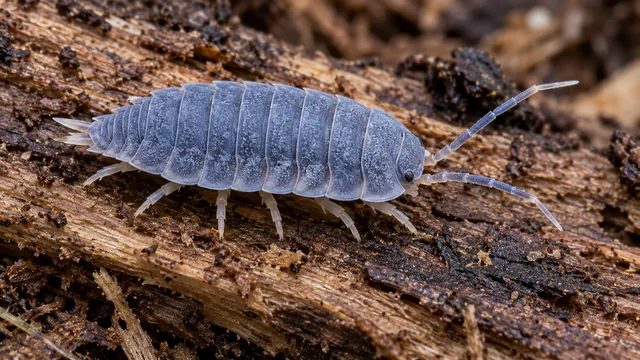 Powder Blue IsopodPorcellionides pruinosusRead the species guide →
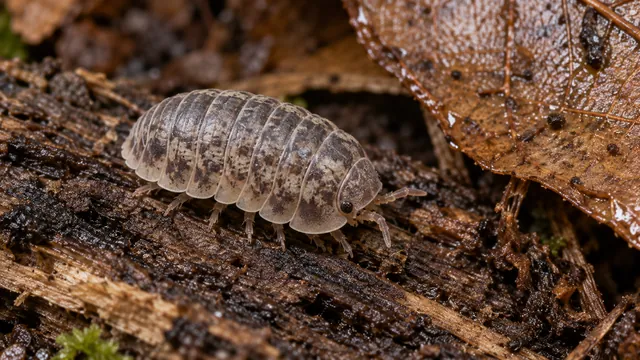 Little Sea IsopodCubaris murinaRead the species guide →
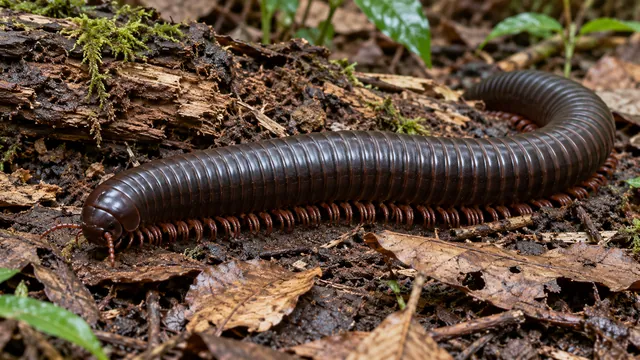 Giant African MillipedeArchispirostreptus gigasRead the species guide →
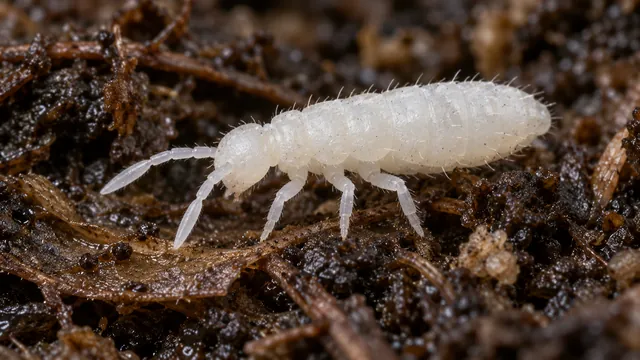 White SpringtailFolsomia candidaRead the species guide →
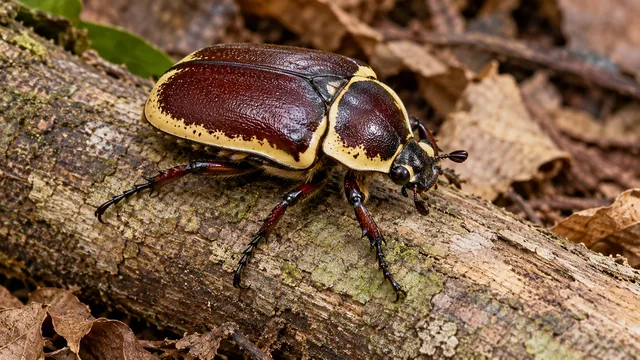 Sun BeetlePachnoda marginataRead the species guide →
Start with the structure or leaf layer you need, then compare alternatives in the shop.