Selected option contents

WHAT YOU RECEIVE

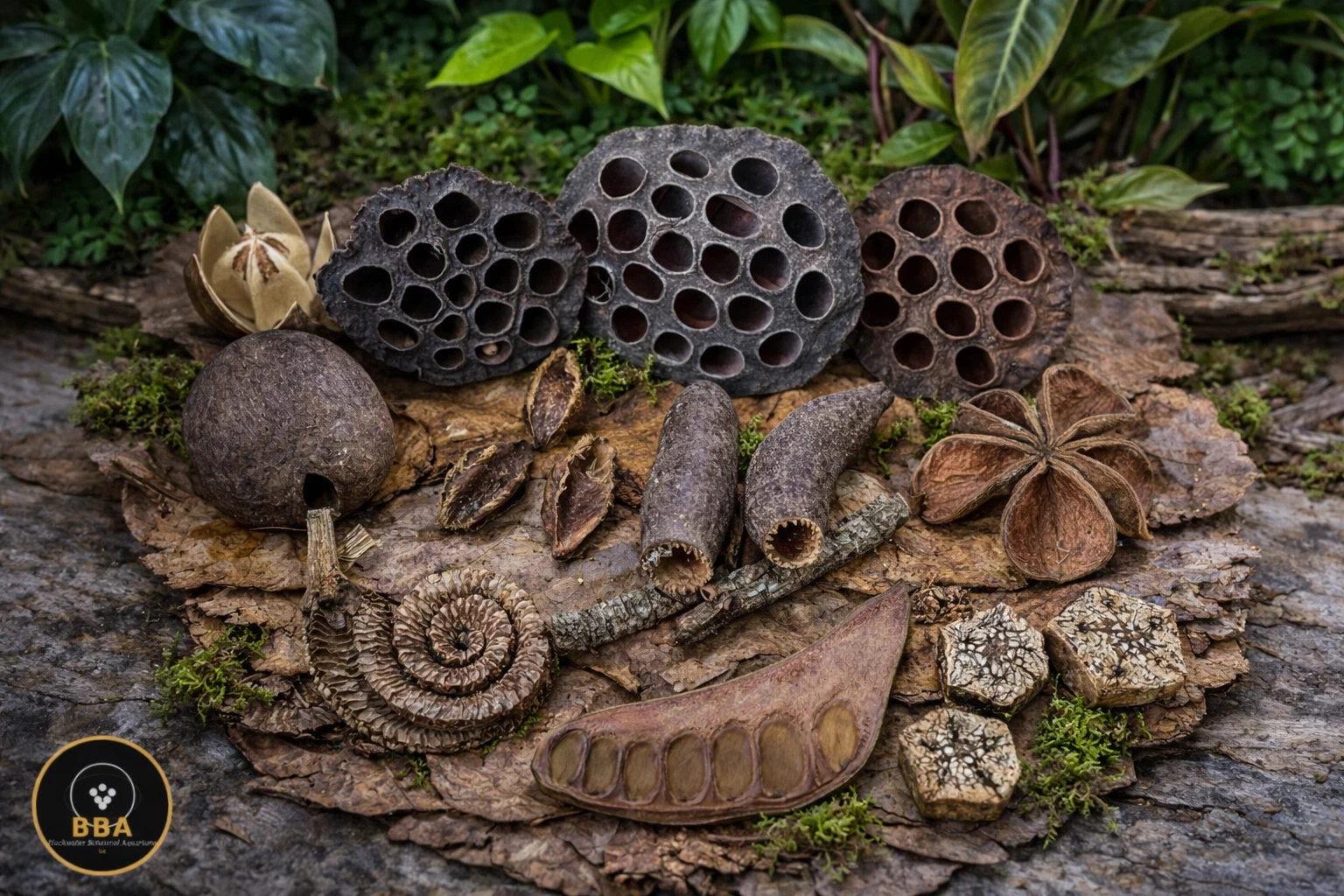
  • 1 Wild Lily Flower
  • 3 Lotus Seed Pods
  • 1 AquaCurl
  • 3 Arjuna Pods
  • 2 Catappa Bark Tubes
  • 3 Mahogany Slices
  • 2 Savu Pods
  • 1 Palm Pod
  • 1 Land Lotus
  • 1 Palm Spiral

Natural product: size, shape, colour, texture and surface detail will vary.

PRODUCT DETAILS

Open product details

What it helps with

It gives a clear blackwater layout route rather than a random mix of botanical pieces.
What to watch

Watch sinking time, biofilm, water colour and how quickly livestock use the surfaces and shelters.

Cover and structure for calmer fish and more natural behaviour

Blackwater Botanical Box – Leaf-Litter, Pods & Tannins in aquarium use

Product story

Blackwater Botanical Box – Leaf-Litter, Pods & Tannins in use

AQUARIUM PRODUCT STORY

Build the box as a natural habitat route

Illustrative product-world scenes show how the listed botanicals can become habitat structure, grazing surfaces and visual blackwater character. They are not customer photos, reviews or result claims.
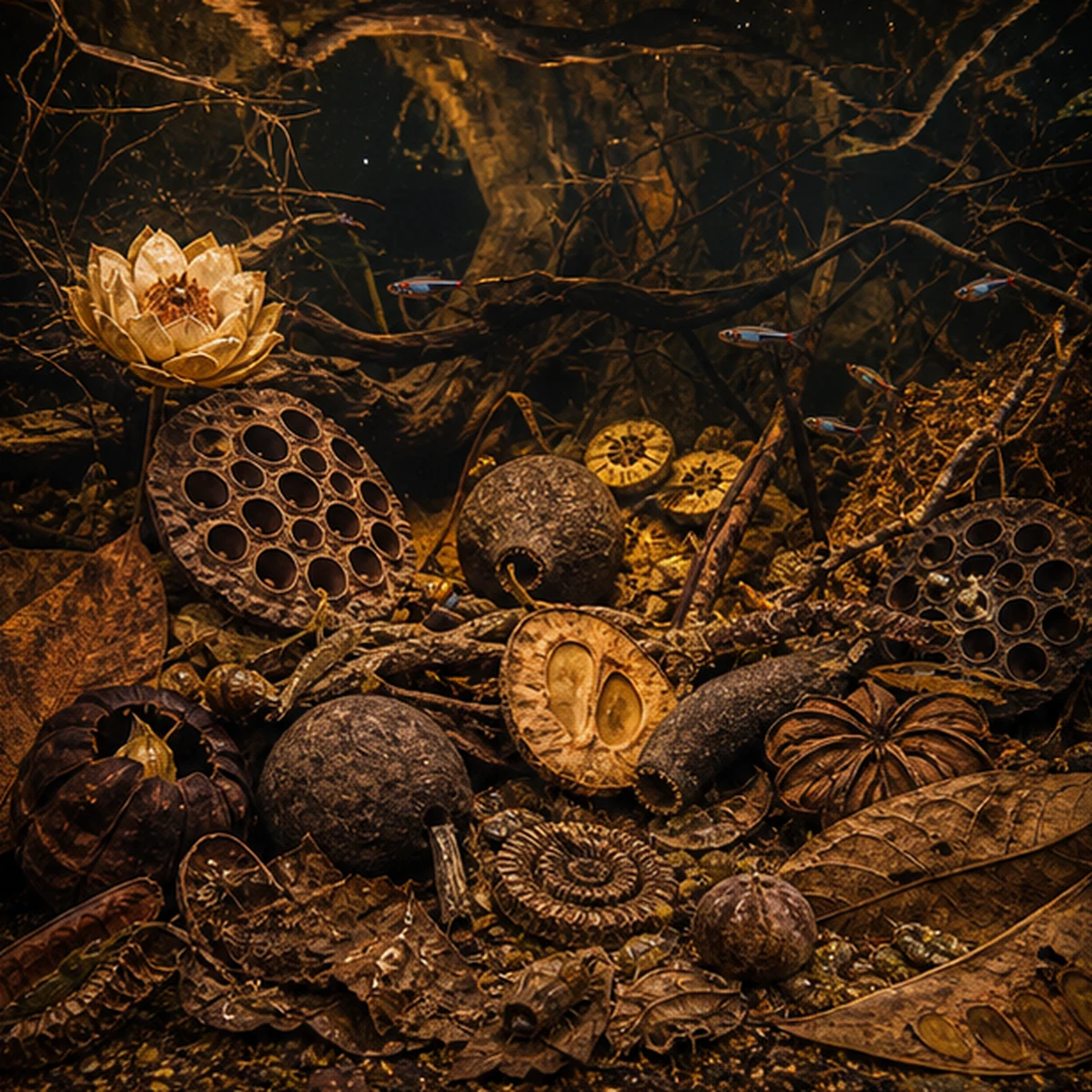
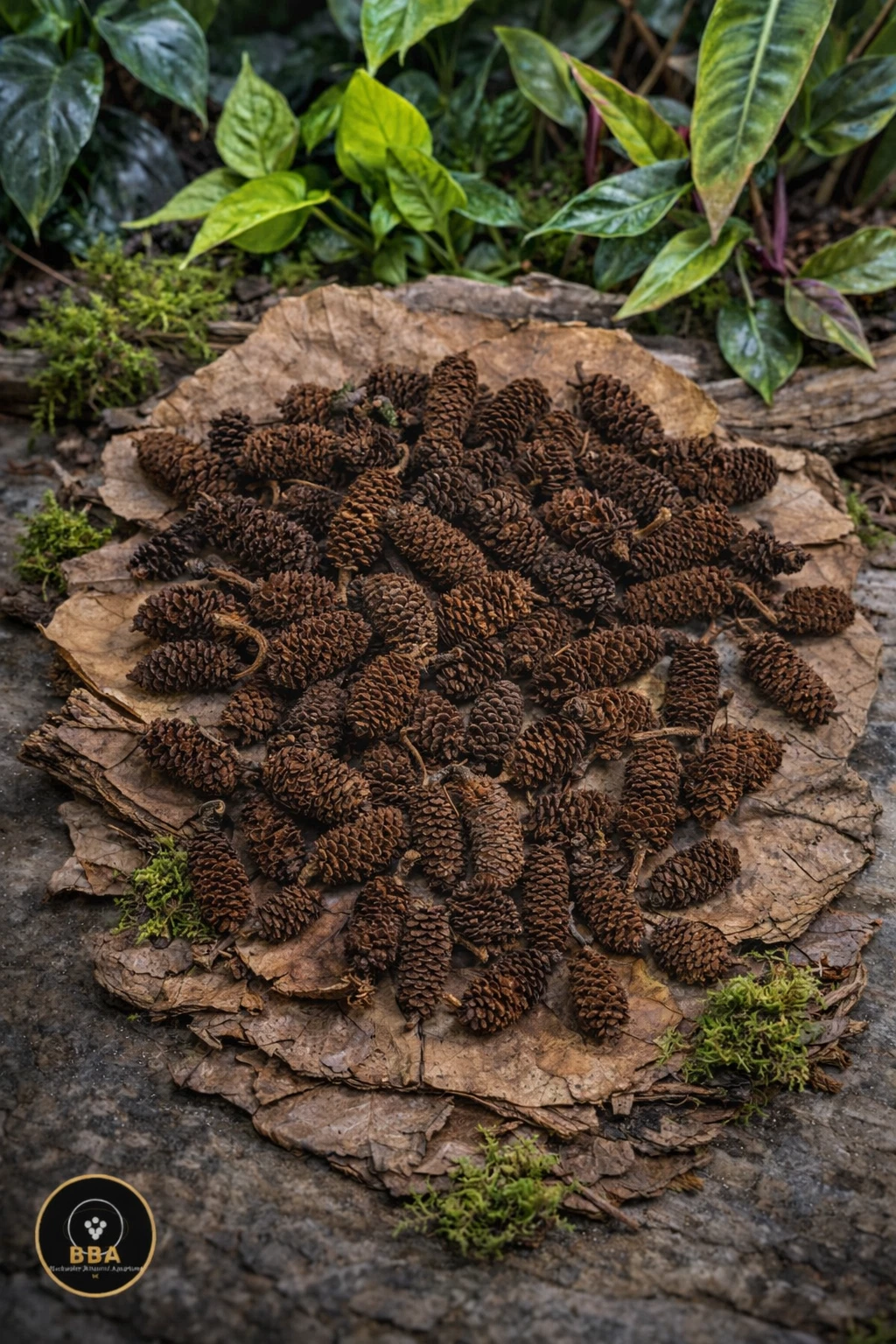
Blackwater Botanical Box – Leaf-Litter, Pods & Tannins wide habitat route illustrative product-world scene
FEATURE PIECE

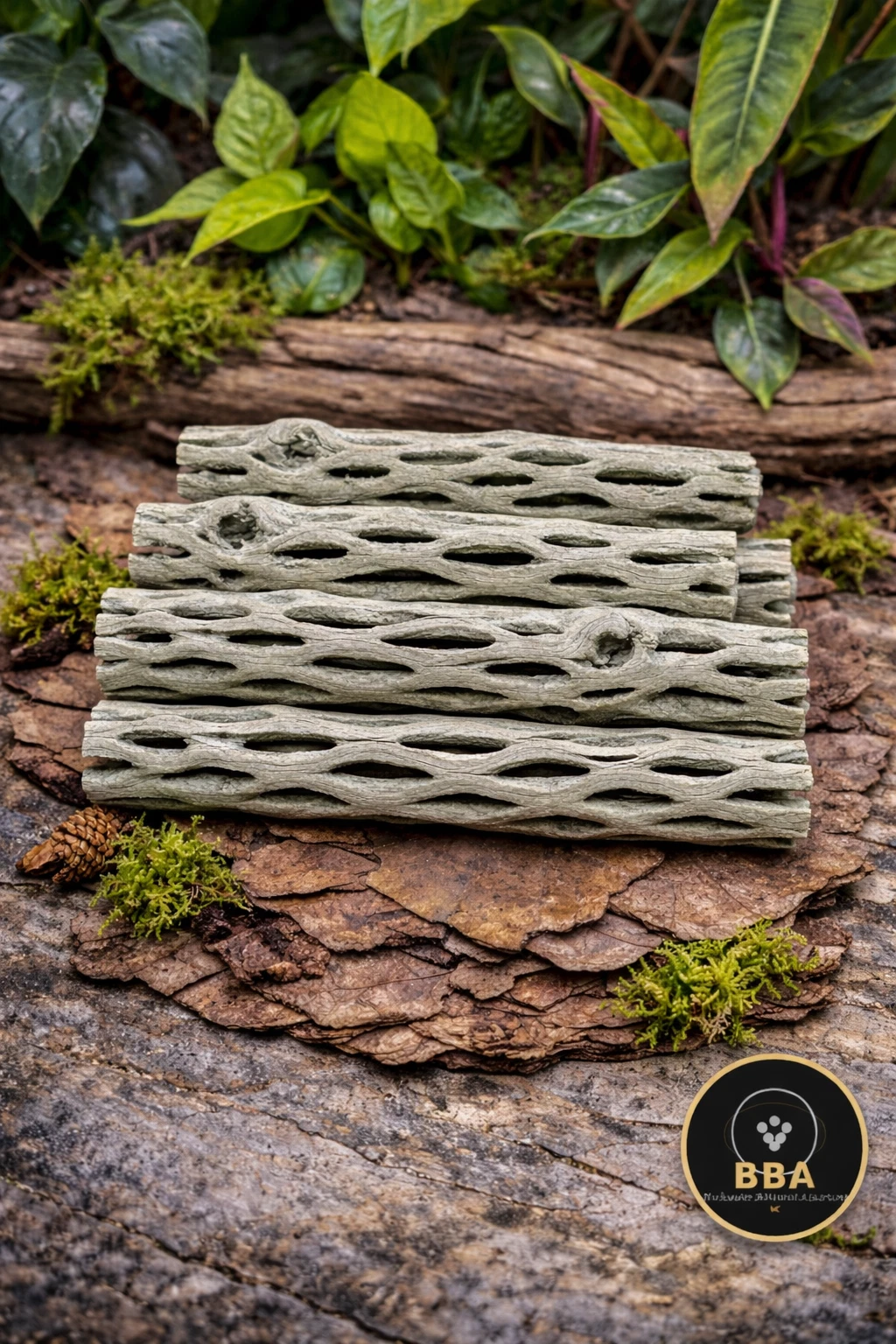
Set the largest structural botanical first and build the smaller materials around it.
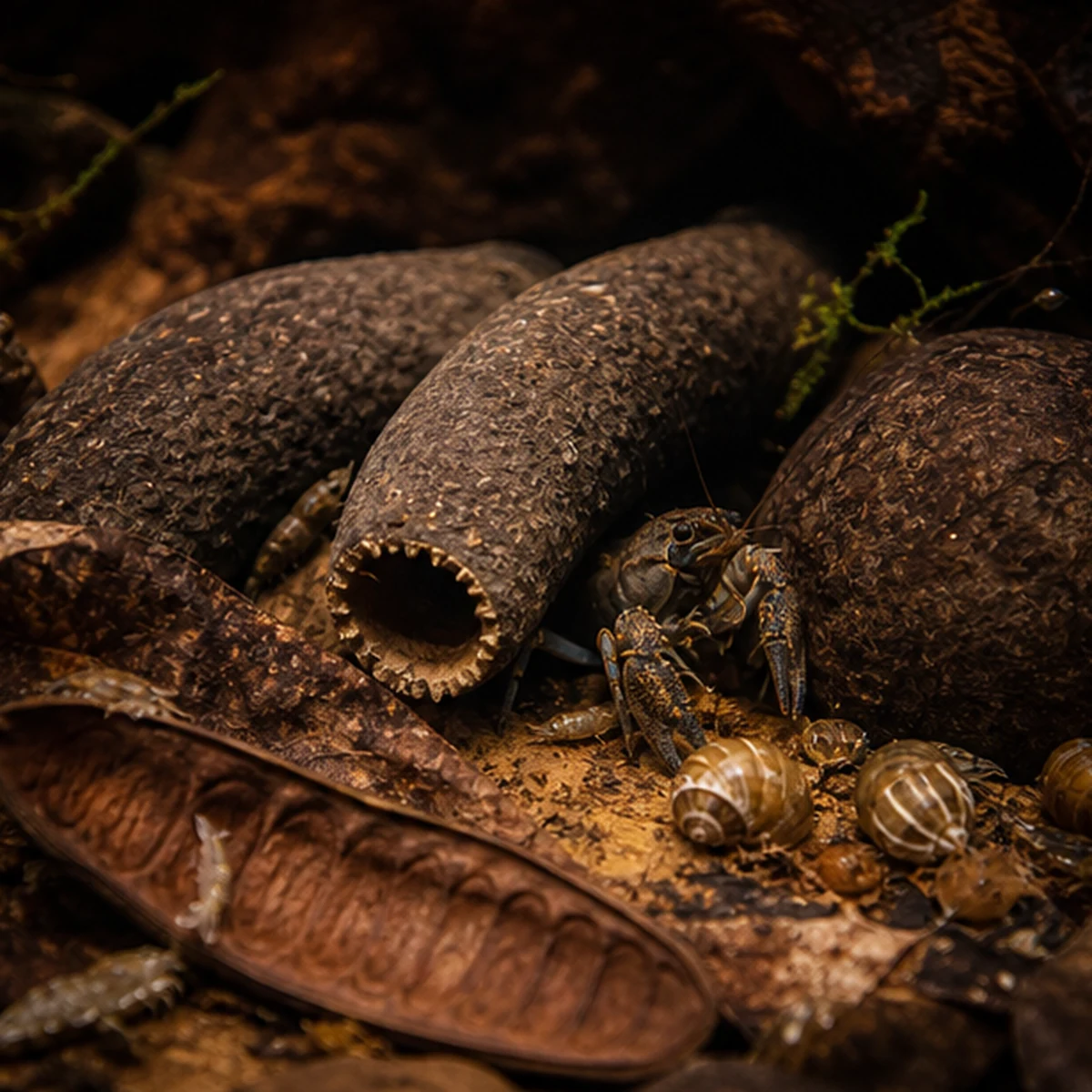
Blackwater Botanical Box – Leaf-Litter, Pods & Tannins grazing and detail illustrative product-world scene
OPEN ROUTES

Leave open sand and swimming space instead of filling the entire substrate.
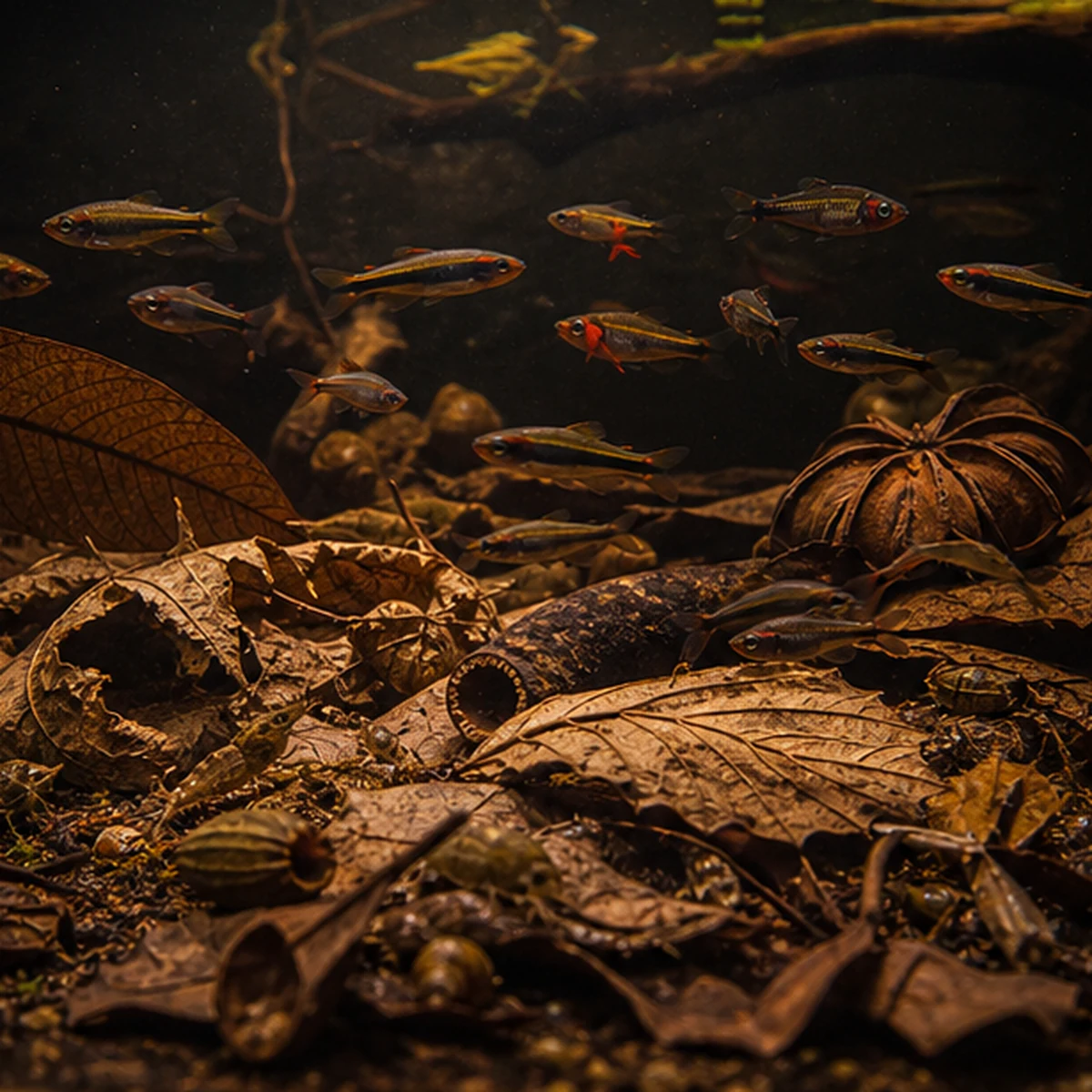
Blackwater Botanical Box – Leaf-Litter, Pods & Tannins shelter and cover illustrative product-world scene
GRAZING SURFACES

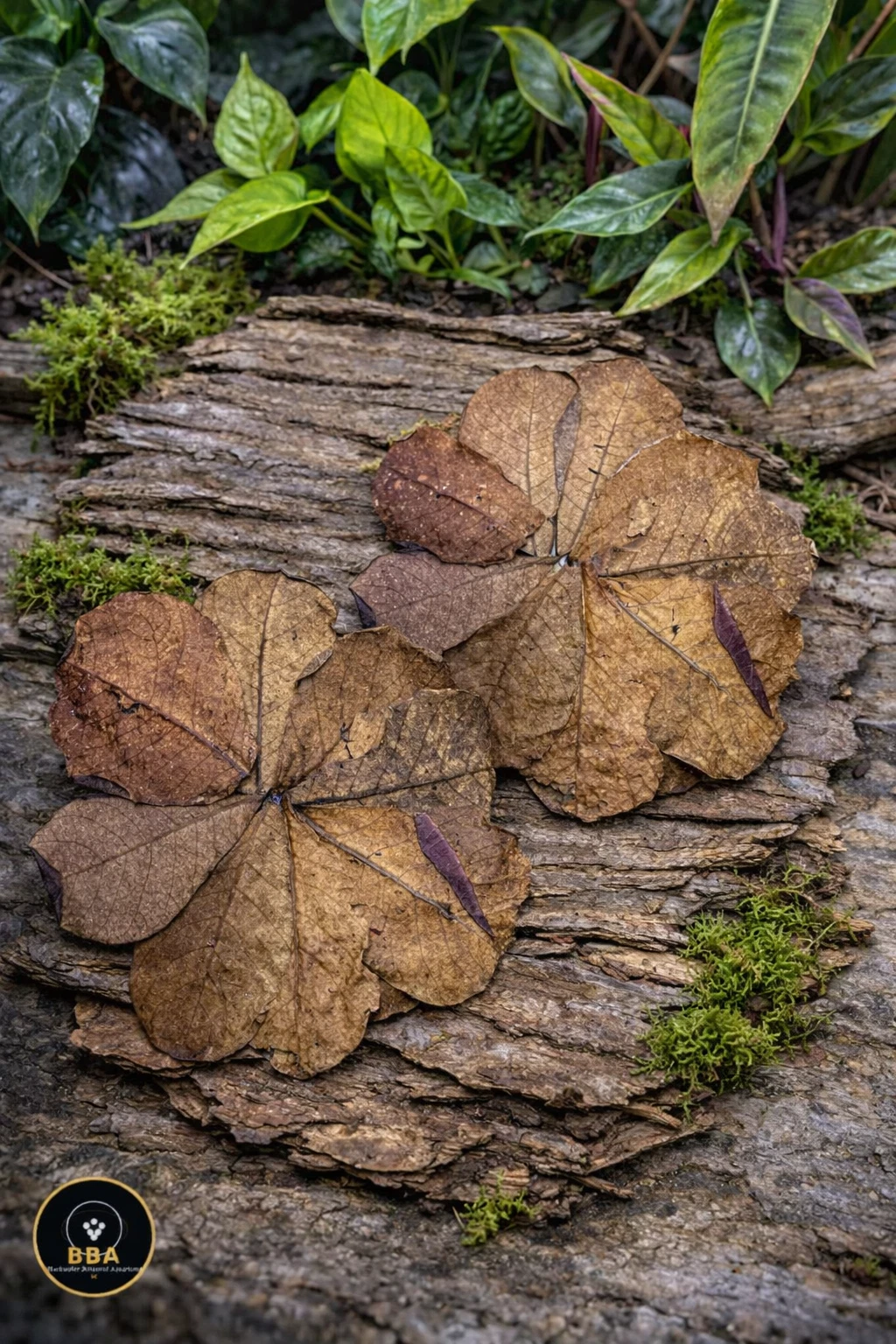
Spread leaves and textured pieces so shrimp and small fish can explore multiple surfaces.
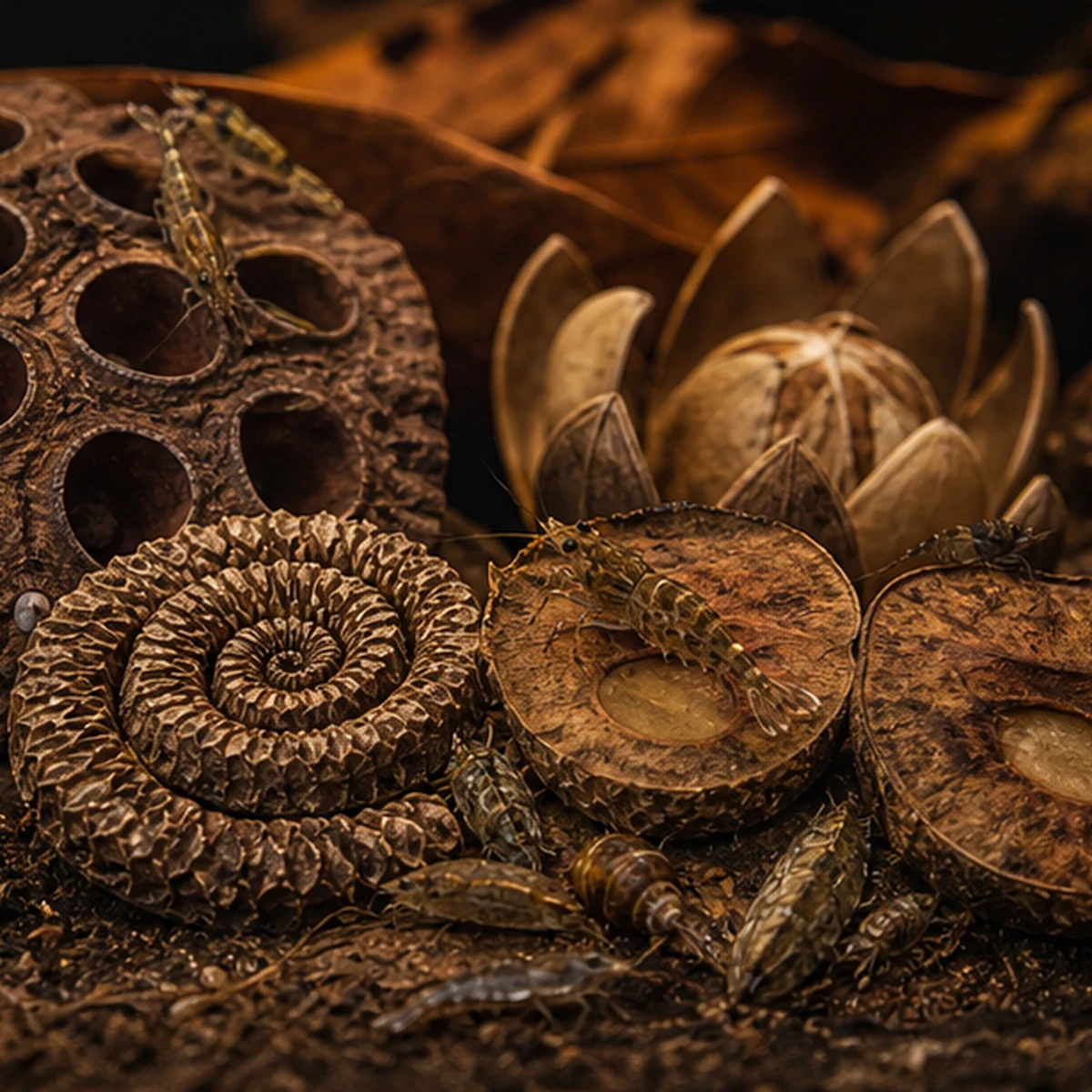
Blackwater Botanical Box – Leaf-Litter, Pods & Tannins community blackwater world illustrative product-world scene
SHELTER

Use pods and harder forms to create cover without turning the whole aquarium into one dense pile.

OTHER CUSTOMER ROUTES

OTHER NATURALISTIC HABITAT USES

Beyond aquarium use, selected dry leaves, pods and woody pieces can also add natural structure, cover and surface complexity to suitable paludarium, vivarium and bioactive setups. Choose materials to suit the scale, moisture level and animals in the enclosure.
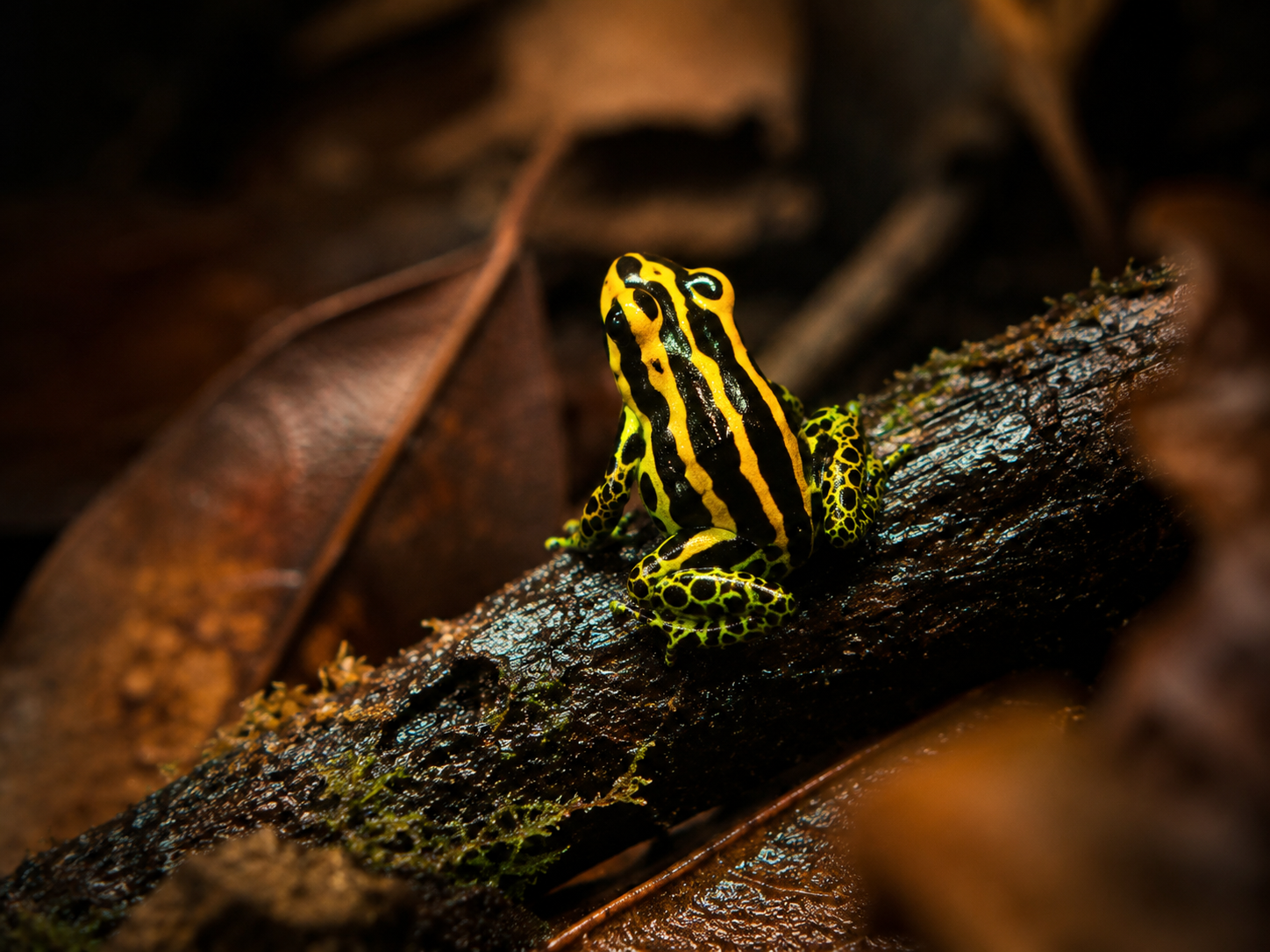
Paludarium Bioactive terrarium Isopod / springtail setup
Blackwater Botanical Box – Leaf-Litter, Pods & Tannins habitat habitat story
PALUDARIUM MARGIN

Use suitable leaves, pods and woody pieces through damp margins and transitional areas to connect the aquatic and terrestrial parts of a naturalistic layout.
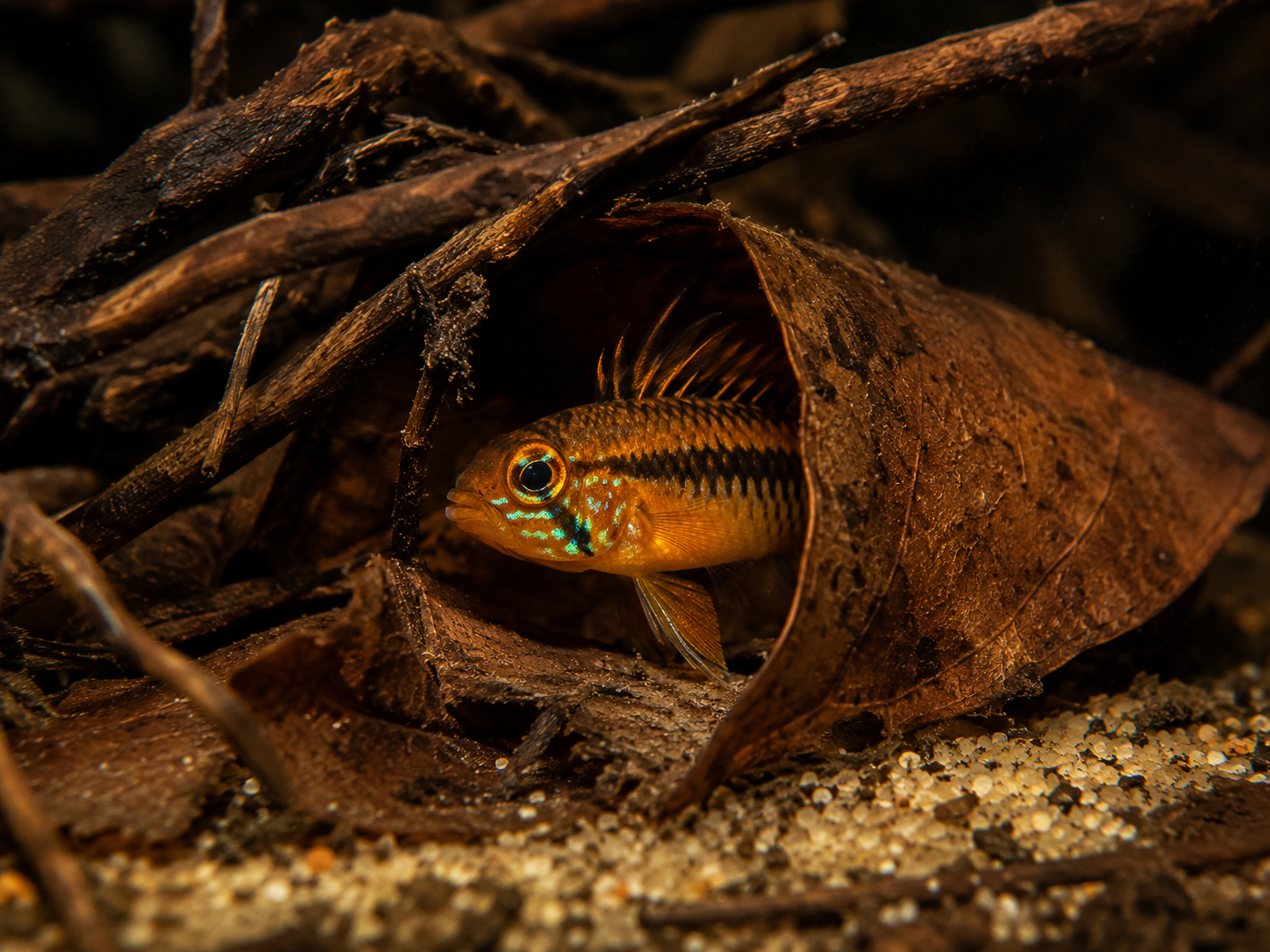
Blackwater Botanical Box – Leaf-Litter, Pods & Tannins cover habitat story
BIOACTIVE FLOOR

Leaves and suitable harder pieces can form part of the litter and structural layer used around an established bioactive substrate. They are not a complete substrate by themselves.
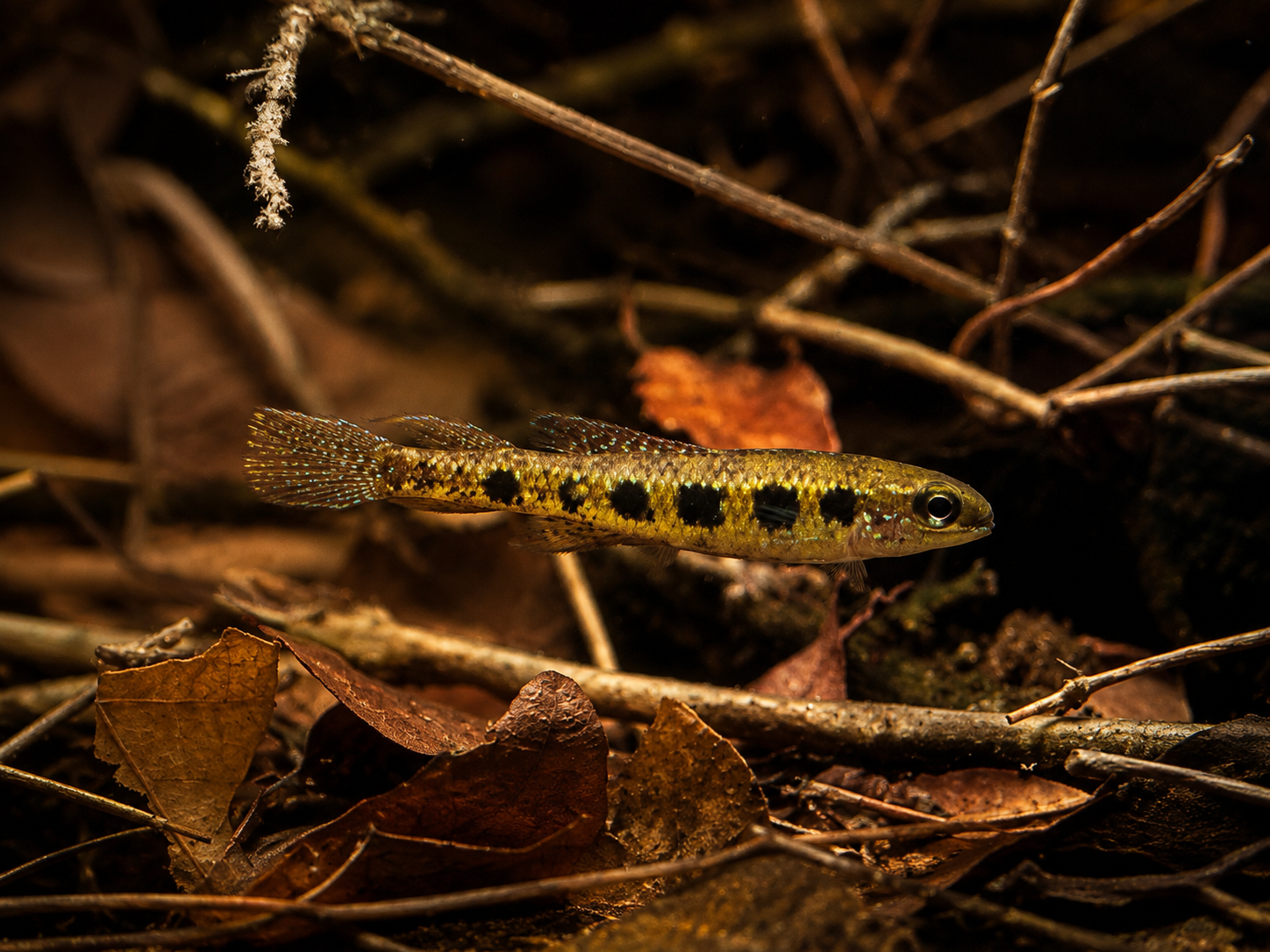
Blackwater Botanical Box – Leaf-Litter, Pods & Tannins blend in habitat story
ISOPOD / SPRINGTAIL LITTER

Suitable leaves and dry botanical pieces can provide cover, surface complexity and material that gradually becomes part of the decomposer environment.
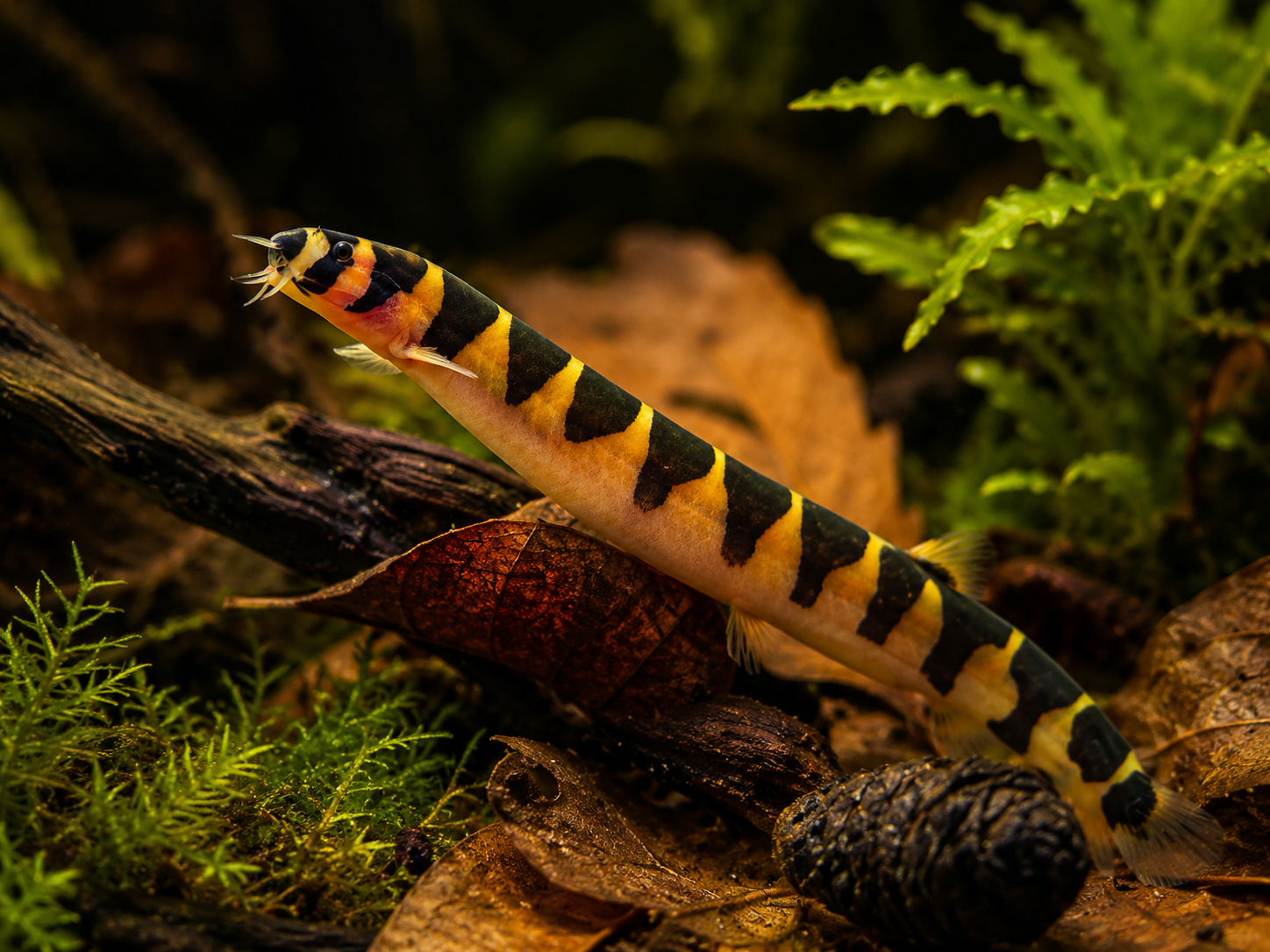
Blackwater Botanical Box – Leaf-Litter, Pods & Tannins explore habitat story
ISOPOD / SPRINGTAIL COVER

Use suitable pieces as additional cover and surface complexity within an established decomposer setup, not as a complete food or substrate system.

PREPARATION & SAFETY

PREPARATION

  • Rinse all botanicals thoroughly before use. Do not use soap, detergents or household chemicals.
  • If needed, pre-soak harder pieces for 1–7 days to help them sink and to reduce the strongest initial tint.
  • A white or translucent biofilm may appear as botanicals begin to soften. This is a normal part of botanical decomposition and is commonly grazed by shrimp and snails.

SAFETY

  • Add botanicals gradually, particularly in small aquariums or very soft, low-KH water.
  • Botanicals are not a treatment and do not guarantee a specific pH, GH or KH change.
  • Remove or reduce botanical material if livestock show signs of stress.
  • For aquatic and naturalistic hobby enclosures only. Not for human consumption. Keep unused material away from children and non-target pets.
  • Individual botanical pieces are not a complete substrate or complete diet for enclosure animals.

FAQ

Open FAQ
Should the whole pack go in one pile?

No. The best visual result usually comes from spreading the botanicals through a route of leaves, pods, cover and open swimming space.

LEARN BEFORE YOU ADD

Practical guides for botanical setup, preparation and what to expect.

COMPLETE THE ROUTE

Choose an addition only when it adds a different role to your setup.

AQUARIUM ROUTE

Not sure how much to add?

Use the route guidance before building a heavy botanical aquarium layout, especially for shrimp, nano and soft-water tanks.

Use Box Finder Starter Routes