Snails · Seminole ramshorn snail
Planorbella duryi — Habitat and Care
A small air-breathing freshwater snail associated with planted surfaces and detritus. Identify the animal first: a ramshorn-shaped shell is not enough to transfer one species’ care to every aquarium snail.
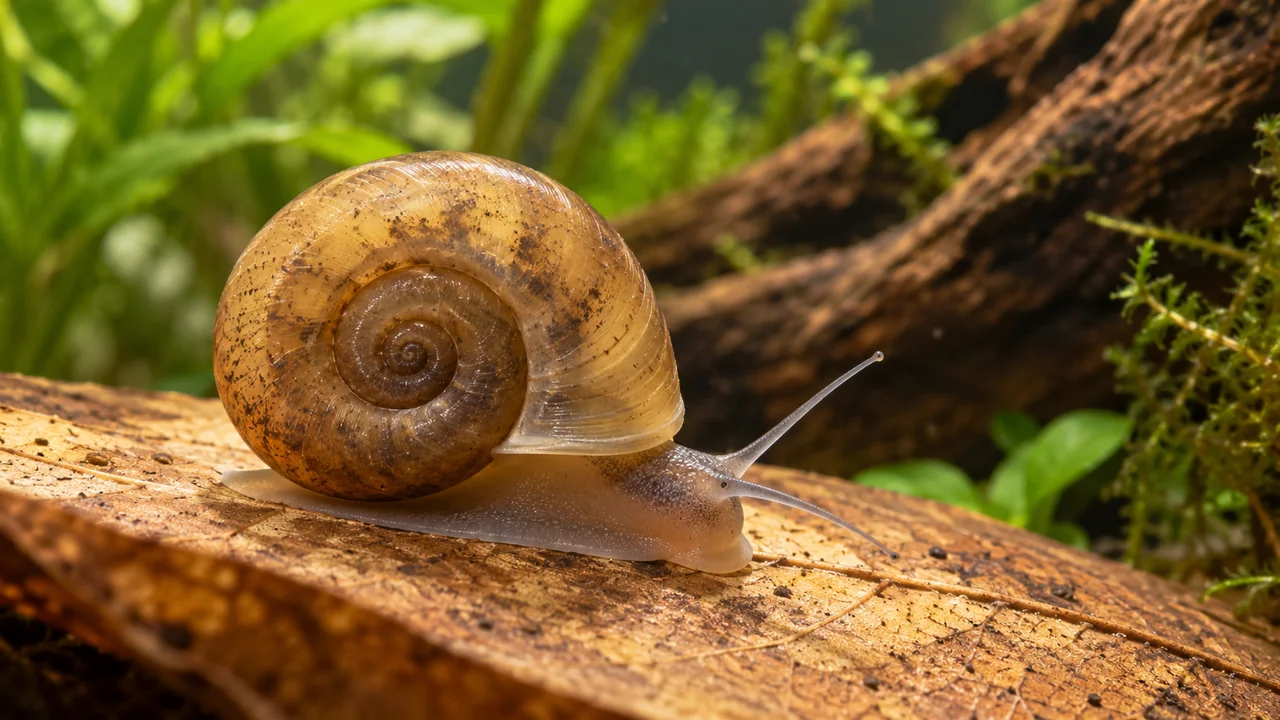
- Identity
- Planorbella duryi (Wetherby, 1879); Planorbidae. Older sources may use Helisoma duryi.
- Adult scale
- The Australian identification key reports adult size up to 25 mm; measure the shell rather than the extended body.
- Space and access
- Provide accessible submerged grazing surfaces and a route to the surface; manage food and population.
- Water
- Maintain stable freshwater conditions and suitable mineral availability; avoid forcing an acidic leaf-litter recipe.
- Feeding
- Algae and detrital resources, with appropriate supplementary feeding where needed.
- Identification limit
- Similar Planorbella and other ramshorns exist. This profile does not identify unexamined shop stock.
Identity before a common name
Planorbella duryi is the Seminole ramshorn, a freshwater planorbid associated with Florida and widely transported outside its original range. Older names can complicate aquarium labels.
Shell shape, whorl structure and adult characters matter. The Australian key discusses confusion with other planorbids and even flags uncertainty over some of its figured specimens.
Natural setting and aquarium layout
Accounts describe this snail on aquatic vegetation and other submerged surfaces, including still freshwater habitats. Those observations support providing accessible surfaces rather than a bare ornamental container.
Arrange plants, a modest amount of leaf litter and stable hardscape so the snail can graze and move towards the surface. Leave maintenance access around the substrate. Do not create tight, inaccessible pockets where food collects and animals cannot be checked.
Water, shell and maintenance
Shell condition should be assessed alongside the animal, food and water, rather than treated as a decoration problem. Keep replacement water suitable and consistent, and investigate deterioration instead of assuming tannin colour is protective.
A strongly acidic, deliberately demineralised setup should not be copied from a blackwater fish profile. No universal pH, GH or KH range is claimed here. Confirm source-water and mineral suitability before choosing a long-term arrangement for this species.
Behaviour and companions
This is a grazing snail, not an all-purpose cleaner that removes the need for maintenance. Give it undisturbed feeding surfaces and check that other inhabitants are not persistently damaging it.
A shell does not guarantee safety from predatory fish or snails. If considering an assassin snail or another mollusc-eating animal, treat that as a real predation risk, not a useful background companion for this profile.
Feeding and population management
Algae and detritus are recorded food resources, but their availability varies between aquariums. Observe feeding and provide suitable supplementary food where the available growth is insufficient.
Excess feed can support a growing snail population while leaving water and substrate dirty. Adjust the food entering the whole aquarium rather than relying on an unexplained outbreak remedy. A few snails do not make overfeeding harmless.
For a deliberately maintained ramshorn group, Bee Pollen Gold™ Shrimp Lollies and Nettle Shrimp Food offer different supplementary feeding formats. Choose a small observable portion of one option and adjust to what the snails actually use, alongside the complete feeding plan.
Eggs and development
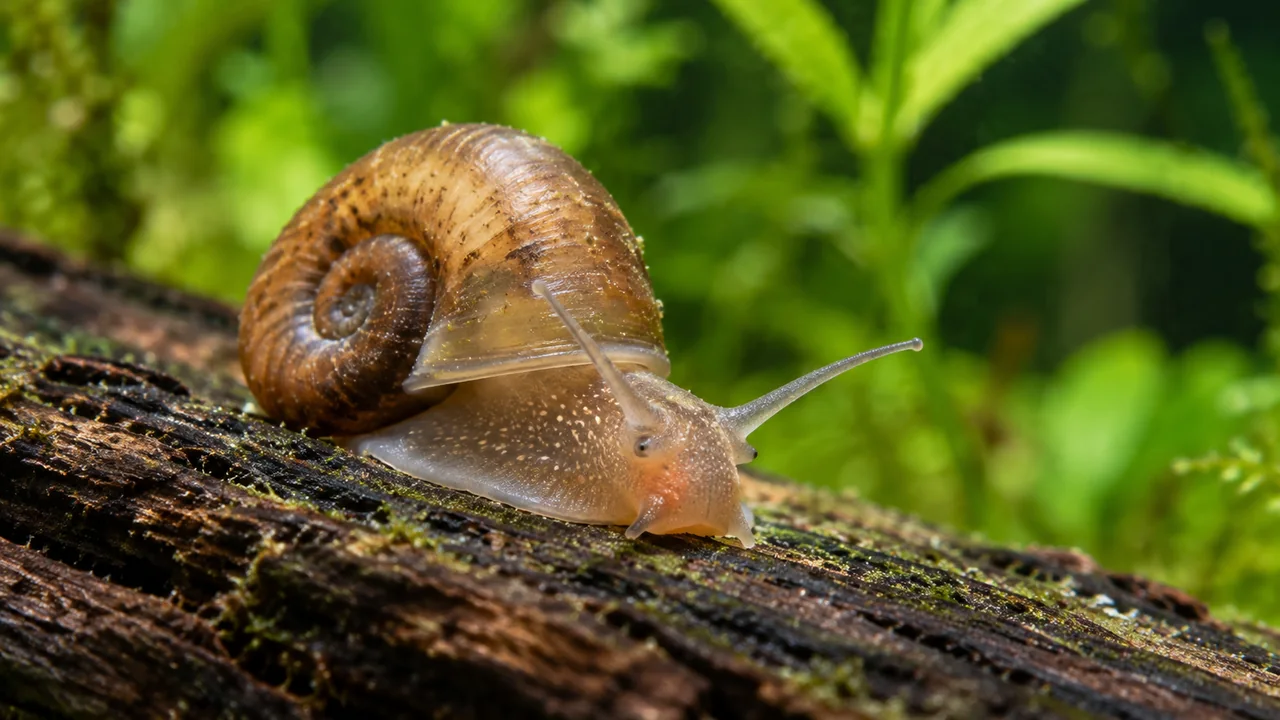
Egg masses contain small eggs in a jelly-like strip and development is direct. Newly appearing tiny snails may therefore follow an earlier unnoticed egg mass on plants or another surface.
Avoid moving animals or egg-bearing materials into outdoor water. Keep removals contained and seek responsible rehoming where appropriate; do not release snails into ponds, drains or natural habitats.
Botanicals in this setup
Prepared leaves and small pieces of wood add traversable surfaces and a changing layer of detrital material. Keep that layer thin enough to inspect and manage, with access to other food resources.
Botanicals are neither a shell treatment nor a guarantee of suitable chemistry. They should fit a stable snail aquarium, not dictate a water recipe copied from an unrelated species.
For a varied but inspectable leaf patch, compare the Snail Leaf Buffet Pack – 30–80L with individual Dried Mulberry Leaves – Aquarium Shrimp Food & Leaf Litter. Select a few prepared pieces around the open feeding area, keeping the rest as replacement material rather than adding the whole supply.
Common mistakes to avoid
Do not call every coiled aquarium snail Planorbella duryi. Avoid importing a mystery snail’s, nerite’s or assassin snail’s breeding and feeding requirements into this profile.
Do not overstock with the expectation that snails will fix poor maintenance. Check actual feeding opportunities, shell condition and interactions, and keep a record of changes when troubleshooting.
Further reading and sources
Natural observations and experimental conditions are distinguished from home-aquarium guidance. These sources do not constitute approval of a BBA product.
- US Fish & Wildlife Service: Seminole Ramshorn ecological risk screening summary — Species identity, Florida range, feeding and reproduction.
- Australian freshwater mollusc key: Planorbella duryi — Shell characters, up to 25 mm adult size, grazing and egg masses. The key includes a caveat about the identity of its own illustrated specimens.