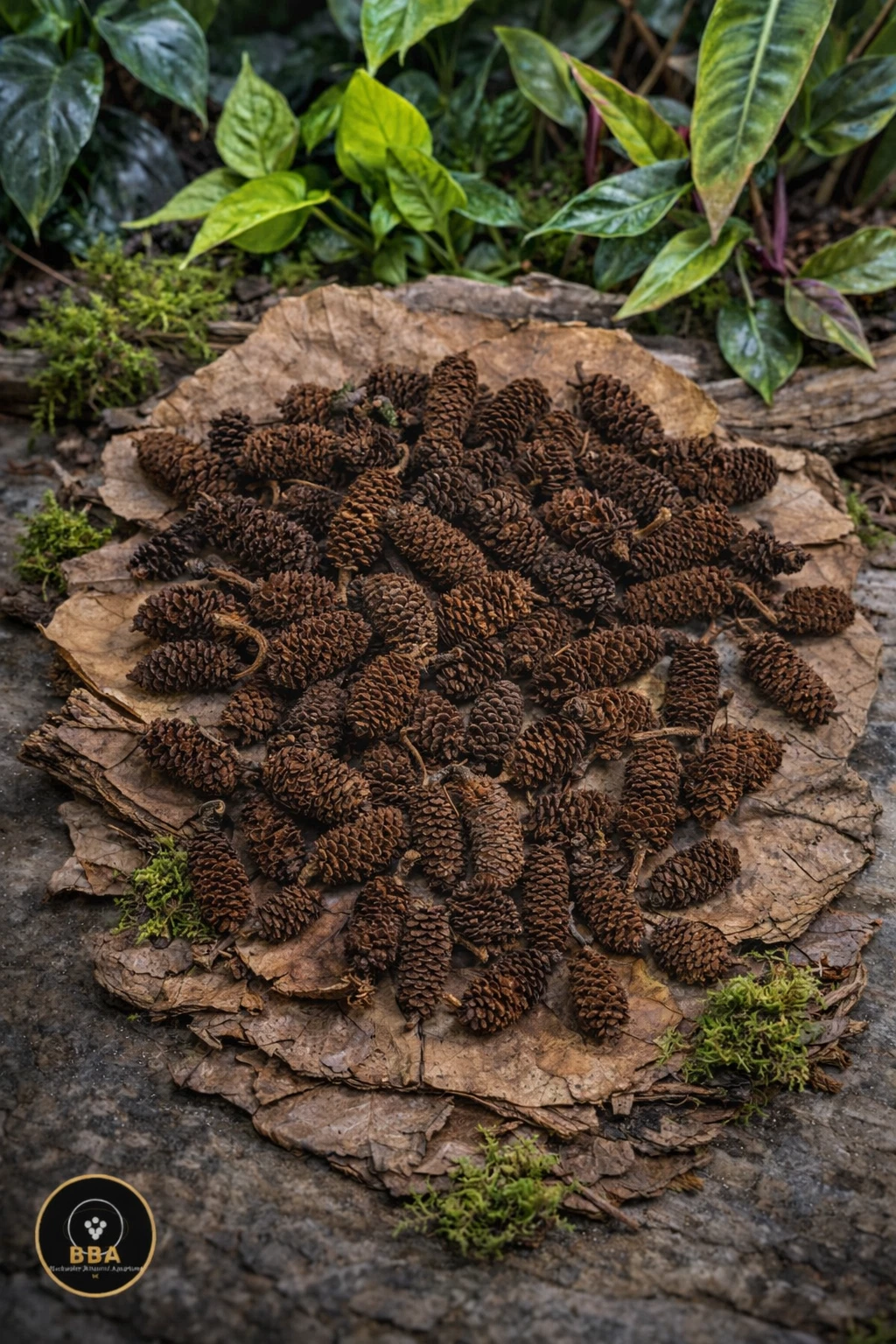
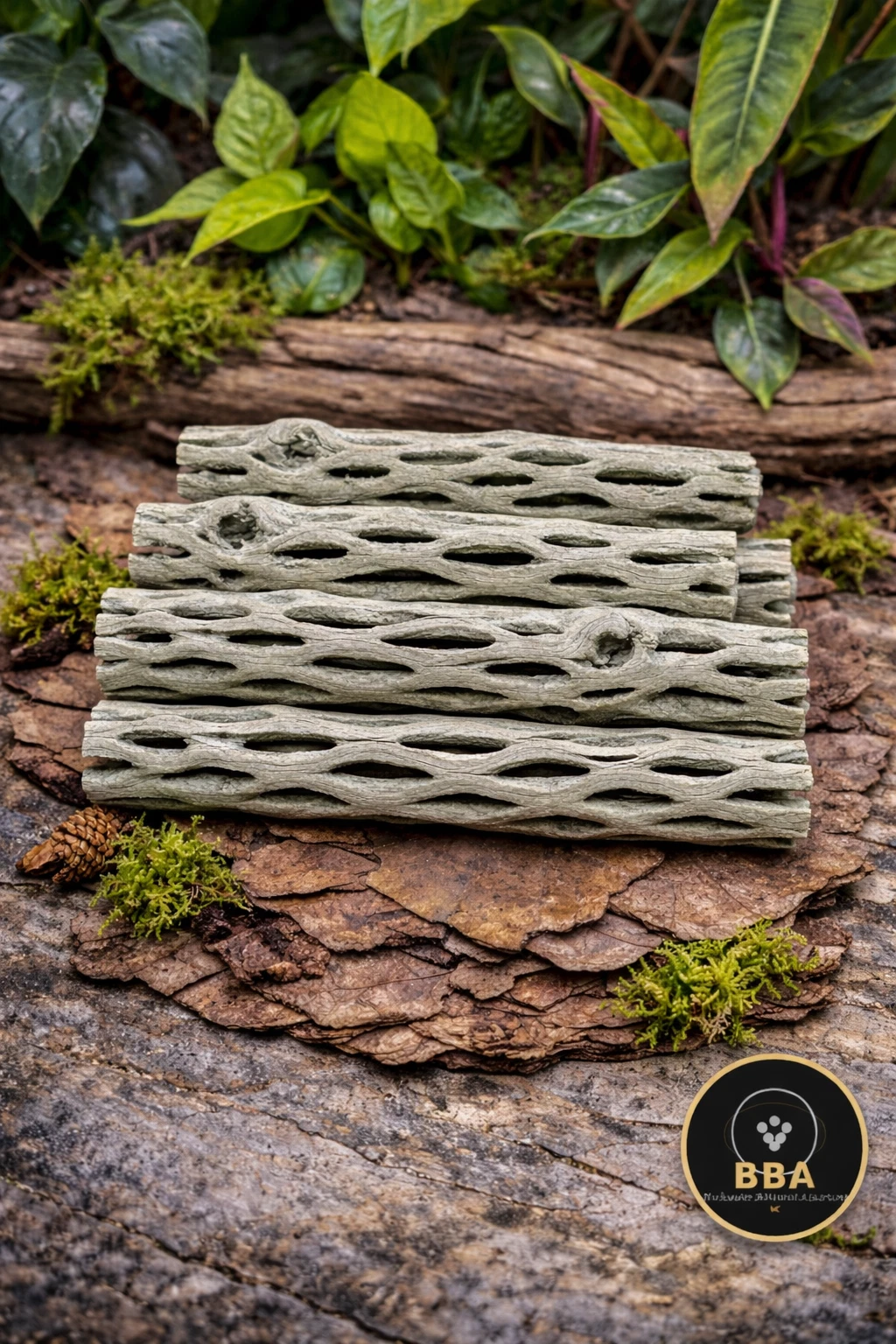
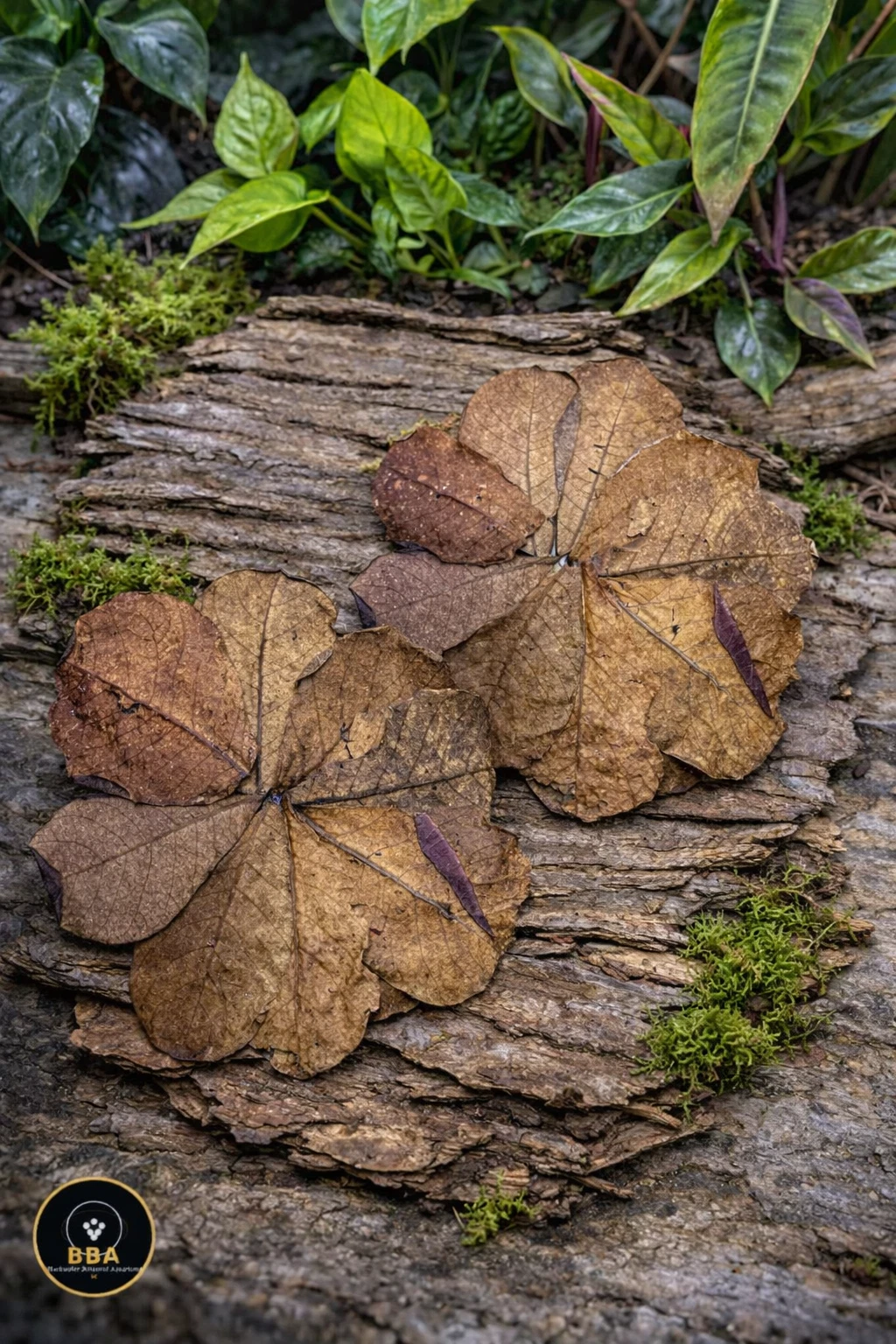
What it does
Creates layered texture, grazing zones and natural visual enrichment when used gradually.
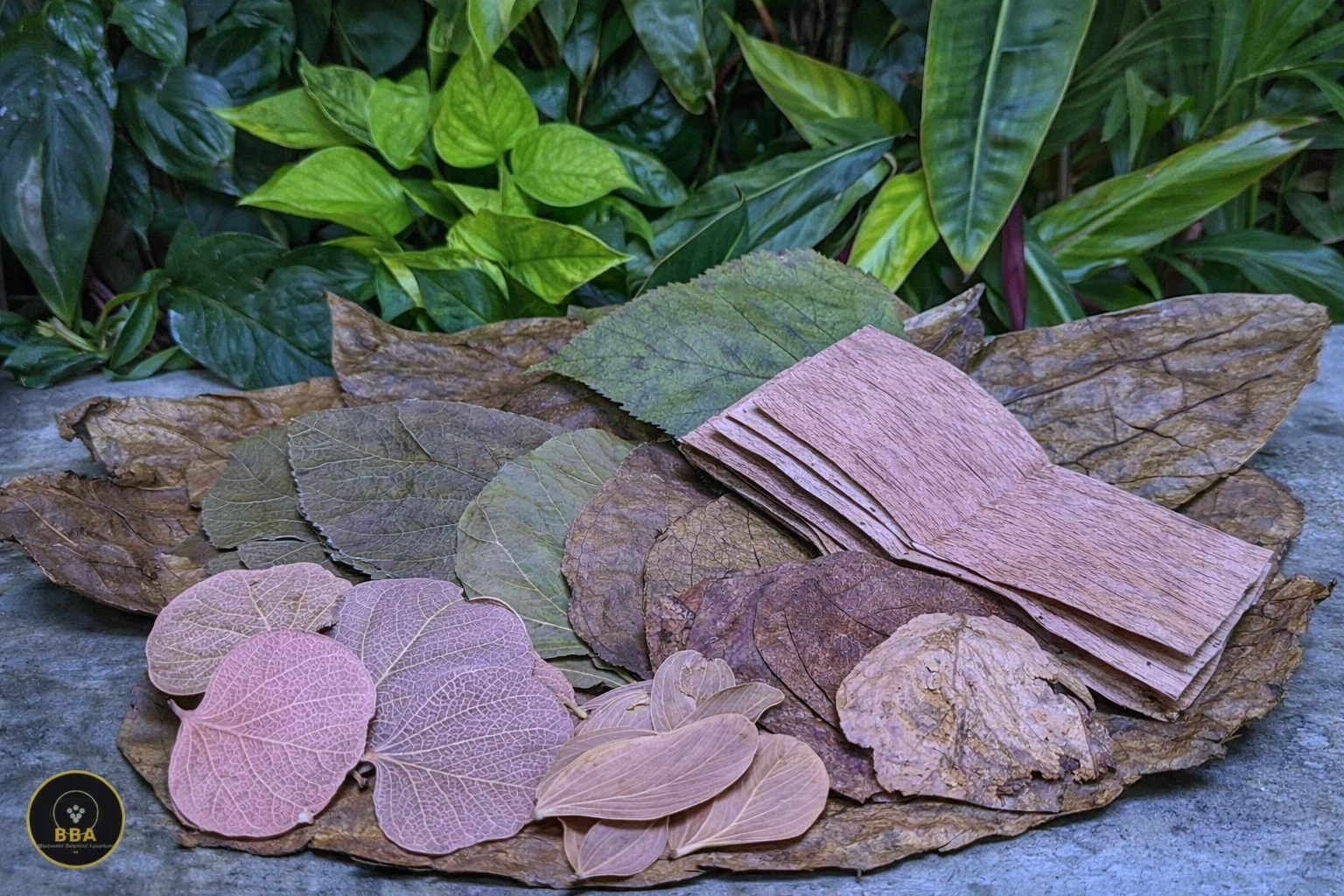
Selected option contents
Natural product: size, shape, colour, texture and surface detail will vary.
What it does
Creates layered texture, grazing zones and natural visual enrichment when used gradually.
Slow down if
Pause or remove excess material if livestock look stressed, water clouds unexpectedly or the aquarium is already unstable.
Product story
Blackwater and botanical aquariums, Amazon-style and leaf-litter setups
It supports a more natural, observed aquarium route when introduced gradually and used alongside stable husbandry.
It does not replace stable husbandry, diagnose livestock problems, cure disease or promise instant water-parameter changes.
AQUARIUM PRODUCT STORY
Illustrative BBA product-world scenes showing how this product can sit within a natural aquarium route. They are context ideas, not a review or result claim and not a promise that every tank will look the same.
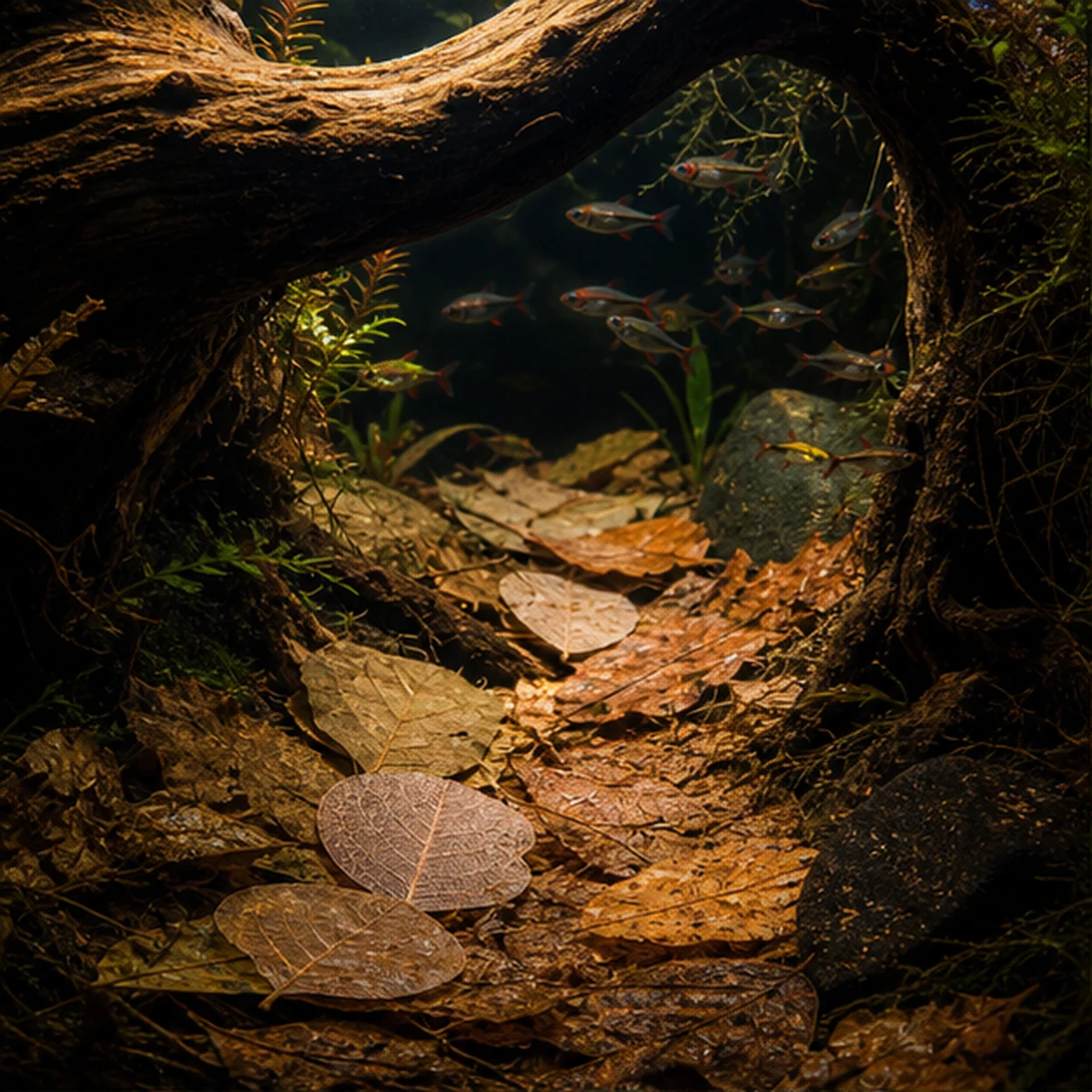
Set the largest structural botanical first and build the smaller materials around it.
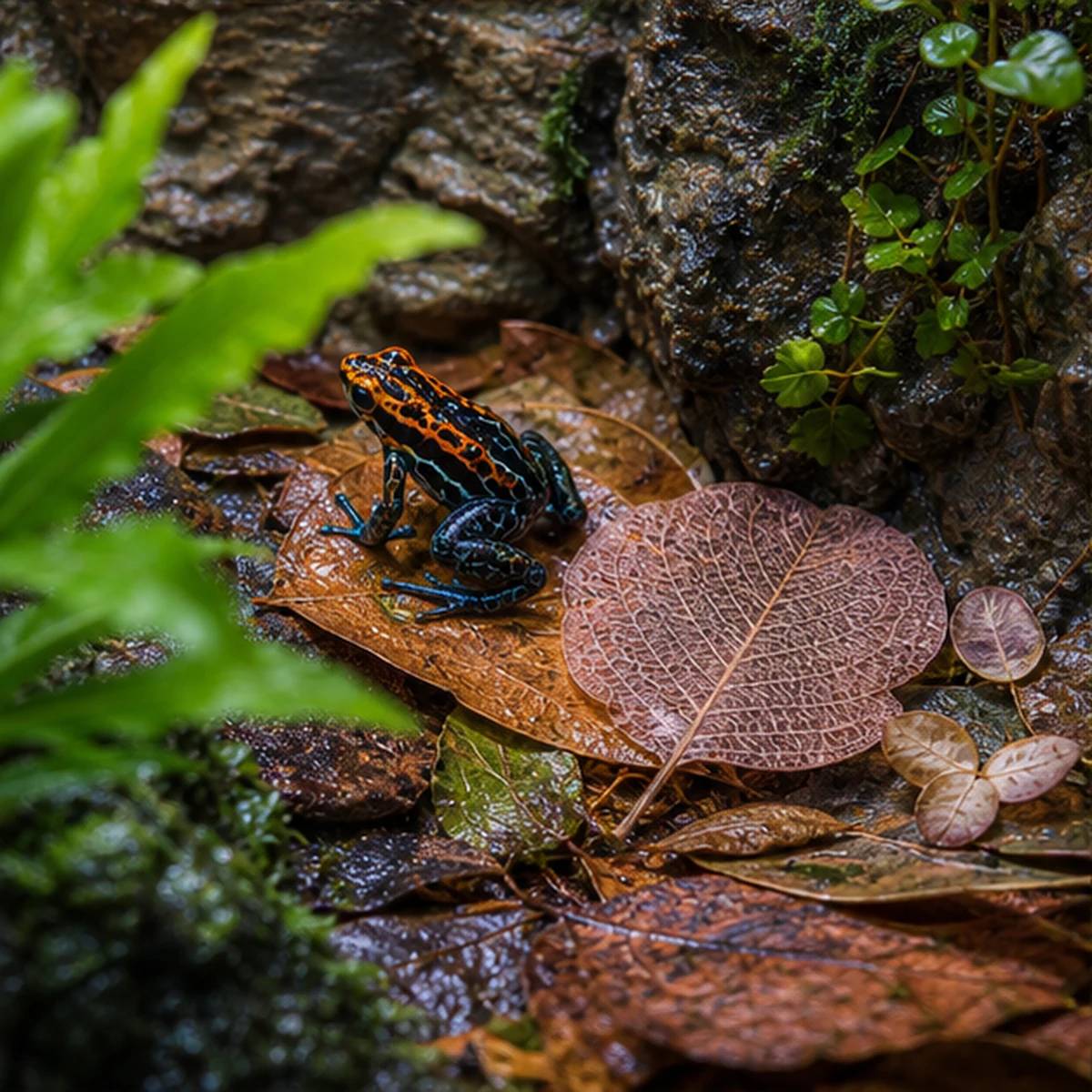
Leave open sand and swimming space instead of filling the entire substrate.
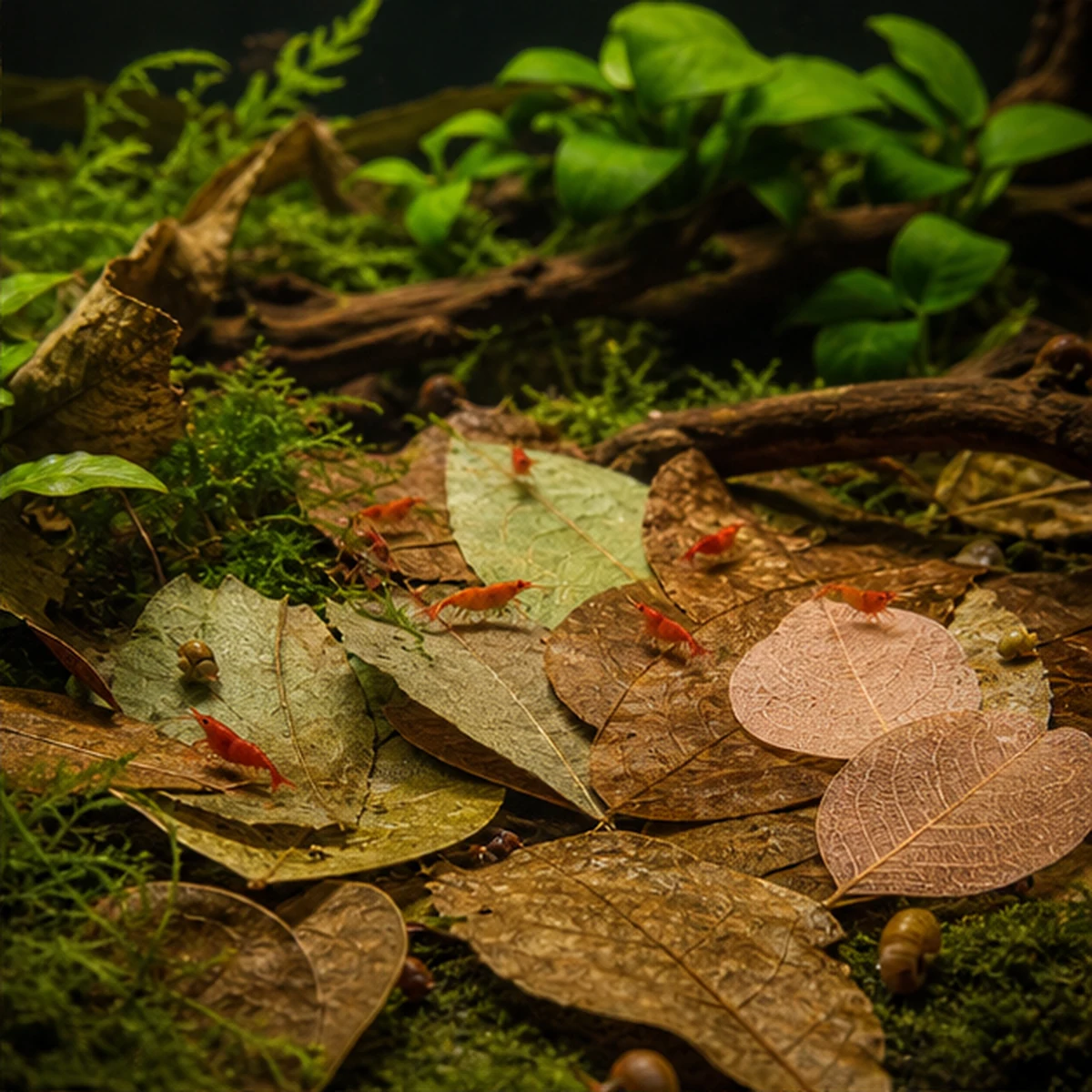
Spread leaves and textured pieces so shrimp and small fish can explore multiple surfaces.
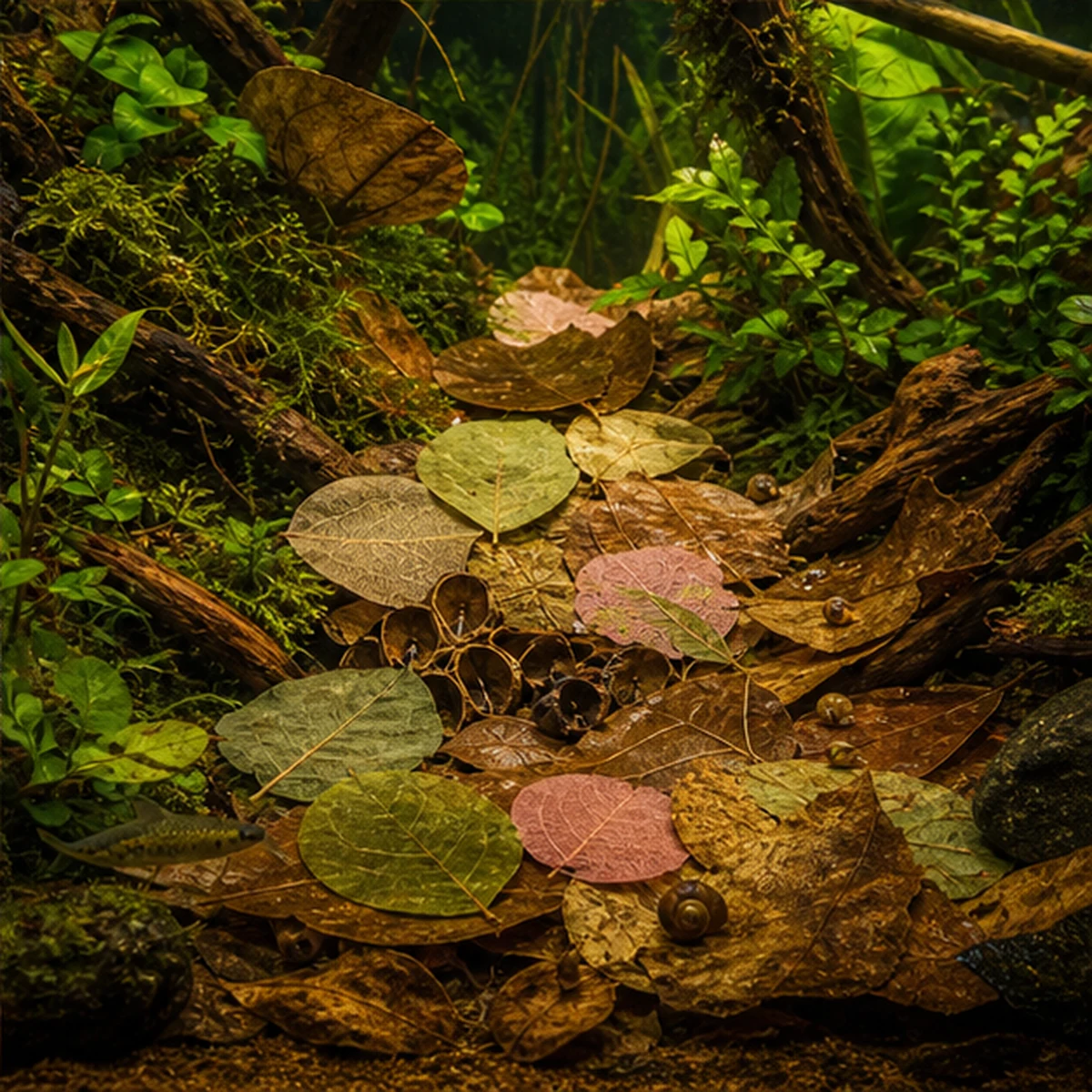
Use pods and harder forms to create cover without turning the whole aquarium into one dense pile.
OTHER CUSTOMER ROUTES
Beyond aquarium use, selected dry leaves, pods and woody pieces can also add natural structure, cover and surface complexity to suitable paludarium, vivarium and bioactive setups. Choose materials to suit the scale, moisture level and animals in the enclosure.
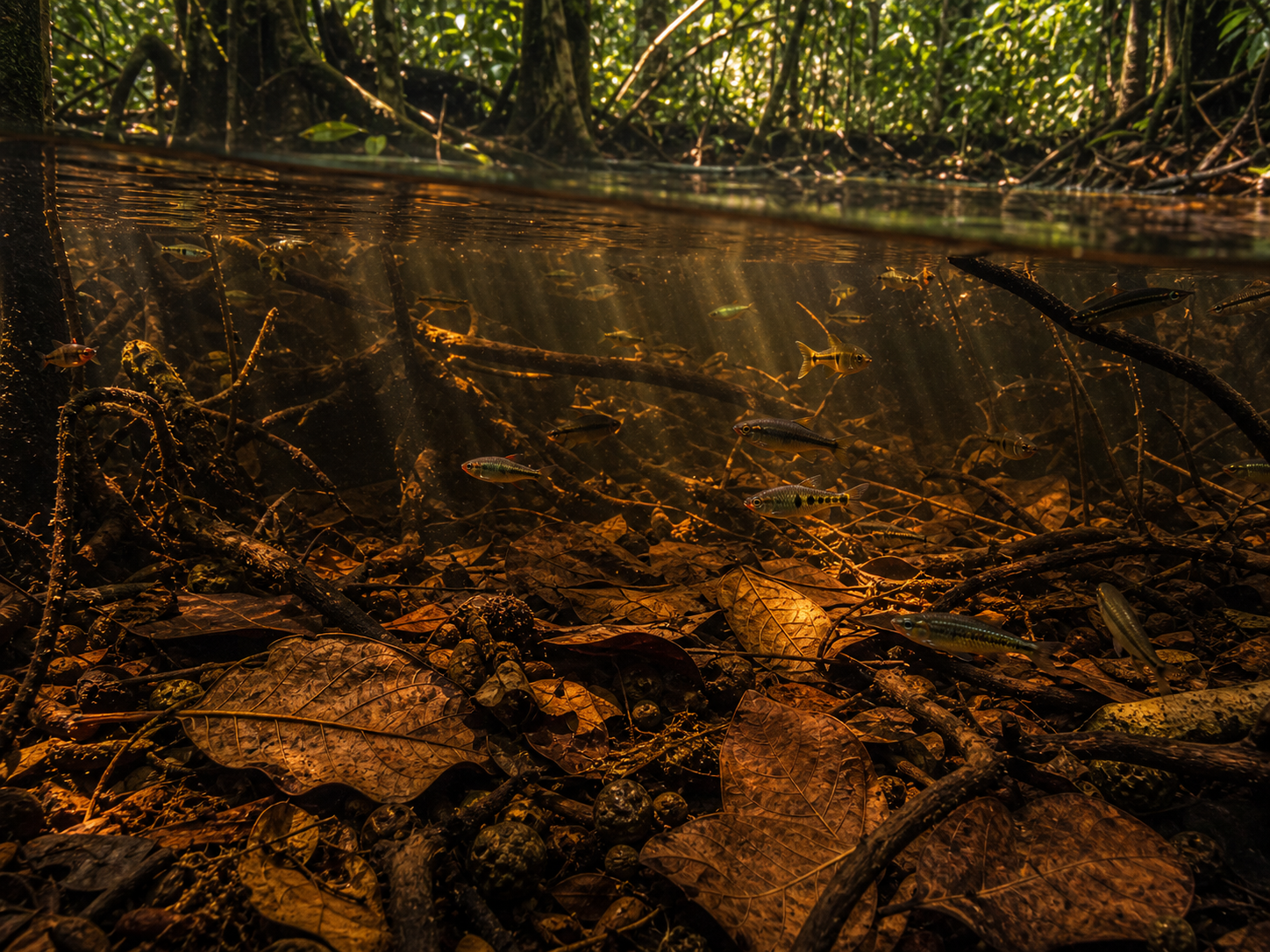
Use suitable leaves, pods and woody pieces through damp margins and transitional areas to connect the aquatic and terrestrial parts of a naturalistic layout.
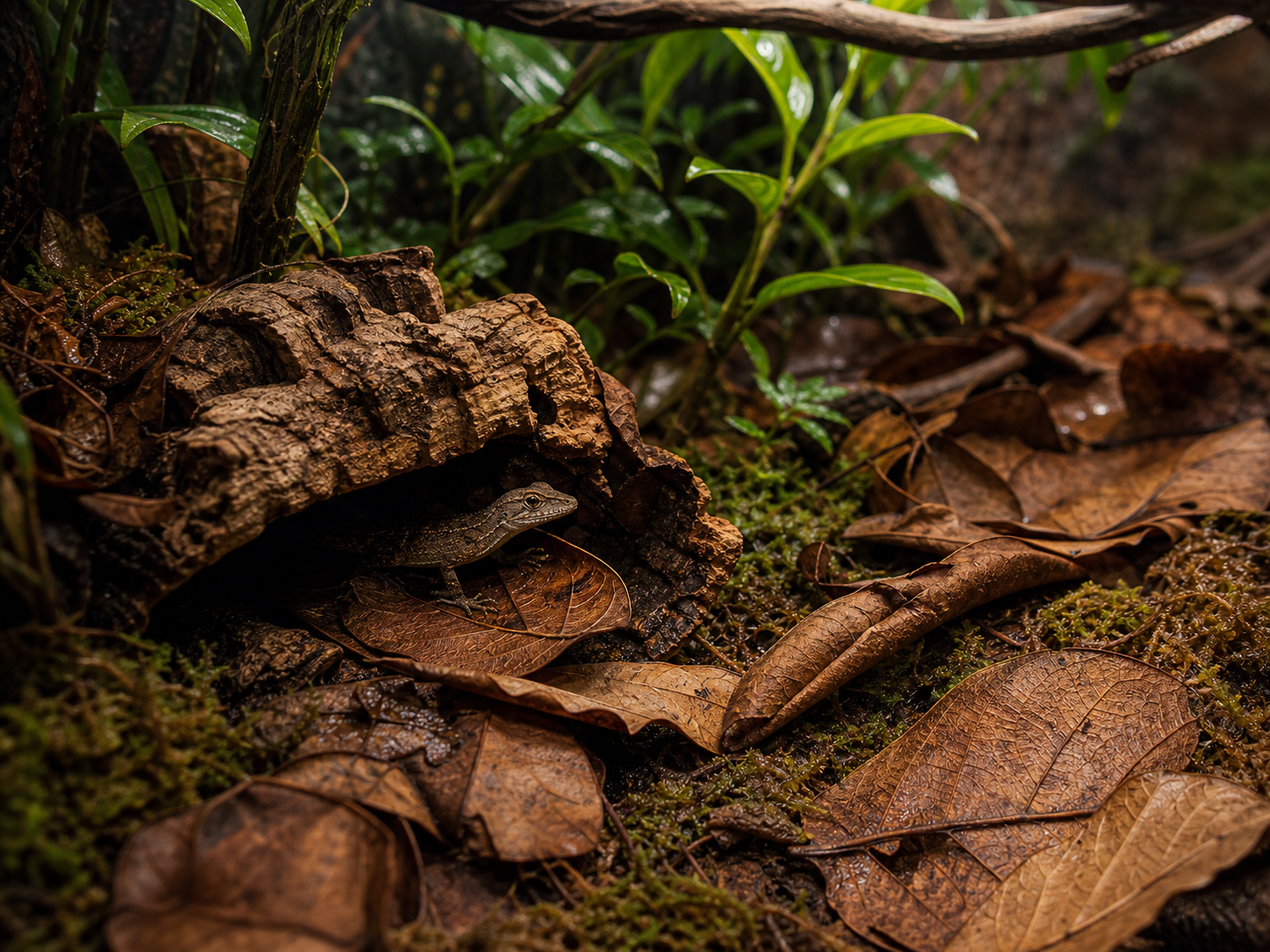
Leaves and suitable harder pieces can form part of the litter and structural layer used around an established bioactive substrate. They are not a complete substrate by themselves.
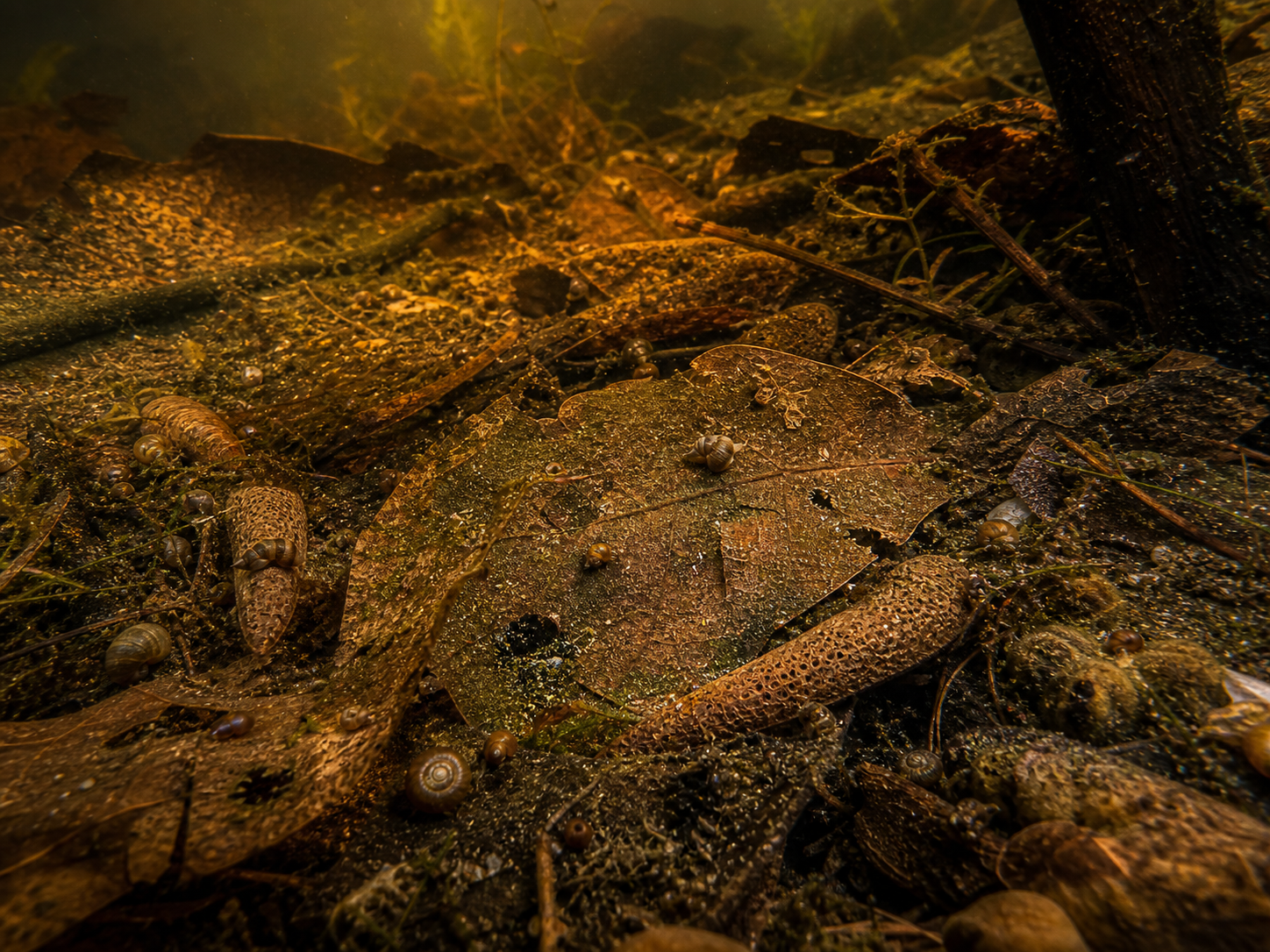
Suitable leaves and dry botanical pieces can provide cover, surface complexity and material that gradually becomes part of the decomposer environment.
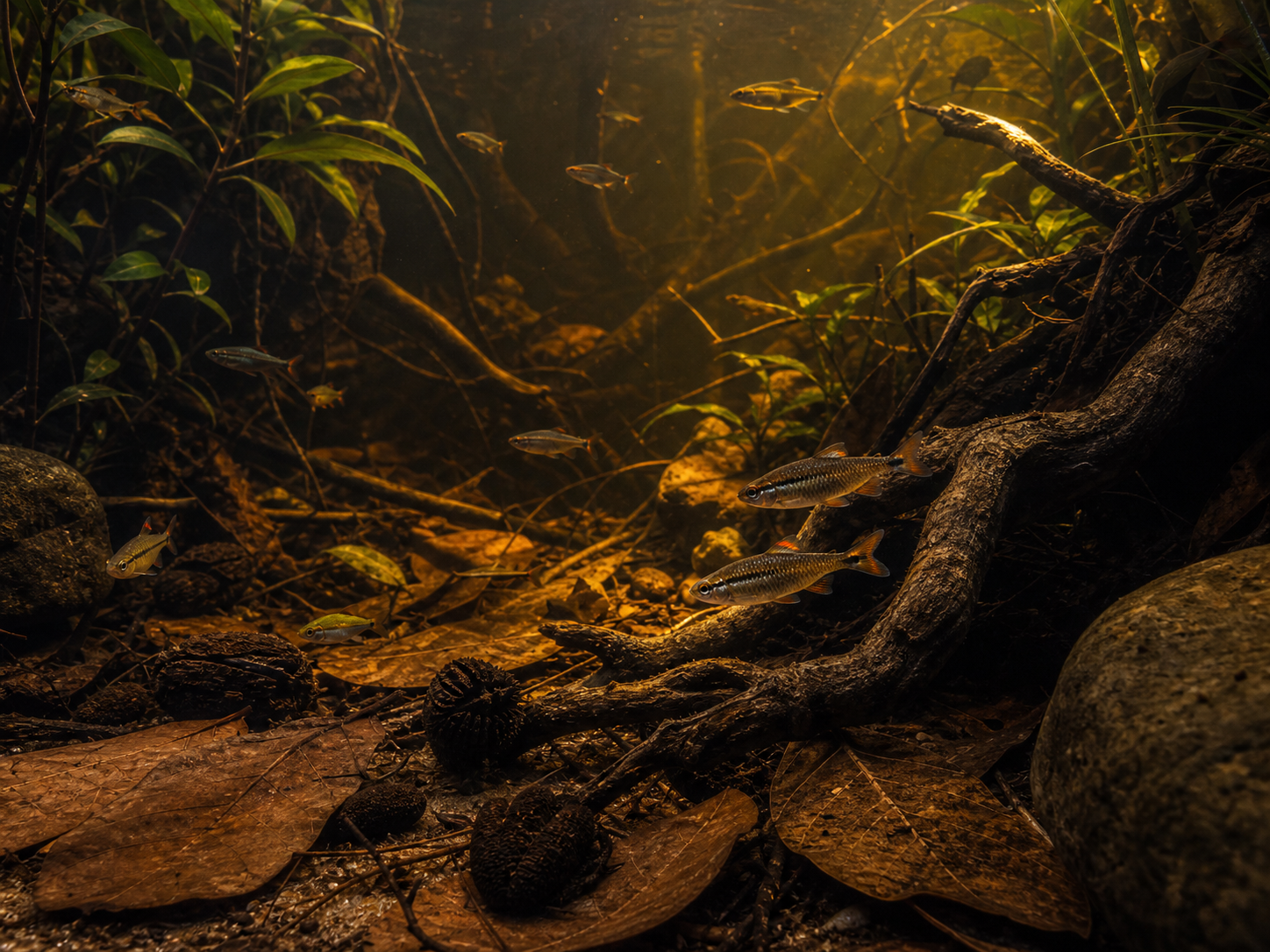
Use suitable pieces as additional cover and surface complexity within an established decomposer setup, not as a complete food or substrate system.
Layered leaf texture, natural variation and possible warm botanical colour depending on amount and tank conditions. Exact colour, texture and breakdown speed vary by product, tank size and flow.
Remove excess material if it traps debris badly, becomes more than the tank can process or coincides with livestock stress or poor water clarity.
No. If the aquarium is unstable, heavily stocked or already showing livestock stress, stabilise first or contact BBA before adding more botanicals.
LEARN BEFORE YOU ADD
COMPLETE THE ROUTE