Best fit
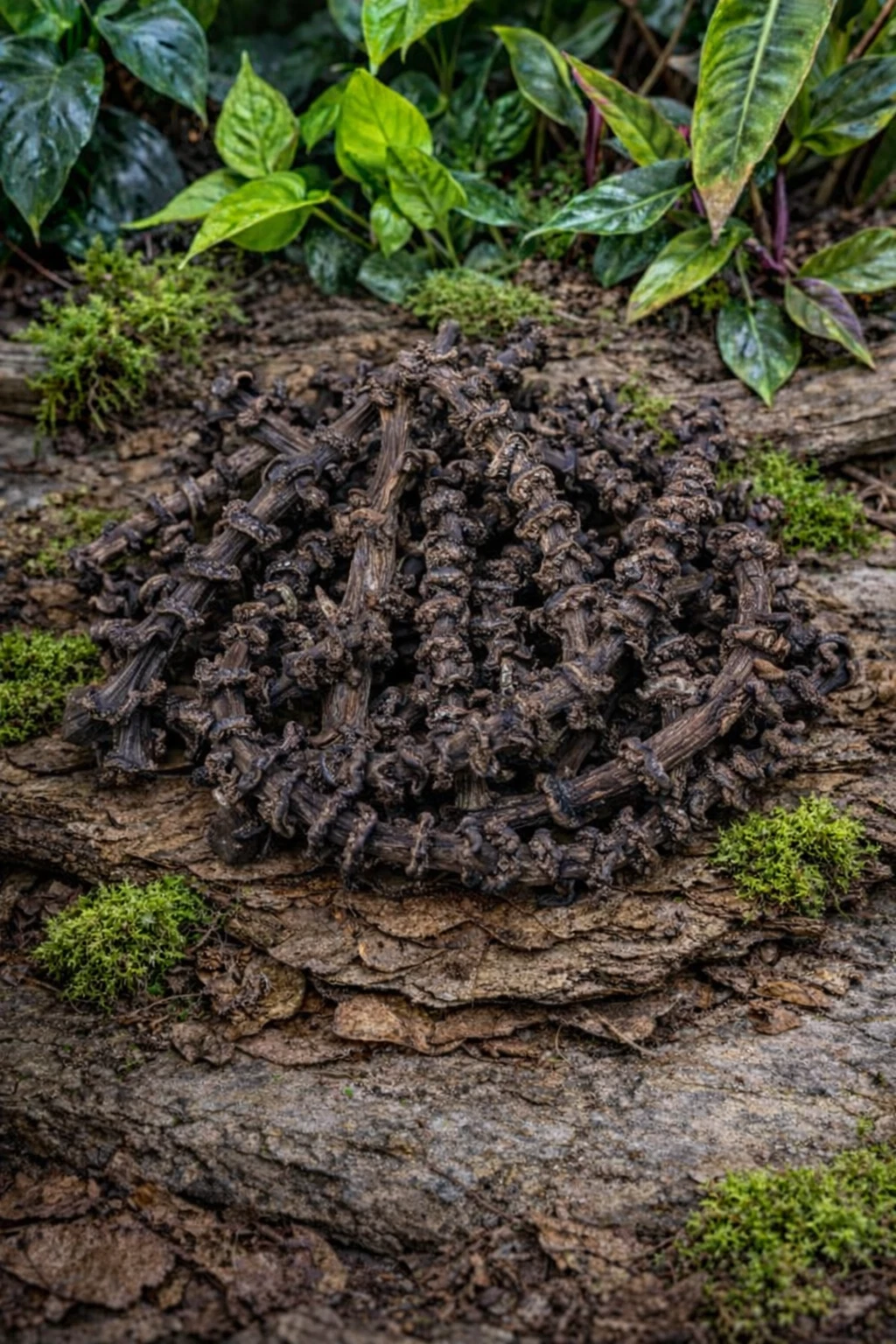
Musa Stem suits aquarists who want a natural botanical look but still want to add material slowly and keep the tank easy to observe.
Best fit
Musa Stem suits aquarists who want a natural botanical look but still want to add material slowly and keep the tank easy to observe.
What it helps visualise
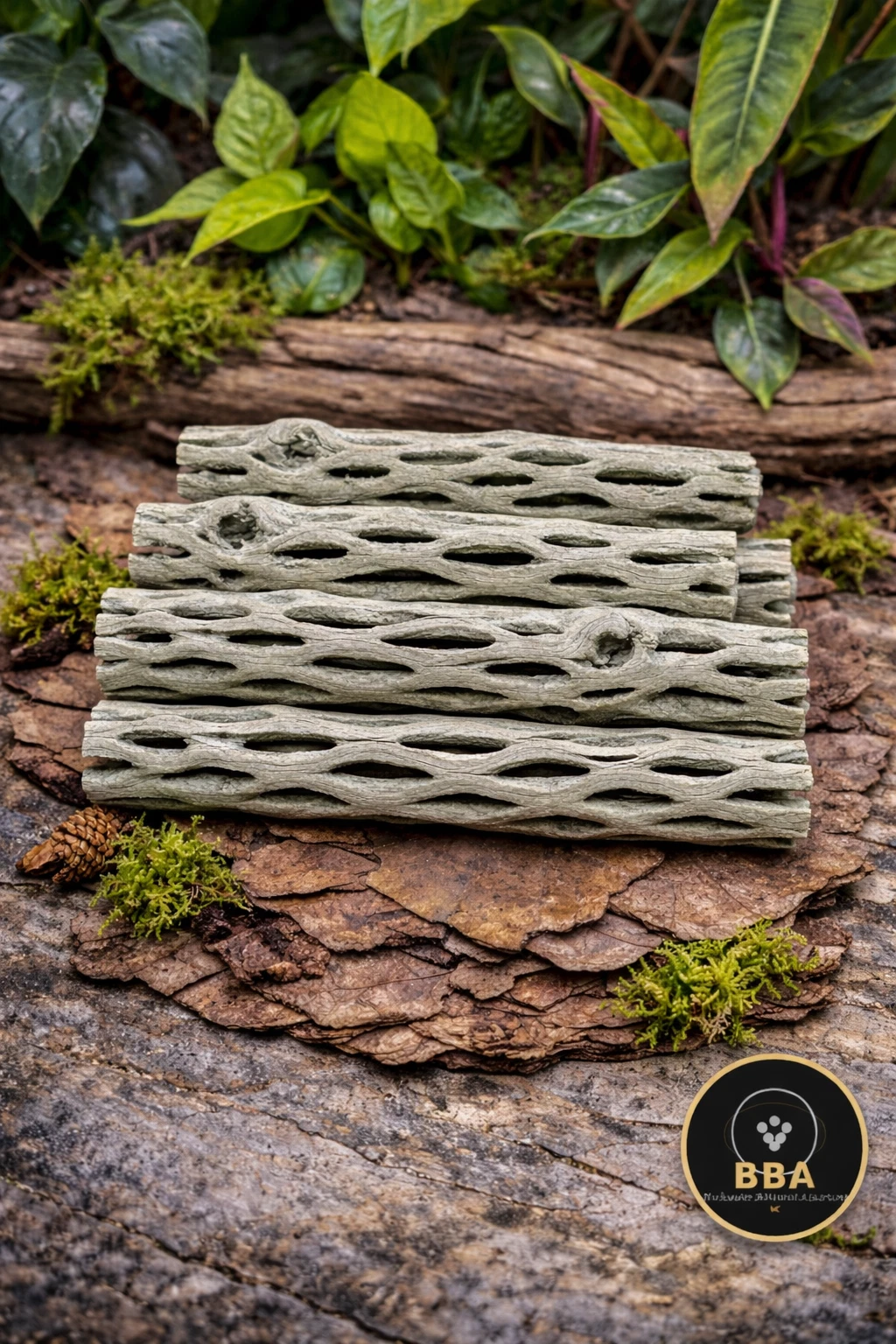
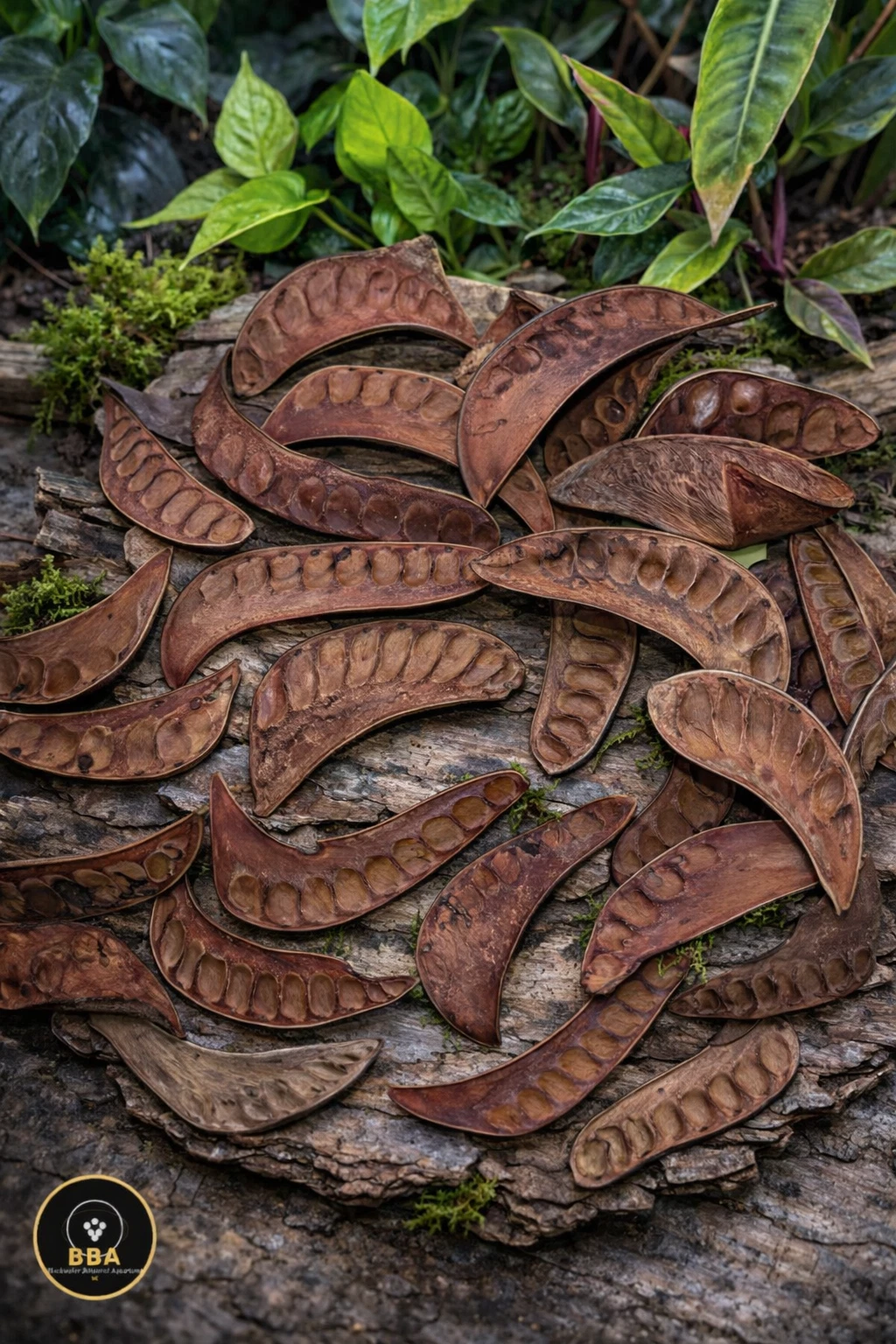
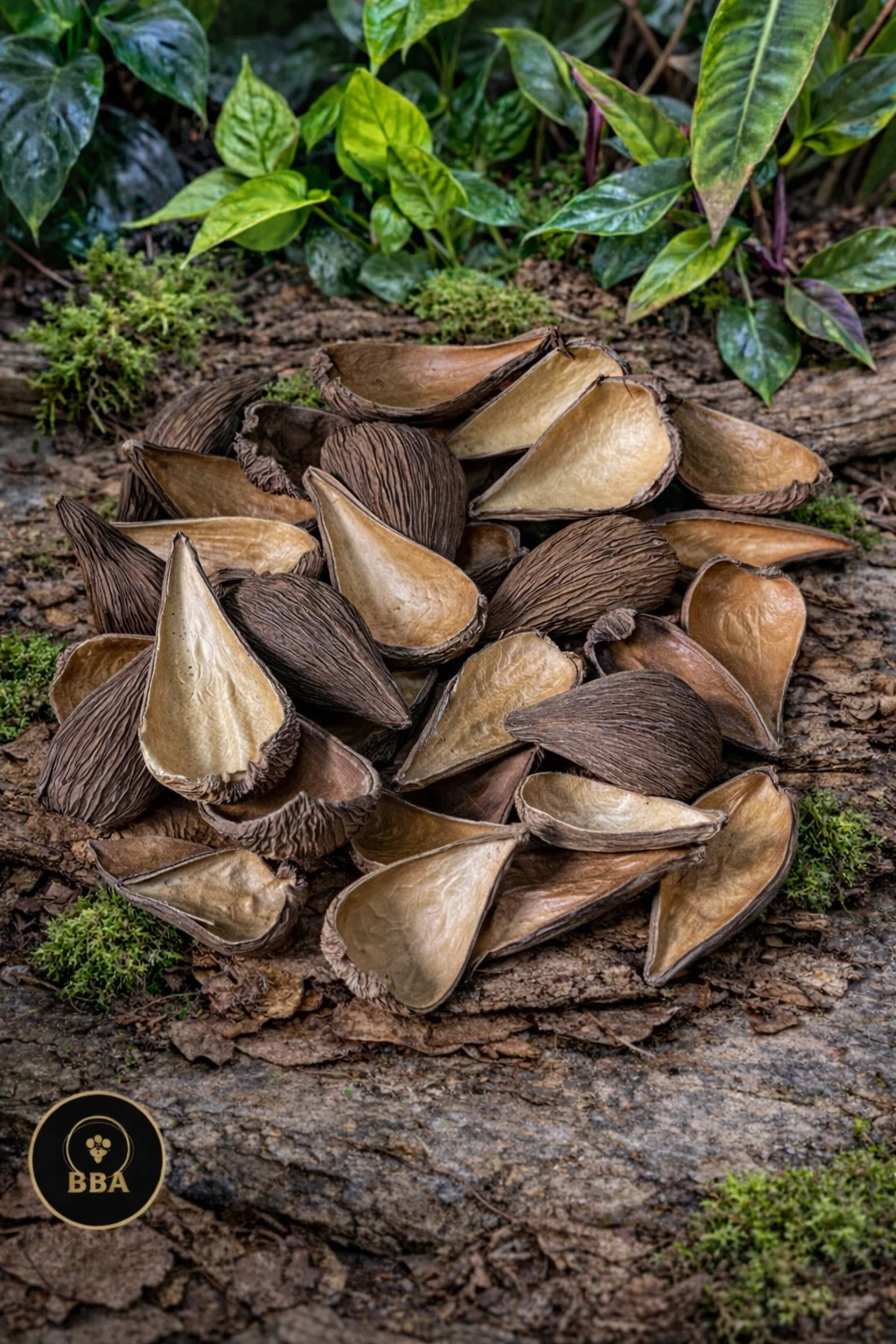
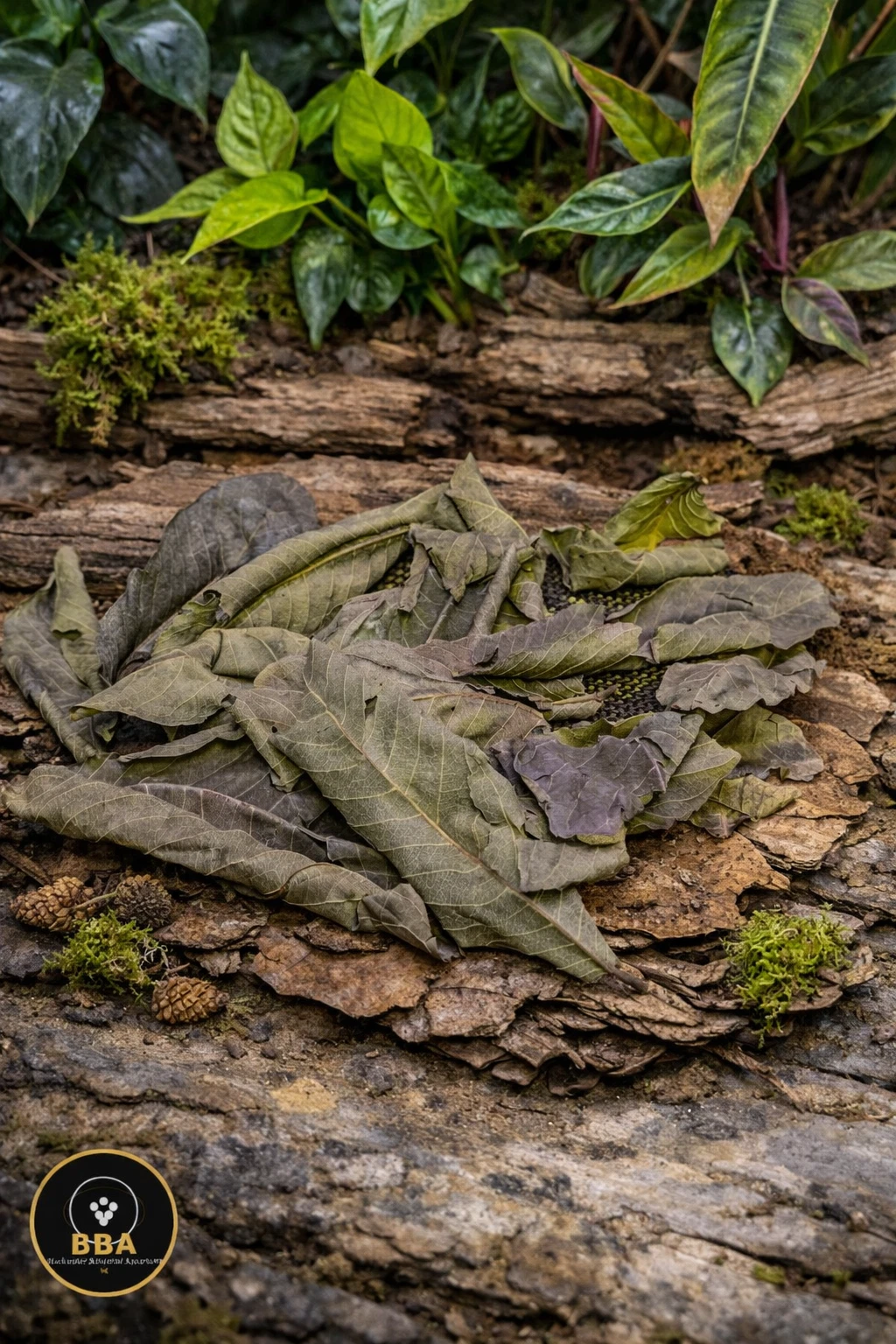
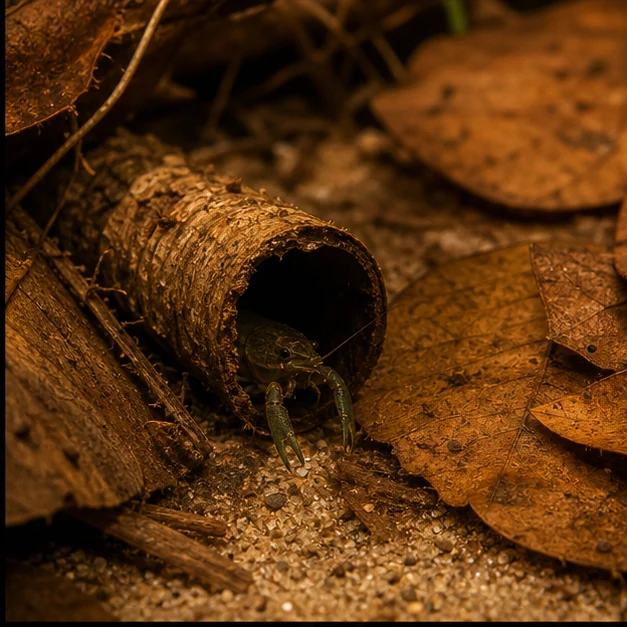
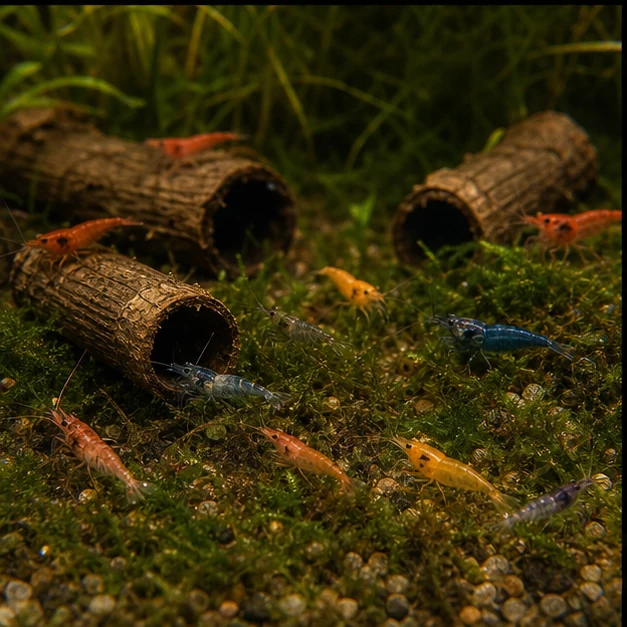
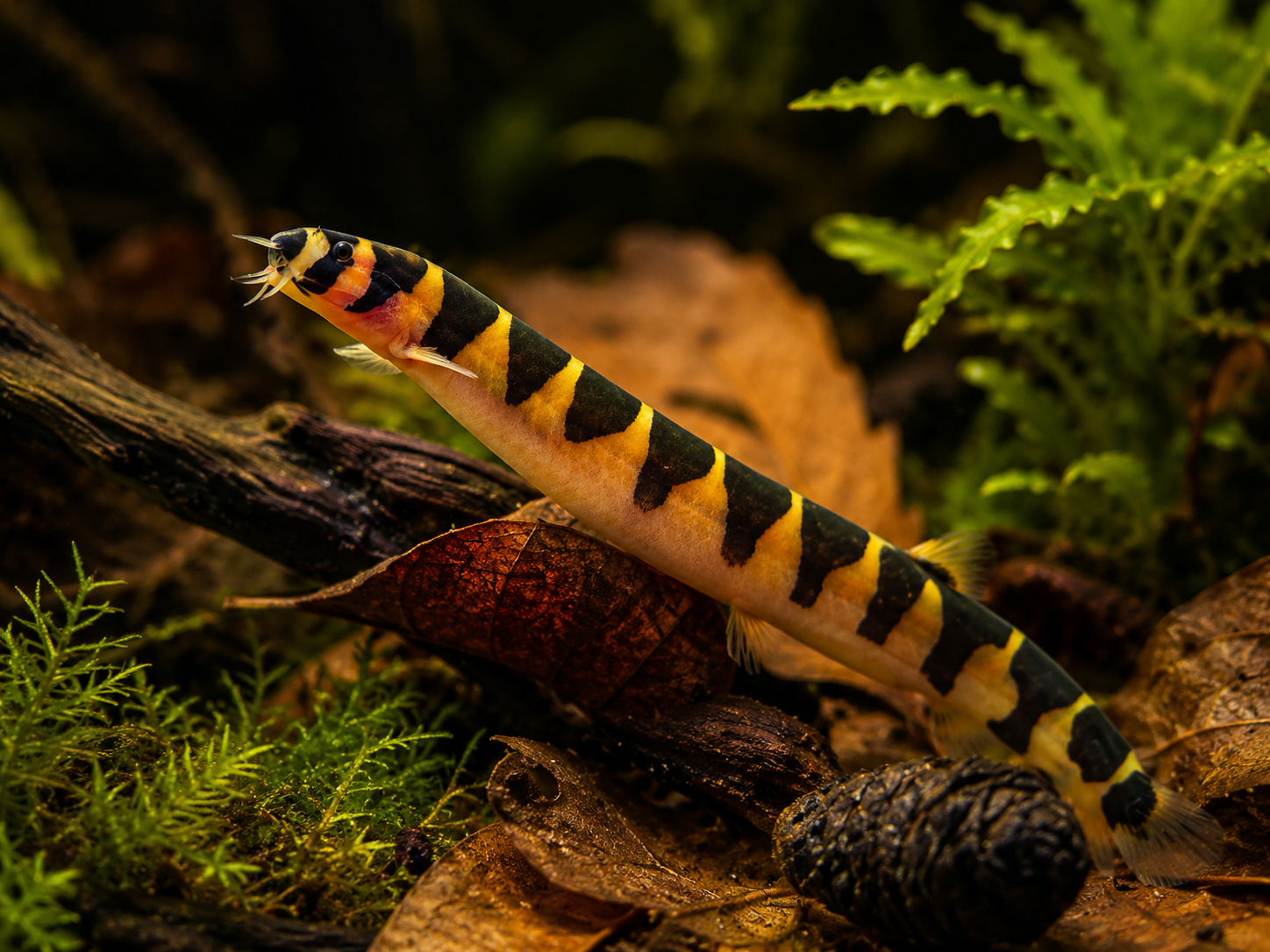
The extra scene images are look samples: they help customers picture the product in a living aquarium-style habitat, not as a promise that every tank will look the same.
Overview
Their rough, ridged stem structure adds dark botanical detail to shrimp tanks, fry grow-out tanks, betta aquariums, blackwater layouts and biotope-style displays.
Like many natural botanicals, Musa Stem may gradually release tannins and humic substances, helping create a warm blackwater-style tint depending on quantity, tank size, KH, pH and filtration.
These are natural habitat and enrichment botanicals, not medicines. Use them as part of a stable aquarium with mature filtration and normal aquarium care.
Key benefits
2) Hiding places and line-of-sight breaks The stem pieces help create small shelter zones and calmer areas for shrimp, fry, bettas and shy peaceful fish.
3) Biofilm grazing surfaces The ridged, rough surfaces give biofilm a place to develop over time. Shrimp, snails and other grazing livestock may explore mature botanical surfaces in the aquarium.
4) Micro-habitat structure Musa Stem pieces help create small shelter pockets among leaf litter, cones, bark and driftwood, giving the layout more depth and natural character.
5) Gentle tannins and humics Musa Stem may release tannins and humic substances gradually, helping create a natural blackwater-style look. The visible tint depends on the aquarium and how many botanicals are used.
Product story
Shrimp tanks and shrimp colonies, Caridina and Neocaridina shrimp
AQUARIUM PRODUCT STORY
These visual samples help show the product's aquarium-world feel: leaf litter, roots, substrate, livestock movement and natural spacing. They are context images for clearer buyer understanding, not identical layout promises.
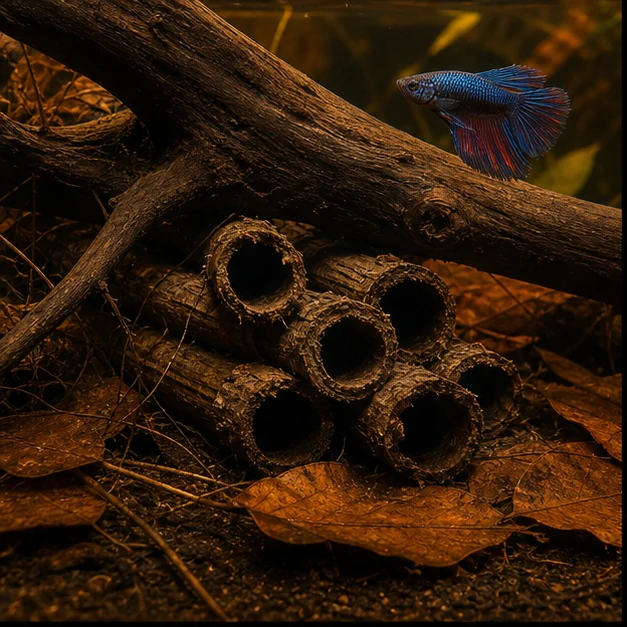
Visual habitat/context sample for buyer understanding; natural pieces and aquariums will vary.
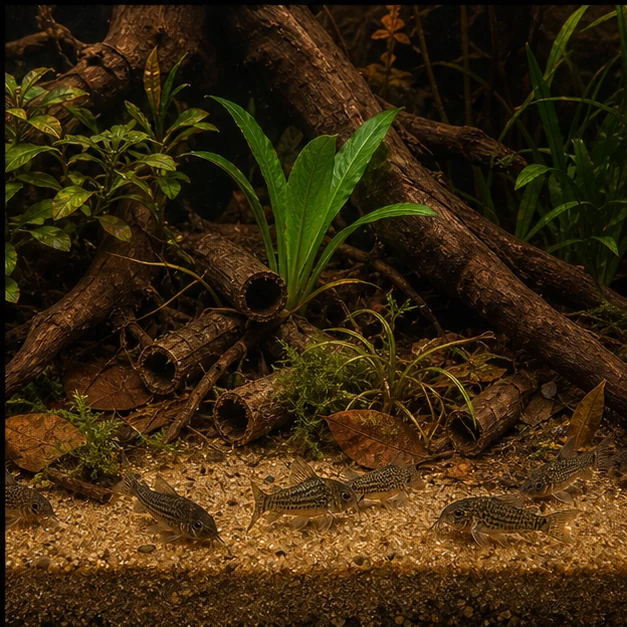
OTHER CUSTOMER ROUTES
Beyond aquarium use, selected dry leaves, pods and woody pieces can also add natural structure, cover and surface complexity to suitable paludarium, vivarium and bioactive setups. Choose materials to suit the scale, moisture level and animals in the enclosure.
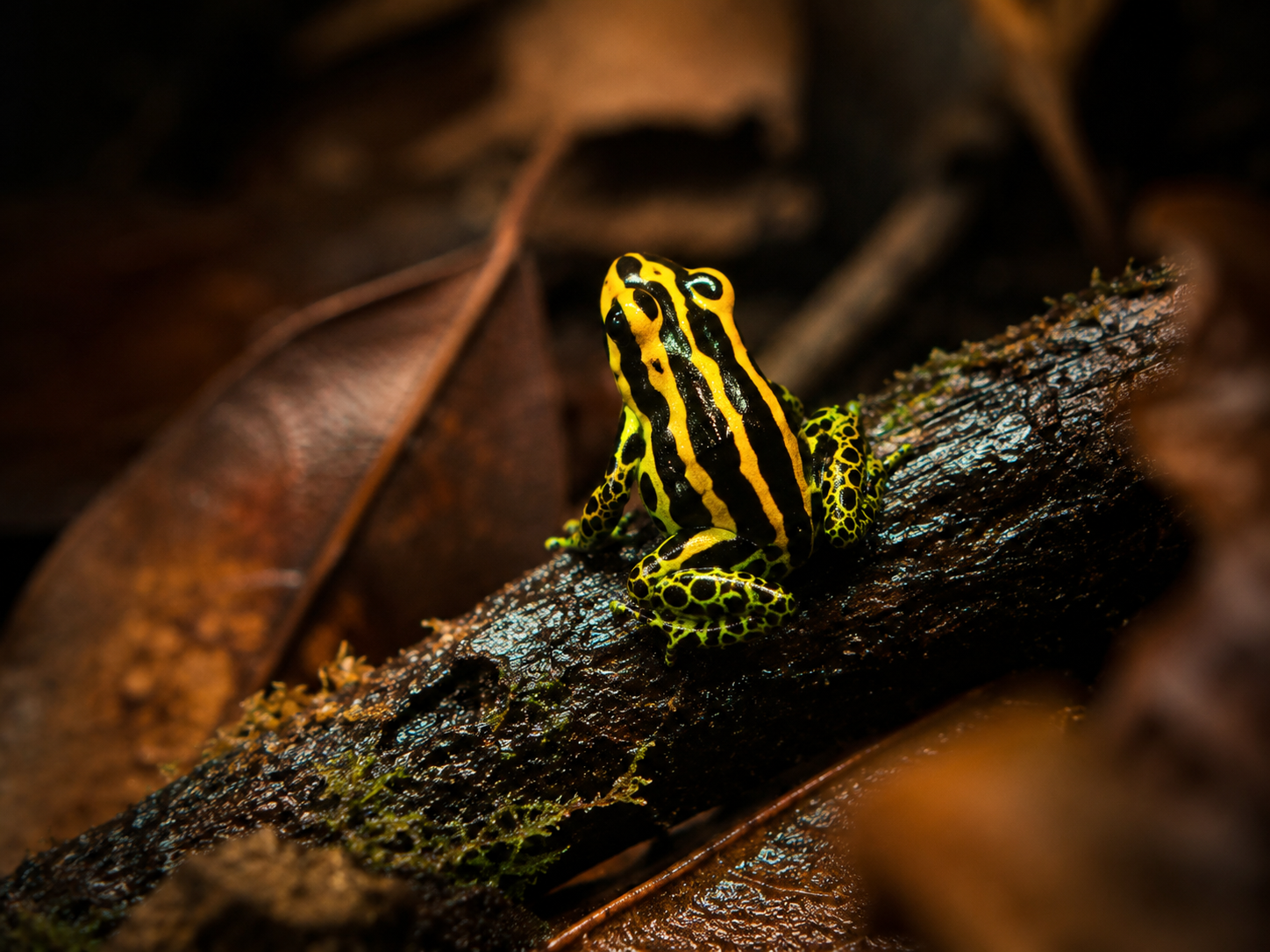
Use suitable leaves, pods and woody pieces through damp margins and transitional areas to connect the aquatic and terrestrial parts of a naturalistic layout.
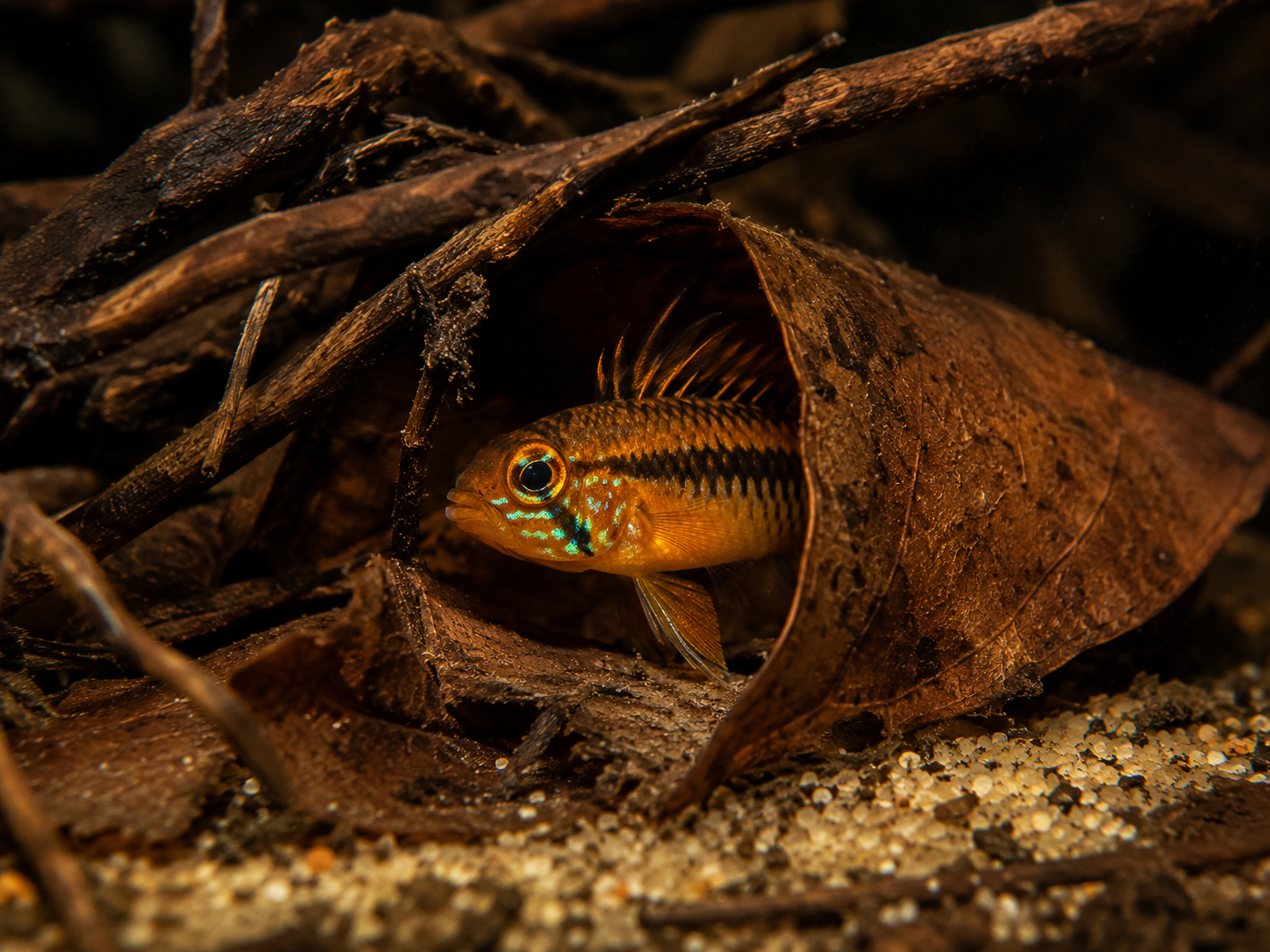
Leaves and suitable harder pieces can form part of the litter and structural layer used around an established bioactive substrate. They are not a complete substrate by themselves.
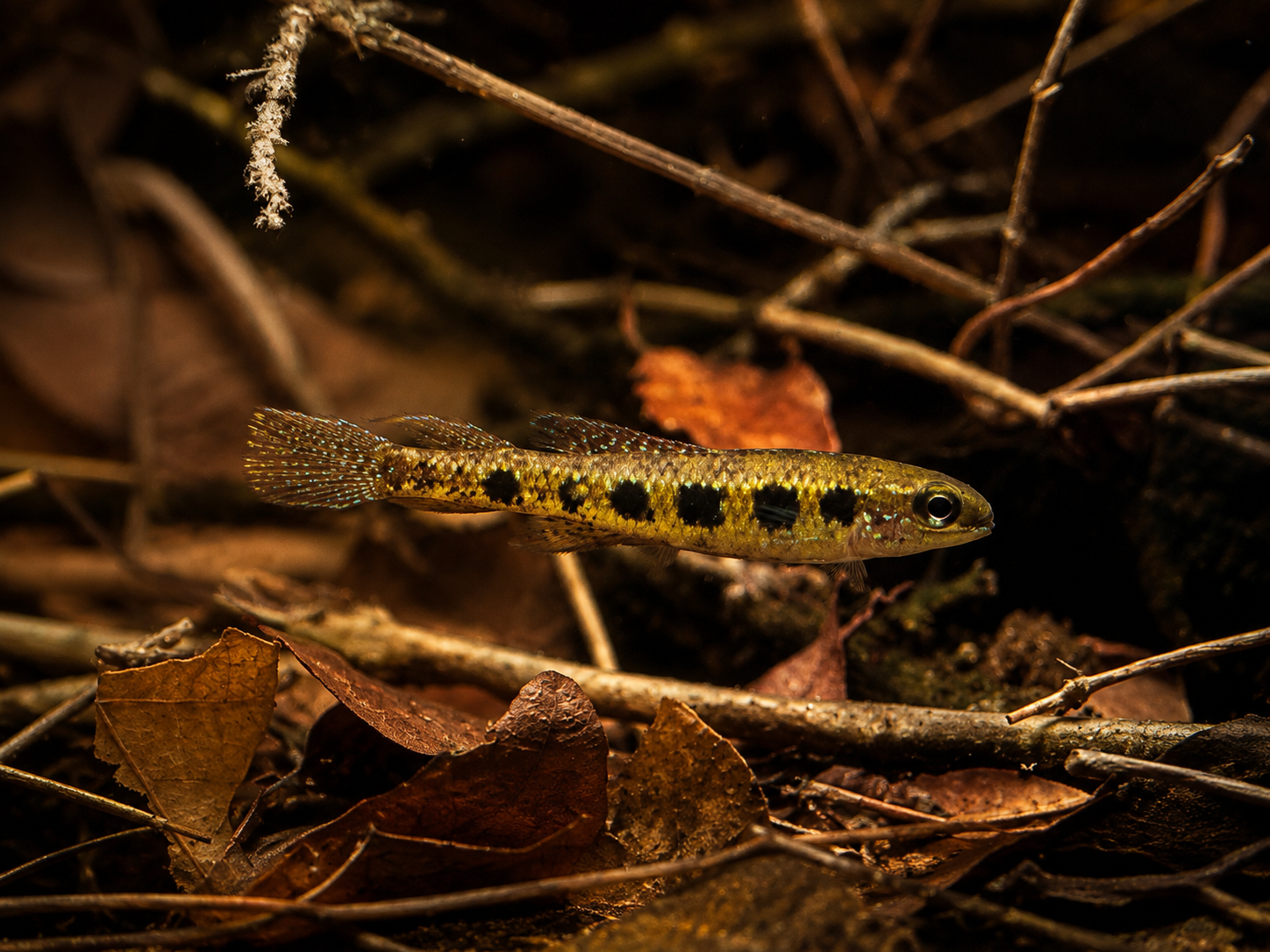
Suitable dry pieces can add natural cover and visual structure around established substrate and planting after scale, edges and species suitability have been checked.
Use suitable natural forms as secondary structure only where scale, edges and the needs of the reptile have been checked.
What it does not do
It does not replace stable husbandry, cure disease or guarantee pH, GH or KH movement. Use it as a prepared botanical, not as a water-parameter shortcut.
Best for Shrimp tanks and shrimp colonies Caridina and Neocaridina shrimp Bettas and small peaceful fish Fry and juvenile fish shelter Blackwater and botanical method aquariums Natural biotope-style layouts Leaf-litter scapes with wood, cones and pods Aquascapes needing natural stem shelter and textured structure
No. Natural botanicals vary in colour, curve, texture, openings and how they change once soaked.
Only if the tank has enough space and livestock are behaving normally. A measured first placement is safer.
Some natural botanicals float before they waterlog. Pre-soaking can help, and positioning should remain safe.
LEARN BEFORE YOU ADD
COMPLETE THE ROUTE