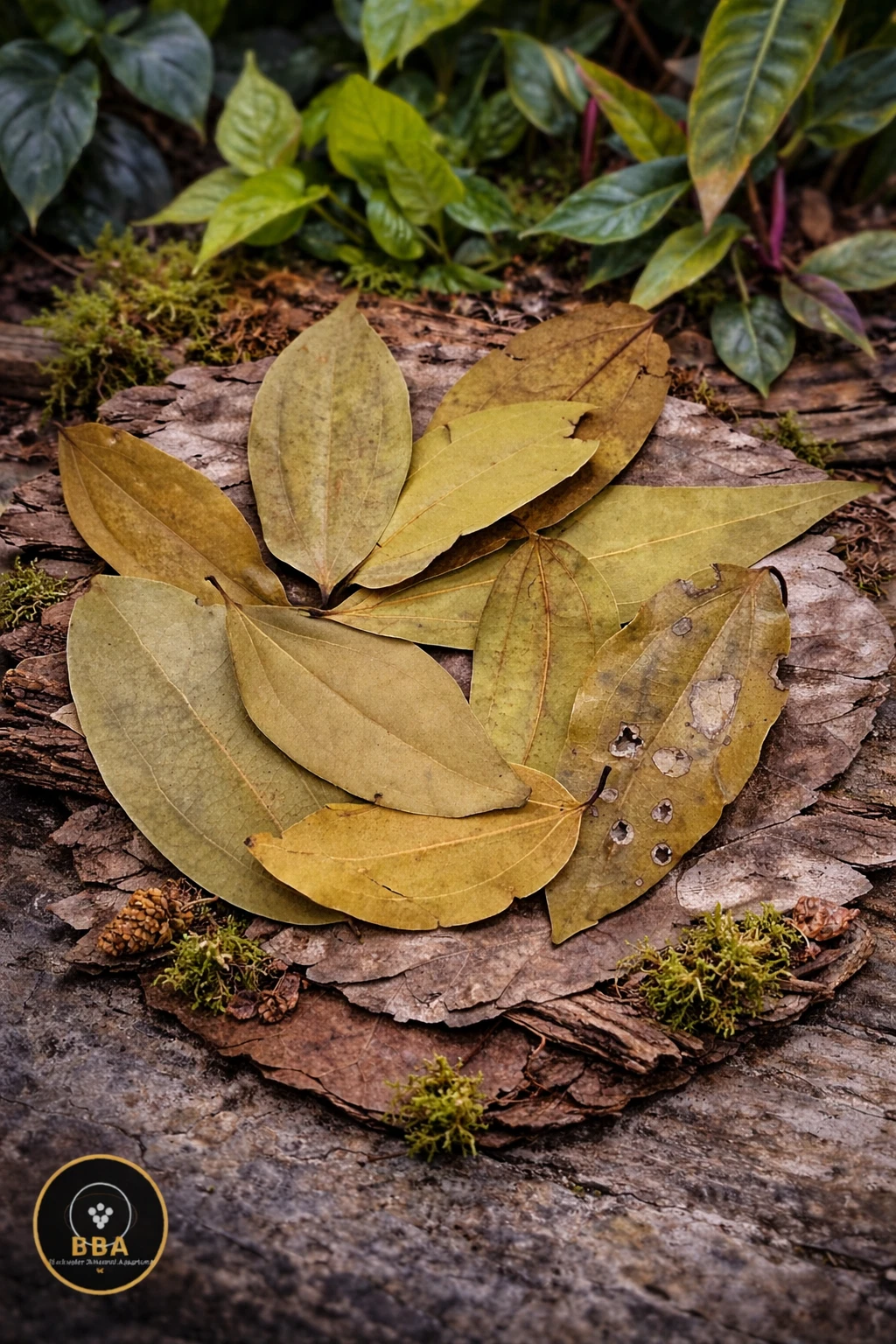
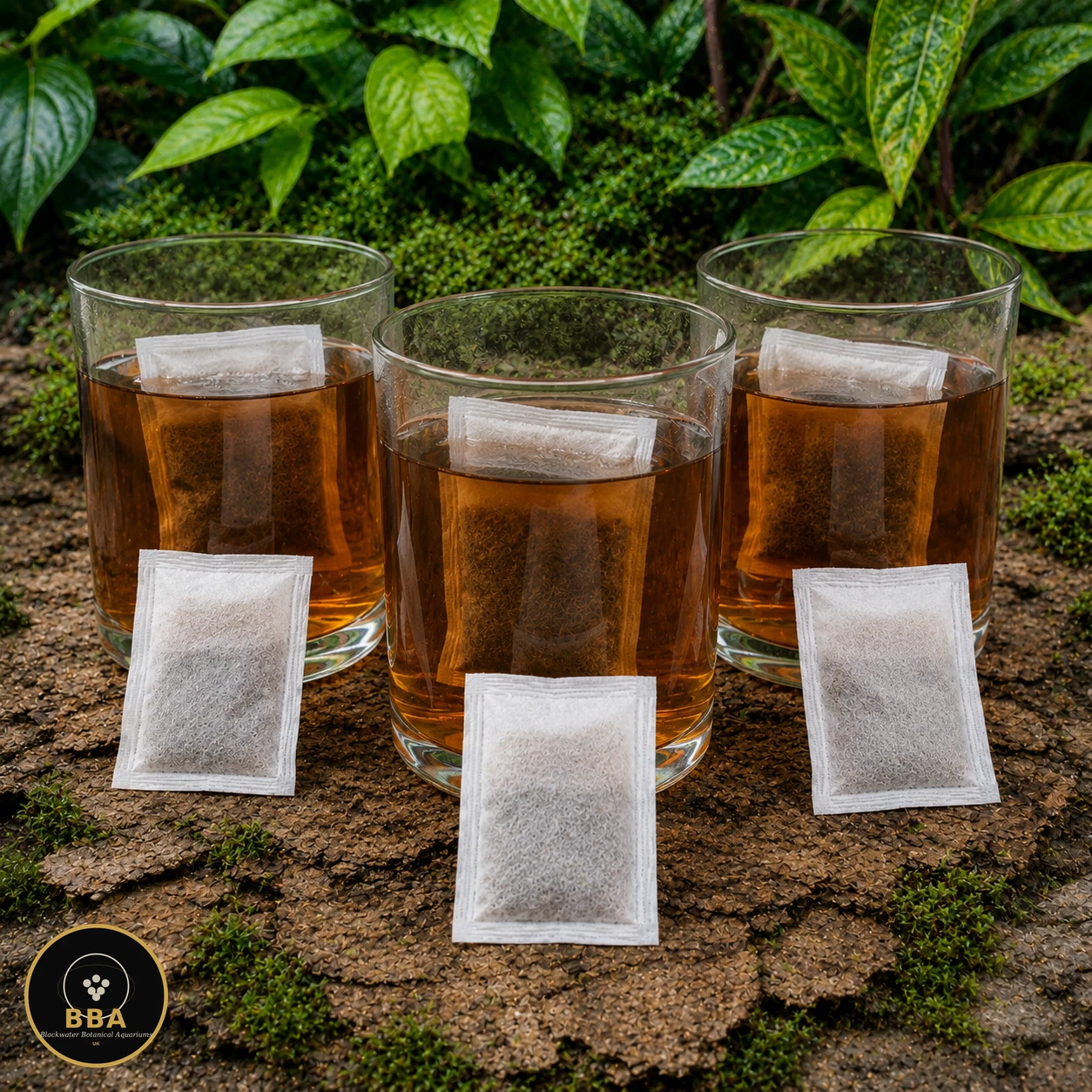
PRODUCT DETAILS

Open product details

Best fit

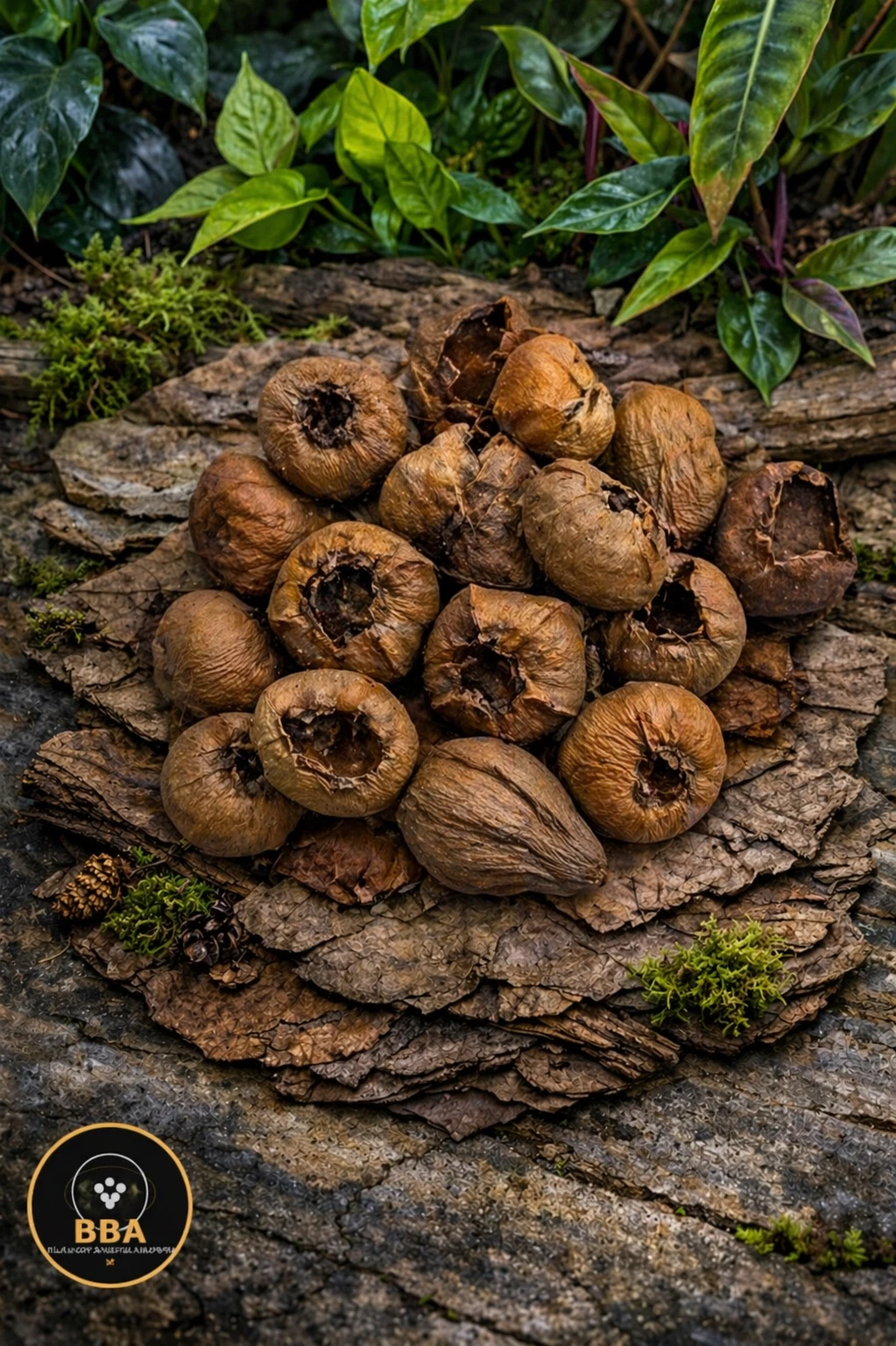
Catappa Nuts suits aquarists who want a natural botanical look but still want to add material slowly and keep the tank easy to observe.
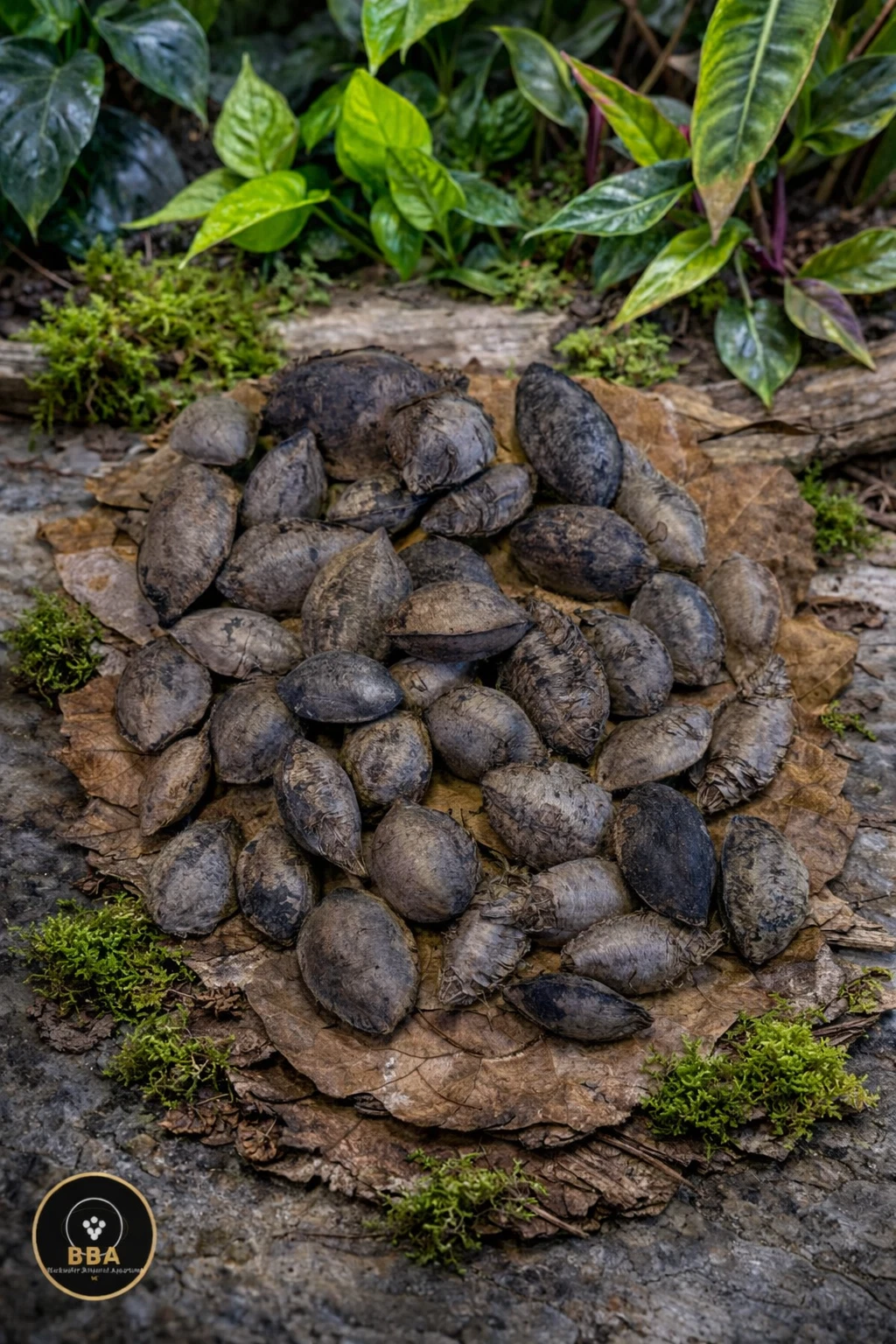
What it helps visualise

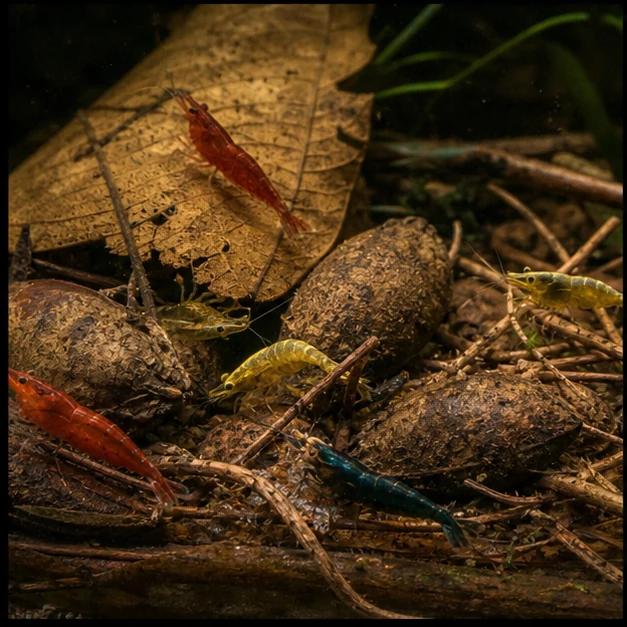
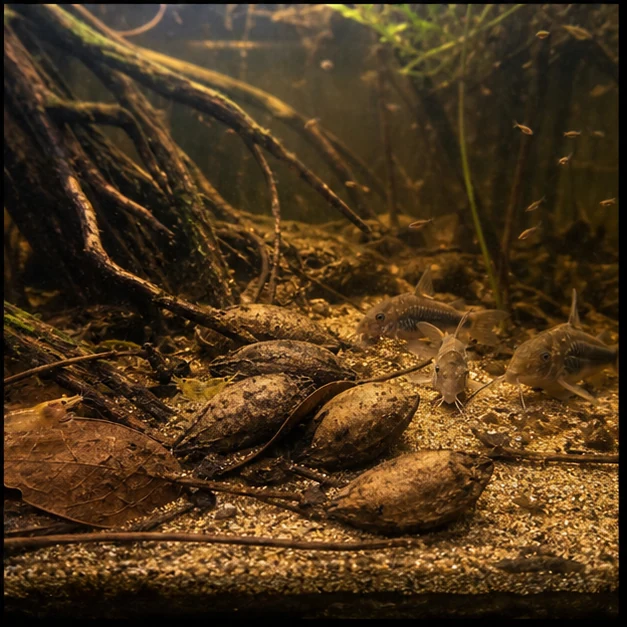
The extra scene images are look samples: they help customers picture the product in a living aquarium-style habitat, not as a promise that every tank will look the same.

Catappa Nuts (Terminalia catappa) – Natural Seed Pods in aquarium use

Product story

Catappa Nuts (Terminalia catappa) – Natural Seed Pods in use

Why aquarists use it

Shrimp tanks and shrimp colonies, Bettas and small peaceful fish

AQUARIUM PRODUCT STORY

How Catappa Nuts can look in a botanical habitat

These visual samples help show the product's aquarium-world feel: leaf litter, roots, substrate, livestock movement and natural spacing. They are context images for clearer buyer understanding, not identical layout promises.
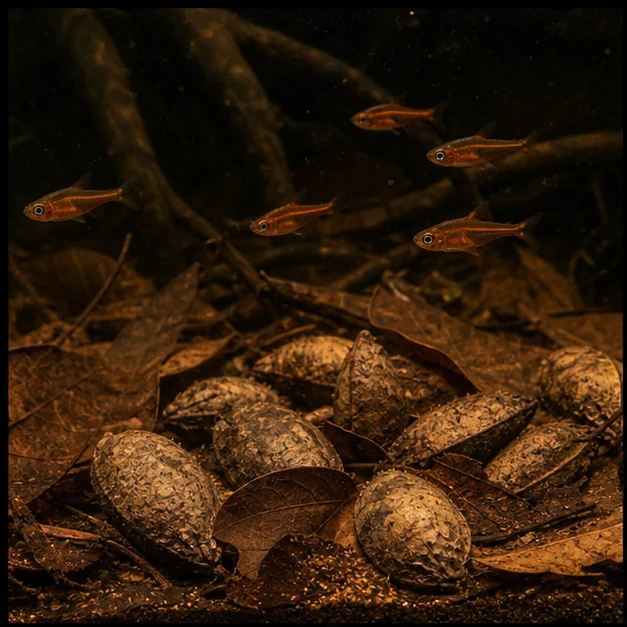
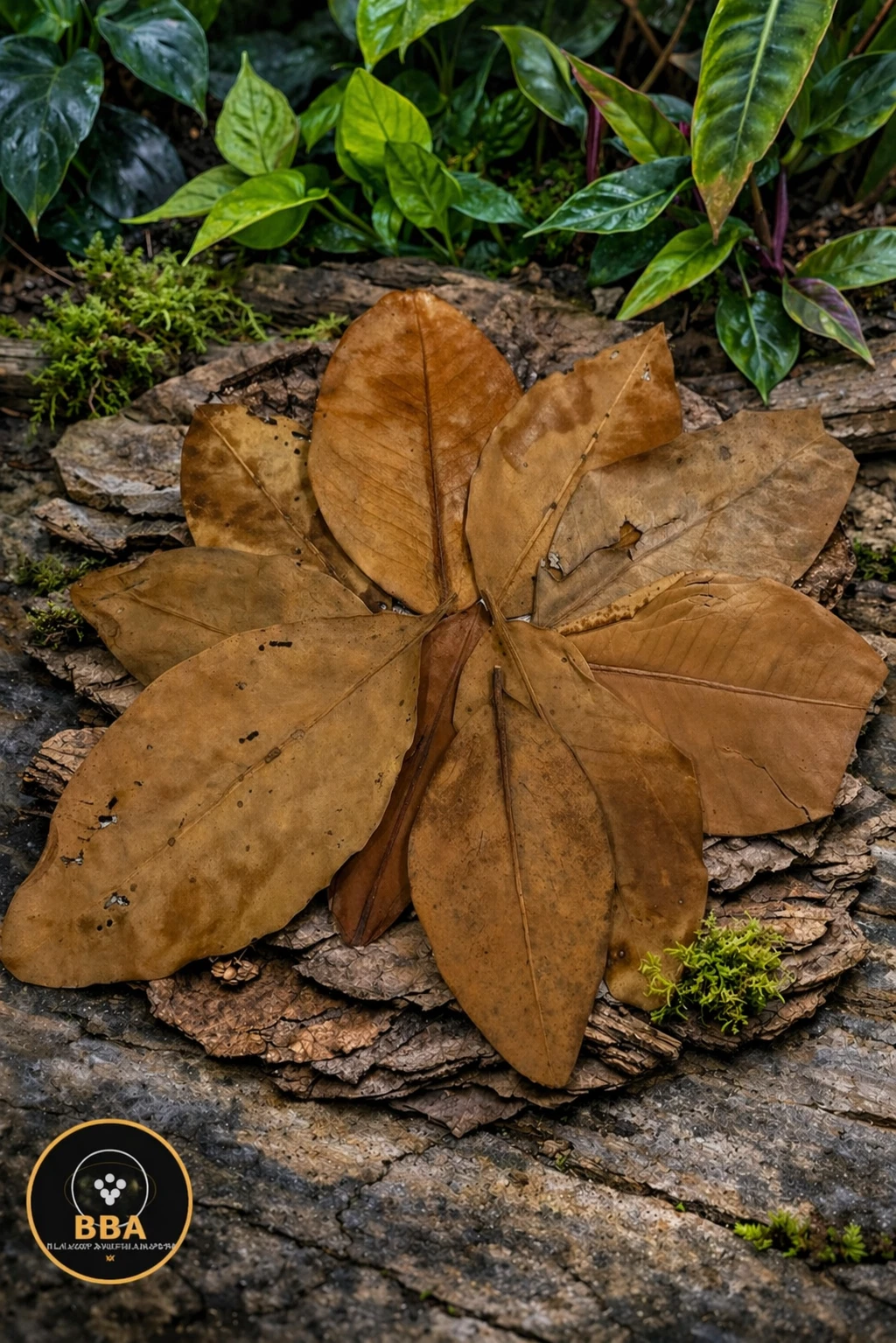
Catappa Nuts illustrative aquarium habitat look sample - leaf-litter pods
leaf-litter pods

Visual habitat/context sample for buyer understanding; natural pieces and aquariums will vary.
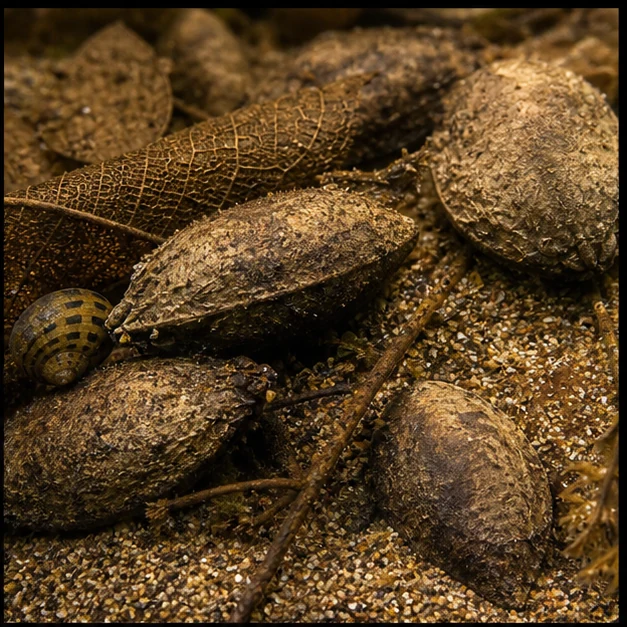
Catappa Nuts illustrative aquarium habitat look sample - snail detail
snail detail
Catappa Nuts illustrative aquarium habitat look sample - shrimp floor
shrimp floor
Catappa Nuts illustrative aquarium habitat look sample - flooded roots
flooded roots

OTHER CUSTOMER ROUTES

OTHER NATURALISTIC HABITAT USES

Beyond aquarium use, selected dry leaves, pods and woody pieces can also add natural structure, cover and surface complexity to suitable paludarium, vivarium and bioactive setups. Choose materials to suit the scale, moisture level and animals in the enclosure.
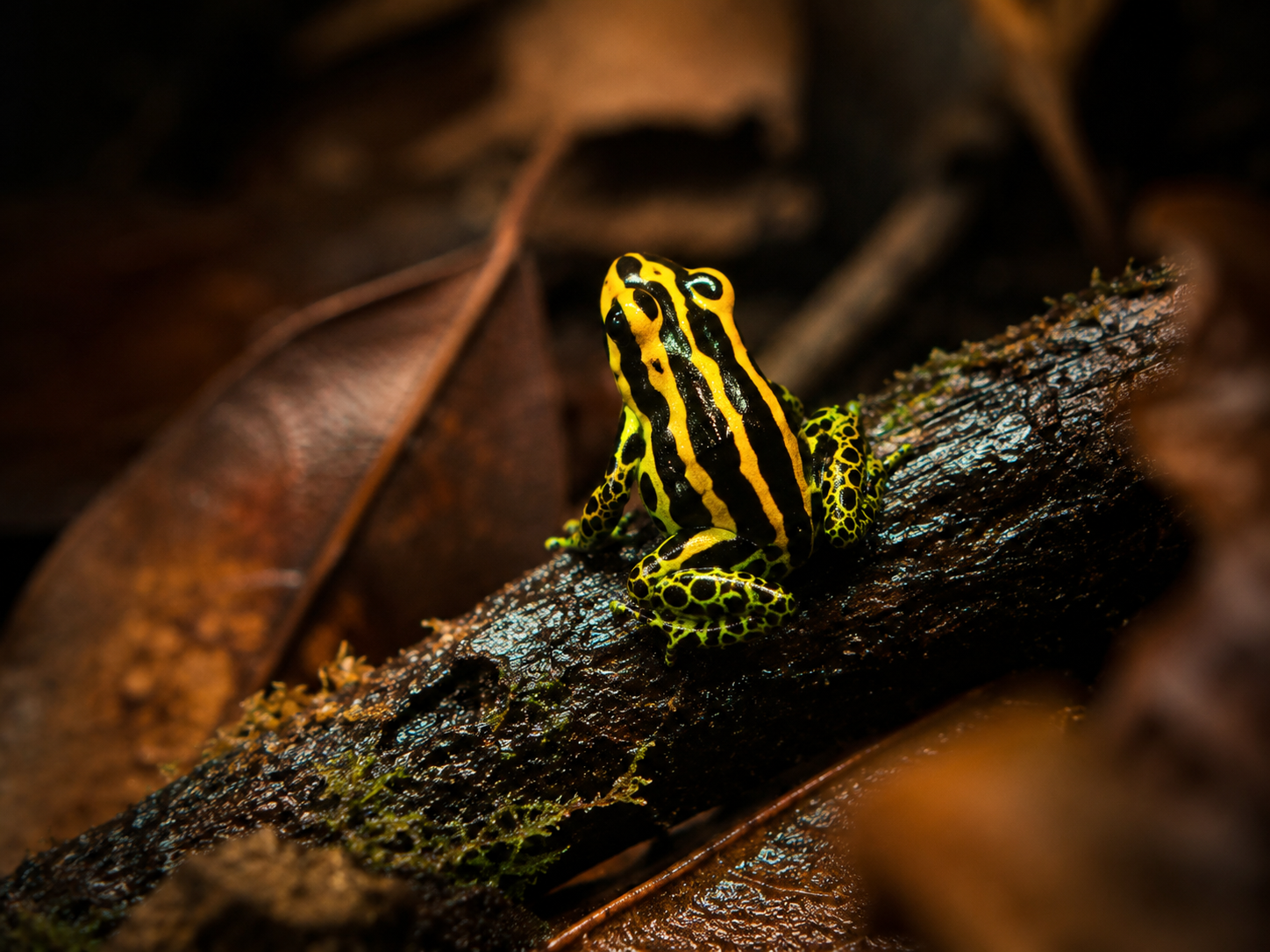
Paludarium Vivarium Isopod / springtail setup
Catappa Nuts (Terminalia catappa) – Natural Seed Pods habitat habitat story
PALUDARIUM MARGIN

Use suitable leaves, pods and woody pieces through damp margins and transitional areas to connect the aquatic and terrestrial parts of a naturalistic layout.
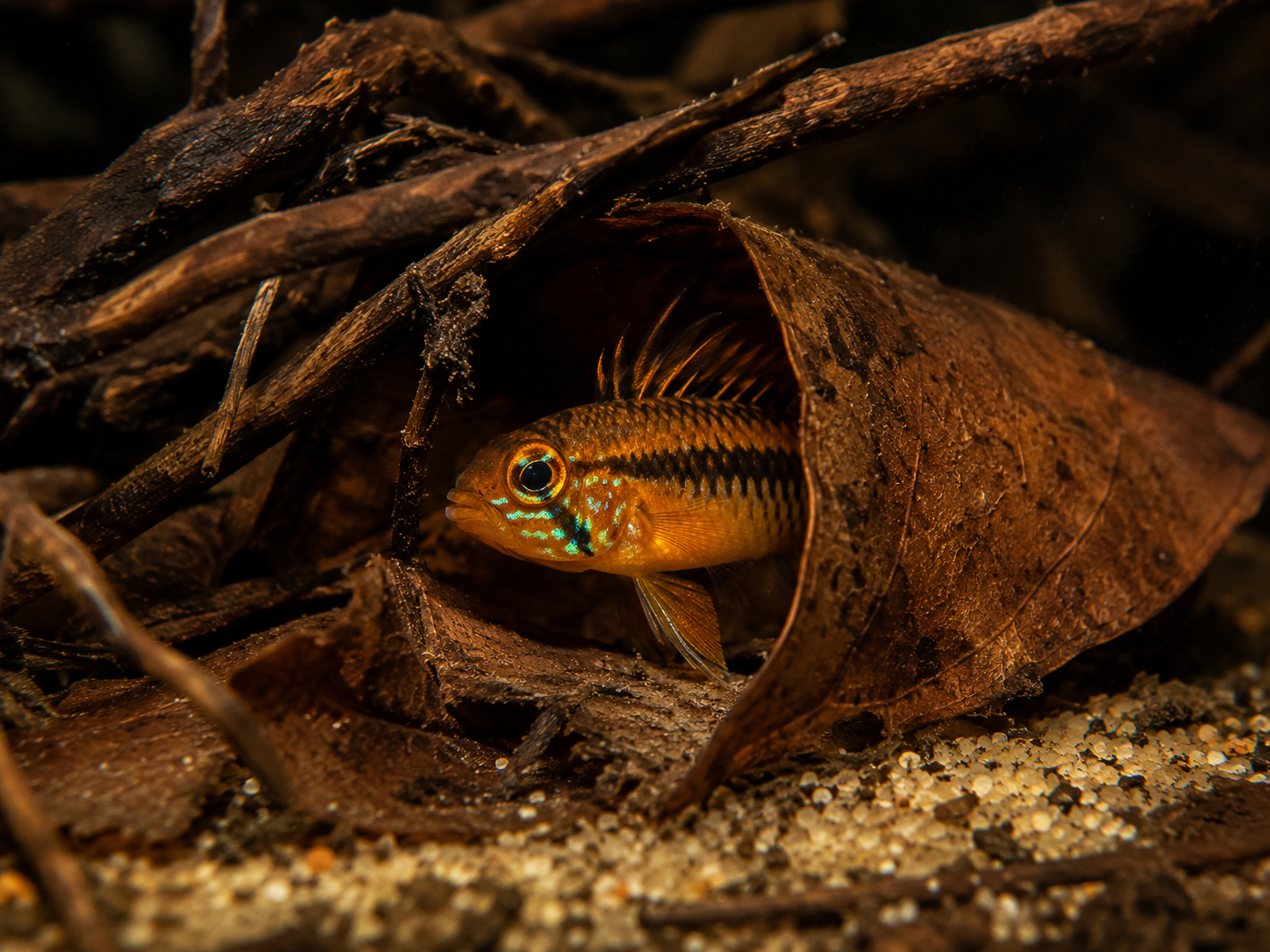
Catappa Nuts (Terminalia catappa) – Natural Seed Pods cover habitat story
VIVARIUM COVER

Selected dry botanicals can add natural floor texture, cover and visual variation around wood, roots and planted areas.
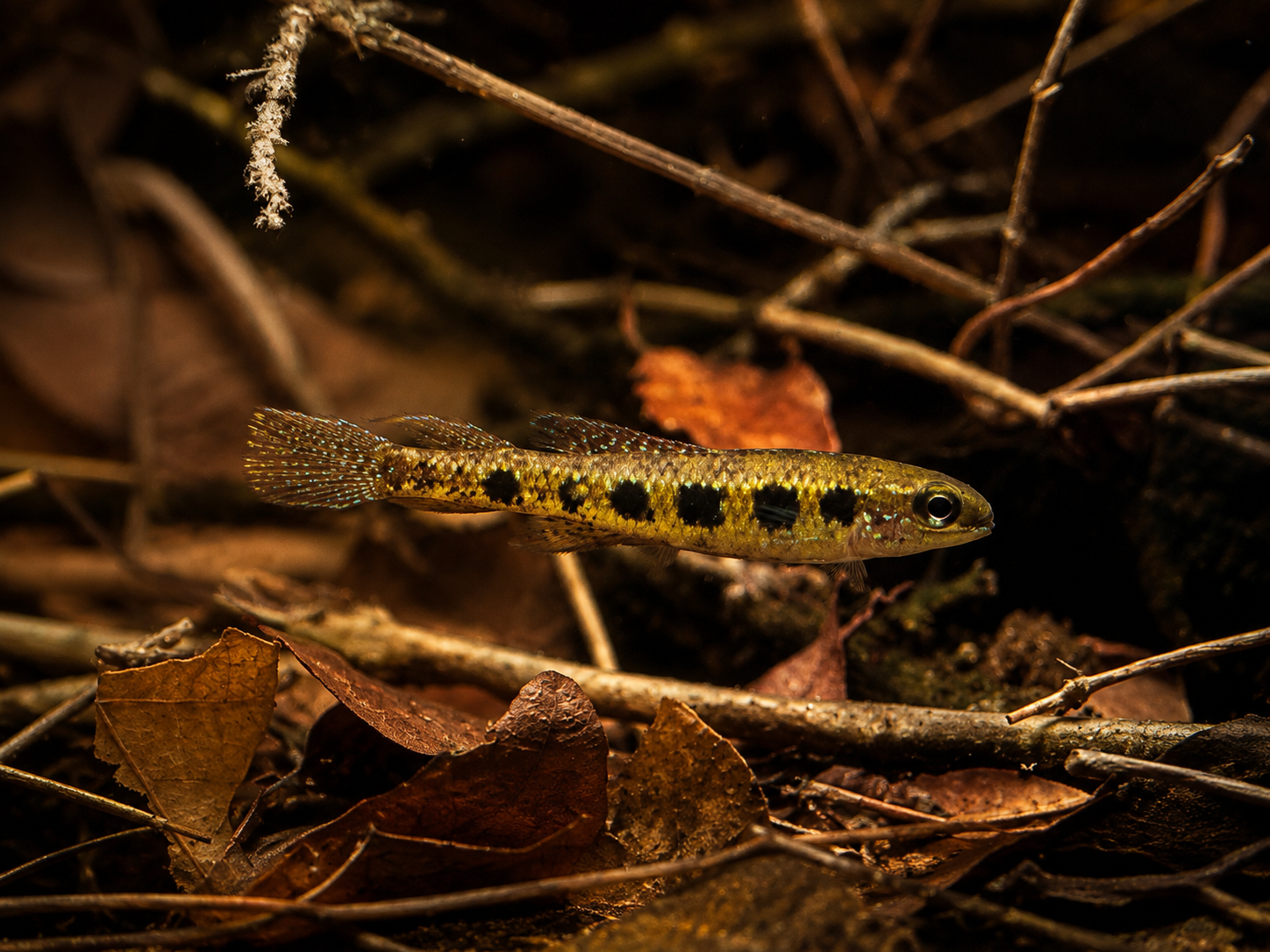
Catappa Nuts (Terminalia catappa) – Natural Seed Pods blend in habitat story
ISOPOD / SPRINGTAIL LITTER

Suitable leaves and dry botanical pieces can provide cover, surface complexity and material that gradually becomes part of the decomposer environment.
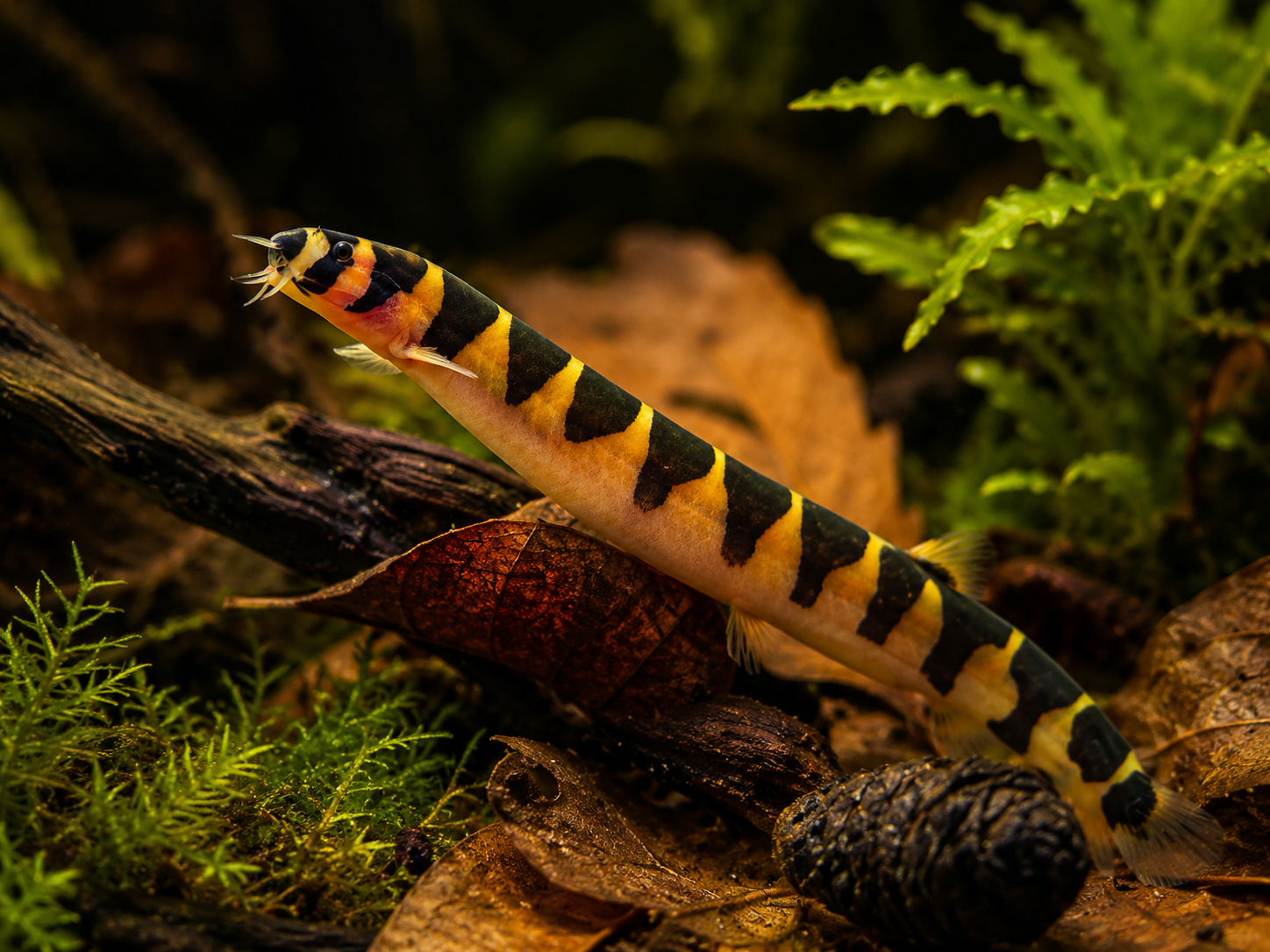
Catappa Nuts (Terminalia catappa) – Natural Seed Pods explore habitat story
ISOPOD / SPRINGTAIL COVER

Use suitable pieces as additional cover and surface complexity within an established decomposer setup, not as a complete food or substrate system.

PREPARATION & SAFETY

What it does not do

It does not replace stable husbandry, cure disease or guarantee pH, GH or KH movement. Use it as a prepared botanical, not as a water-parameter shortcut.

PREPARATION

  • Rinse all botanicals thoroughly before use. Do not use soap, detergents or household chemicals.
  • If needed, pre-soak harder pieces for 1–7 days to help them sink and to reduce the strongest initial tint.
  • A white or translucent biofilm may appear as botanicals begin to soften. This is a normal part of botanical decomposition and is commonly grazed by shrimp and snails.

SAFETY

  • Add botanicals gradually, particularly in small aquariums or very soft, low-KH water.
  • Natural pieces vary in size, shape, colour and texture.
  • Botanicals are not a treatment and do not guarantee a specific pH, GH or KH change.
  • Remove or reduce botanical material if livestock show signs of stress.
  • For aquatic and naturalistic hobby enclosures only. Not for human consumption. Keep unused material away from children and non-target pets.
  • Individual botanical pieces are not a complete substrate or complete diet for enclosure animals.

FAQ

Open FAQ
Will every piece look identical?

No. Natural botanicals vary in colour, curve, texture, openings and how they change once soaked.

Can I add several pieces together?

Only if the tank has enough space and livestock are behaving normally. A measured first placement is safer.

What if the piece floats at first?

Some natural botanicals float before they waterlog. Pre-soaking can help, and positioning should remain safe.

LEARN BEFORE YOU ADD

Practical guides for botanical setup, preparation and what to expect.

COMPLETE THE ROUTE

Choose an addition only when it adds a different role to your setup.

AQUARIUM ROUTE

Not sure how much to add?

Use the route guidance before building a heavy botanical aquarium layout, especially for shrimp, nano and soft-water tanks.

Use Box Finder Starter Routes