Best fit
Strelitzia Pods suits aquarists who want a natural botanical look but still want to add material slowly and keep the tank easy to observe.
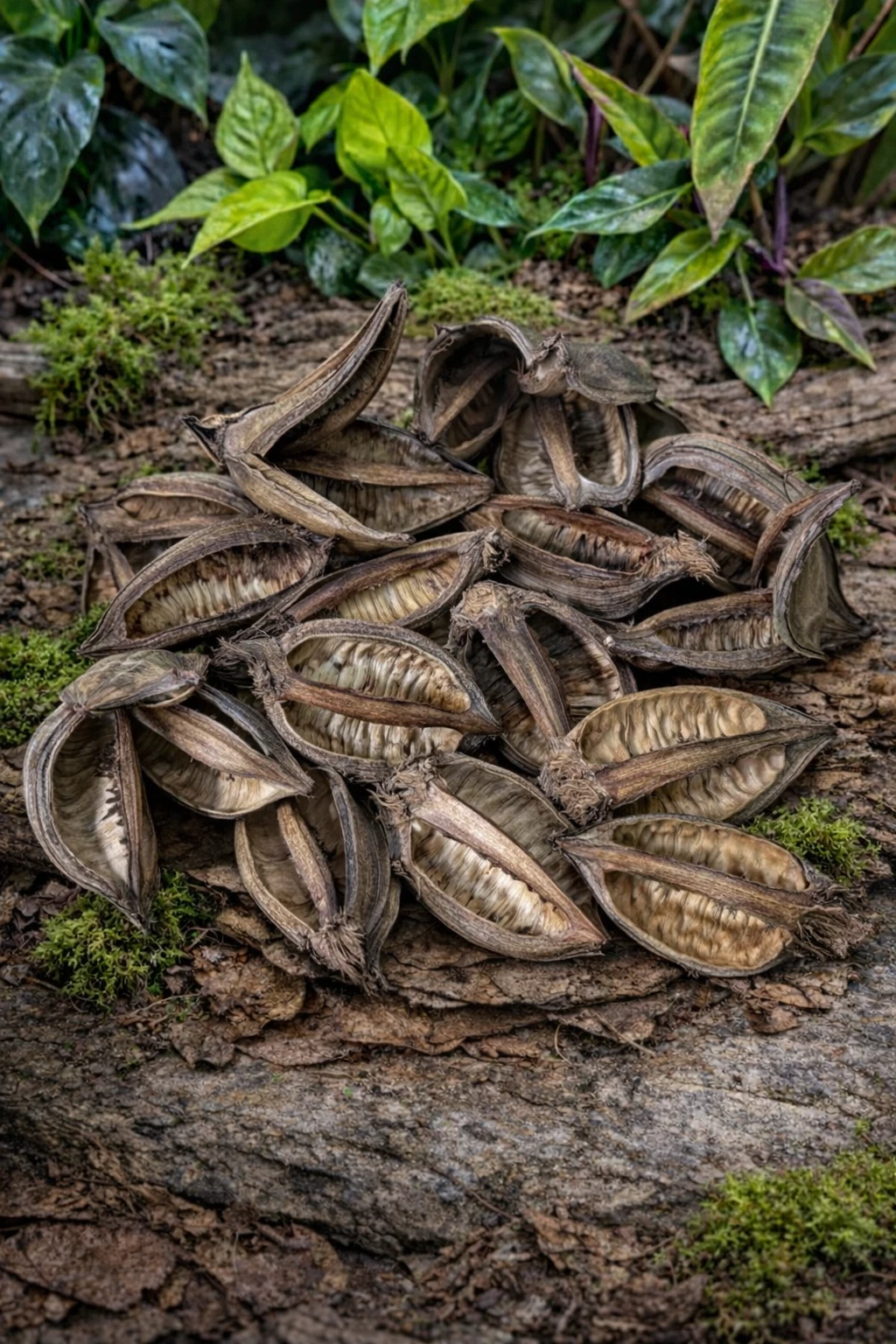
Best fit
Strelitzia Pods suits aquarists who want a natural botanical look but still want to add material slowly and keep the tank easy to observe.
What it helps visualise
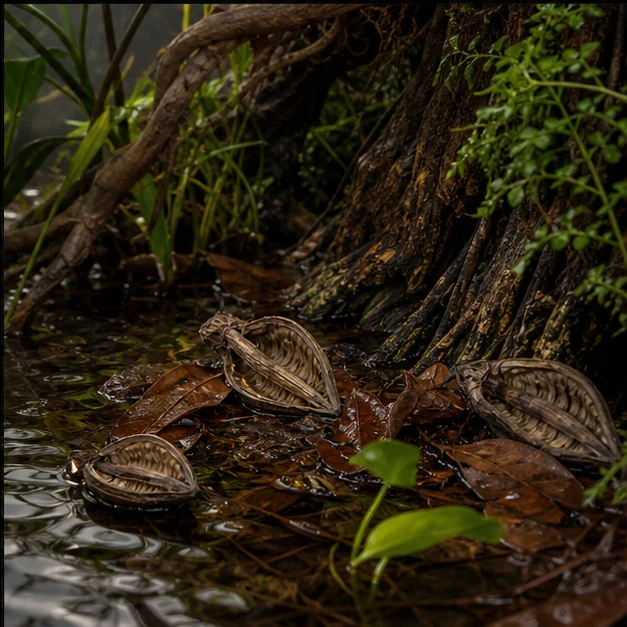
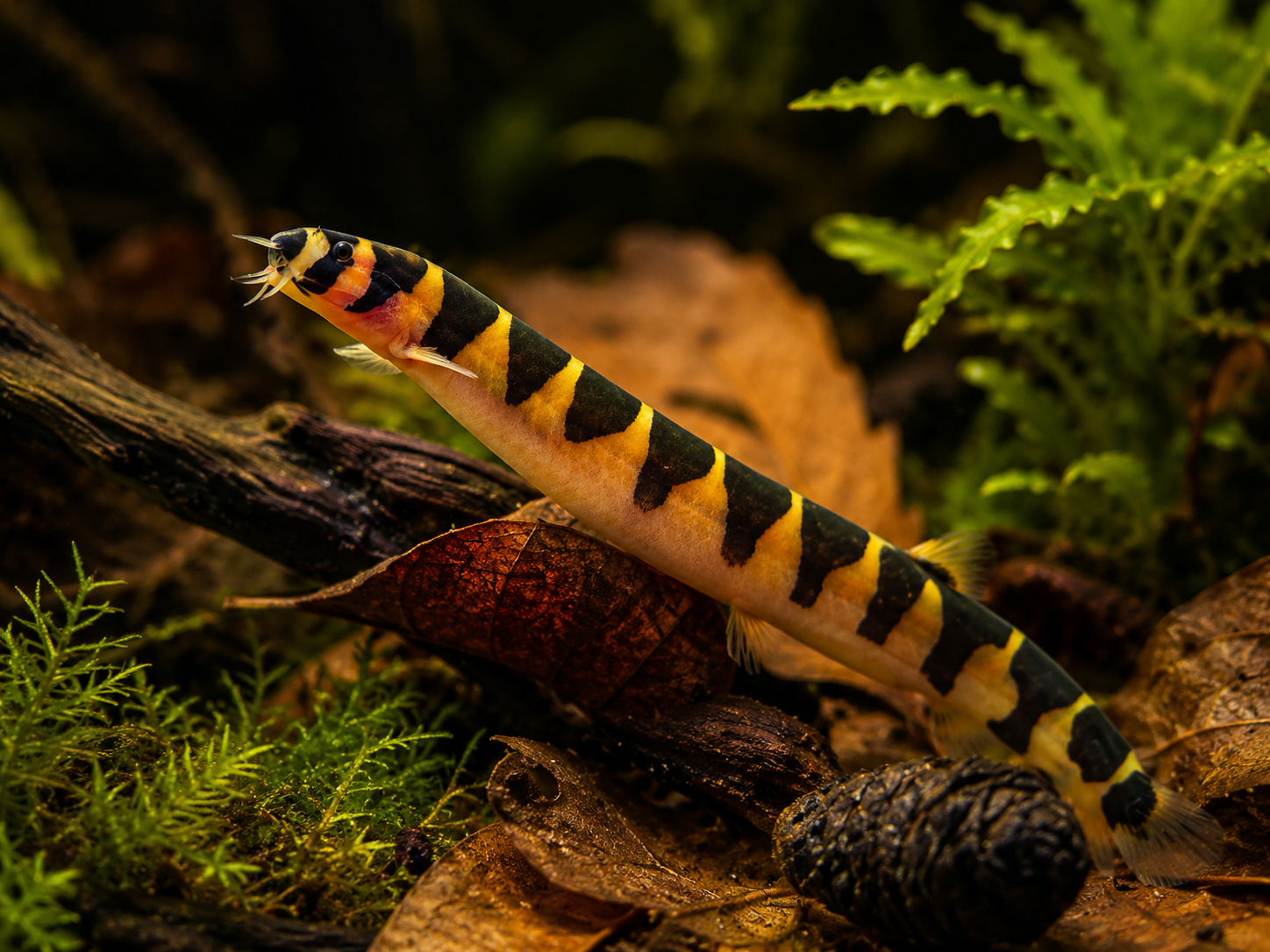
The extra scene images are look samples: they help customers picture the product in a living aquarium-style habitat, not as a promise that every tank will look the same.
Overview
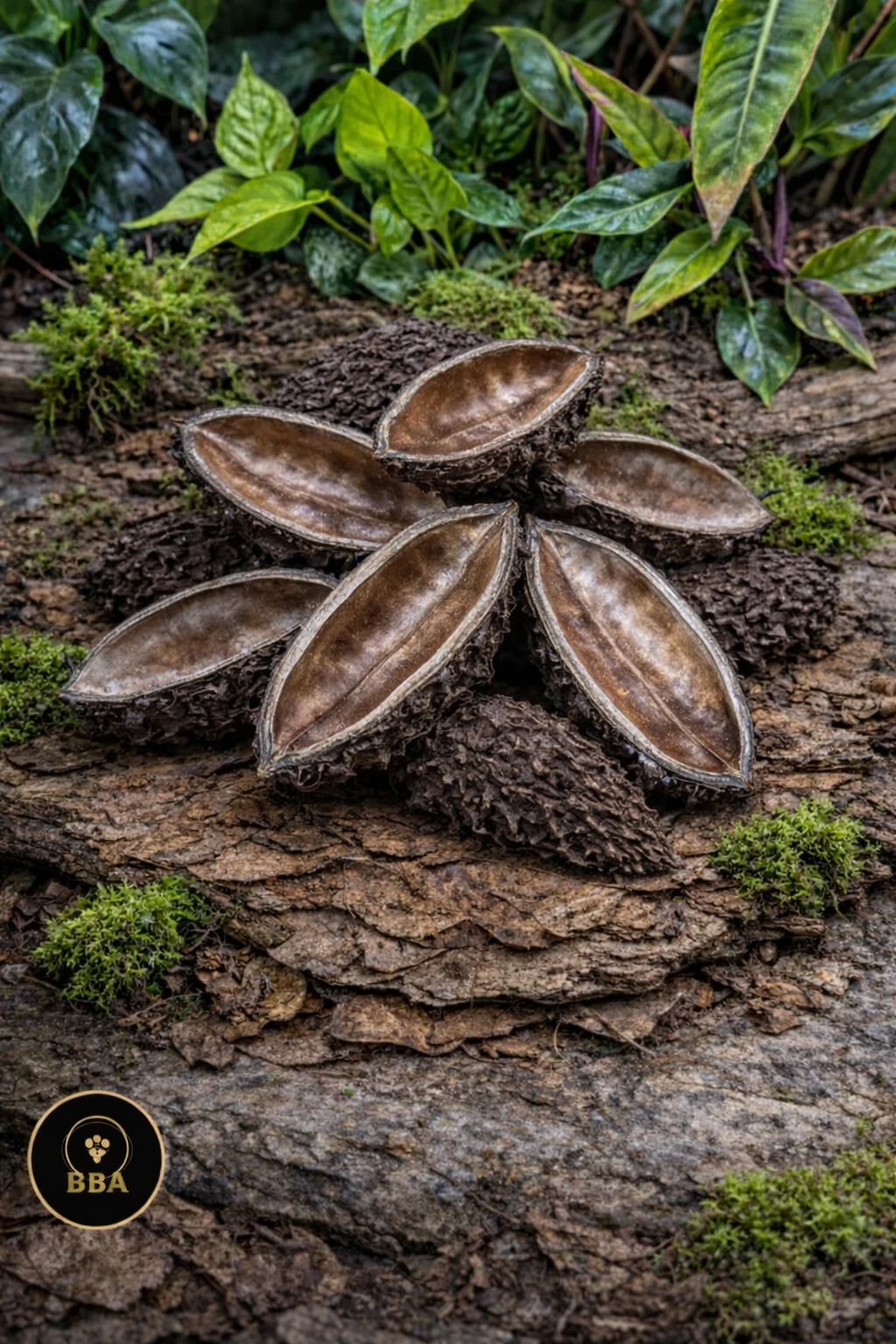
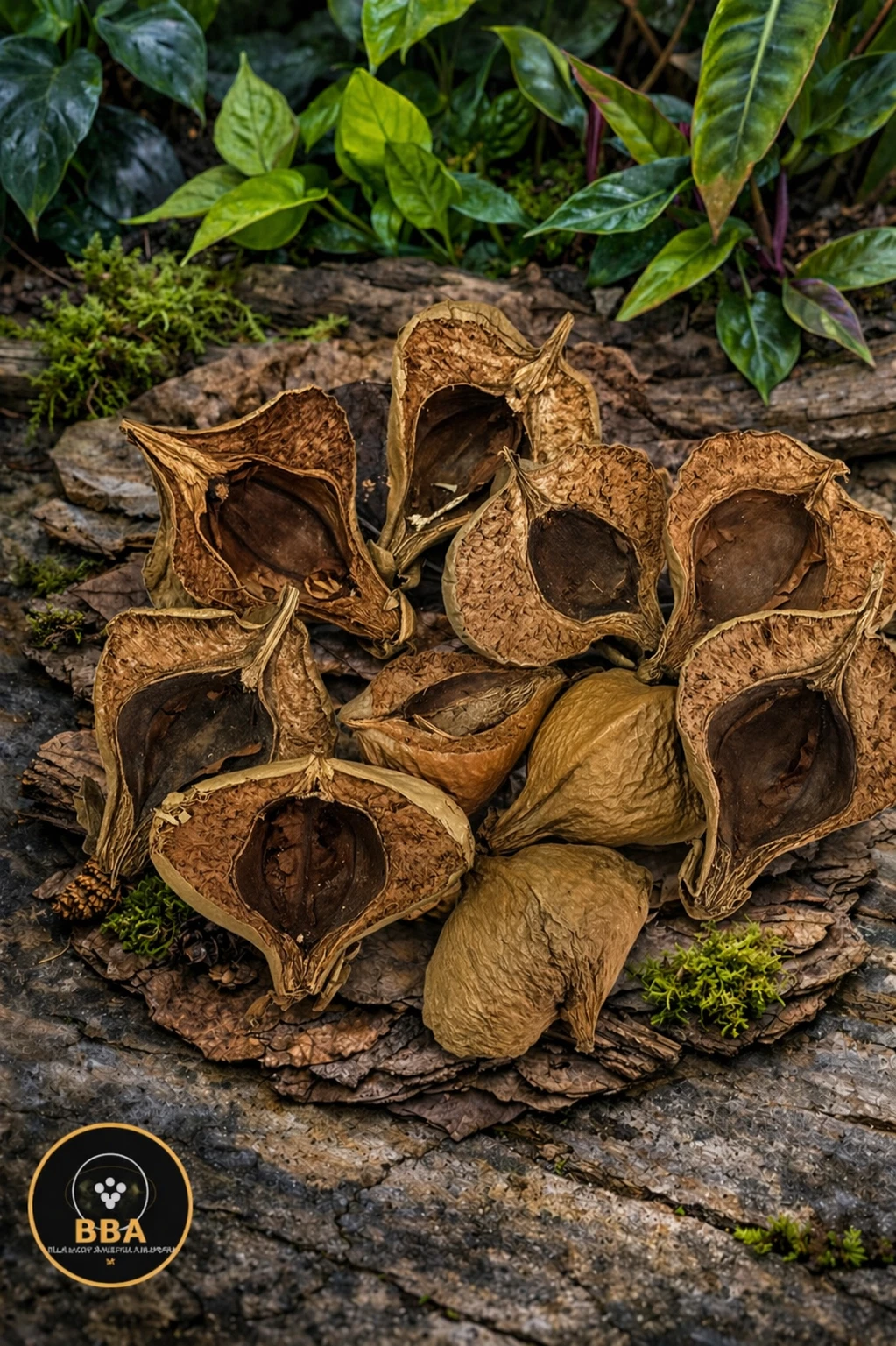
Strelitzia Pods are striking natural botanicals that add bold texture, shelter and a true forest-floor look to freshwater aquariums.
Their open structure makes them especially useful in shrimp tanks, blackwater aquariums and botanical method setups, where natural materials are valued for appearance, shelter and biofilm grazing surfaces.
These pods may gradually release tannins and humic substances, helping contribute to a more natural blackwater appearance depending on quantity, aquarium size, KH, pH and filtration.
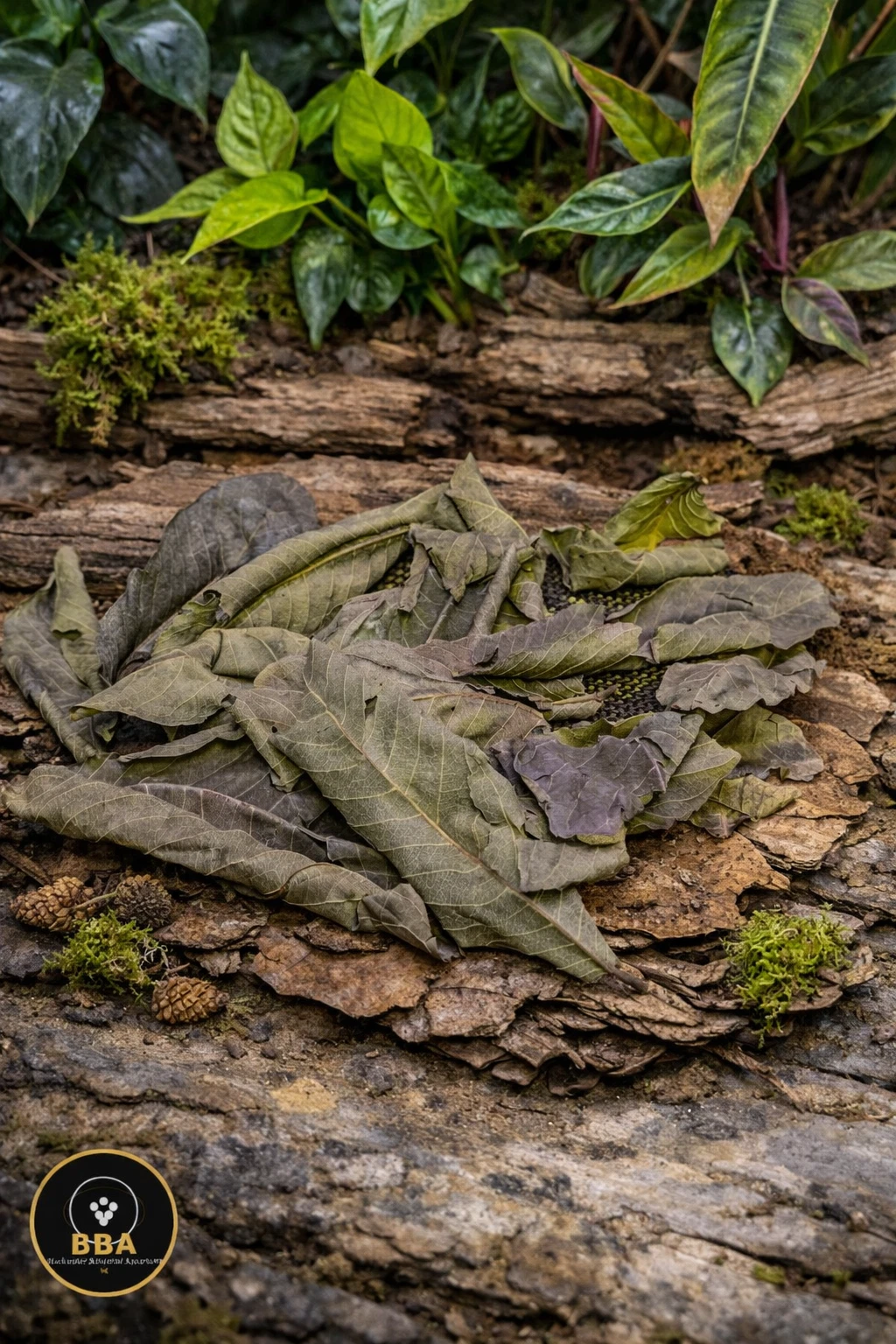
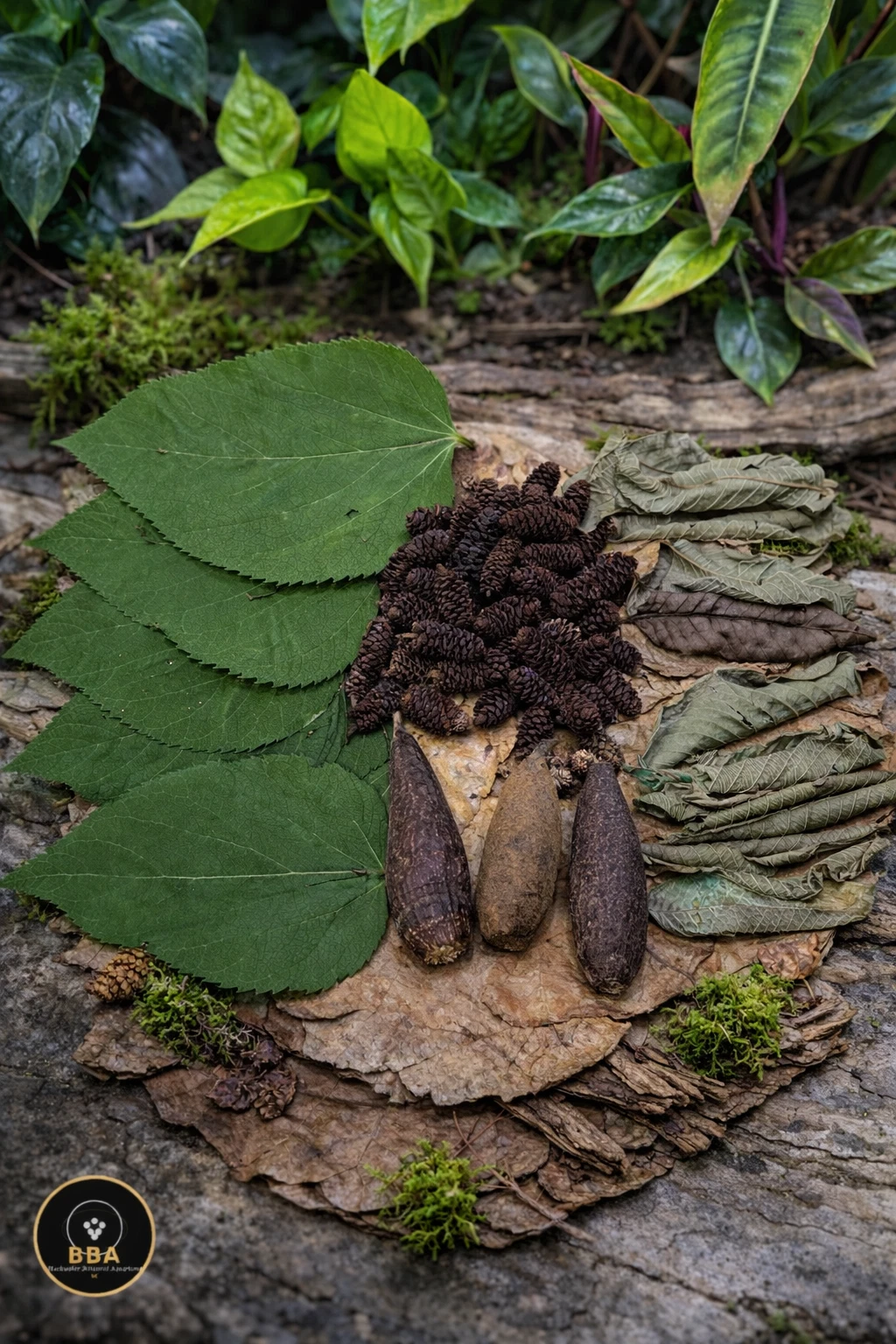
They work beautifully as individual feature pieces, mixed with leaf litter, or combined with cones, wood and other pods in a fuller blackwater layout.
For shrimp keepers especially, Strelitzia Pods are valued for their dramatic structure, grazing surfaces, natural look and useful little spaces for shrimp, fry and small fish.
Why aquarists buy it
Why aquarists buy it Natural botanical décor with no additives May release tannins and humic substances for a blackwater look Creates shelter and structure for shrimp, fry and small fish Excellent surfaces for biofilm grazing Ideal for blackwater and botanical method aquariums Unusual, eye-catching shape compared with standard leaves and cones
Key benefits
1) Natural botanical décor Adds a bold and unusual natural element to the aquarium with a true botanical forest-floor style.
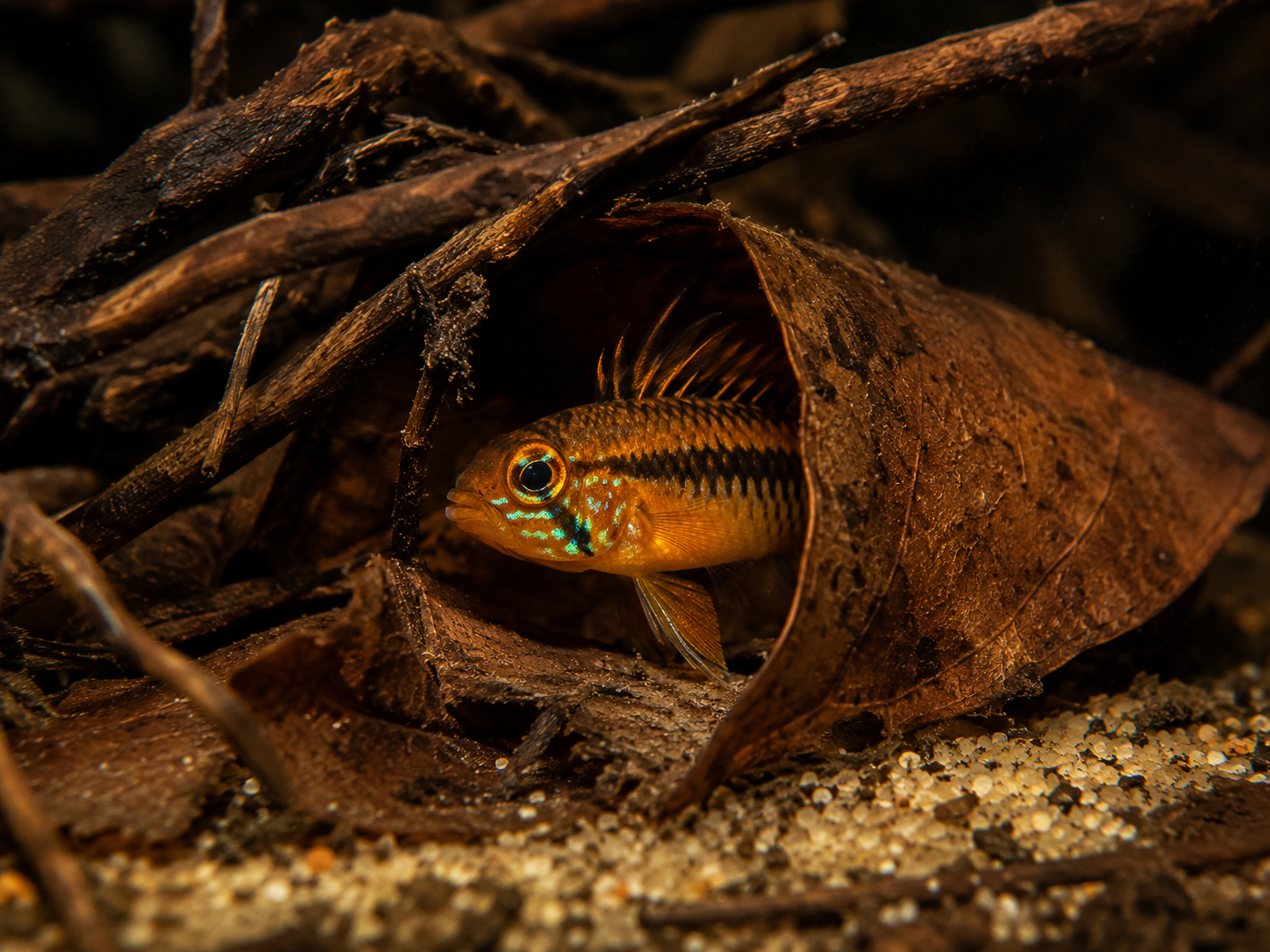
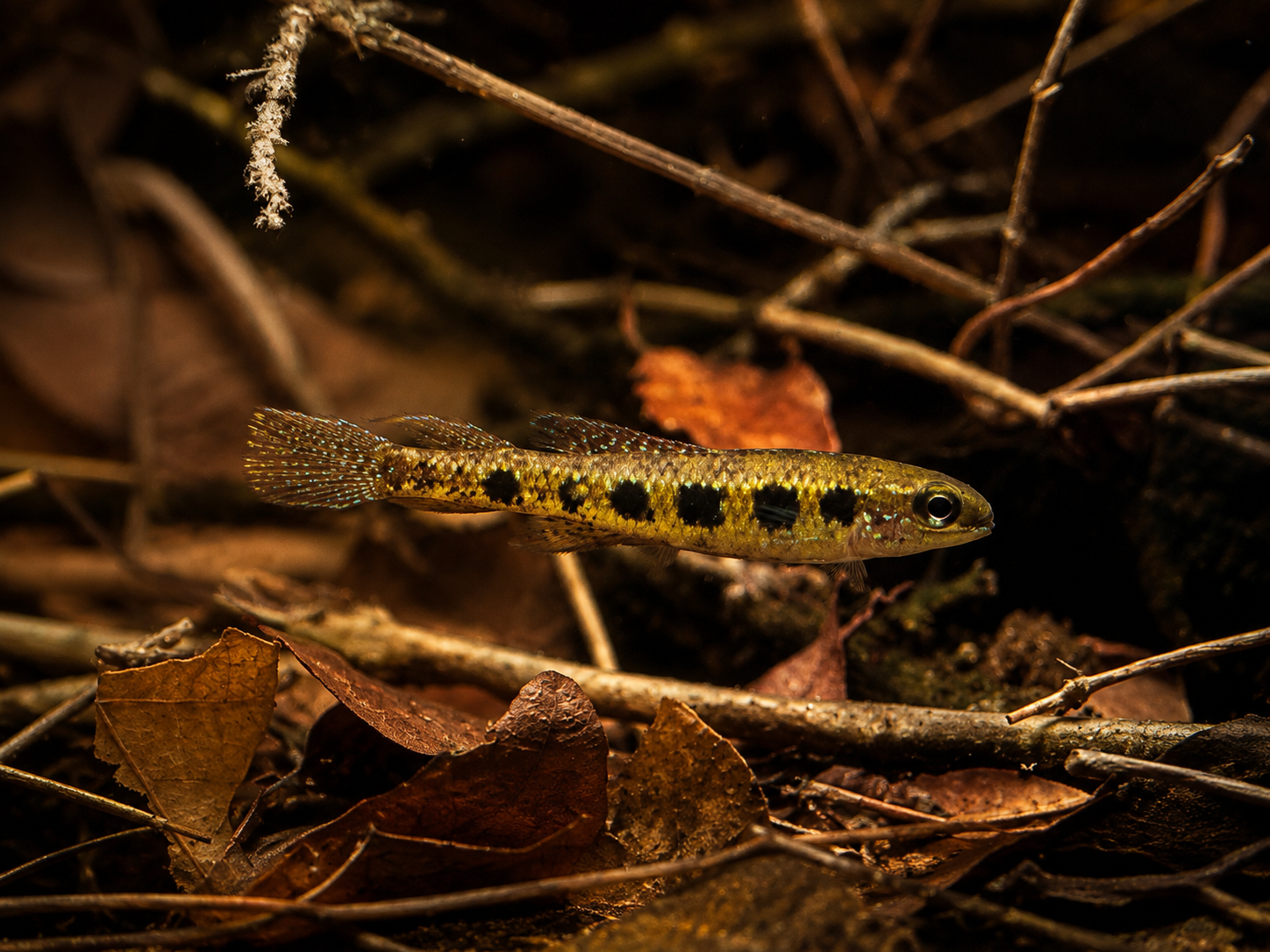
2) Shelter for livestock The open pod structure creates useful shelter spaces and small protected areas for shrimp, fry and small peaceful fish.
3) Biofilm grazing surface The textured surface gives biofilm a place to develop over time. Shrimp, snails and other grazers may explore mature botanical surfaces in the aquarium.
4) Blackwater character Strelitzia Pods may gradually release tannins and humic substances, helping create a richer blackwater-style look.
5) Great for natural aquascapes Blends well with leaves, cones, bark, roots, driftwood and other pods in natural botanical layouts.
6) Suitable for many species Excellent for shrimp, fry, bettas, tetras, rasboras, catfish, discus and other ornamental freshwater livestock.
From the forests to your aquarium
From the forests to your aquarium In natural habitats, fish and shrimp live among leaves, roots, pods and other fallen plant structures that create shelter, collect biofilm and slowly influence the water around them. Strelitzia Pods help recreate some of that same complexity in the aquarium by adding shape, shelter, grazing value and a more authentic botanical feel to the layout.
Product story
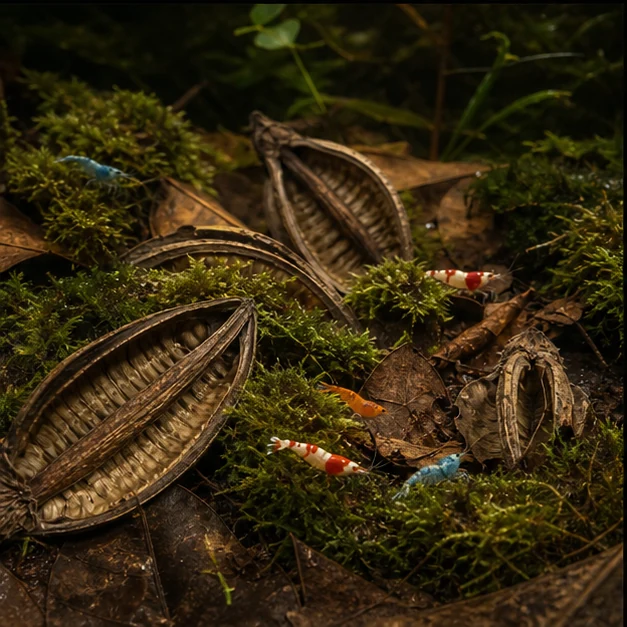
Shrimp tanks and shrimp colonies, Caridina and Neocaridina shrimp
AQUARIUM PRODUCT STORY
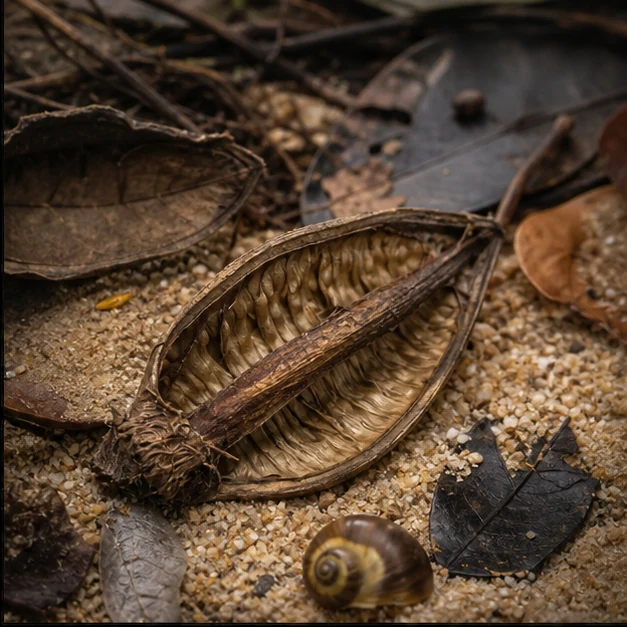
These visual samples help show the product's aquarium-world feel: leaf litter, roots, substrate, livestock movement and natural spacing. They are context images for clearer buyer understanding, not identical layout promises.
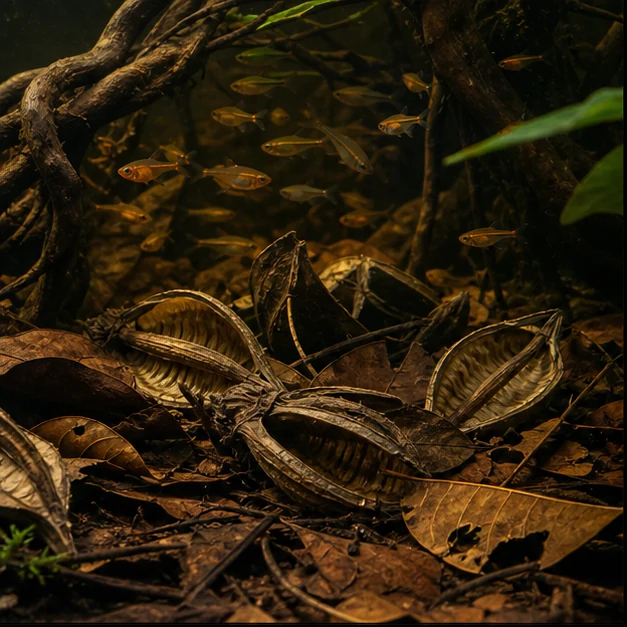
Visual habitat/context sample for buyer understanding; natural pieces and aquariums will vary.
OTHER CUSTOMER ROUTES
Beyond aquarium use, selected dry leaves, pods and woody pieces can also add natural structure, cover and surface complexity to suitable paludarium, vivarium and bioactive setups. Choose materials to suit the scale, moisture level and animals in the enclosure.
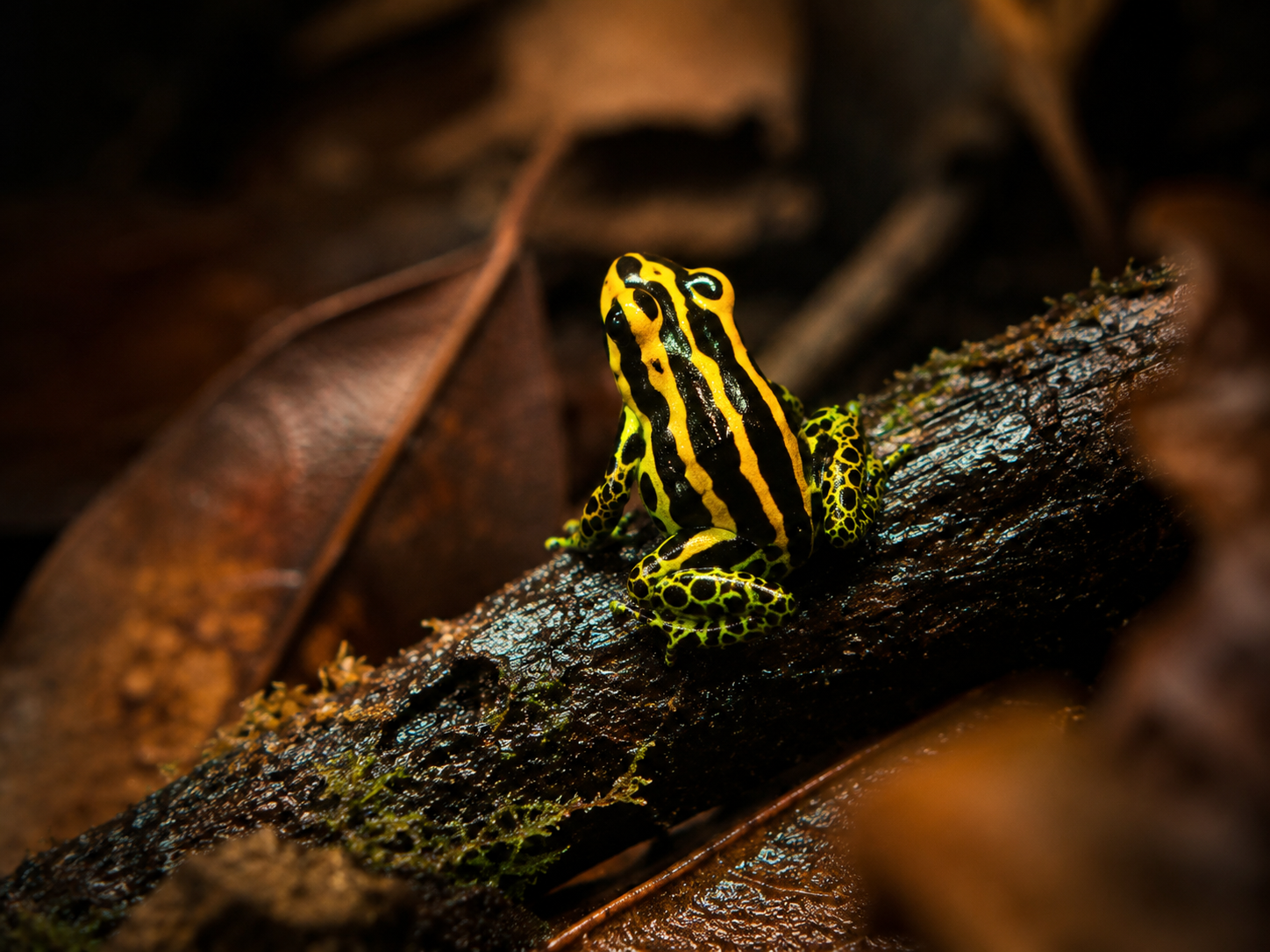
Use suitable leaves, pods and woody pieces through damp margins and transitional areas to connect the aquatic and terrestrial parts of a naturalistic layout.
Selected dry botanicals can add natural floor texture, cover and visual variation around wood, roots and planted areas.
Suitable leaves and dry botanical pieces can provide cover, surface complexity and material that gradually becomes part of the decomposer environment.
Use suitable pieces as additional cover and surface complexity within an established decomposer setup, not as a complete food or substrate system.
What it does not do
It does not replace stable husbandry, cure disease or guarantee pH, GH or KH movement. Use it as a prepared botanical, not as a water-parameter shortcut.
Best for Shrimp tanks and shrimp colonies Caridina and Neocaridina shrimp Fry and juvenile fish shelter Bettas and small peaceful fish Blackwater and botanical method aquariums Natural biotope-style layouts Leaf-litter scapes with wood, cones and pods Aquascapes needing open pod shelter and dramatic forest-floor structure
No. Natural botanicals vary in colour, curve, texture, openings and how they change once soaked.
Only if the tank has enough space and livestock are behaving normally. A measured first placement is safer.
Some natural botanicals float before they waterlog. Pre-soaking can help, and positioning should remain safe.
LEARN BEFORE YOU ADD
COMPLETE THE ROUTE