What it does
Helps create botanical texture, hiding edges, grazing surfaces and visual habitat detail as it settles.
What it does
Helps create botanical texture, hiding edges, grazing surfaces and visual habitat detail as it settles.
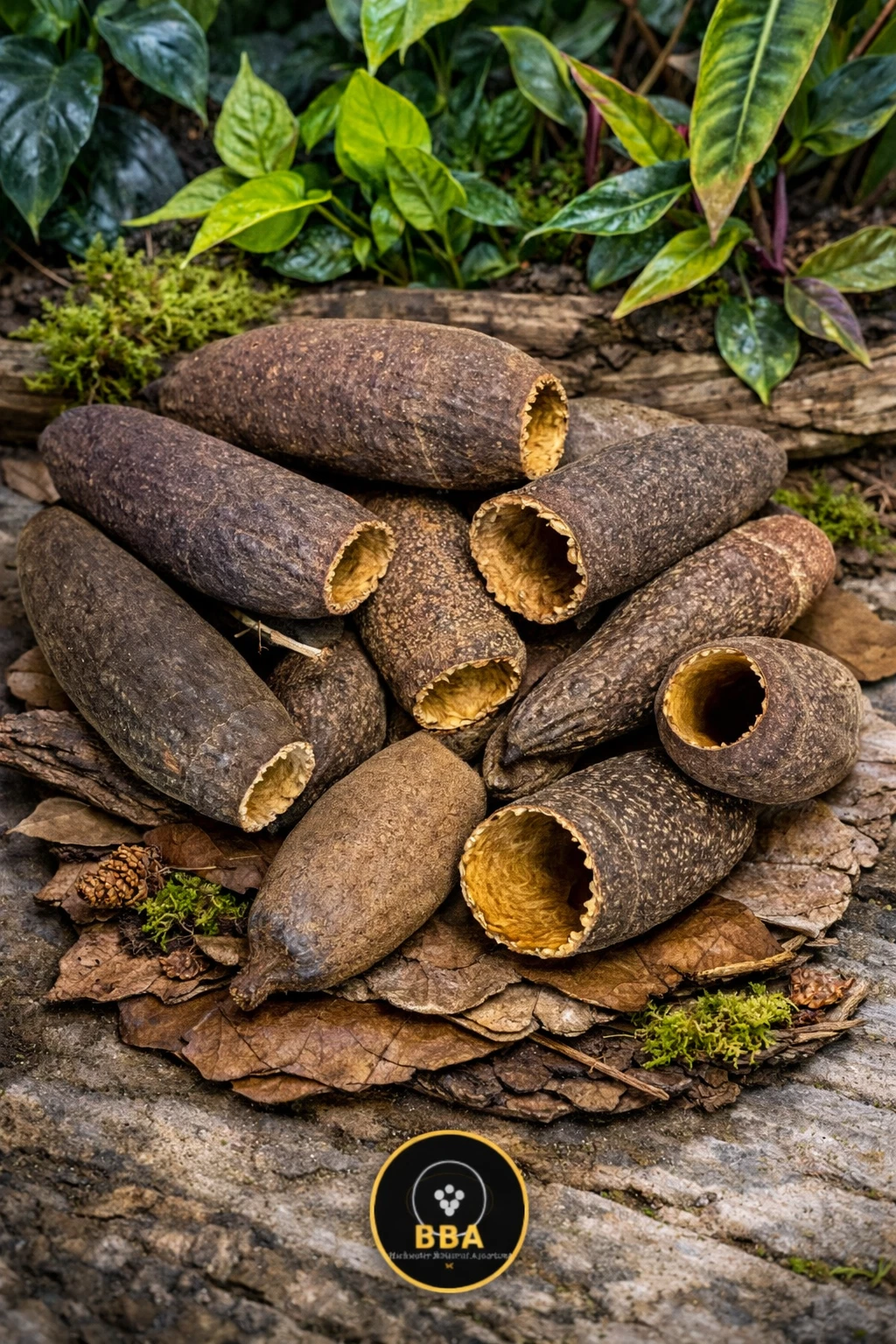
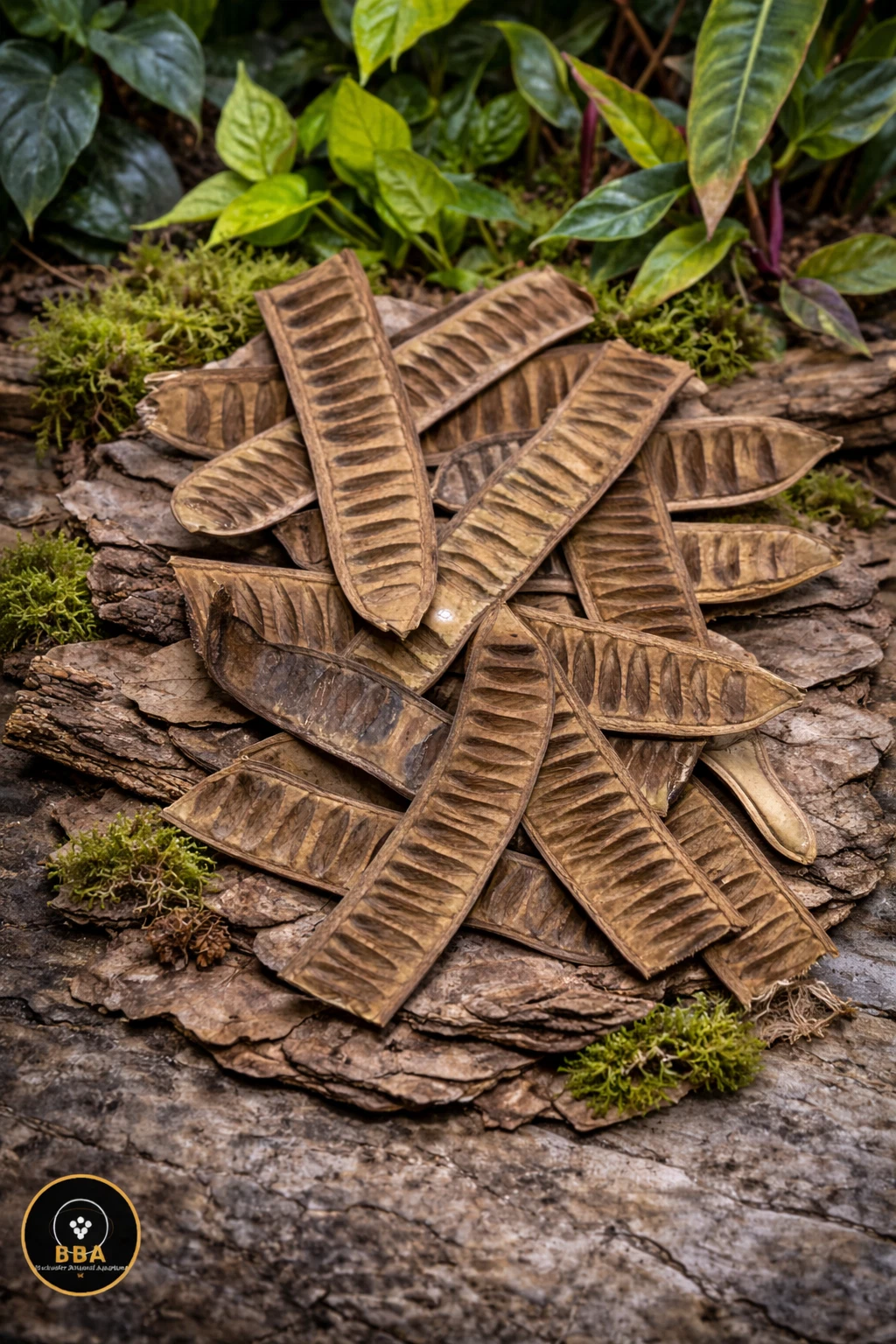
Each piece has a long ridged pod-like form with natural seed-chamber texture. It works especially well in shrimp tanks, betta aquariums, botanical method setups, African themed scapes, biotope-style layouts and natural blackwater aquariums.
Use Step Fruit as a structural botanical among leaf litter, cones, bark, pods and wood. Once waterlogged, it can settle into the layout and become part of a natural grazing and shelter area.
These are natural habitat and enrichment pieces, not medicines. Use them as part of a balanced botanical layout with stable water, mature filtration and normal aquarium care.
What you receive 1 × Step Fruit / African Flame Tree botanical piece Approx. size: 20–25cm, with natural variation. You receive one single botanical piece. Packed dry, small batch and labelled by Blackwater Botanical Aquariums.
Key benefits
1) Instant impact structure The long ridged form adds visible structure quickly and can be used as a focal detail in blackwater, botanical and African themed aquascapes.
2) Natural cover and line-of-sight break Placed among leaves and wood, Step Fruit helps create more natural cover points and calmer zones for shrimp, fry and shy fish.
3) Biofilm grazing surface The textured ridges and natural surface give biofilm a place to develop over time. Shrimp and snails often graze on botanical surfaces once they mature in the aquarium.
4) Micro-habitat detail Pods, ridges, seed-chamber textures and natural edges create small grazing and exploration areas for shrimp, fry and small bottom dwellers.
5) Gentle tannins and humic substances Like many natural botanicals, Step Fruit may gradually release tannins and humic substances. The visible tint depends on the piece, tank size, KH, pH, filtration, water changes and how many botanicals are used.
6) Works with leaf litter and wood Use Step Fruit as a structural piece around leaves, cones, bark and driftwood to build a more layered natural botanical layout.
How to use Rinse before use. Do not use soap or chemicals. Optional: pre-soak for 1–7 days to help sinking and reduce the initial tannin release. Add gradually, especially in soft water, low-KH systems or smaller aquariums. Place the piece where shrimp, fry or shy fish can explore, graze and shelter. Use with leaves, cones, bark and wood for a more natural botanical layout. White biofilm at first is normal and is often eaten by shrimp and snails. If any piece becomes unsightly, simply remove it and replace with a fresh one.
Best for Shrimp tanks and shrimp colonies Bettas and small peaceful fish Fry and juvenile fish shelter Blackwater and botanical method aquariums Natural biotope-style layouts African themed aquascapes Leaf-litter scapes with wood, cones and pods Aquarists who want to build their own custom botanical mix
Important notes Natural products vary in colour, shape, size and texture. Approximate size range is provided as a guide only. Some pieces may float at first and sink later. Pre-soaking can help. Botanicals may release tannins and soften the visual tone of the water. Effects vary depending on tank size, KH, pH, filtration and how much is used. Carbon, Purigen and some filtration media may reduce visible tannins and water colour. Botanicals are natural habitat and enrichment tools, not medicines. Not for human consumption.
Product story
Shrimp tanks and shrimp colonies, Caridina and Neocaridina shrimp
AQUARIUM PRODUCT STORY
Illustrative BBA habitat scenes built from this listing's own product image. They show aquarium use-context ideas only; real tanks, natural pieces and aquascapes will vary.
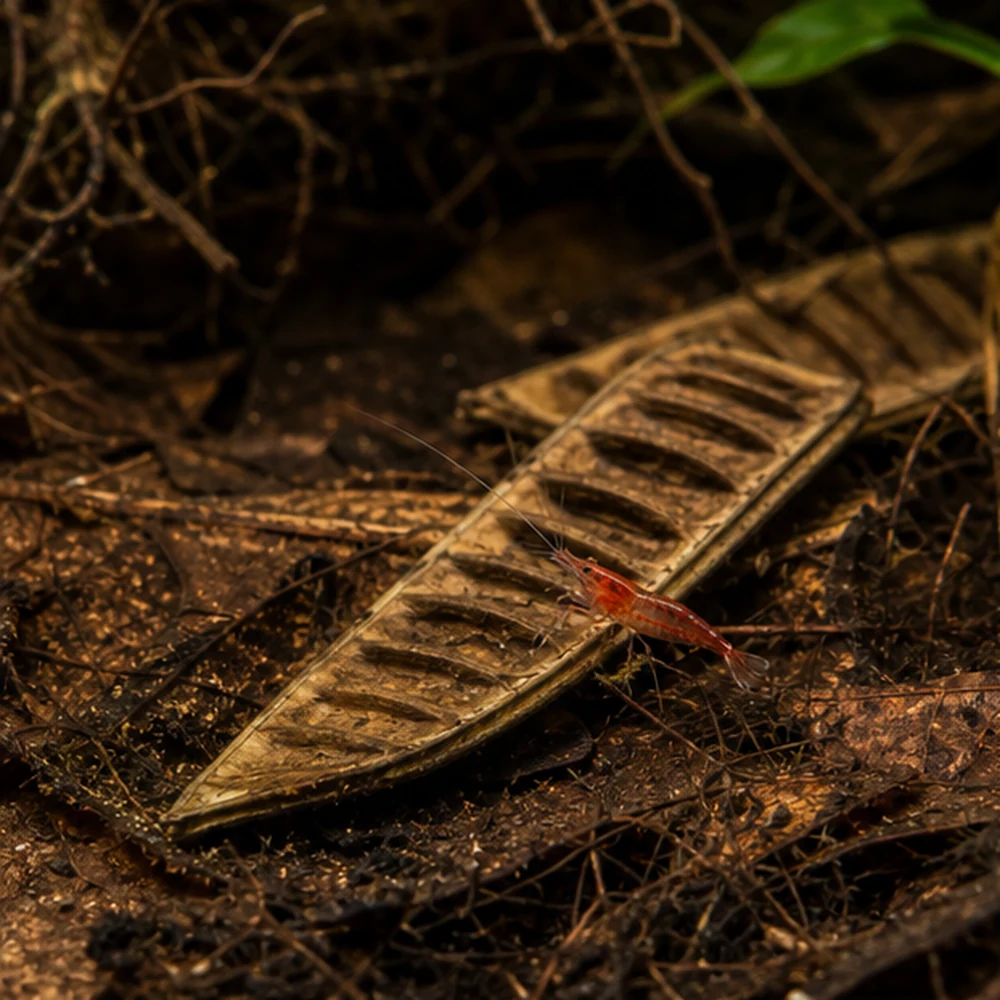
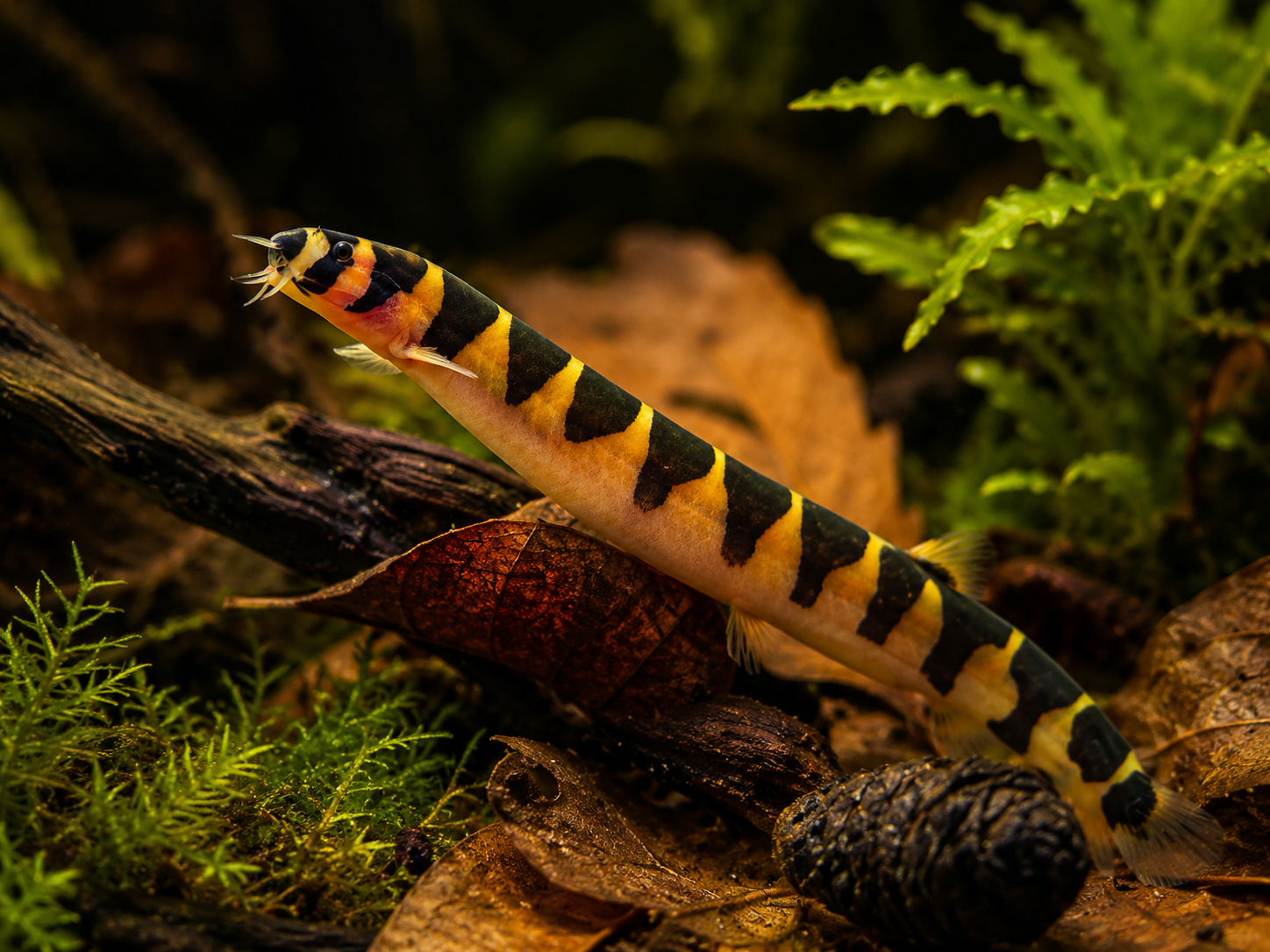
Ridged pod on dark botanical floor with shrimp. This is an illustrative habitat idea; natural tanks and individual pieces vary.
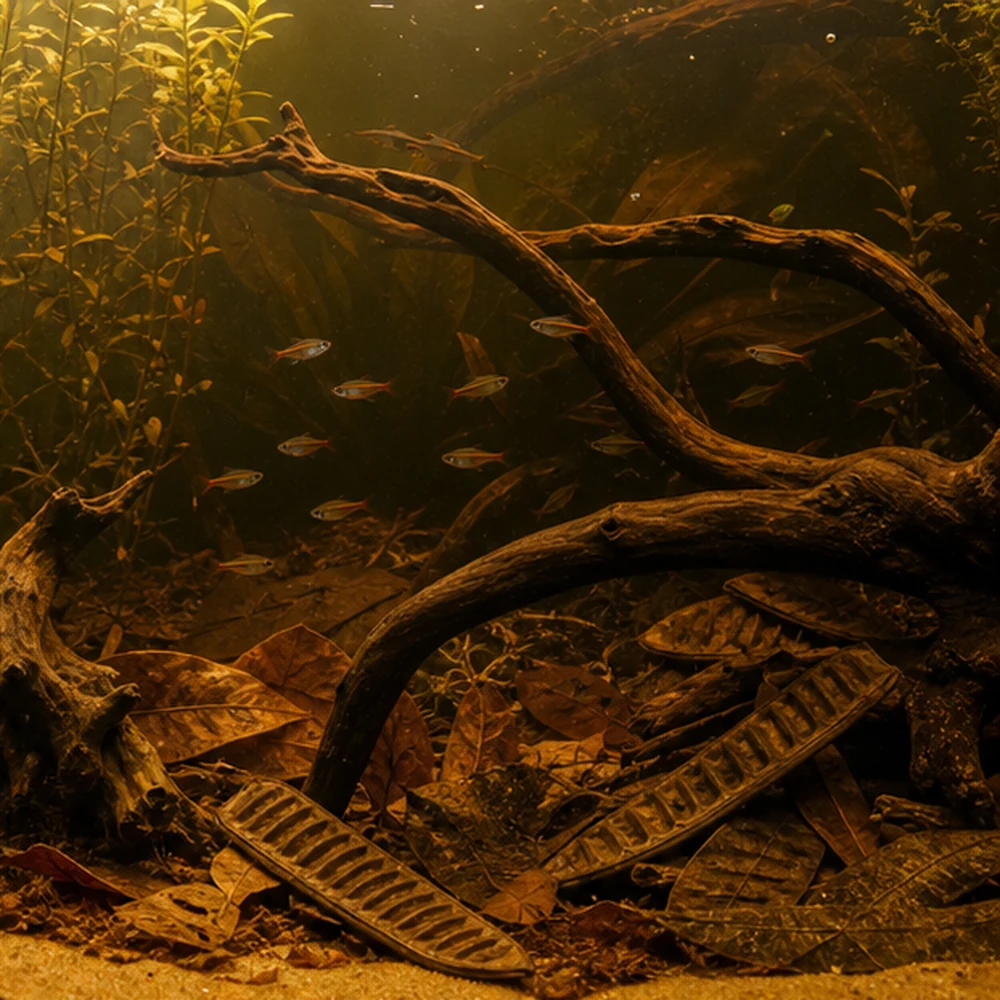
Wide amber aquascape with fish and driftwood. This is an illustrative habitat idea; natural tanks and individual pieces vary.
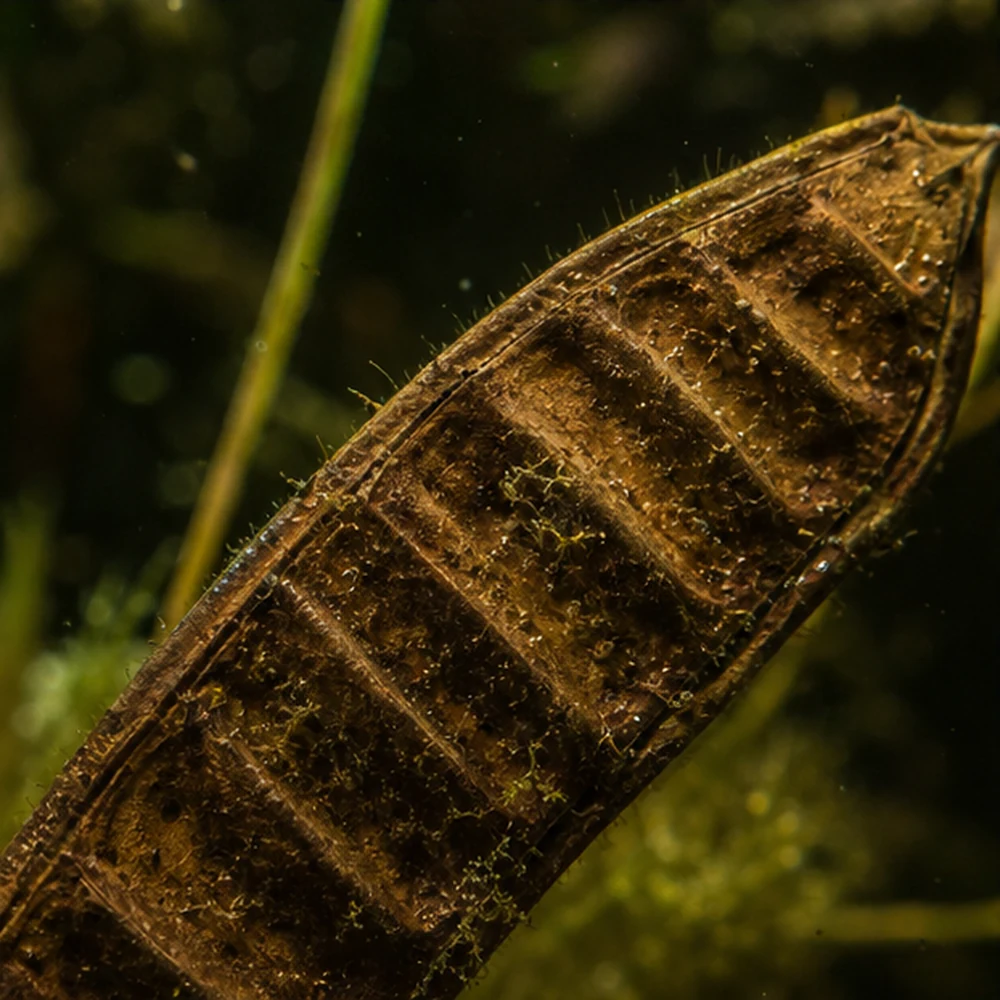
Macro texture detail with biofilm mood. This is an illustrative habitat idea; natural tanks and individual pieces vary.
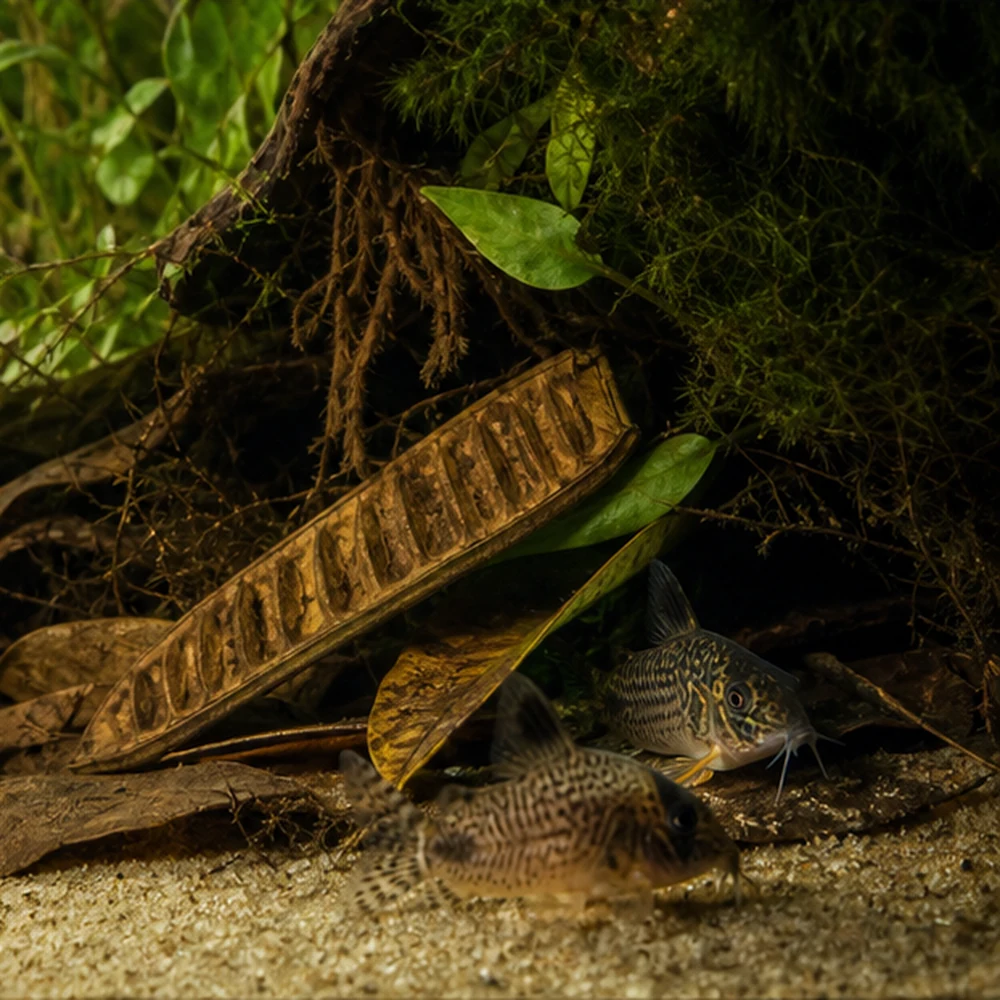
Root-and-moss shelter context with bottom fish. This is an illustrative habitat idea; natural tanks and individual pieces vary.
OTHER CUSTOMER ROUTES
Beyond aquarium use, selected dry leaves, pods and woody pieces can also add natural structure, cover and surface complexity to suitable paludarium, vivarium and bioactive setups. Choose materials to suit the scale, moisture level and animals in the enclosure.
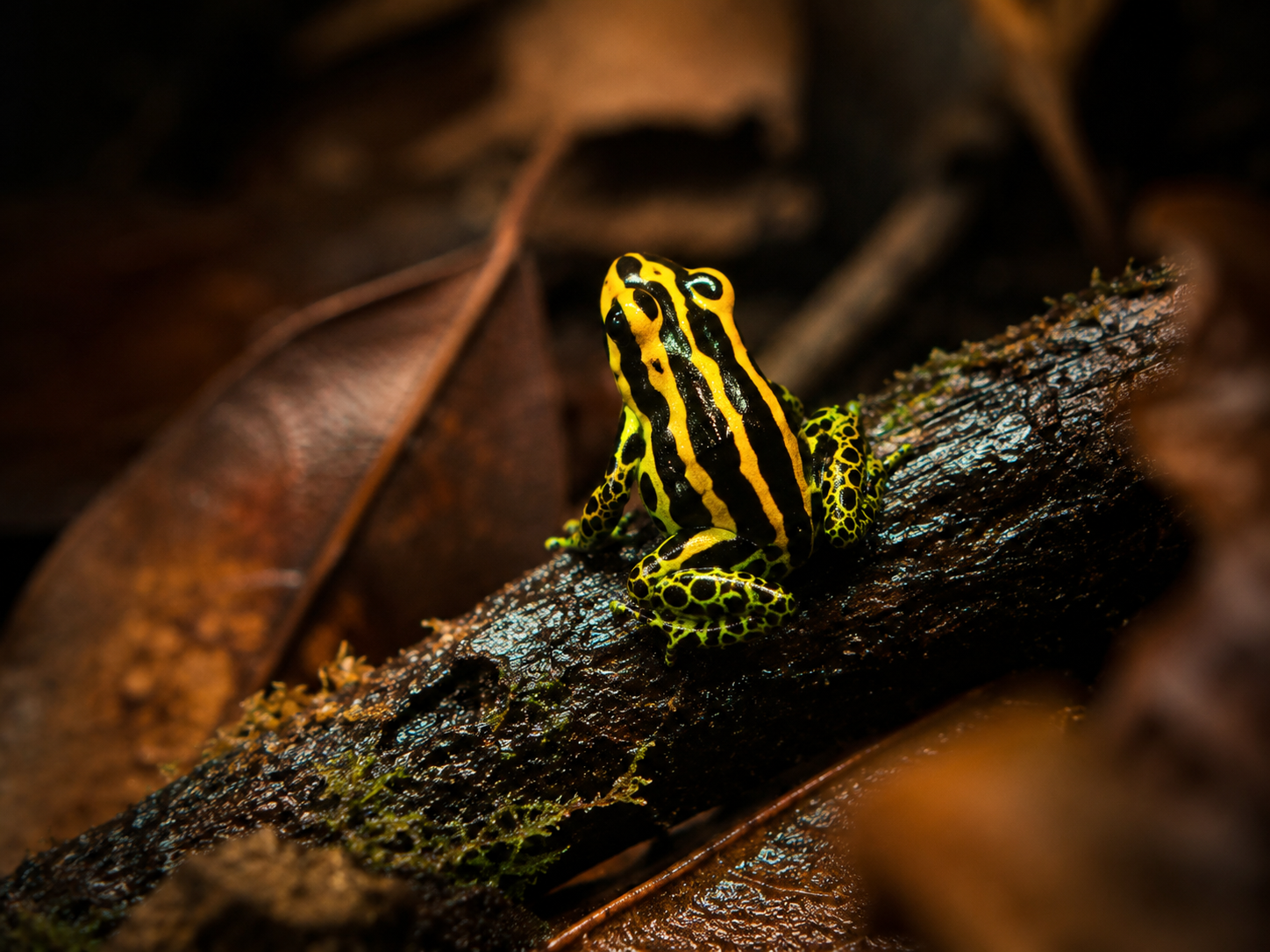
Use suitable leaves, pods and woody pieces through damp margins and transitional areas to connect the aquatic and terrestrial parts of a naturalistic layout.
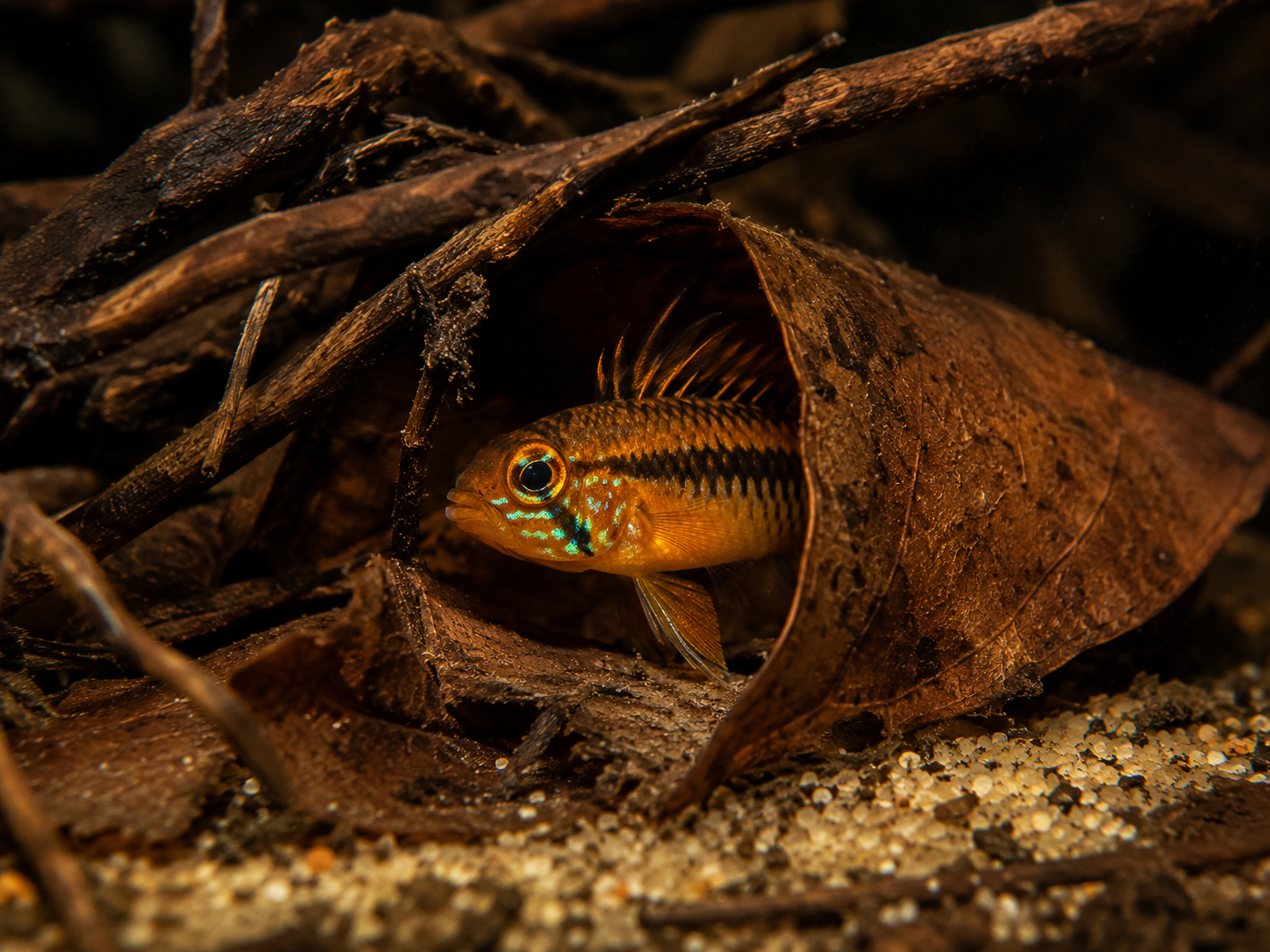
Selected dry botanicals can add natural floor texture, cover and visual variation around wood, roots and planted areas.
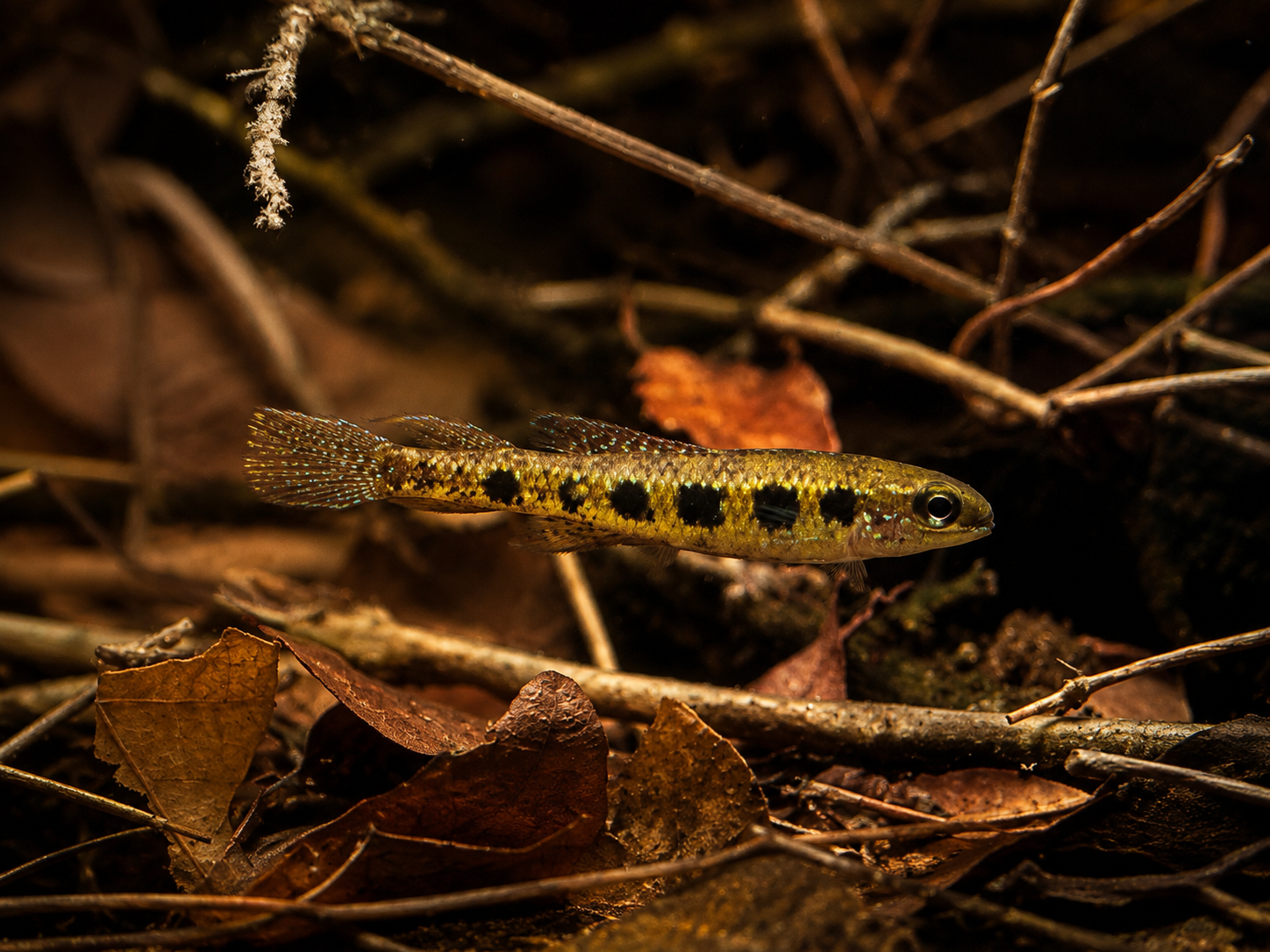
Suitable leaves and dry botanical pieces can provide cover, surface complexity and material that gradually becomes part of the decomposer environment.
Use suitable pieces as additional cover and surface complexity within an established decomposer setup, not as a complete food or substrate system.
Best for
Layouts where the customer wants visible natural structure, not a rushed water change.
What it does not do
It does not treat disease, replace filtration or guarantee pH, GH or KH outcomes.
Expect natural texture and habitat detail. Exact colour, shape and breakdown speed vary by product and aquarium.
Pause or remove excess botanicals if livestock look stressed, water clouds unexpectedly or the tank is already unstable.
LEARN BEFORE YOU ADD
COMPLETE THE ROUTE