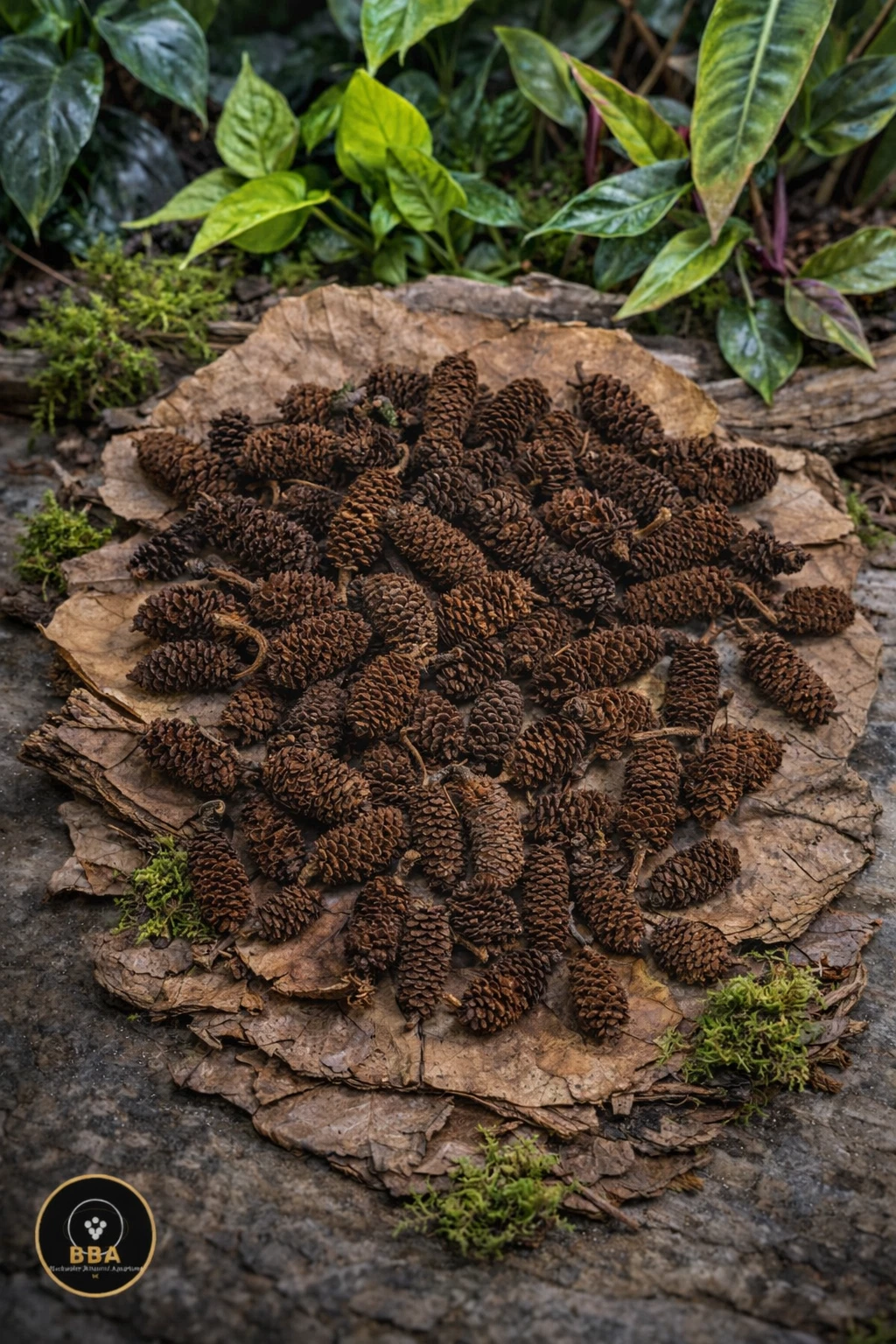
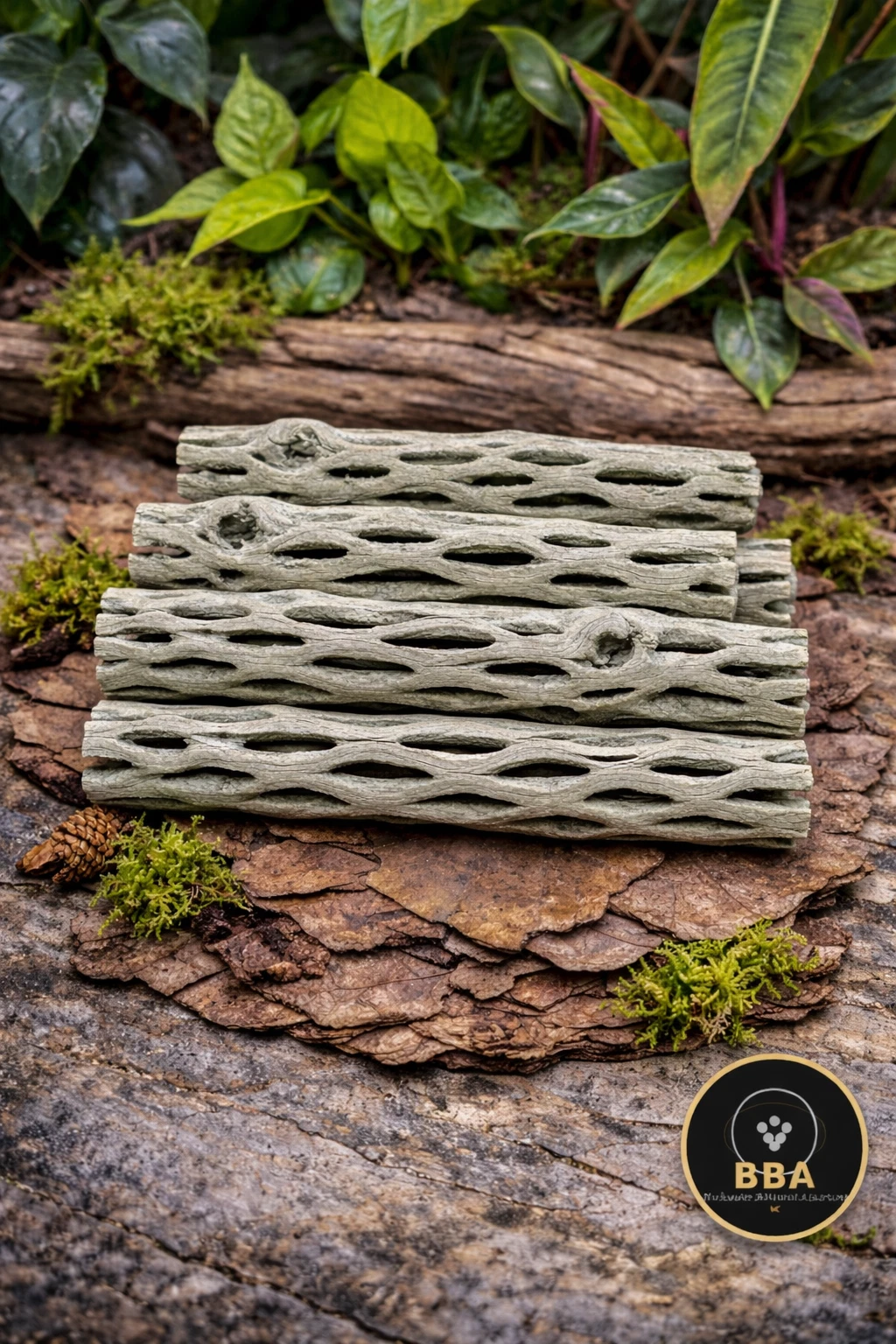
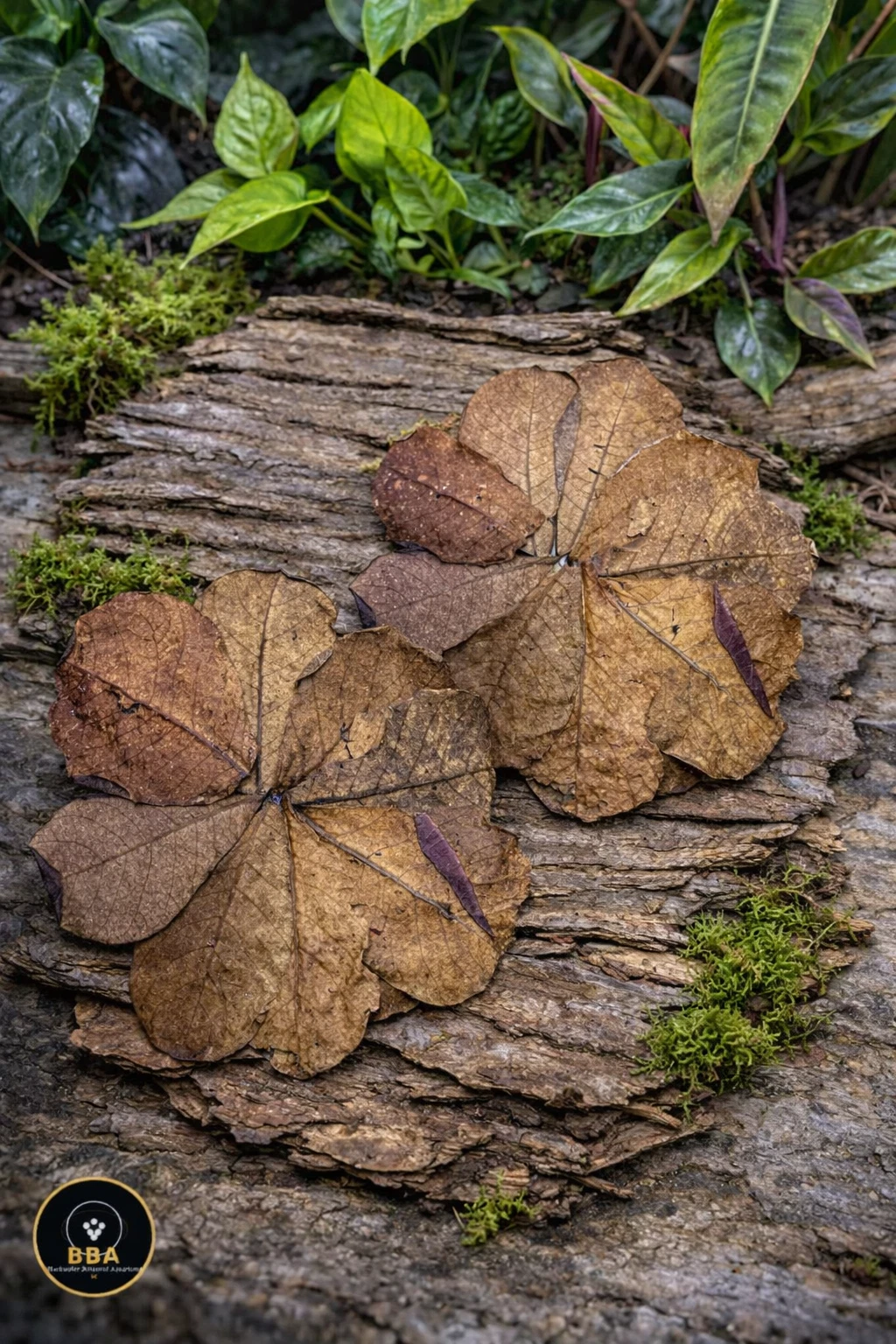
What it adds
Layered structure, natural texture and a clearer route for grazing, cover and visual blackwater character.
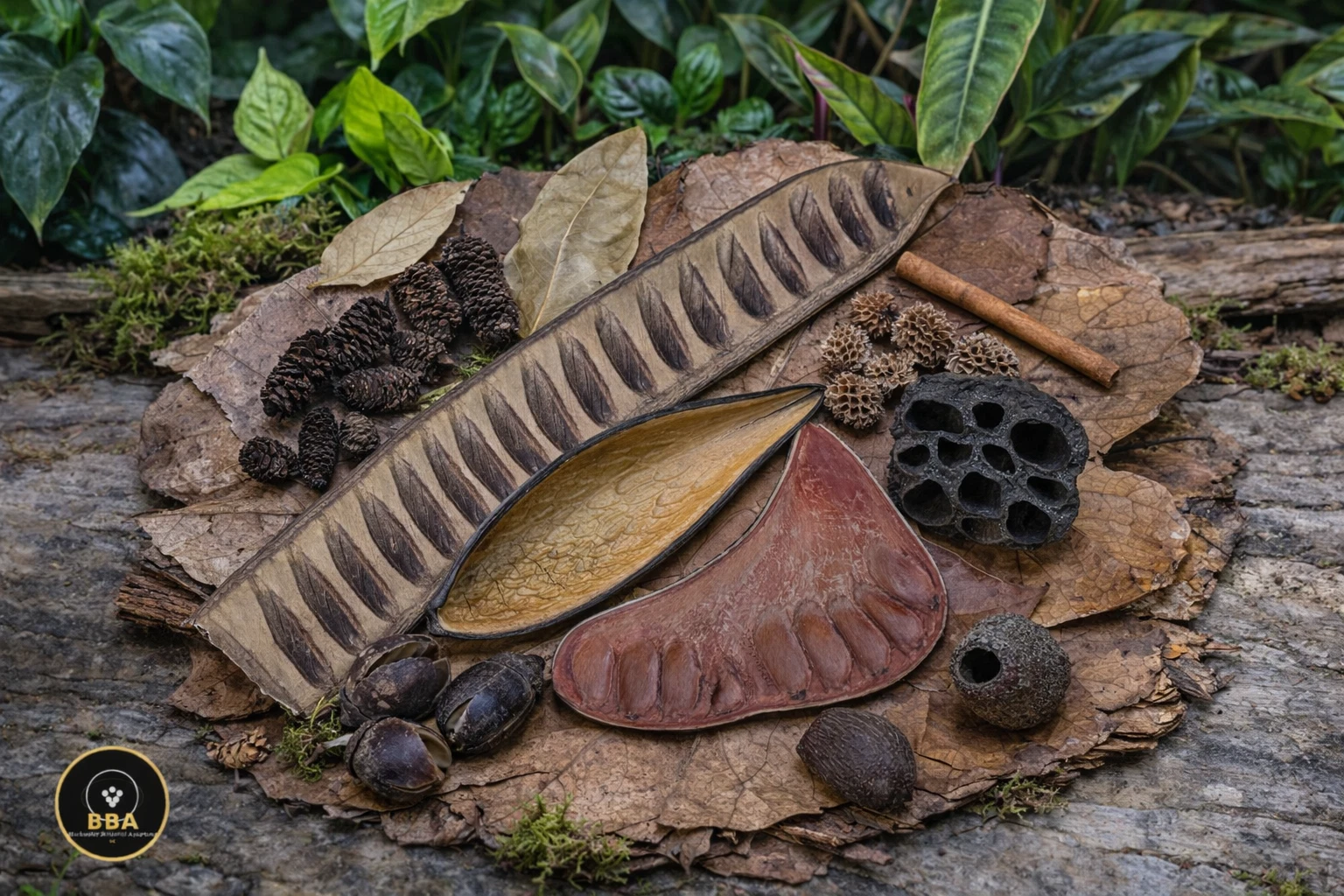
Selected option contents
Natural product: size, shape, colour, texture and surface detail will vary.
What it adds
Layered structure, natural texture and a clearer route for grazing, cover and visual blackwater character.
Keep space open
Do not stack every item together. Natural leaf litter and pods sit across a habitat with open sand and swimming room between them.
Product story
AQUARIUM PRODUCT STORY
Illustrative habitat scenes show the listed box contents as part of spacious blackwater aquascapes with small aquarium life using the surfaces, cover and open routes. They are visual habitat examples, not reviews or result guarantees.
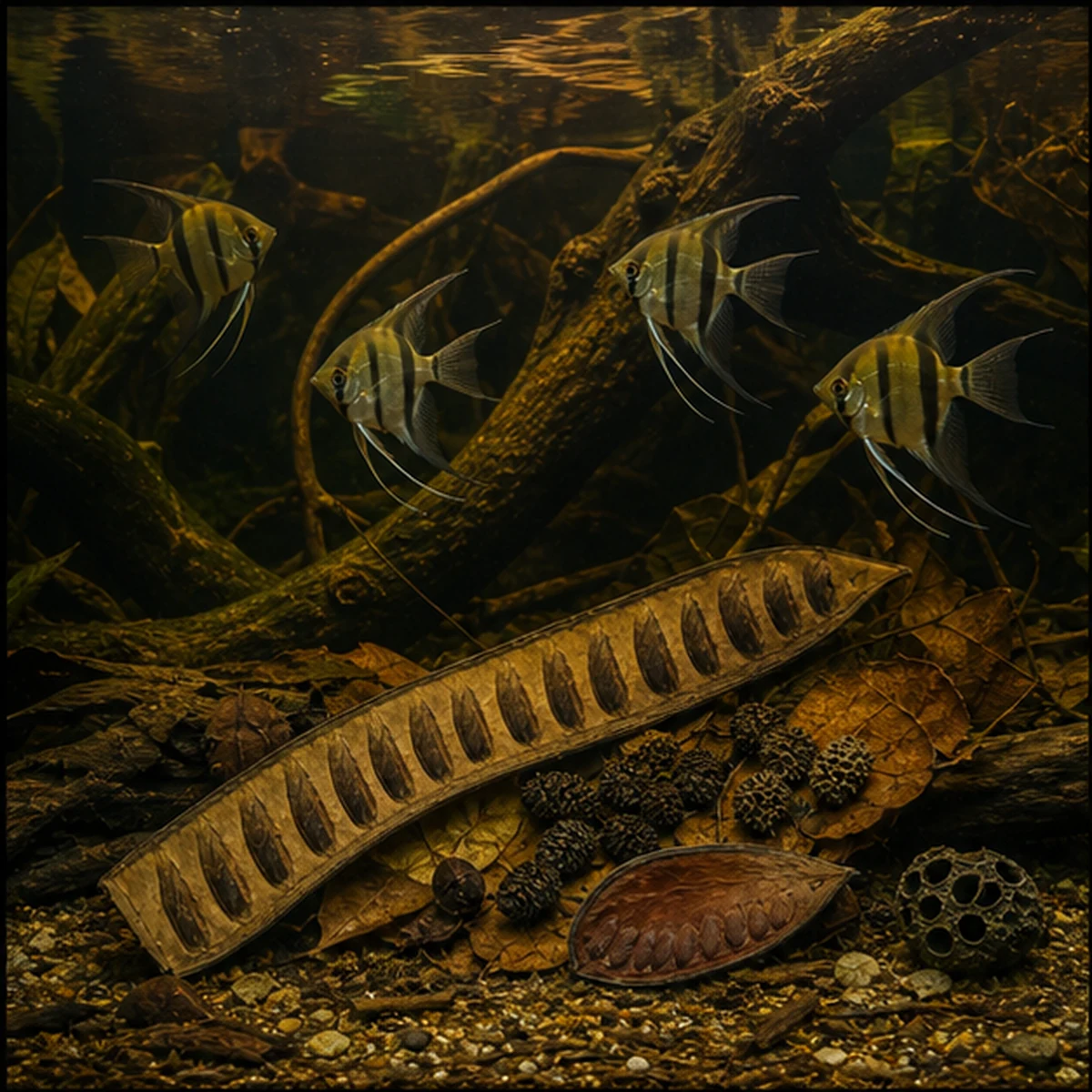
Set the largest structural botanical first and build the smaller materials around it.
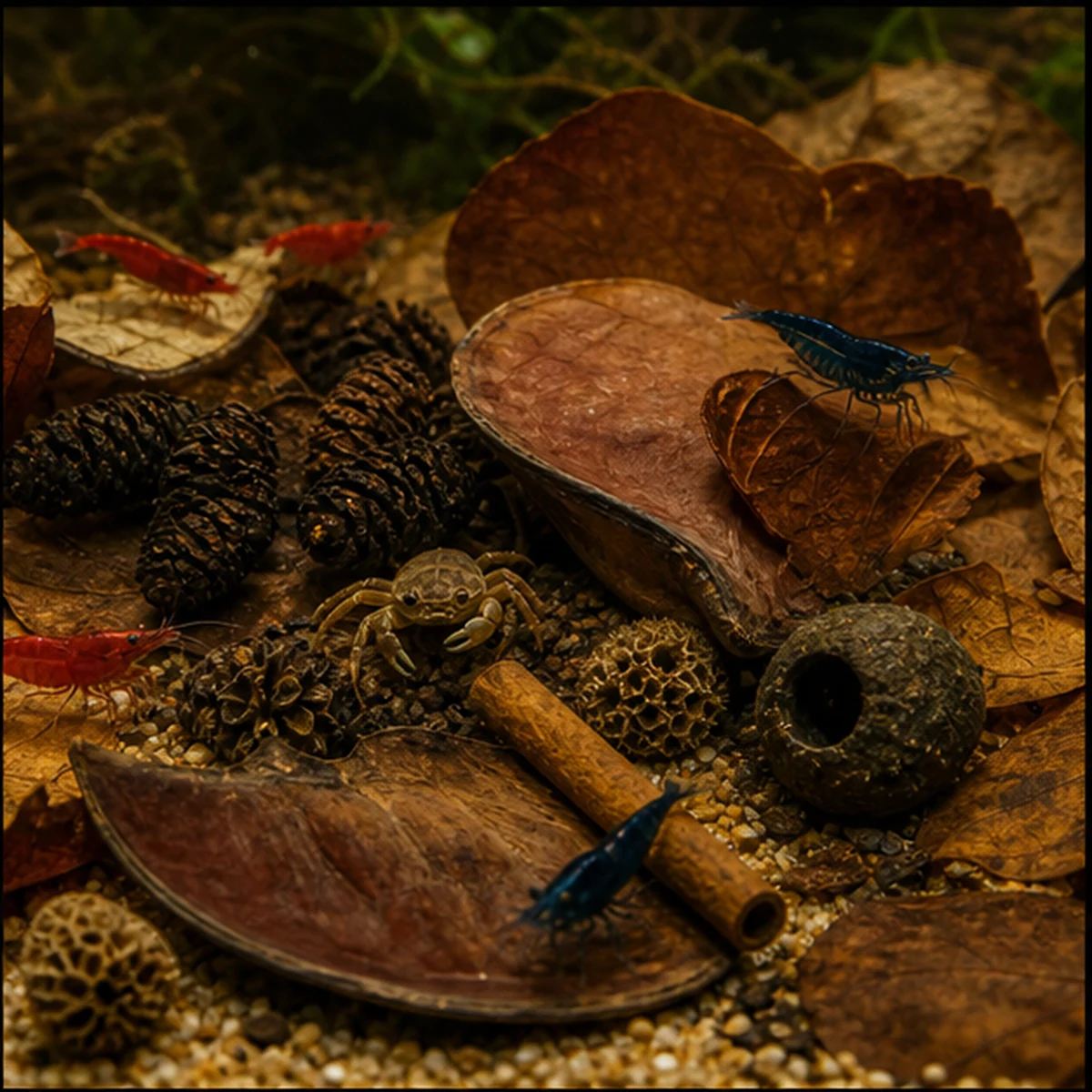
Leave open sand and swimming space instead of filling the entire substrate.
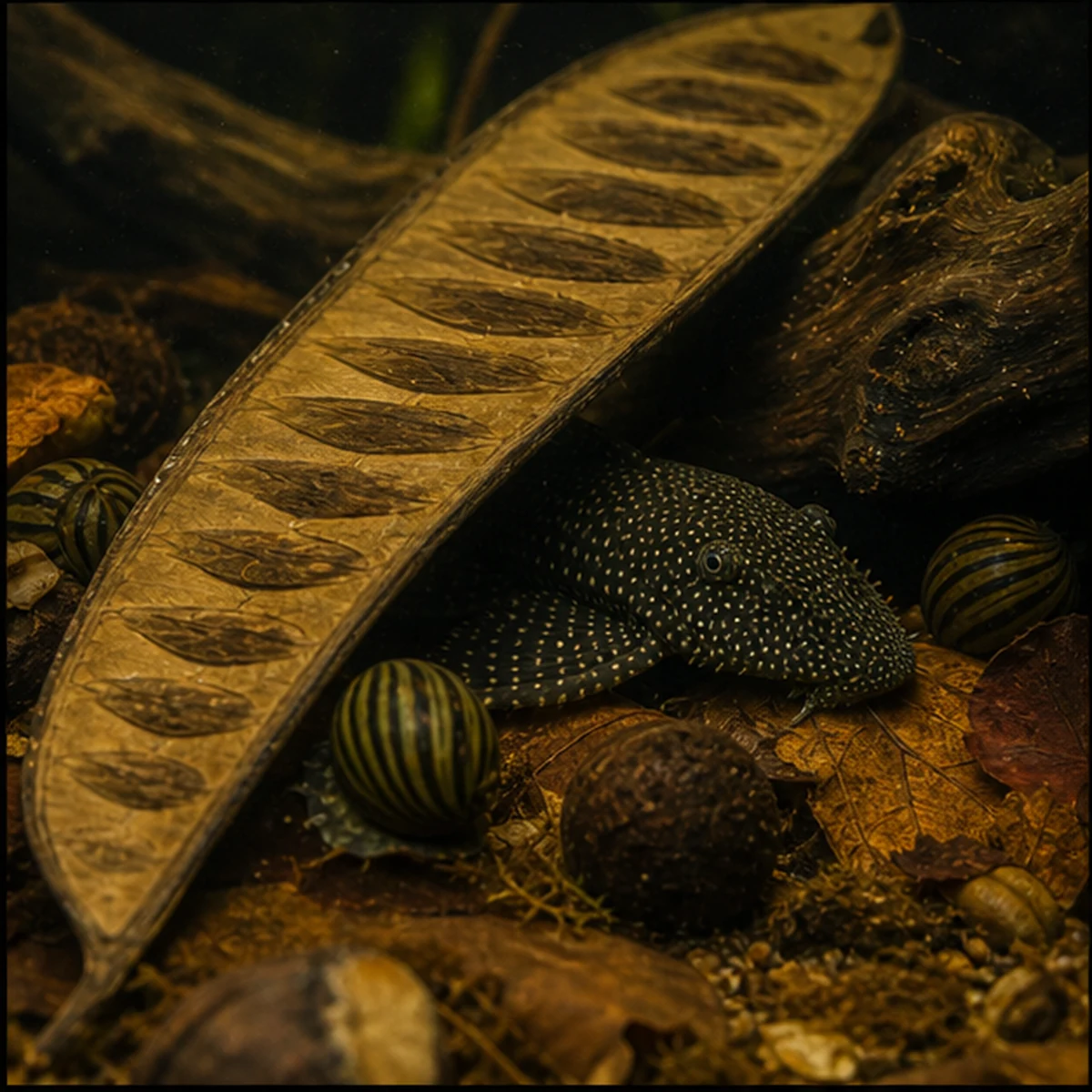
Spread leaves and textured pieces so shrimp and small fish can explore multiple surfaces.
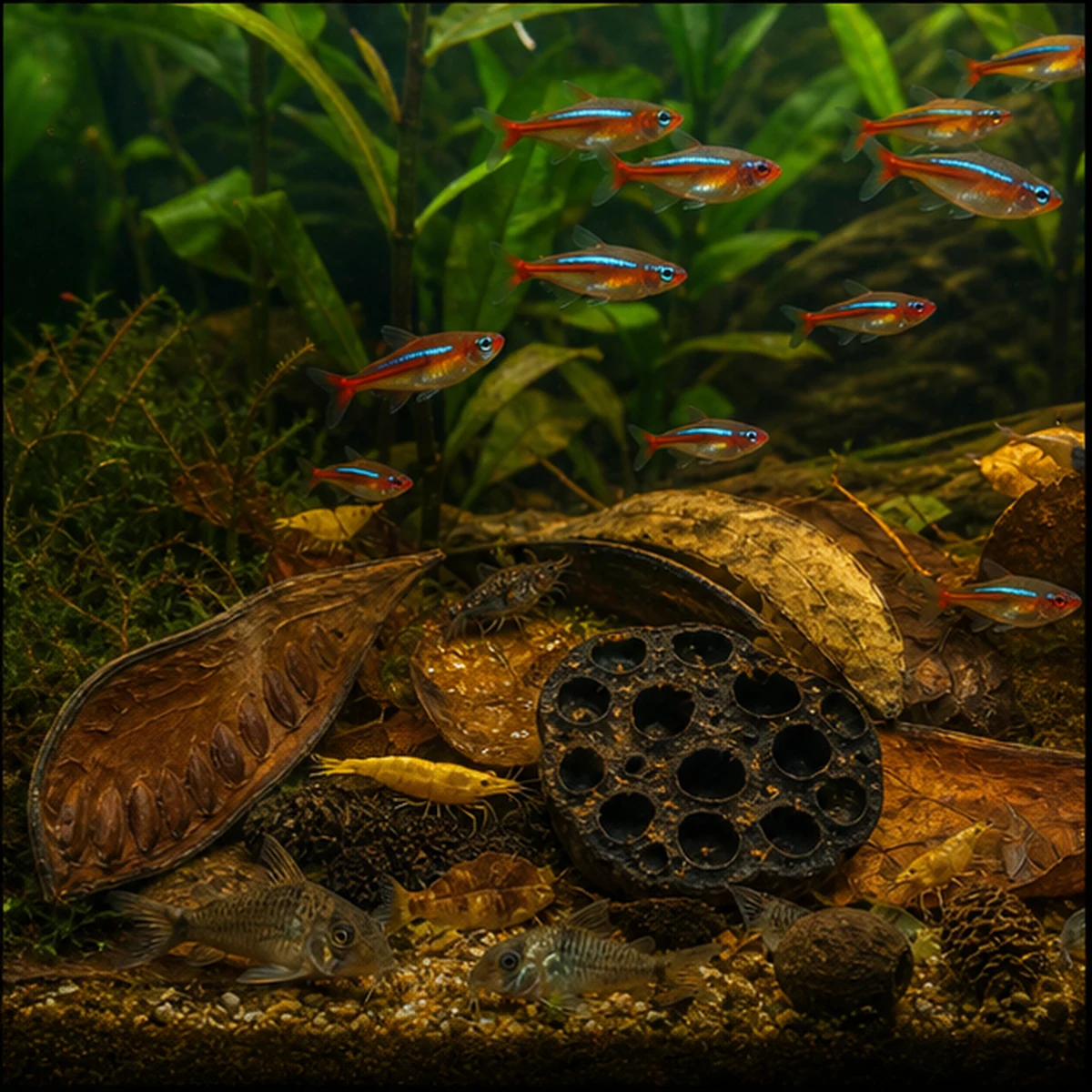
Use pods and harder forms to create cover without turning the whole aquarium into one dense pile.
OTHER CUSTOMER ROUTES
Beyond aquarium use, selected dry leaves, pods and woody pieces can also add natural structure, cover and surface complexity to suitable paludarium, vivarium and bioactive setups. Choose materials to suit the scale, moisture level and animals in the enclosure.
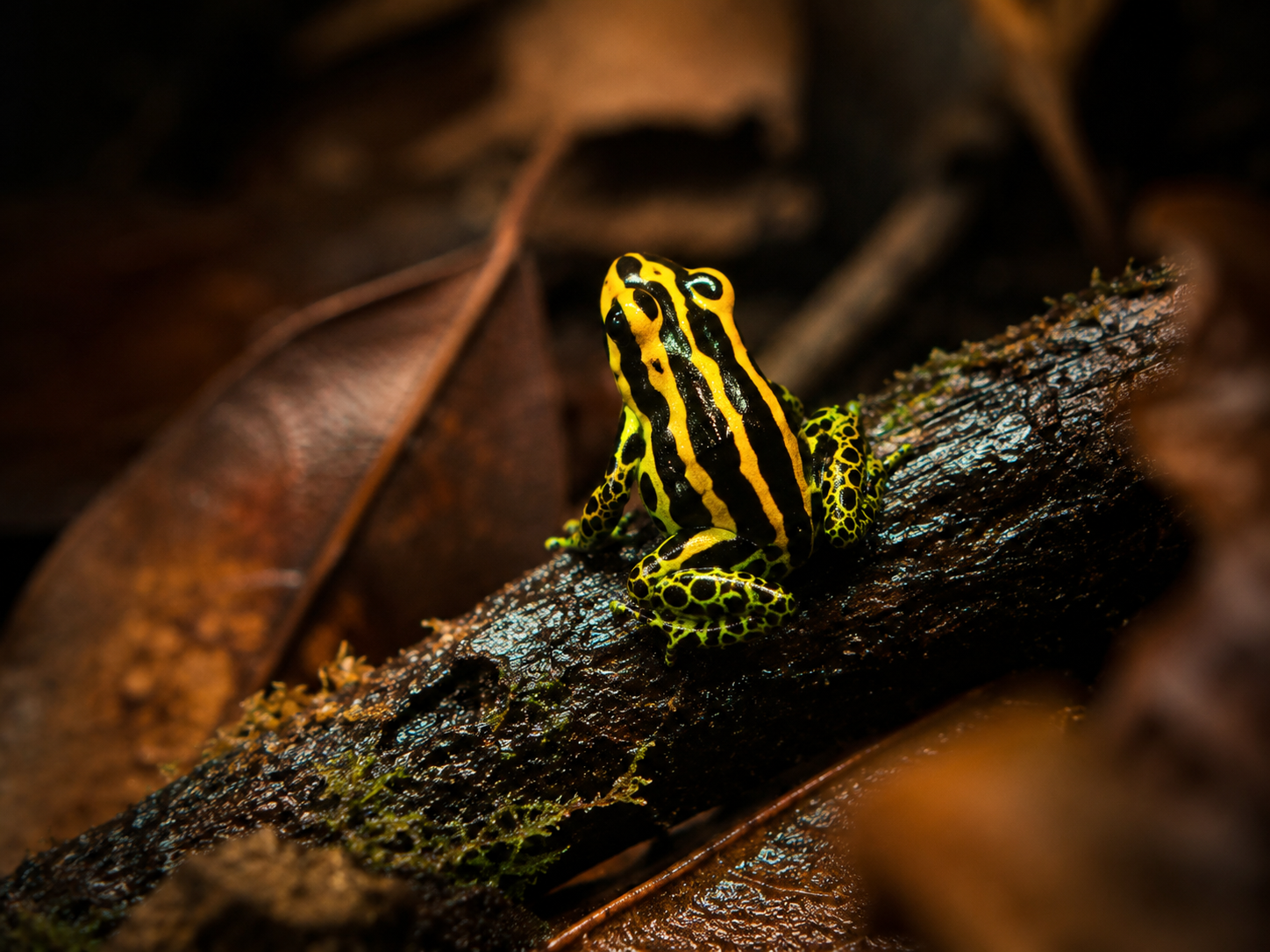
Use suitable leaves, pods and woody pieces through damp margins and transitional areas to connect the aquatic and terrestrial parts of a naturalistic layout.
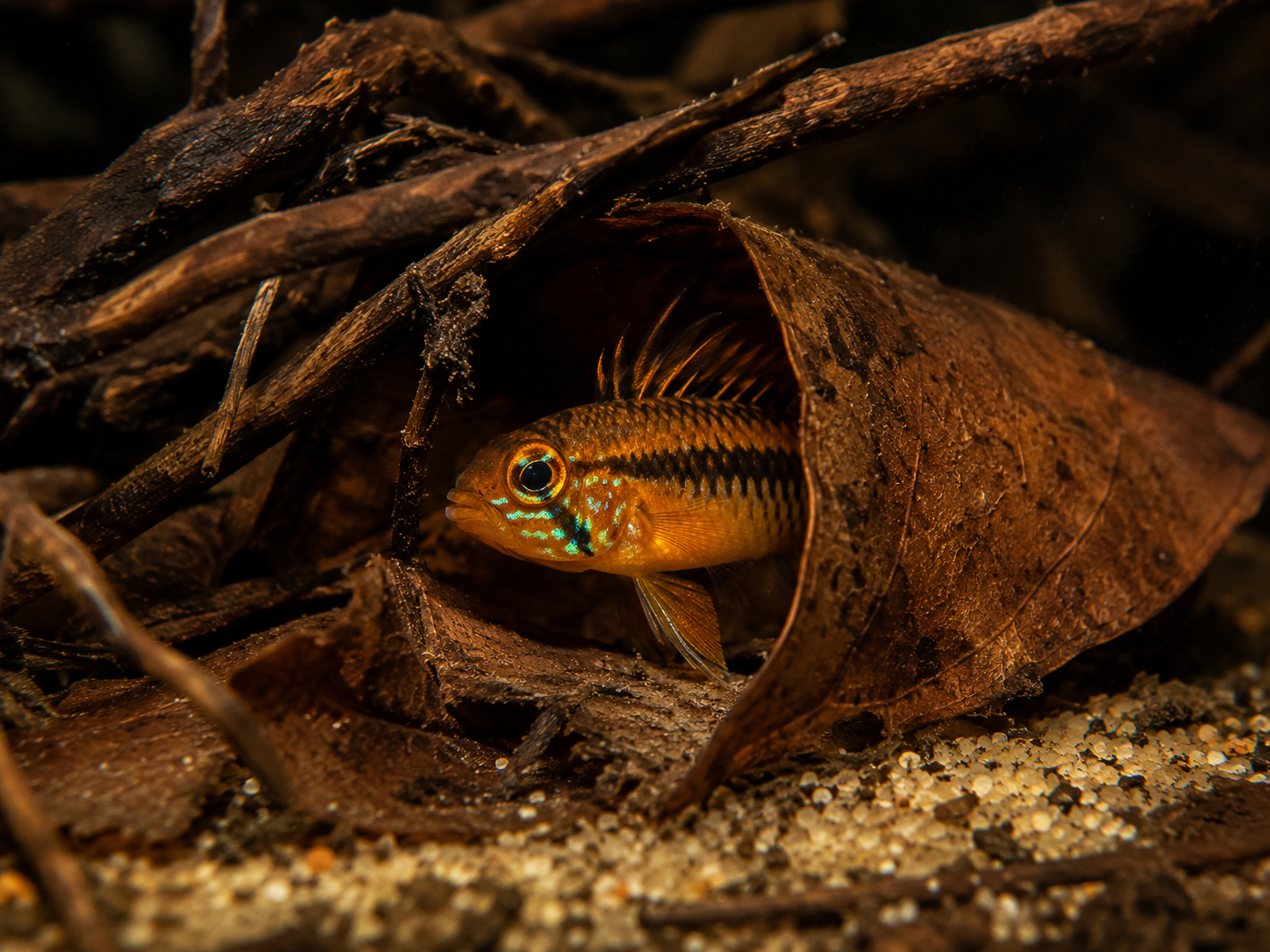
Leaves and suitable harder pieces can form part of the litter and structural layer used around an established bioactive substrate. They are not a complete substrate by themselves.
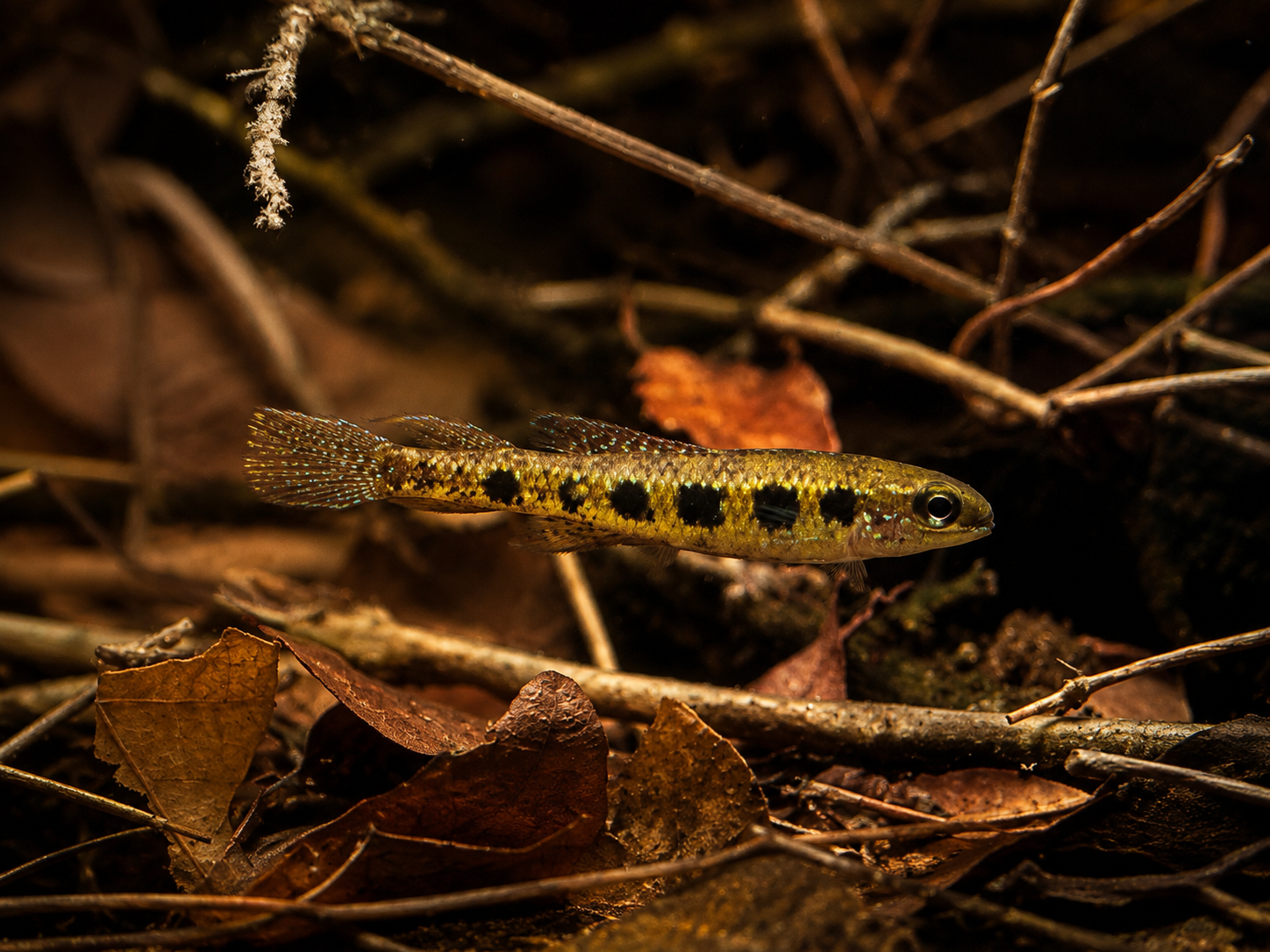
Selected dry botanicals can add natural floor texture, cover and visual variation around wood, roots and planted areas.
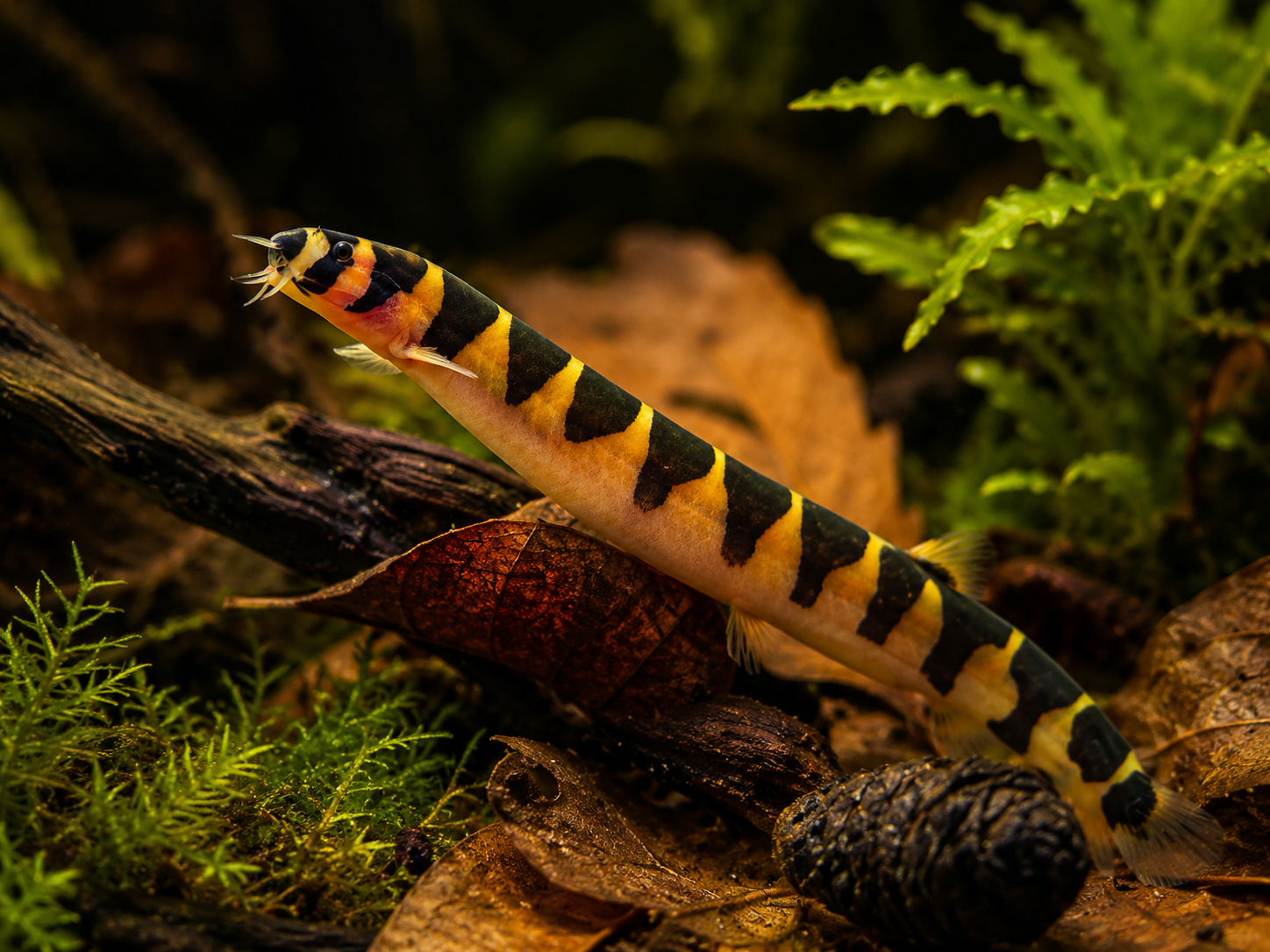
Suitable leaves and dry botanical pieces can provide cover, surface complexity and material that gradually becomes part of the decomposer environment.
No. You do not need to add the whole box in one go. Start with the larger structural piece and a smaller selection of leaves, pods and cones, then add more gradually as the aquarium develops. This is especially important in small tanks and very soft or low-KH water.
No. Spread them through the aquarium instead of creating one dense pile. Use the larger piece as structure, place leaves and smaller botanicals around separate areas, and leave open sand and swimming space between them.
This is usually biofilm associated with natural botanical breakdown. It can appear during the first stages of use and is commonly grazed by shrimp and snails. It is normal, although livestock and general water quality should always be observed as the aquarium changes.
Not always. Natural pods, leaves and harder botanicals vary in density. A pre-soak of 1–7 days can help stubborn pieces sink and can also reduce the strongest initial tint.
There is no single replacement schedule because different leaves, pods and harder botanicals break down at different rates. Leaves can be allowed to soften and break down when that suits the aquarium. Remove material when you want to reduce the botanical load, maintain a cleaner layout, or when a piece no longer suits the setup.
Selected dry leaves, pods and woody pieces can also be used as natural floor structure or cover in appropriately planned paludarium, vivarium and bioactive setups. They should be treated as part of a wider habitat build rather than as a complete substrate or complete diet for decomposer species.
LEARN BEFORE YOU ADD
COMPLETE THE ROUTE