Build the route
Build a Pure Shrimp Meal feeding route
Use Pure Shrimp Meal Shrimp Food as a protein-focused supplementary food, keeping portions small and observing water clarity after feeding.
Product story
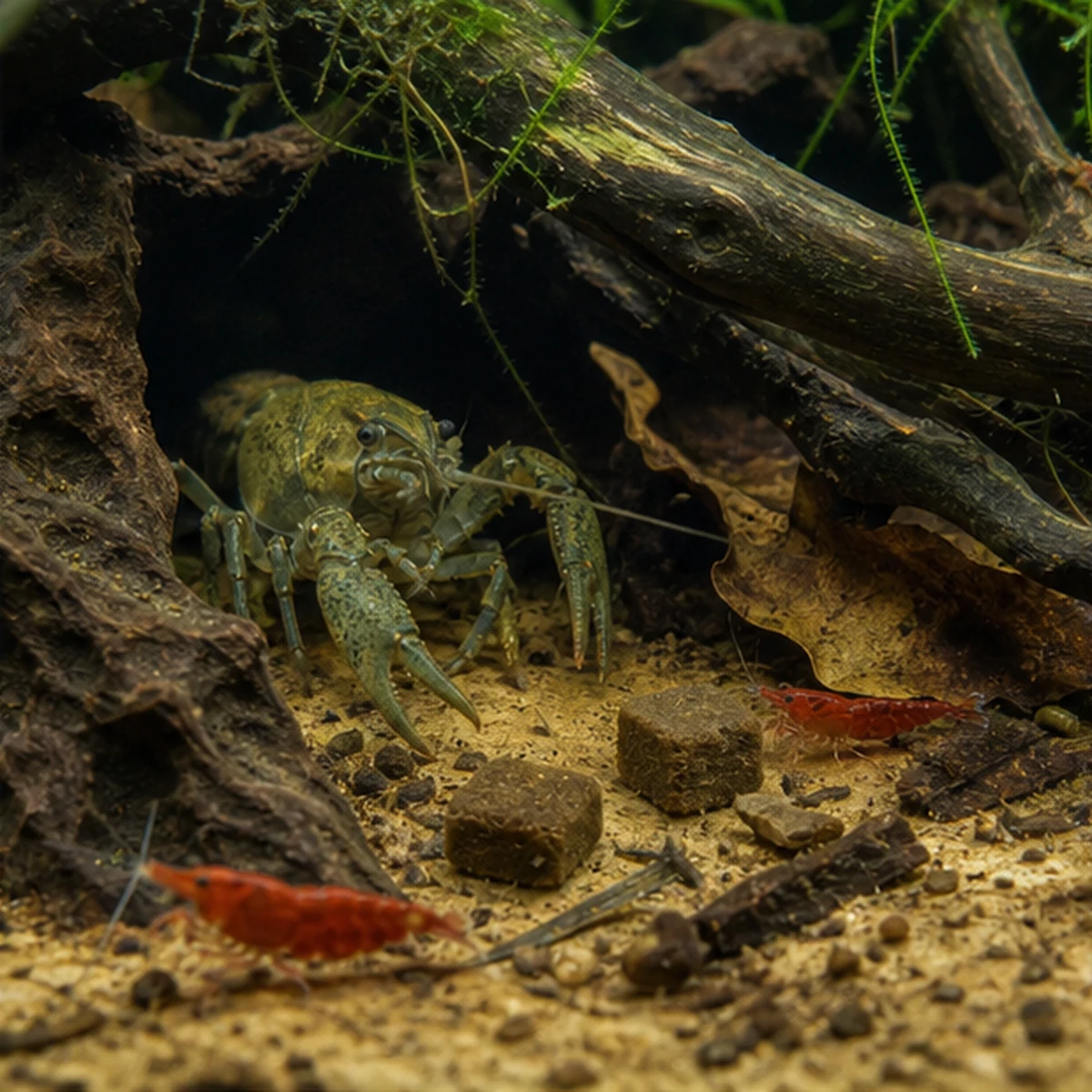
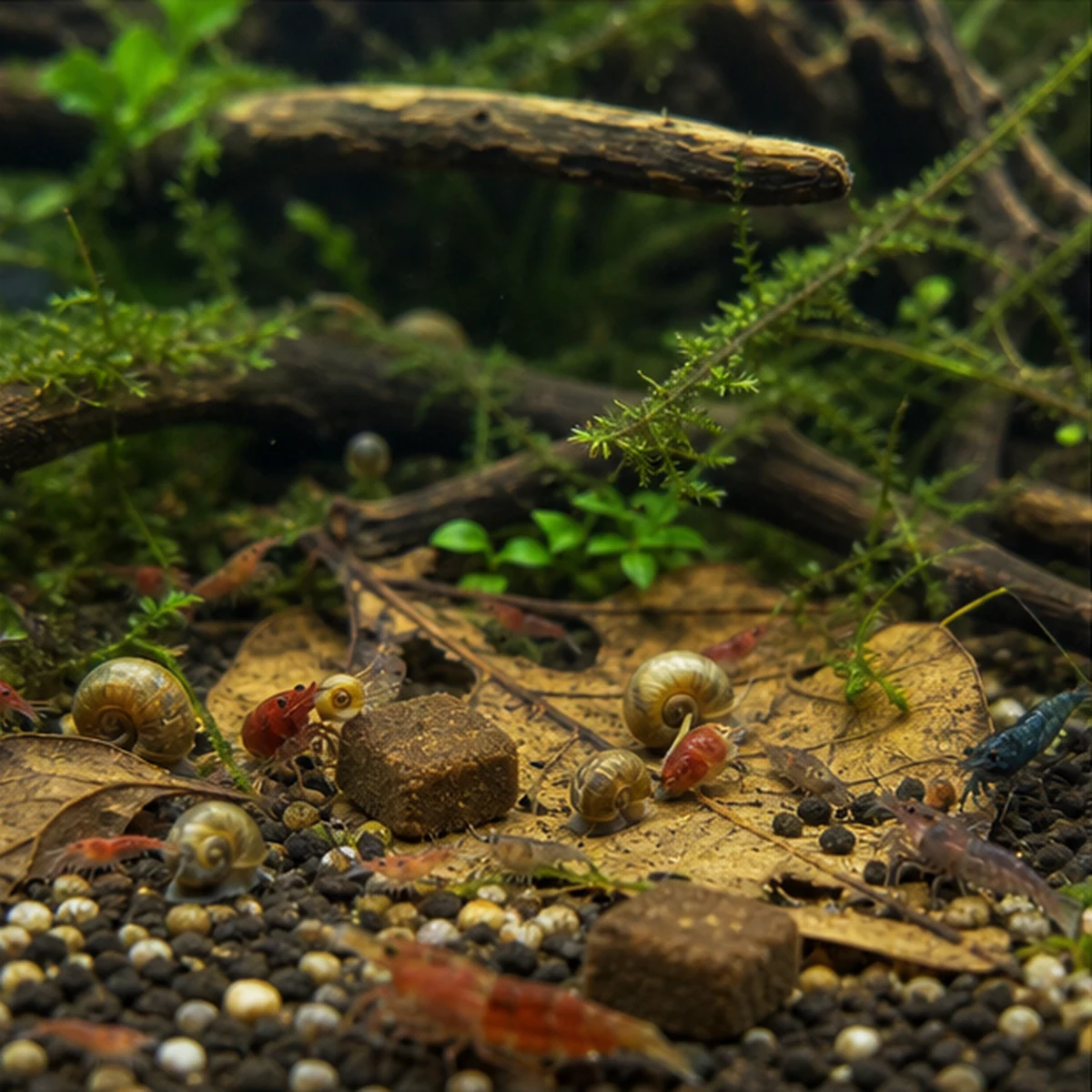
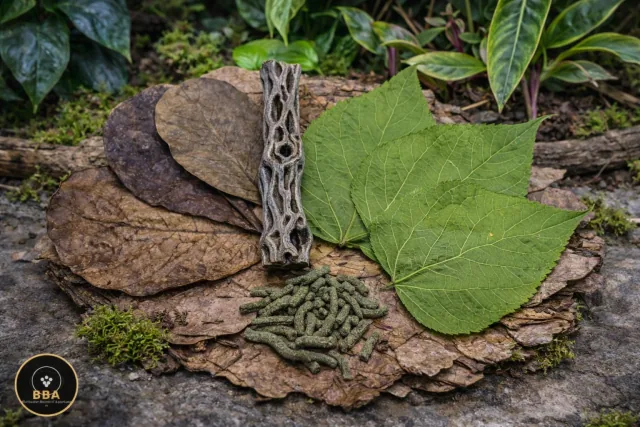
Pure Shrimp Meal Shrimp Food in use
High-attraction, protein-forward grazing cubes for freshwater shrimp, snails, crayfish and other scavenging invertebrates.
Why aquarists use it
Neocaridina shrimp tanks, Suitable Caridina shrimp setups
What it does
It provides a measured feeding option for shrimp, snails and similar grazing livestock.
What it does not do
It is not a growth guarantee or substitute for stable water quality.
Product role
Where this product fits
Use this section to understand where this product belongs in a safer aquarium route, without guessing or adding too much at once.
Best for
Good route for
Use with
Nettle Shrimp Food, Snowflake Shrimp Food, Botanical Grazing Pellets
Before adding
Essential details and safety
Use slowly, observe livestock and avoid chasing instant changes. BBA product pages are guidance for careful aquarium use, not veterinary or medical advice.
Preparation notes
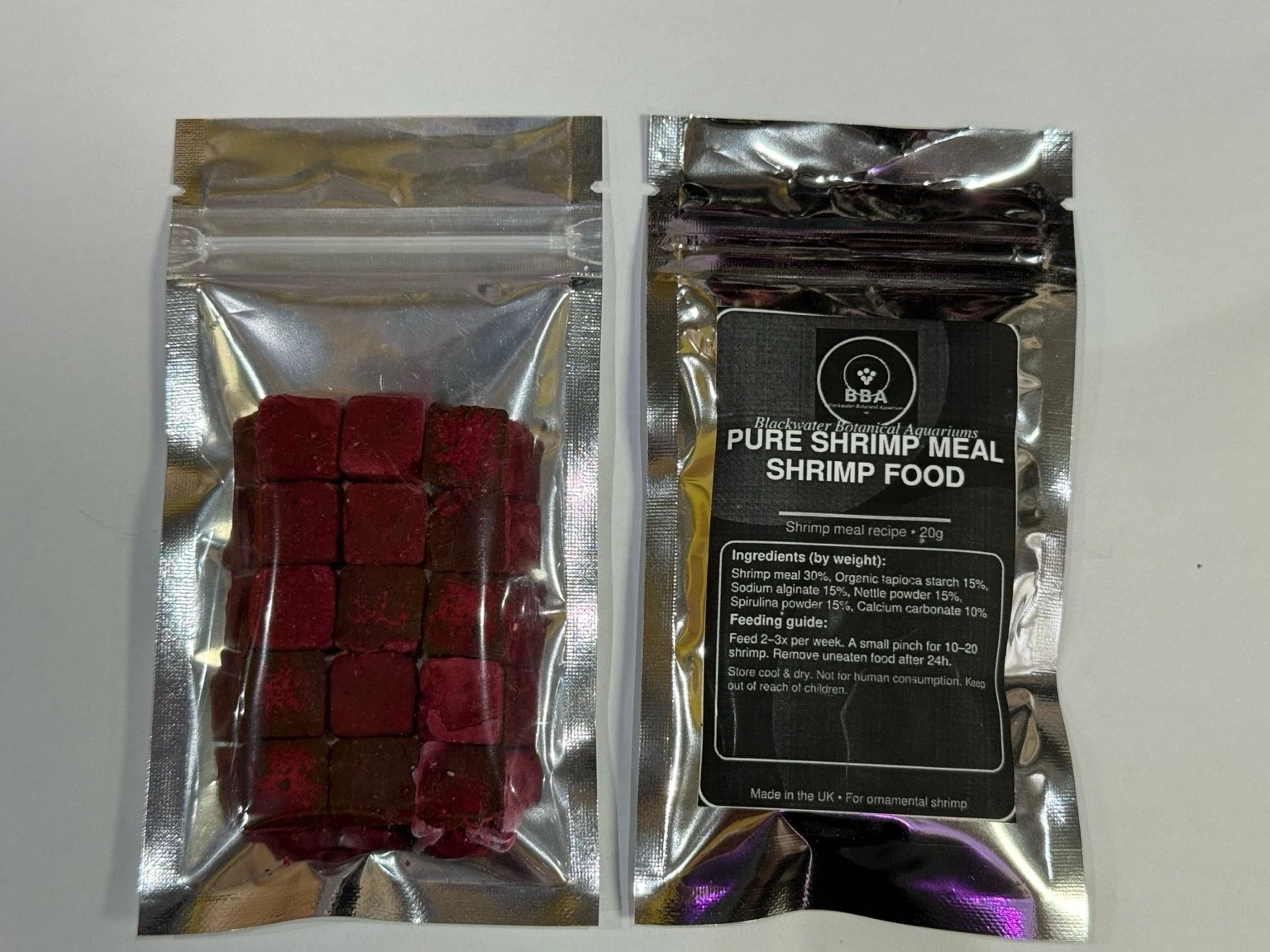
- Feed 2–3 times per week.
- Start with a small pinch for 10–20 shrimp.
- Observe feeding response and adjust the amount to suit the stock level.
- Remove uneaten food after 24 hours.
- Store cool and dry with the pack sealed after use.
Safety notes
- Feed sparingly as a supplementary food, not as the sole diet.
- Remove uneaten food after 24 hours.
- Do not overfeed; excess food can affect water quality.
- Contains animal-derived shrimp meal.
- Not suitable for customers looking for vegetarian or vegan shrimp food.
- Natural handmade pieces may vary slightly in size, shape and appearance.
- Store cool and dry with the pack sealed after use.
- No instant pH promise and no livestock-care shortcut claim.
- Remove if livestock show stress.
Habitat visual story
A botanical aquarium should feel lived-in, not empty
These visual cards explain the habitat world around this product. They are separated from the product gallery above, so customers can distinguish the item from its ecological role.
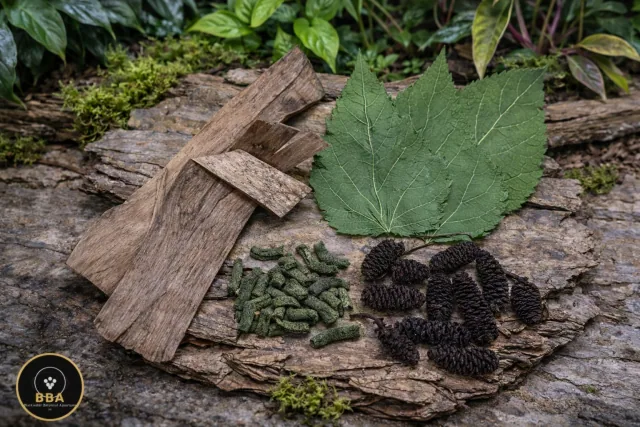
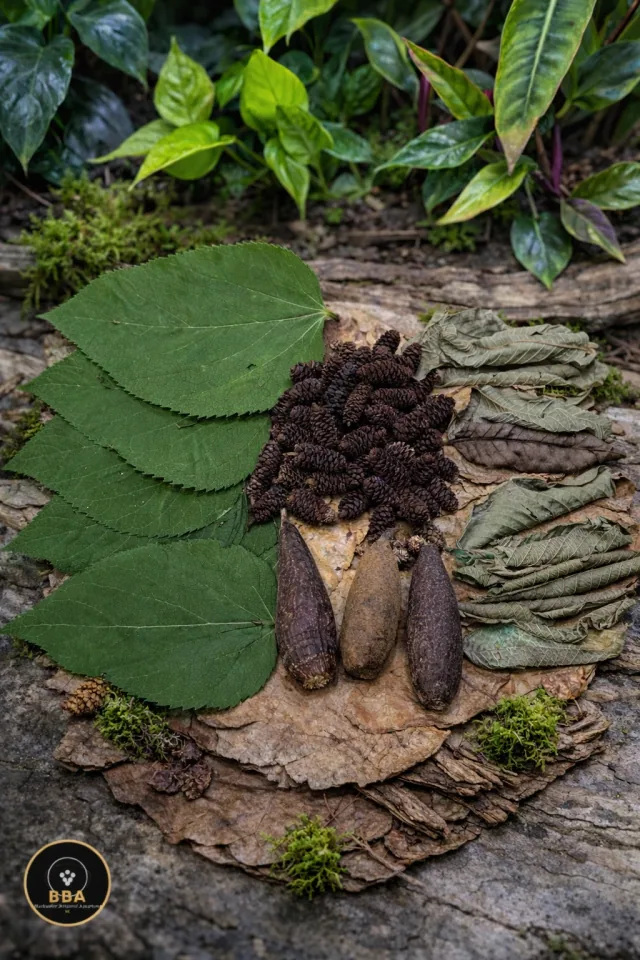
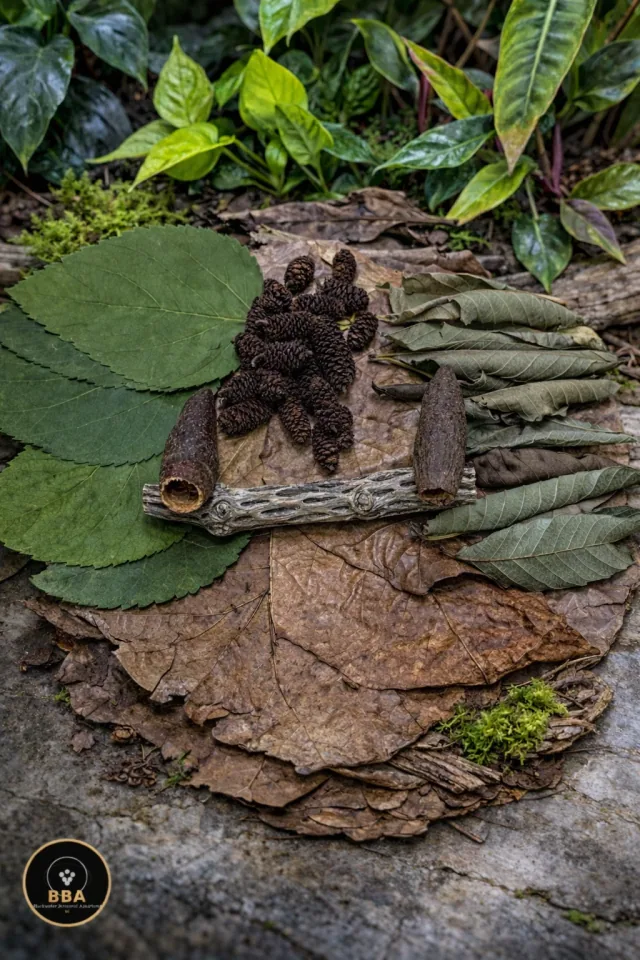
Leaf litter becomes part of the tank floor.
Broken shade helps cautious livestock feel secure.
Natural tones make the floor feel settled.
Surfaces invite slow grazing and inspection.
Method reminders
Prepare, add gradually, observe
How should this be introduced?
Prepare as appropriate, add a small amount first and watch livestock and water clarity for 24-72 hours before adding more.
Is natural variation normal?
Yes. Botanical and prepared aquarium products can vary in size, colour, shape, texture, tint and breakdown speed.
Does this guarantee water parameter changes?
No. The BBA method is deliberately careful: products can support a route, but they do not promise instant pH, GH or KH results.