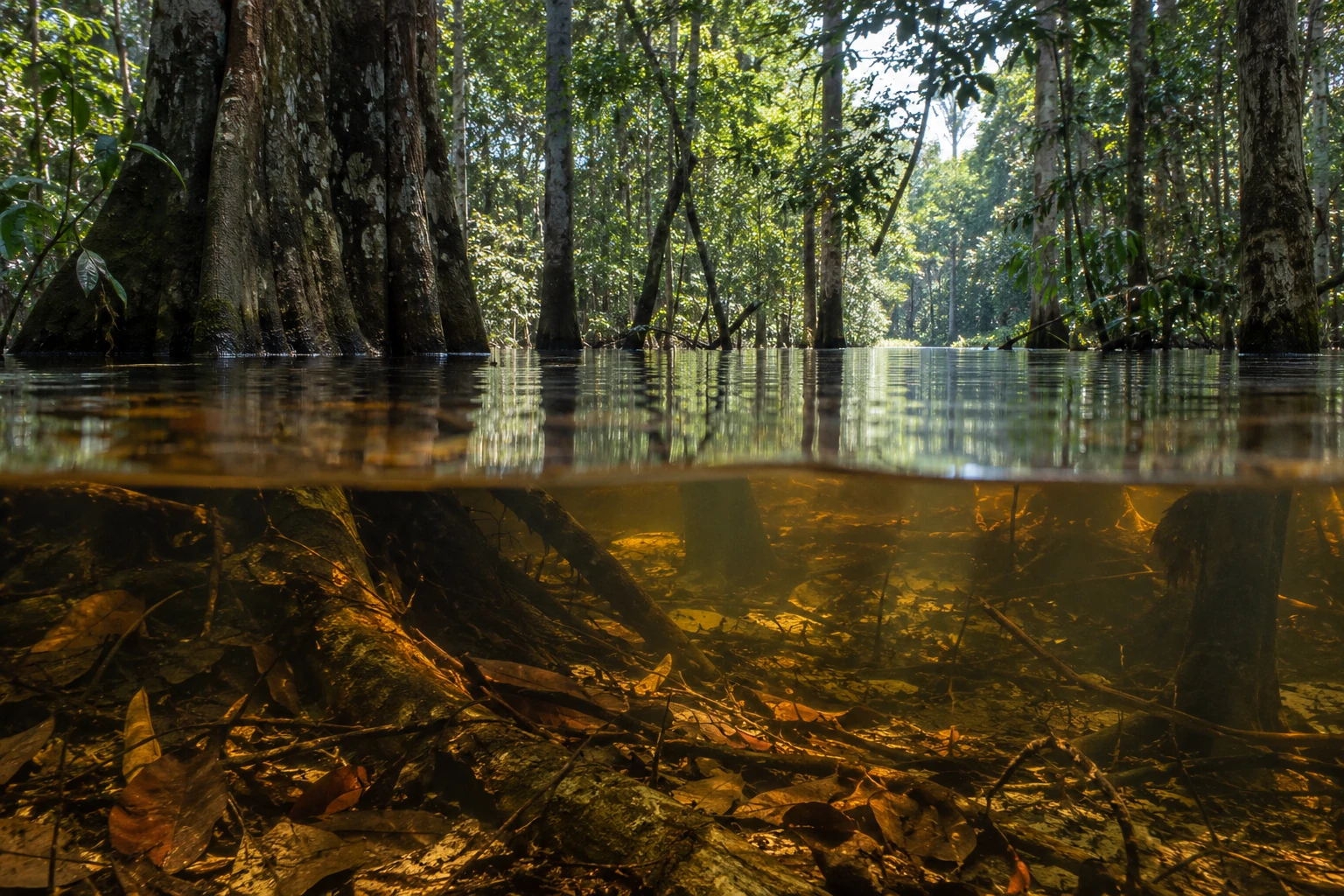
Flooded tropical forest above amber water, with submerged roots and fallen leaves below the waterline.

Wildlife & habitat conservation

Protect Their World

We recreate a little of their world.
Let’s help protect the real one.

Our aquariums bring a small reflection of nature into our homes. But the rivers, forests and wetlands that inspire them deserve more than our admiration. They deserve a future.

Explore the Conservation Causes

BBA habitat illustration: the forest and the water are one connected world.

The natural world behind our aquariums

A rainforest is more than a collection of trees.
A river is more than water.

These are living homes — for fish, amphibians, reptiles, invertebrates, plants and people. Each is part of a world far greater than anything we can recreate behind glass.

Protecting threatened aquatic species means protecting the places they call home: the canopy, flooded forest, shaded stream, wetland and leaf-covered riverbed.

For those of us fascinated by natural aquariums, conservation is not an abstract idea. The habitats we study and admire exist somewhere in the real world — and many are under pressure.

These independent organisations work to protect places, species and communities. Explore their work, discover the people behind it, and support a cause directly if it matters to you.

Four connections. One living world.

Conservation Organisations We Support

BBA highlights these independent conservation causes to raise awareness and help our visitors discover ways to support their work directly.

BBA visual interpretations of habitats and conservation themes, not photographs of the organisations’ projects.

01 / Rio Negro · Brazilian Amazon

Project Piaba

Where the aquarium trade can help keep a forest standing
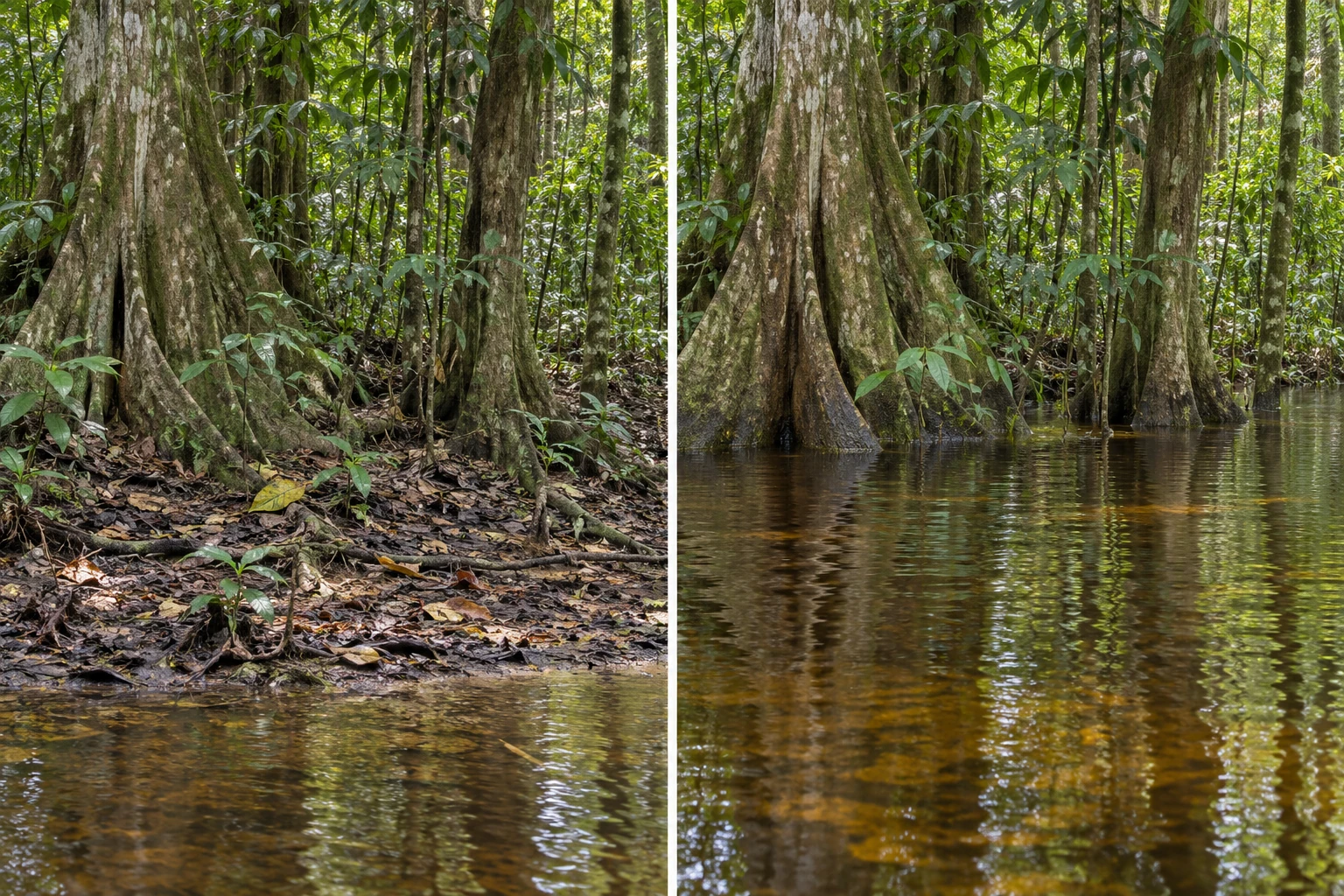
Two views of a tropical forest floor: exposed roots and leaves beside a seasonally flooded forest.
BBA habitat illustration: seasonal water connects the forest floor with the river.

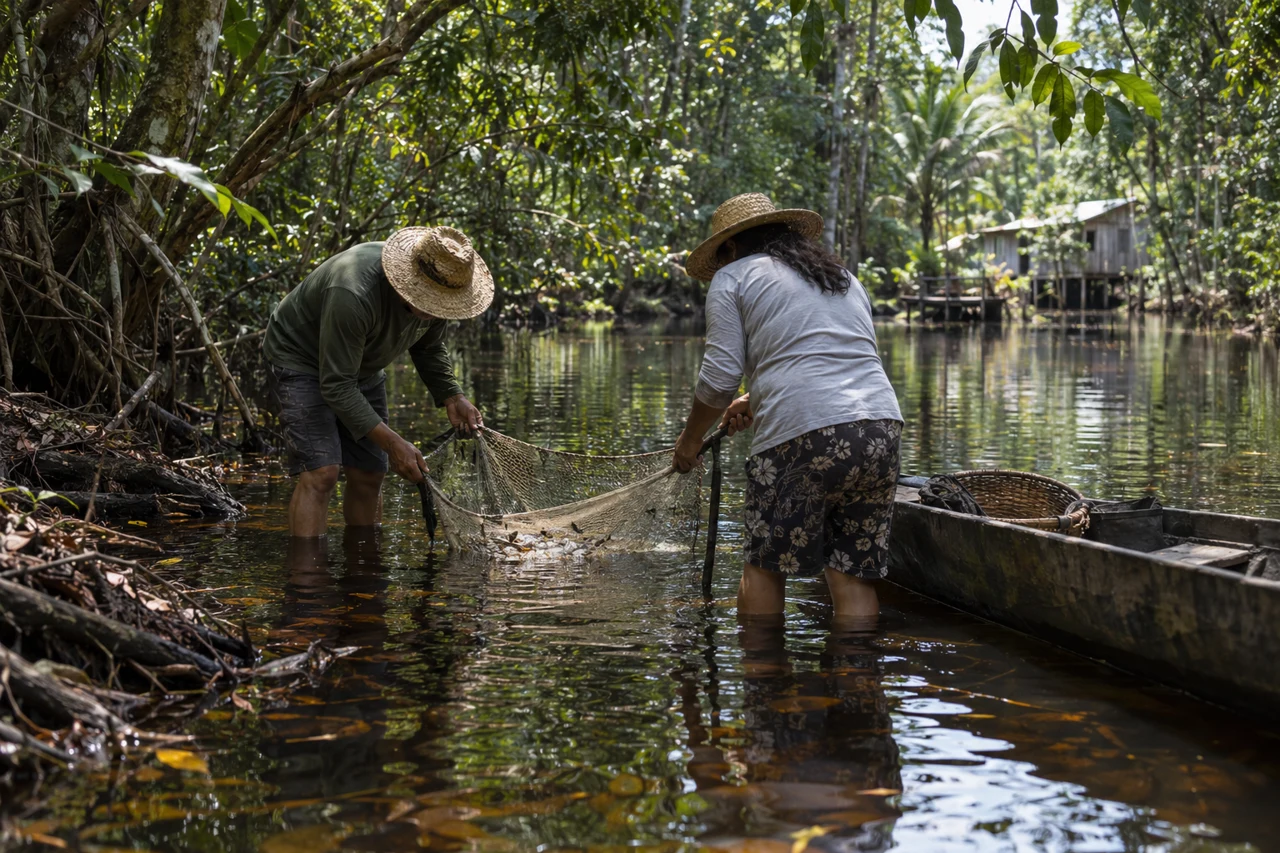
In the Rio Negro, a great Amazon blackwater system, aquarium fishes connect a river to the livelihoods of people living beside it. Local piabeiros and piabeiras collect small ornamental fishes, including the iconic cardinal tetra.

Project Piaba has researched and supported this fishery since 1991. Its conservation argument links sustainable income from aquarium fishes with the value of keeping forests and aquatic habitats intact.

That relationship depends on how the fishery operates: habitat protection, sustainable collection, fish welfare and a viable livelihood all matter. Buying wild fish is not, by itself, a guarantee of conservation.

Why this matters to BBA

Blackwater aquariums draw inspiration from places such as the Rio Negro. Project Piaba connects ornamental fish conservation with the river, forest and communities behind that inspiration.
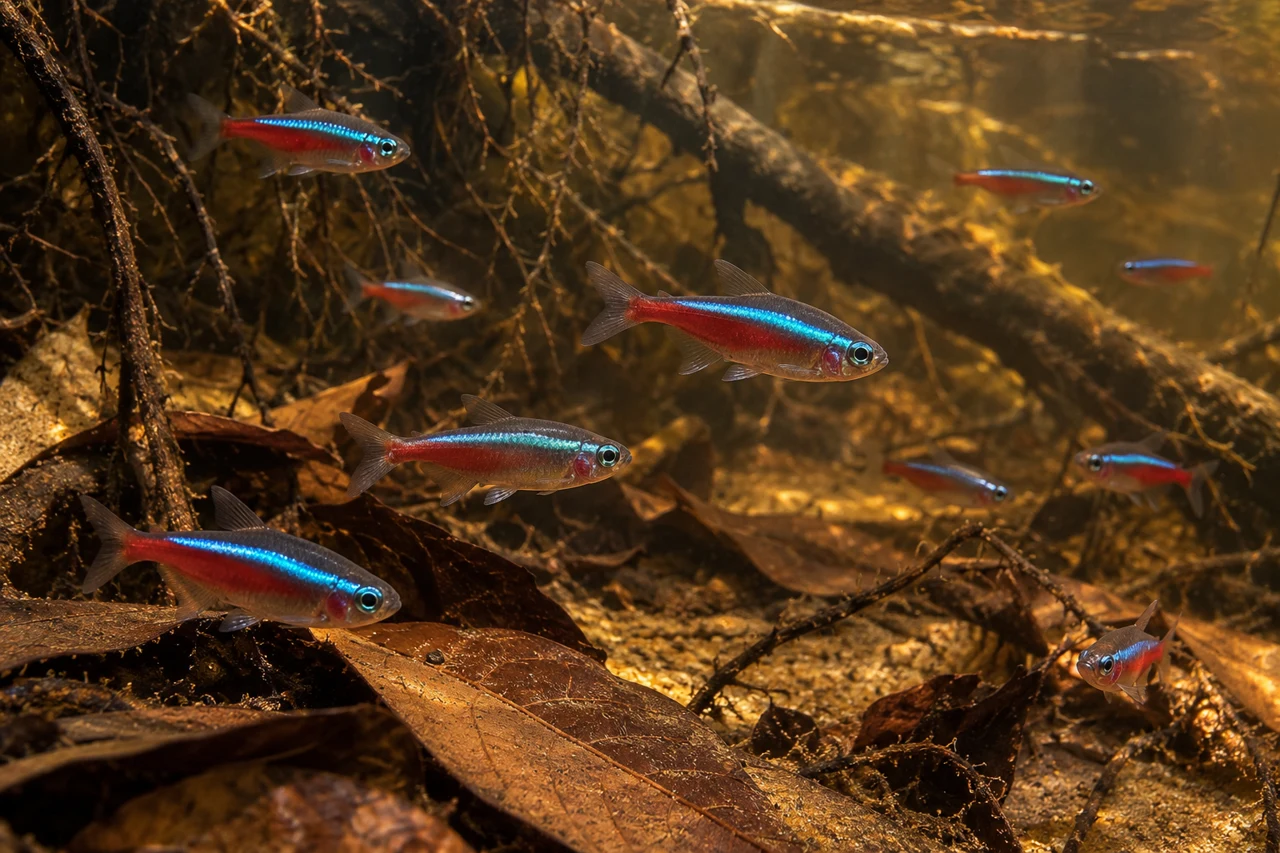
Cardinal tetras swimming among submerged roots and fallen leaves in clear amber water.
Cardinal tetras connect the aquarium hobby with a much larger river story.
BBA illustration of two adult fishers using a small net beside a canoe in a shaded tropical forest stream.
An illustrative view of the connection between a forest fishery and local livelihoods.
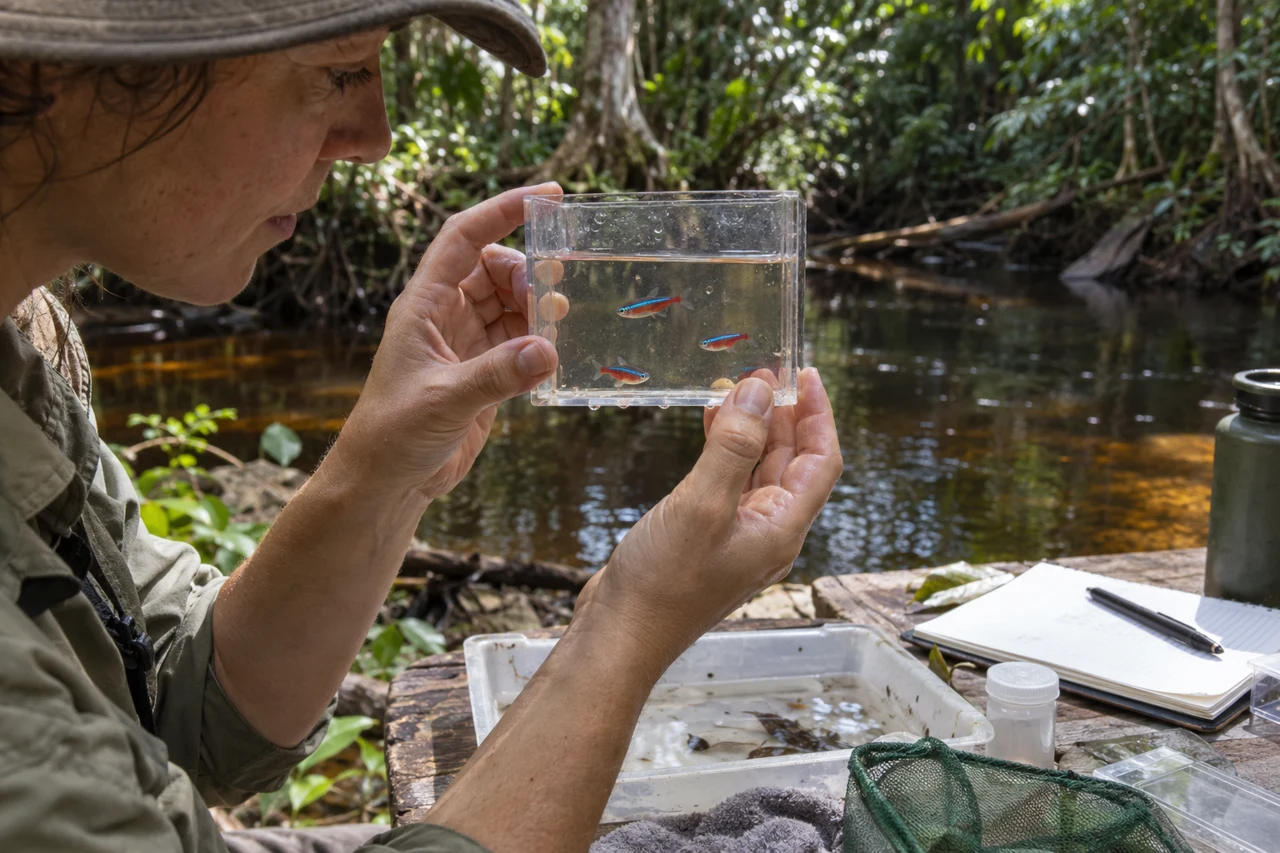
BBA illustration of a field researcher inspecting small fishes in a water-filled container beside a forest stream.
An illustrative field scene: careful observation and fish handling.

Conservation in practice

From river to aquarium

Alongside work with local fishers, Project Piaba describes training in handling and pre-shipment conditioning, and a developing traceability and verification programme following fish through the supply chain. Its updates report sustainability recognition in 2025; the verification work is still developing, not a universal certification of every wild aquarium fish.

You will leave BBA. Your donation is handled directly by Project Piaba through its official donation page.
Read the organisation’s own account

02 / Peruvian Amazon · Loreto / Iquitos

ARCOF

Amazon Research Center for Ornamental Fishes

Science, education and ornamental fish conservation in the Peruvian Amazon

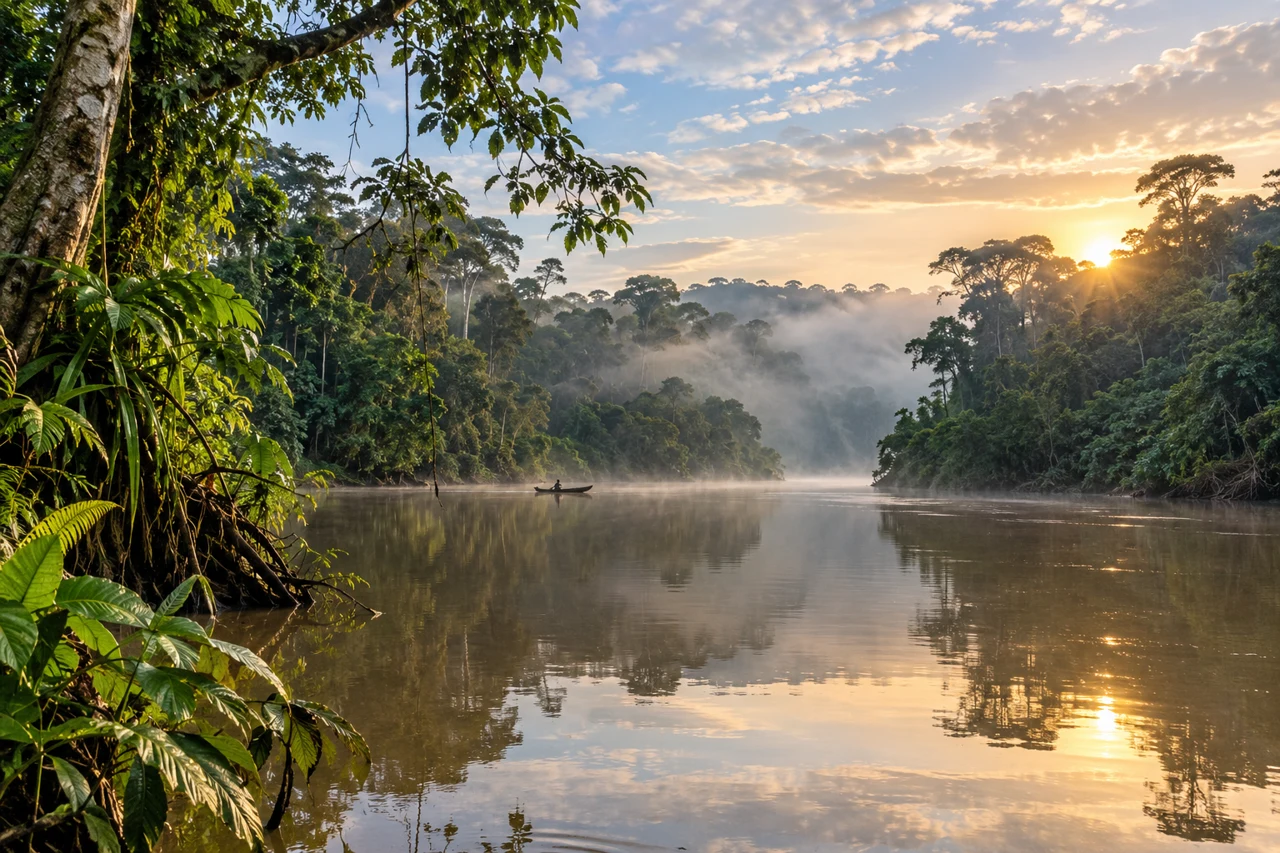
Morning mist over a calm tropical river framed by dense rainforest.
A river landscape inspired by the Peruvian Amazon.

Across the border in Peru, ARCOF brings research and sustainable ornamental fish aquaculture together with environmental education. The question is practical: how can freshwater biodiversity support local livelihoods while reducing unnecessary pressure on wild fishes and habitats?

Its work connects conservation with the people who live alongside Amazon freshwater habitats — and with the aquarium trade that depends on them.

Why this matters to BBA

Aquarium keeping can spark curiosity about freshwater life. ARCOF turns that curiosity towards research, sustainable breeding and a closer understanding of Amazonian biodiversity.

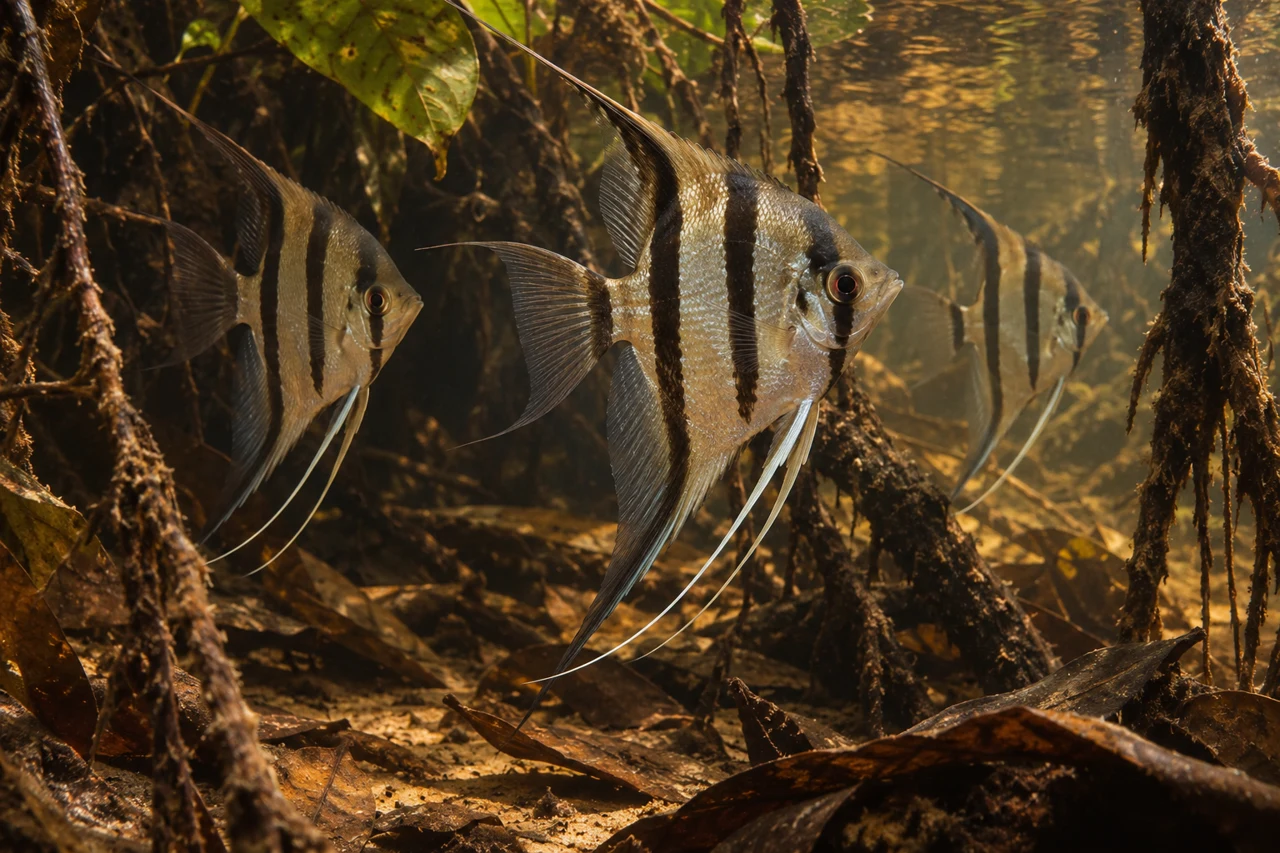
Silver angelfish with black vertical stripes among submerged roots and leaves.
Amazonian fishes connect ecology, research and sustainable breeding.
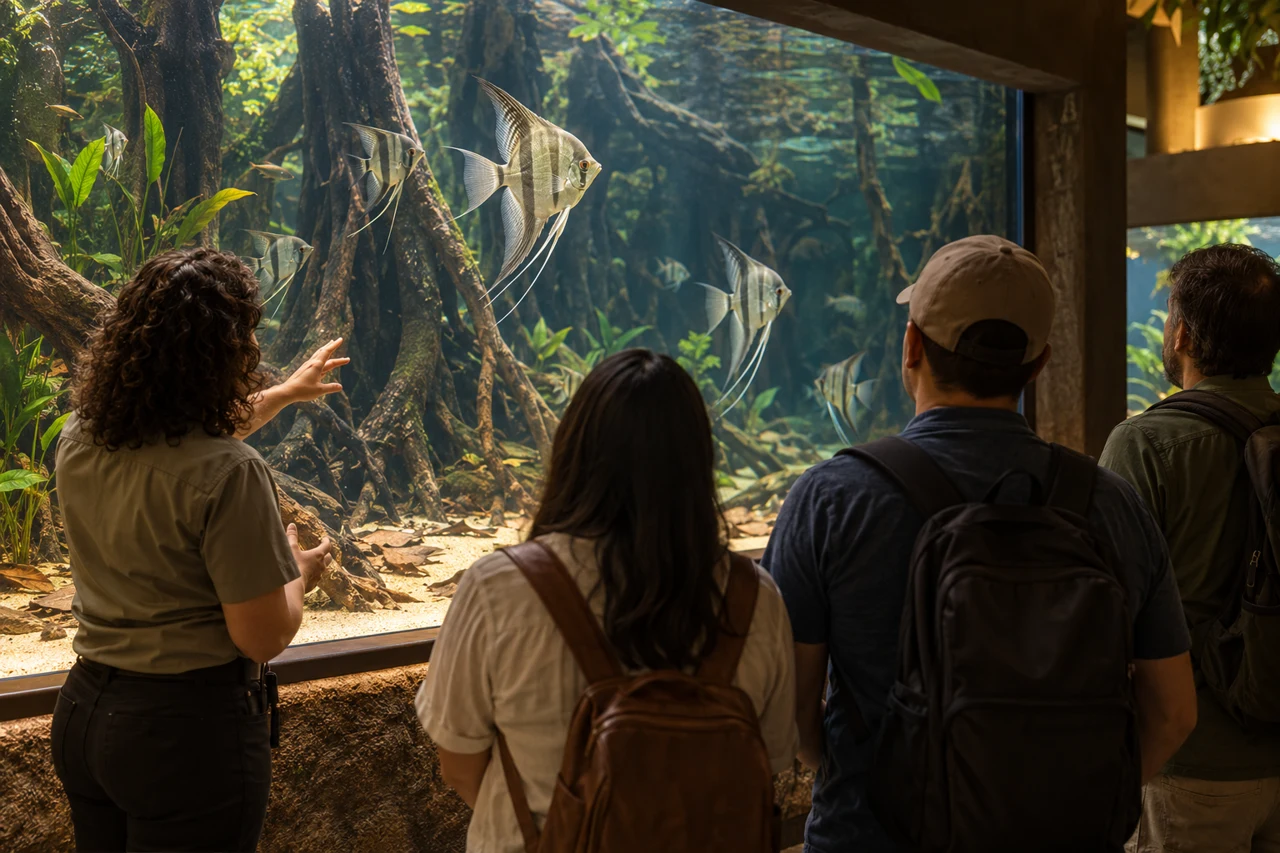
BBA illustration of an adult educator and visitors watching angelfish in a large freshwater aquarium.
An illustrative scene of freshwater education: curiosity begins with looking closely.

Conservation in practice

Aquarium of the Amazon

Opened in Iquitos in January 2024, the Aquarium of the Amazon is a public environmental education centre for local visitors, school groups and tourists. ARCOF describes current donations as supporting aquarium operations, its Adopt a Tank programme and educational events for schools, alongside its research and sustainable aquaculture work.

You will leave BBA. Your donation is handled directly by ARCOF through its authorised donation provider.

Read the organisation’s own account

03 / Sulawesi · Indonesia

Sulawesi Keepers

Protecting freshwater species found nowhere else on Earth

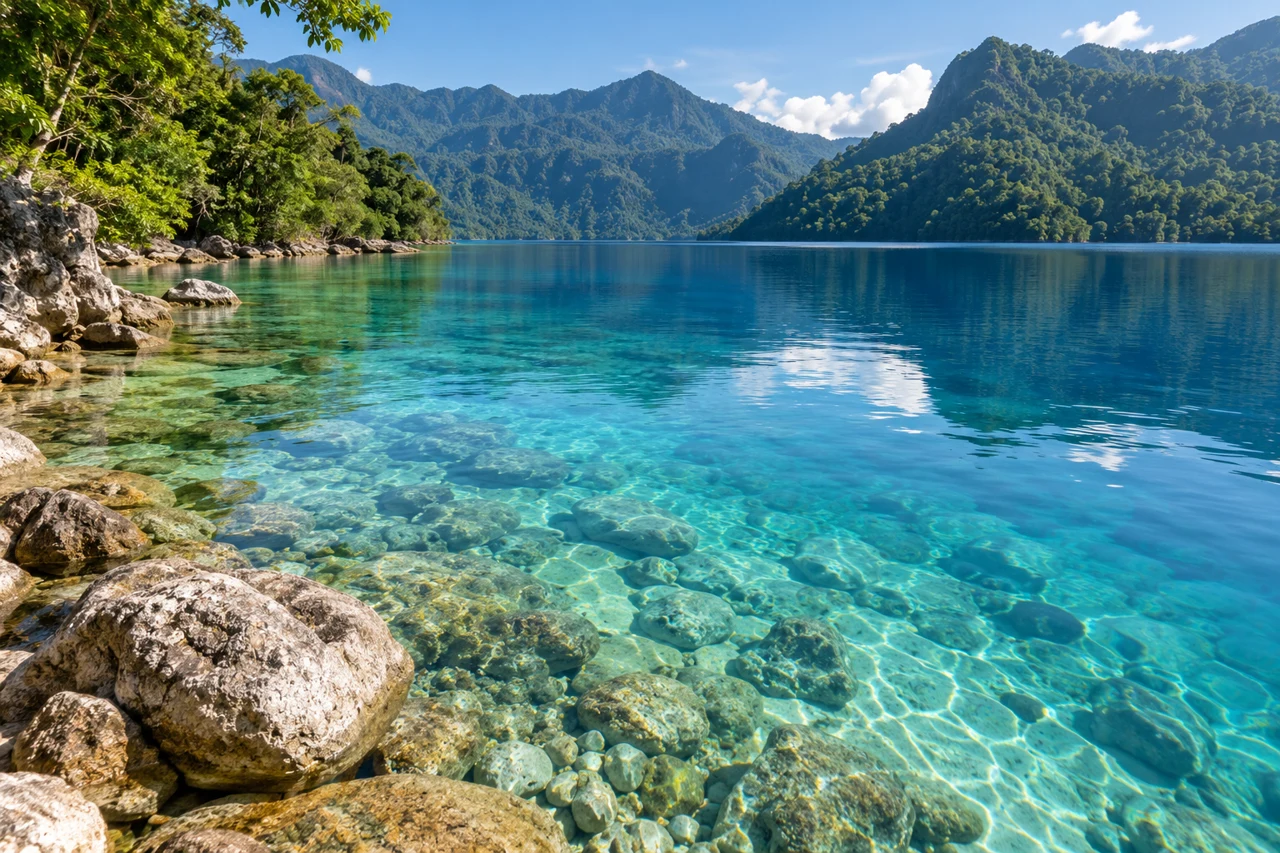
Clear turquoise lake water over pale shoreline rocks with green tropical hills beyond.
A lake landscape inspired by Sulawesi’s ancient freshwater systems.

Not every threatened freshwater world lies in the Amazon. Sulawesi’s ancient lakes contain fishes, shrimps and snails that evolved in isolation; some species have a natural range confined to one lake or freshwater system.

Sulawesi Keepers connects aquarists, scientists, conservation organisations and local communities. Research, conservation, captive-breeding knowledge and public awareness help bring these often overlooked animals into view.

An aquarium population does not replace a healthy wild habitat. The continued survival of these freshwater communities depends on protecting the places that shaped them.

Why this matters to BBA

For shrimp and invertebrate keepers, Sulawesi is a reminder to look beyond the glass. An animal’s whole wild world may be much smaller, and more vulnerable, than we imagine.

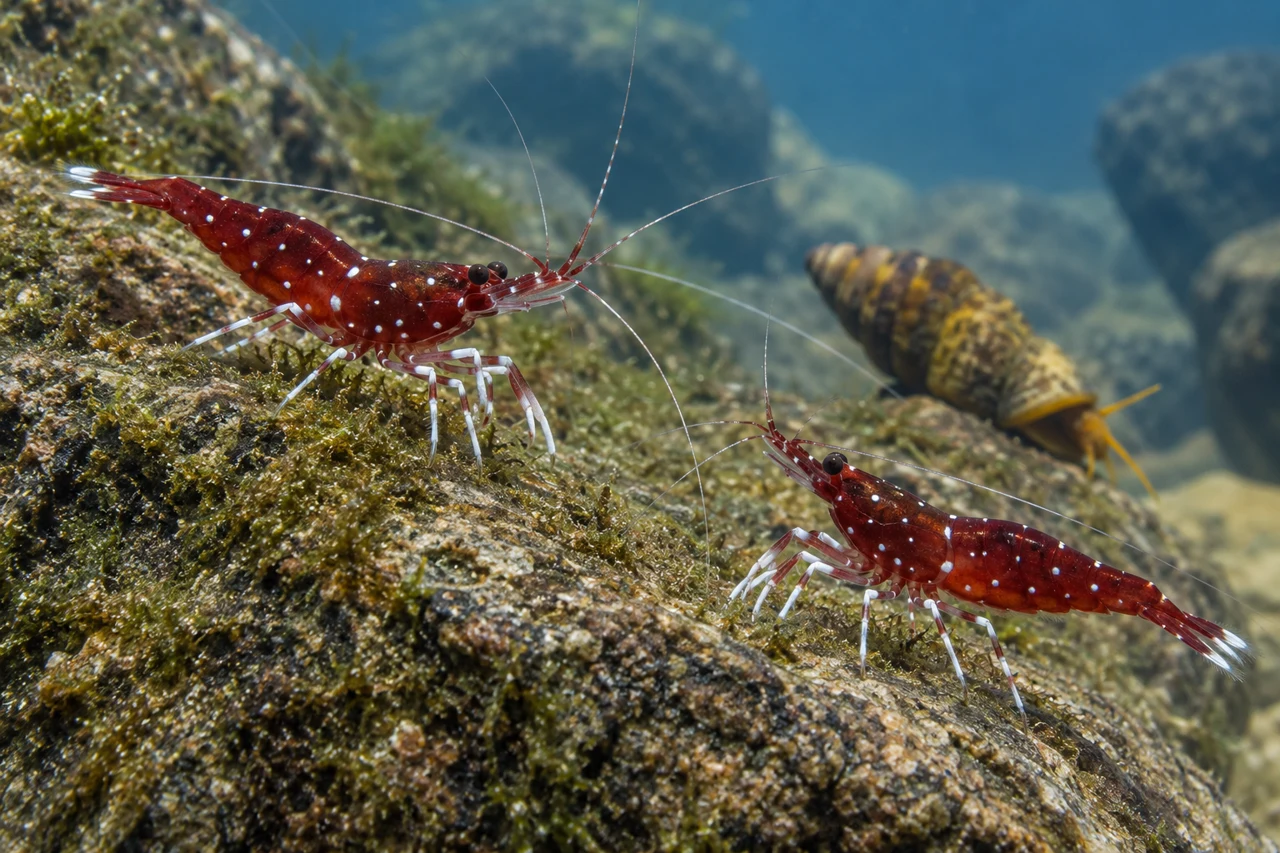
Red, white-spotted cardinal shrimp grazing on a lake rock, with a long-spired snail behind.
Sulawesi cardinal shrimp and snails bring freshwater biodiversity into close view.
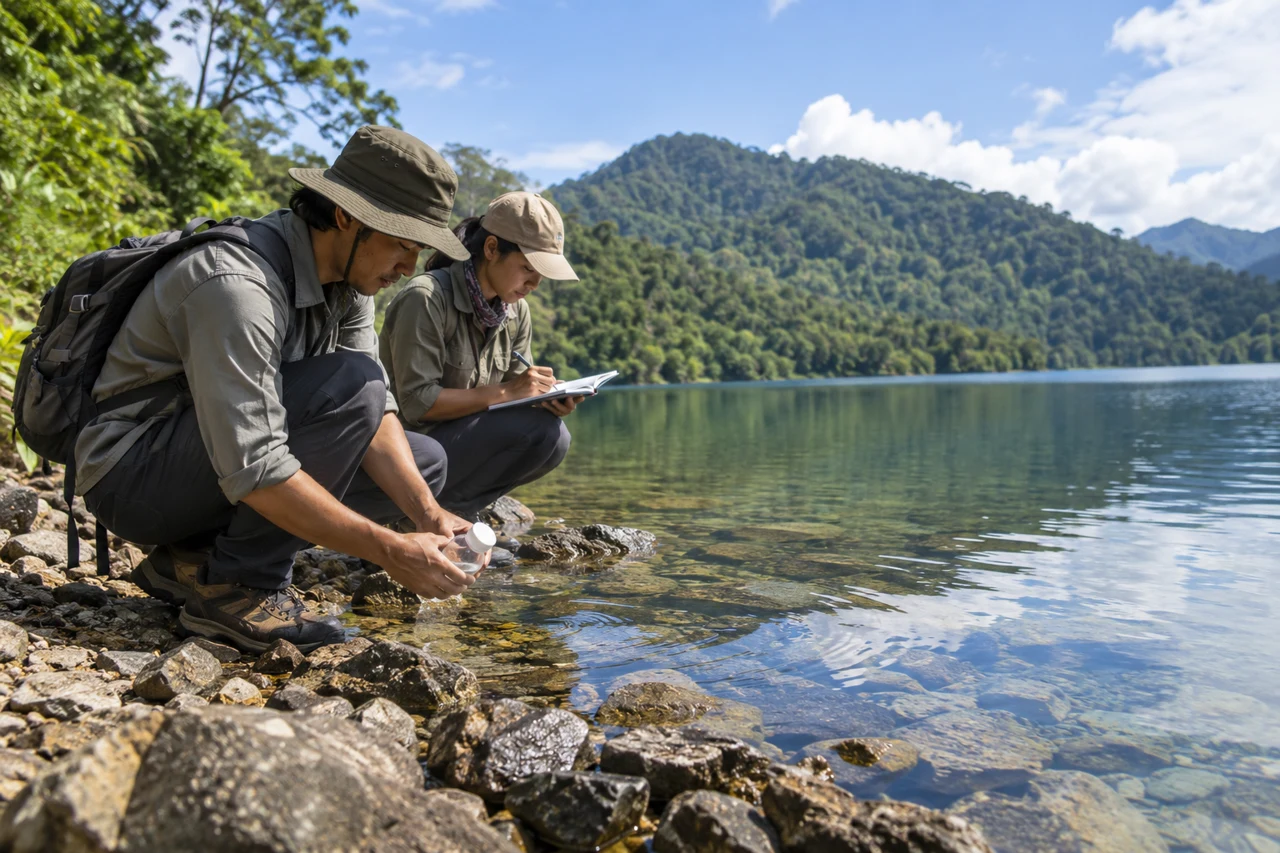
BBA illustration of two adult researchers collecting a water sample and recording observations at a rocky lake shore.
An illustrative scene of lake monitoring and freshwater field research.

Conservation in practice

Small animals. Irreplaceable habitats.

The organisation documents monitoring of endemic snails, research and conservation work in Indonesia, and education about local aquatic life. Its donation page directs support towards research, conservation and education in Indonesia.

You will leave BBA. Your donation is handled directly by Sulawesi Keepers through its official donation page.
Read the organisation’s own account

04 / Global freshwater conservation

Global Nature Fund — Living Lakes

Protecting the waters that connect life

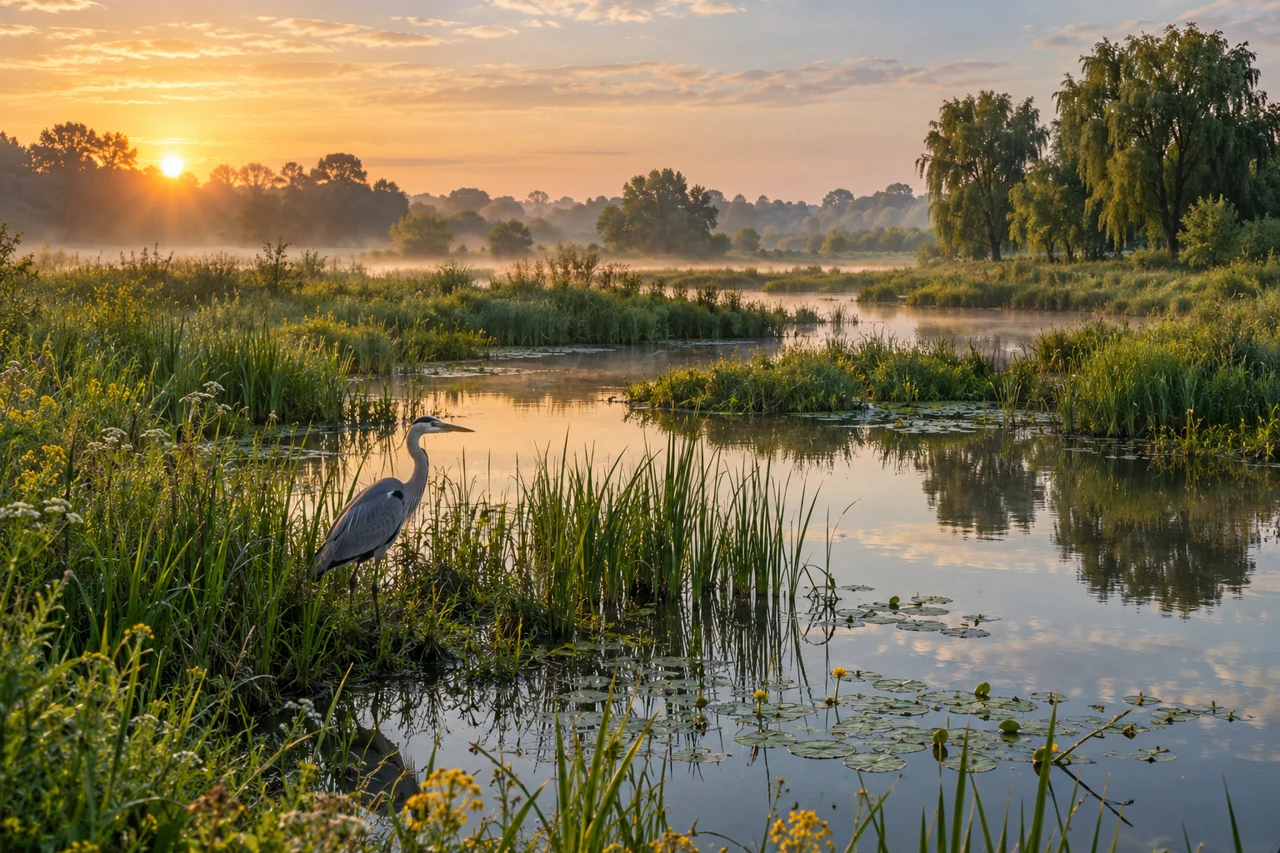
A grey heron standing beside reed-lined freshwater channels at sunrise.
Wetlands connect water, land and the lives that depend on both.

A species cannot be protected indefinitely without protecting its home. Through Living Lakes, Global Nature Fund connects international work to protect, restore and sustainably use lakes and wetlands.

This is the wider picture of habitat conservation: freshwater biodiversity, water quality, ecological resilience and the communities living beside these waters are connected.

Why this matters to BBA

Freshwater conservation reaches beyond the species we keep. Healthy catchments, lakes and wetlands sustain the living systems on which aquatic life depends.

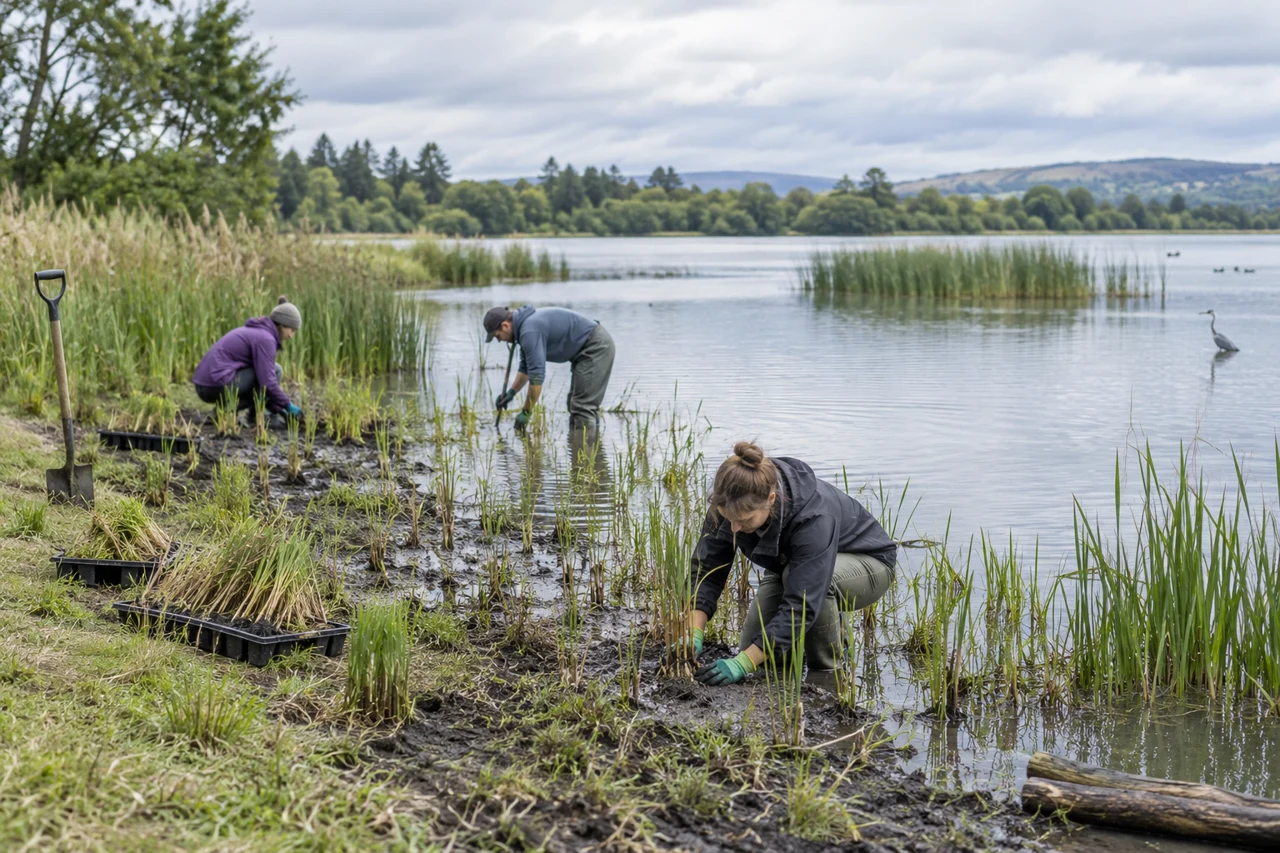
BBA illustration of adult volunteers planting reeds along a shallow freshwater lake bank.
An illustrative restoration scene: protecting freshwater habitats is practical work.

Conservation in practice

Beyond one river. Beyond one species.

The Living Lakes network works with local organisations and communities on habitat protection and restoration, sustainable livelihoods and environmental education. Use Global Nature Fund’s official donation page to review its current causes and options; support is handled by the organisation, not BBA.

You will leave BBA. Your donation is handled directly by Global Nature Fund — Living Lakes through its official donation page.
Read the organisation’s own account

Protect their world

Their world exists beyond the glass.

Every aquarium can begin with curiosity. About a fish. A river. A forest. A tiny shrimp found nowhere else on Earth.

That curiosity can become understanding — and understanding can become care.

Discover the people protecting these places. Share their work. And if you can, support the cause that speaks to you.

Be part of protecting their world.Find a cause that matters to you